Leave Your Message

What Is the Best Power Cable Type in 2026?

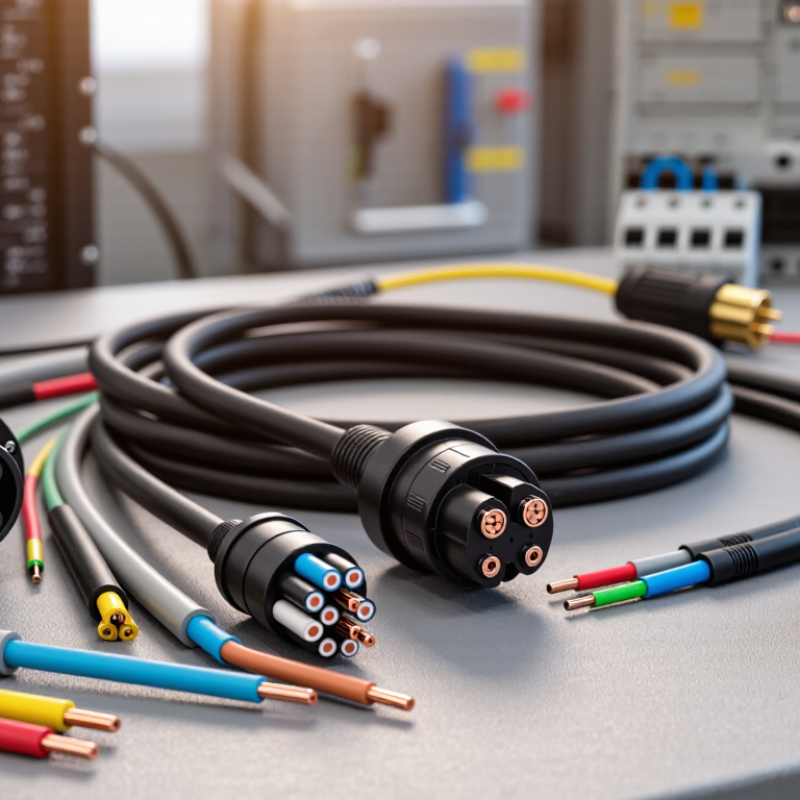
Choosing the best Power Cable Type in 2026 depends less on a headline feature than on where and how the cable will be used. Voltage, current, cable length, installation method, and surrounding temperature all affect a suitable choice. A compact indoor appliance may need a flexible cord, while a workshop machine or outdoor installation may require tougher insulation and a jacket designed for its environment. Small details matter.

A useful comparison looks at conductor material, wire size, insulation, flexibility, and connector compatibility. Copper is commonly selected for its conductivity and flexibility; aluminum may suit some larger installations when the equipment and specifications allow it. Always check the cable manufacturer’s ratings and the device requirements, rather than choosing by appearance or price alone. For fixed wiring or uncertain loads, consult a qualified electrician and follow applicable local standards.

In 2026, newer products may offer improved materials or clearer performance data, but “new” does not automatically mean “best.” There is no perfect choice. That sounds simple, yet it is easy to overlook when shopping. A cable that works well beside a desk may be unsuitable near heat, moisture, moving equipment, or a long run that causes voltage drop. This guide compares common cable types and explains what to check before buying. One point deserves careful thought: real installations can differ from examples, so verify the conditions on site.

What Is the Best Power Cable Type in 2026?

What a Power Cable Is and How It Delivers Electricity

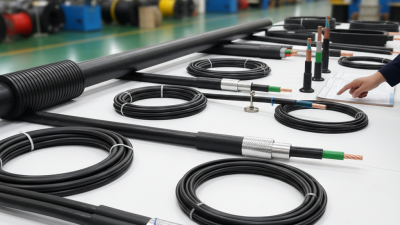
A power cable carries electrical energy from a source to equipment through conductive metal, usually copper or aluminum. Its insulated conductors keep current on a controlled path, while the outer sheath helps resist abrasion, moisture, and other conditions. At the plug, current flows through the cable’s conductors to a device; the circuit returns through a second conductor. Simple, but not trivial.

Cable performance depends on conductor size, material, insulation, length, and load. A thin or overly long cable can create greater resistance, voltage drop, and heat. The U.S. Energy Information Administration reports that transmission and distribution losses averaged about 5% of electricity transmitted in the United States from 2018 to 2022. That figure covers the wider grid, not an individual household cable, but it illustrates why efficient delivery matters. IEC 60228 also defines conductor classes and cross-sectional areas used in cable specifications. I still check the actual load and installation conditions; a printed rating alone does not tell the whole story.

Tips: Match the cable’s rated current and voltage to the equipment. Check its length, environment, and connector condition. Warm plugs deserve attention. Never ignore damaged insulation. A little caution helps; it does not replace qualified advice for fixed wiring.

How Conductors, Insulation, and Cable Design Affect Performance

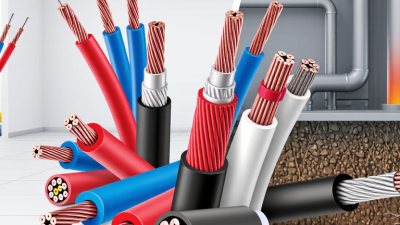
The best power cable in 2026 is not one universal design; it depends on the load, distance, and surroundings. Conductor material and cross-sectional area affect resistance, heat, and voltage drop. Copper conducts efficiently and bends readily, while aluminum can reduce weight but requires correctly rated terminations. A sturdy-looking cable may still be undersized. Check rated current.

Insulation protects conductors from heat, moisture, abrasion, and accidental contact. PVC is suitable for many ordinary indoor applications, while rubber or cross-linked insulation may suit cables exposed to movement or higher temperatures. Ratings matter more than material names alone. A warm attic, damp exterior wall, or tightly packed conduit can change which cable is appropriate. Even careful planning can miss a route’s small but important details.

Cable design matters, too. Shielding can help reduce electrical interference, while flexible stranding suits equipment that moves. Extra layers, however, can increase cable diameter and make routing harder. Bend radius is easy to overlook; forcing a cable around a tight corner may damage its insulation. Match the cable to its actual use, and verify current, voltage, and temperature ratings before installation.

Which Power Cable Types Suit Different Applications

What Is the Best Power Cable Type in 2026?

The best power cable depends on where it will run and what it must withstand. For fixed indoor wiring, copper conductors with PVC insulation are common, provided their rating matches the circuit and installation conditions. Flexible rubber-insulated cables suit portable tools and equipment that move across a workshop floor. They handle repeated bending better than many rigid cable options.

For outdoor or buried runs, choose a cable specifically rated for moisture, soil contact, and expected temperatures. XLPE-insulated cables are often used in demanding fixed installations. Where impact or crushing is a concern, an armored cable can add mechanical protection. It is not automatically the safest choice everywhere; extra weight and installation constraints matter. A cable that looks suitable may still be undersized for the load or too warm for a tightly packed conduit.

Tips: Check the load, cable length, environment, and installation method before selecting a type. Read the cable markings, and follow local electrical requirements. When in doubt, ask a qualified electrician to verify the choice. Small details matter. A damp shed, a hot ceiling void, or frequent movement can change the right answer.

How Safety Standards and Operating Conditions Shape Cable Choice

What Is the Best Power Cable Type in 2026?

How Safety Standards and Operating Conditions Shape Cable Choice

There is no single best power cable for every installation. The right choice depends on voltage, load, installation method, and exposure to heat, moisture, sunlight, or movement. IEC 60502 covers specific extruded-insulation power cables, while IEC 60332 tests flame spread under defined conditions. These standards answer different questions. A flame test does not establish a cable’s suitability for every environment.

Safety data makes careful selection more than paperwork. The National Fire Protection Association’s Home Electrical Fires report estimates an average of 46,700 U.S. home structure fires per year involving electrical failure or malfunction from 2015 to 2019. That figure covers many electrical causes, not cables alone. Still, it underlines why correct sizing, sound connections, and installation practices matter. Small details count.

In practice, check the cable’s rated voltage and temperature against the equipment and site conditions. A cable routed outdoors may need protection from ultraviolet exposure; one in a moving machine may need a flexible conductor and suitable mechanical protection. Also verify current capacity, voltage drop, and local code requirements. Standards help narrow the options, but they cannot replace a site assessment. I would not choose by price or label alone; real operating conditions are easy to underestimate.

How to Choose the Best Power Cable Type in 2026

Choosing the best power cable in 2026 starts with the load and installation, not the cable’s name. Check operating voltage, current, run length, and expected temperature. A long run may need a larger conductor to control voltage drop and heating. The U.S. Energy Information Administration estimated average transmission and distribution losses at about 5% of electricity during 2018–2022. That figure covers the wider grid, not one cable, but it underlines why sound sizing matters.

Match the conductor and insulation to the job. IEC 60228 classifies conductors by construction: solid, stranded, and flexible classes suit different installation needs. Copper is often chosen where space or flexibility matters; aluminum can reduce conductor weight, but terminations need careful specification. PVC insulation may suit ordinary indoor conditions, while XLPE is used where higher thermal performance is required. Check the cable’s rated temperature, moisture exposure, sunlight, and risk of physical damage.

Then verify ampacity after installation conditions are considered. Bundled cables, hot spaces, and conduit can reduce current-carrying capacity. Outdoor or exposed runs may need extra mechanical protection. A cable’s printed rating is not the whole answer. One detail is easy to miss: the connector and installation method must also match the conductor. I still double-check the full route, because the neatest cable choice on paper can be wrong in a warm, crowded enclosure.

What Is the Best Power Cable Type in 2026?

How to choose: match the cable insulation to the installation environment, electrical load, and applicable code.

Typical continuous conductor temperature rating: PVC thermoplastic cable is commonly rated at 70°C, while XLPE and EPR cable are commonly rated at 90°C under applicable IEC cable standards. A higher temperature rating does not automatically mean a cable is the best choice or permit a higher circuit load; conductor size, installation conditions, terminals, product marking, and local code all matter. Check the cable’s specifications and consult a qualified electrician.