What is Power Cable Type and How to Choose the Right One?
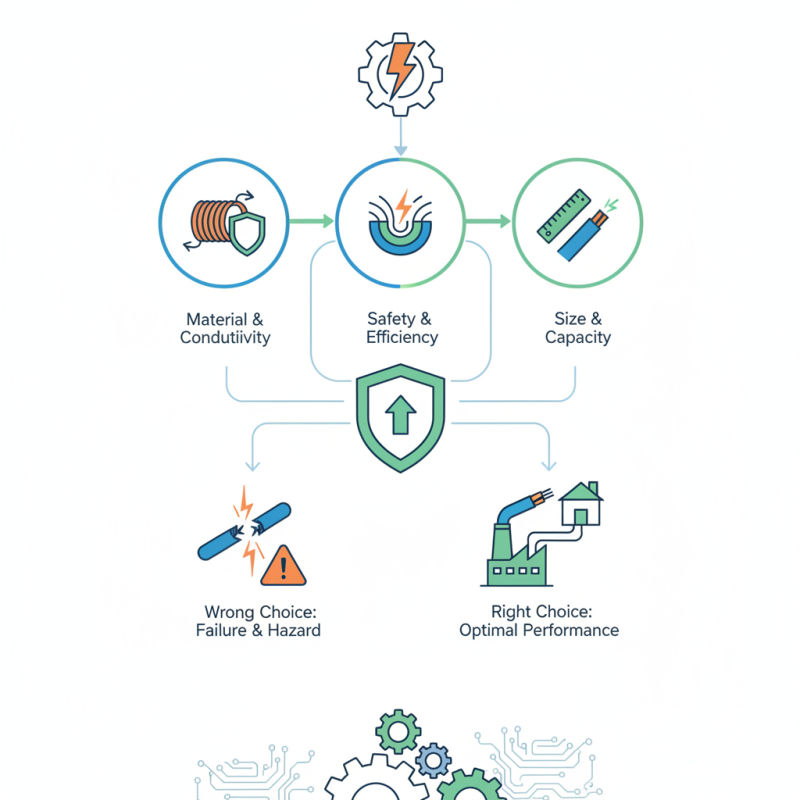
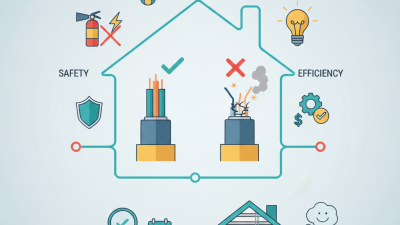
Selecting the right power cable type isn't just a technical choice; it affects safety and efficiency. Industry expert, John Smith, emphasizes, "Choosing the wrong cable can lead to failures and hazards." Understanding various power cable types helps prevent costly mistakes.
Power cables come in many types. Each type serves a specific purpose. Copper and aluminum are common materials used. They influence conductivity and durability. Power cable types can vary by insulation, shielding, and size. Each factor impacts performance significantly.
Many people overlook these details. Inadequate knowledge leads to poor choices. Reflecting on these aspects ensures a safer environment. It is vital to consider these factors when selecting a power cable type for any project. The right choice can make a significant difference.
What Are Power Cable Types and Their Applications in Industry?
Power cables are essential in various industrial applications, and understanding their types is crucial. According to a market report by Mordor Intelligence, the global power cable market was valued at over $160 billion in 2021 and is projected to grow significantly. This surge highlights the demand for efficient power transmission and distribution solutions across sectors such as manufacturing, renewable energy, and construction.
Different power cable types serve specific purposes. For instance, low-voltage cables are commonly used in industrial facilities for machinery power supply and lighting systems. Medium-voltage cables are often employed in substations and large-scale facilities. High-voltage cables, like those used in transmission lines, are vital for long-distance power transfer. Each type must be chosen based on environmental factors, including temperature and potential exposure to chemicals. Misjudging these factors can lead to premature failures and costly repairs.
Understanding the applications of various cables can prevent issues. For example, using a low-voltage cable in high-voltage situations may lead to serious hazards. The National Electrical Code (NEC) emphasizes adherence to safety standards, yet improper installations occur frequently. This underscores the importance of not only selecting the right type but also ensuring proper installation and maintenance. Complex as it is, the decision-making process around power cable selection requires careful consideration and expertise.
Power Cable Types and Their Applications in Industry
Understanding Insulation Materials in Power Cable Selection
When selecting power cables, insulation material plays a critical role. The insulation acts as a protective barrier, preventing electrical leakage and ensuring safety. Common materials include PVC, XLPE, and rubber. Each has its strengths and weaknesses. According to a report by the International Electrotechnical Commission (IEC), PVC is widely used due to its flexibility and cost-effectiveness. However, it may not perform well in extreme temperatures.
XLPE, or cross-linked polyethylene, offers better thermal resistance. It can withstand higher temperatures and has superior electrical properties. This makes it a suitable choice for industrial applications. On the other hand, rubber insulation provides excellent strain relief and is highly flexible. But it can be more expensive and less durable in harsh environments.
Choosing the right insulation requires careful consideration of the application. Factors such as temperature, environment, and electrical load should guide the decision. A report from the Institute of Electrical and Electronics Engineers (IEEE) highlights that improper insulation can lead to failures and safety hazards. It’s crucial to assess each option critically. Sometimes, a higher cost upfront can save money long-term by preventing future issues. The right insulation can enhance performance and reliability.
Key Factors to Consider When Choosing Power Cables
When selecting power cables, several key factors come into play. Understanding your requirements is essential. The type of application determines cable selection. Different machines or environments may need specific cables. For example, industrial settings often require rugged cables. These cables must withstand harsh conditions.
Safety ratings are vital. Check for standards that cables meet. These standards ensure reliability and prevent hazards. Aim for cables that have certifications suitable for your region. This can save you from potential issues down the line.
Tip: Always consider installation conditions. Will cables be exposed to moisture or heat? Ensure the cable can handle the environment.
Another factor is the cable’s gauge. A thick cable can carry more current. However, it may also be less flexible. Balancing flexibility and capacity is a challenge. Assess your space and installation method before making a choice.
Tip: Don’t rush the decision. Take time to compare options. The right cable can enhance performance and safety. Missteps can lead to failures or safety hazards.
Common Industry Standards and Ratings for Power Cables
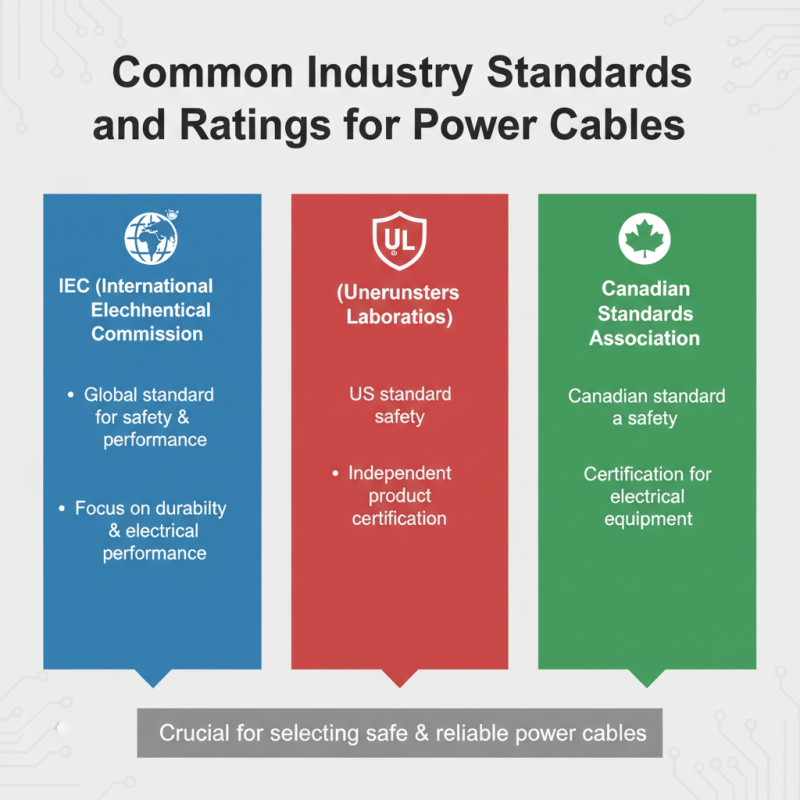
When selecting power cables, understanding industry standards and ratings is crucial. The most common standards include IEC, UL, and CSA, which govern the safety and performance of these cables globally. Each standard has specific tests and certifications to ensure cables can handle their intended loads and operating conditions. For example, IEC standards often focus on durability and electrical performance.
Cables come with ratings that reflect their electrical capacity. Voltage ratings indicate the maximum voltage a cable can safely handle. Amperage ratings specify the maximum current the cable can carry without overheating. Misunderstanding these ratings can lead to severe consequences. Using a cable with inadequate ratings may result in failures or hazards.
While there are many guidelines, not all scenarios are identical. Factors like environmental conditions and installation methods can affect performance. It’s essential to assess your specific needs. This requires a blend of knowledge and experience. Consulting with professionals can help in making the right choices, ensuring safety and efficiency in your electrical installations.
The Impact of Voltage and Current Rating on Power Cable Choice
When selecting a power cable, voltage and current ratings are crucial. Voltage rating indicates the maximum voltage a cable can handle. If the selected cable exceeds this rating, it can lead to insulation failure. This might result in short circuits or even fires in severe cases. Thus, understanding the voltage requirements of your application is imperative.
Current rating, on the other hand, determines how much electrical current a cable can carry safely. Overloading a cable beyond its current rating can cause it to overheat. This is a significant risk, especially in high-demand scenarios. Each installation environment has unique conditions that influence these ratings. Ambient temperature, cable length, and bundling all affect performance.
However, it’s important to realize that choosing based on these ratings alone isn’t enough. Conductors, insulation type, and the intended use matter greatly. Sometimes, a cable might seem suitable on paper but fails in practical tests. Evaluating multiple factors ensures a reliable and safe choice. Understanding both voltage and current ratings provides a solid foundation for selecting the right power cable.