Why Choosing the Right Power Cable Type Matters for Your Needs?
In the modern electrical landscape, choosing the right Power Cable Type is crucial for efficiency and safety. According to the International Electrotechnical Commission, the global market for power cables is projected to reach $215 billion by 2025. This growth underscores the increasing importance of selecting appropriate power cables for various applications. Industry expert Dr. Emily Chen highlights, “The right power cable can enhance system performance and extend the lifespan of electrical installations.”
With advancements in technology, the variety of Power Cable Types available can be overwhelming. From low-voltage to high-voltage cables, each type serves a specific purpose. Using an incompatible cable can lead to inefficiencies, increased energy costs, and even safety hazards. A report by the Energy Information Administration states that improper cable selection contributes to up to 30% of electrical failures in industrial settings.
It is essential to evaluate your specific needs carefully. Consider factors such as load capacity, environmental conditions, and installation methods. Yet, many still overlook the significance of these factors. Investing in the right Power Cable Type could prevent costly repairs and downtime. It’s a decision that requires careful thought and a willingness to learn.
Understanding the Different Types of Power Cables and Their Applications
Choosing the right power cable type is crucial for many applications. These cables come in various designs, each tailored for specific tasks. Understanding these types helps in making informed decisions.
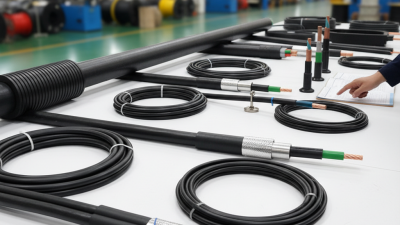
For residential use, standard power cables are sufficient. These often have three wires: live, neutral, and ground. On the other hand, industrial environments might require heavy-duty cables. These are thicker and can handle higher loads. They often come with additional insulation to protect against harsh conditions.
Another important type is the specialty cable. These are designed for specific equipment like solar panels or electrical vehicles. Their construction allows them to withstand environmental factors that standard cables cannot. It’s essential to consider compatibility with your devices and safety standards. Using the wrong type can lead to efficiency loss or hazardous situations. Each cable serves a unique purpose; choosing wisely reflects an understanding of your needs.
Key Factors Influencing Power Cable Selection for Specific Uses
Selecting the right power cable type is crucial for safety and efficiency. Different applications require specific features, affecting performance directly. For instance, industrial environments often demand cables that can withstand high temperatures and humidity levels. On the other hand, residential applications may prioritize flexibility and ease of installation. This difference highlights the necessity of understanding your specific needs.
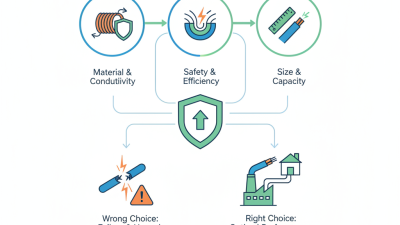
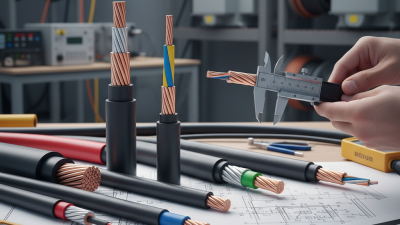
Material also plays a significant role in power cable selection. Copper offers excellent conductivity, while aluminum is lighter and more cost-effective. However, aluminum cables can have higher resistance. This may lead to overheating if not properly sized. Additionally, gauge size impacts current-carrying capacity. Choosing the wrong gauge can result in energy loss and potential hazards.
Environmental factors are equally important. Is the cable going indoors or outdoors? Outdoor cables must resist UV radiation and moisture. Indoor cables should meet fire safety standards. If these aspects are overlooked, the cable's longevity and safety could be compromised. Reflecting on these details can guide you toward better decision-making in power cable selection.
Impact of Cable Specifications on Energy Efficiency and Safety Ratings
Choosing the right power cable type is crucial for energy efficiency and safety.
Cable specifications directly influence how effectively electricity flows and how safely devices operate.
A good cable not only reduces energy loss but also minimizes potential hazards.
Consider the material and gauge of the cable; copper is often more efficient than aluminum.
Tips: Always match the cable to your device's needs.
Remember, a thicker cable usually supports more current, reducing overheating risks.
Improper cable choice can lead to serious issues.
Inferior cables may not have adequate insulation, leading to electrical fires.
Always check safety ratings and certifications.
Regularly inspect cables for frays or damage.
Doing so can prevent unexpected failures or accidents.
Tips:
Replace worn cables immediately. They may seem fine at a glance, but hidden damage can be perilous.
Prioritize quality over cost. Your safety and energy efficiency depend on it.
Market Trends: The Growing Demand for Specialized Power Cables
The demand for specialized power cables is rapidly increasing. Industries are shifting towards customized solutions for their unique energy needs. These cables often offer improved efficiency and safety. This trend reflects a broader movement toward specialized products. As technology evolves, the requirements for power cables become more complex.
Consider the various sectors utilizing specialized cables. Manufacturing plants need durable cables that withstand harsh conditions. Renewable energy projects require cables optimized for efficiency and longevity. There is a noticeable gap in the market for specific applications. This gap presents an opportunity for innovation and development.
However, with this growth comes challenges. Not all manufacturers meet the same standards. Some products lack proper testing and certification. Buyers must be vigilant when selecting cables. Understanding specifications is key. Reliable sources provide necessary information to aid decision-making. Choosing the right power cable type is not merely a technical decision. It is a crucial factor that impacts overall performance. Reflecting on these aspects is essential for successful outcomes.
Comparative Analysis of Cost vs. Performance in Power Cable Choices
Choosing the appropriate power cable can affect the performance of electrical systems. Different cable types serve unique functions. It’s crucial to analyze
cost and performance when making your selection.
Cost considerations are not just about the initial purchase. A cheaper cable might lead to higher energy losses over time. This increases your overall expenditure.
Performance is equally important. Higher-quality cables resist wear and ensure reliable connectivity. They may save you from costly repairs and downtime.
Tips: Always check the cable's material. Copper wires offer better conductivity than aluminum. Keep cable length in mind; longer cables can reduce efficiency. Research local regulations, as they might dictate specific cable types for safety.
Selecting the right power cable is a balancing act. Performance and cost must be weighed carefully. Too often, individuals opt for the cheapest option without considering long-term effects. This can lead to regrets. Making informed choices ensures safety and efficiency in your electrical setup.