2026 How to Choose the Right Lv Cable for Your Electrical Projects?
When embarking on an electrical project, choosing the right Lv Cable is crucial. Renowned industry expert, John Smith, emphasizes, “Selecting the right cables can make or break your project.” Lv Cables serve a vital role in ensuring safety and efficiency. With various options available, it's easy to feel overwhelmed.
Different projects require different specifications. Not every Lv Cable is suitable for every application. Factors like voltage, insulation type, and environmental conditions play a significant role. The wrong choice can lead to issues, such as overheating or electrical failures. This demands a thoughtful approach.
Moreover, it's essential to stay updated with industry standards. Testing and certifications can provide some clarity. However, even experienced electricians sometimes overlook these details. Reflecting on past projects can reveal mistakes in cable choices. The right Lv Cable not only enhances performance but also ensures long-term reliability. Make informed decisions for successful electrical solutions.
Types of LV Cables and Their Applications in Electrical Projects
When selecting low voltage (LV) cables for electrical projects, understanding their types is crucial. LV cables are typically classified into several categories, each tailored for specific applications. For instance, the PVC insulated cables are popular for their flexibility and cost-effectiveness. They are common in residential wiring and light commercial applications. However, they may not withstand extreme temperatures and harsh environments, which could limit their use.
Another type often utilized is the XLPE insulated cable. These cables are known for their high durability and temperature resistance. They are ideal for industrial settings and outdoor applications. An important consideration is their installation method. Direct burying requires cables with robust outer sheaths to protect against soil moisture and physical damage. Despite their advantages, some users find them harder to handle due to their rigidity.
Additionally, some projects may benefit from using armoured cables. These cables have an extra protective layer, making them suitable for areas susceptible to mechanical stress. However, they can be more expensive and require special tools for installation. It’s essential to think critically about your project needs, area specifics, and available budget when choosing the right LV cable.
Factors to Consider When Selecting LV Cables for Specific Needs
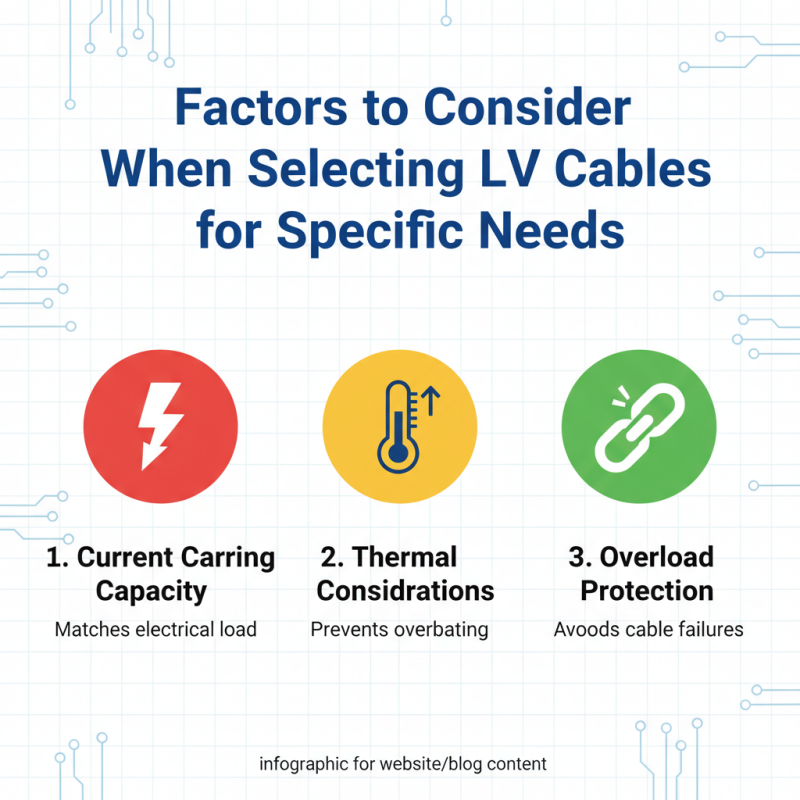
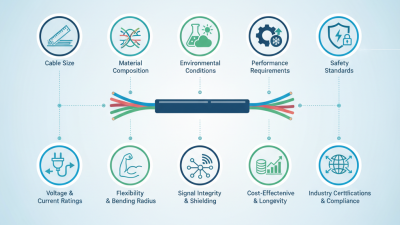
When selecting low voltage (LV) cables for electrical projects, several key factors must be considered. The cable’s current carrying capacity is paramount. This capacity dictates how much current the cable can handle without overheating. Ensure you know the electrical load of your application. Overloading a cable can lead to failures.
Another consideration is the installation environment. Cables must be suitable for their surroundings. For example, outdoors, cables need to withstand UV rays and moisture. Indoor installations might require fire-resistant properties. Each setting imposes unique requirements on cable selection. Conducting thorough research on environmental impacts is essential.
Additionally, think about the cable’s insulation. Different materials offer varying degrees of safety and durability. For instance, PVC is common but less heat resistant. On the other hand, cross-linked polyethylene may be more appropriate for high-temperature applications. Remember, not all cables are created equal. Carefully weigh the pros and cons of each option as you make your decision.
Understanding Electrical Ratings and Specifications for LV Cables
When selecting the right low voltage (LV) cable, understanding electrical ratings and specifications is crucial. These parameters dictate the cable's ability to handle voltage, current, and environmental factors. Key specifications include ampacity, insulation type, and voltage rating. Ampacity refers to the maximum current a cable can carry without overheating. It's vital to ensure that the selected cable meets the required ampacity for your specific application.
Tip: Always assess the load requirements of your project before choosing a cable. Knowing your maximum current will guide you in selecting the appropriate ampacity.
Another critical aspect is the insulation type. Different materials, such as PVC or XLPE, offer varying levels of resistance to heat, moisture, and chemicals. Your project environment may dictate which insulation is most suitable. For instance, if cables run outdoors, consider those with better UV and water resistance.
Tip: Check your local regulations as they might stipulate certain insulation standards. This can save you from costly mistakes later.
Voltage rating indicates the maximum voltage a cable can safely handle. It’s important to choose a cable that exceeds your system's voltage for safety and performance. Selecting an undervalued cable can lead to failure and hazards.
Be wary of these details during your selection. Mistakes can happen if you overlook even a small specification. Regularly review your choices to ensure compliance and optimal performance in your electrical projects.
Installation Guidelines and Best Practices for LV Cables
When selecting low voltage (LV) cables, understanding installation guidelines is crucial. Proper installation affects safety and performance. Always ensure that the cable is suitable for the intended application. Factors include the environment and load requirements. For instance, a wet location demands different cable properties than a dry area.
Cable routing is also vital. Avoid sharp bends and keep away from heat sources. Supporting the cables properly can prevent damage and tension. Use appropriate clips and ties to maintain order.
Testing the installation is often overlooked. Conduct continuity and insulation resistance tests to ensure everything functions correctly. Document any unique challenges faced during installation. Reflecting on these challenges can improve future projects. These practices lead to safer, more reliable installations.
Common Mistakes to Avoid When Choosing LV Cables for Projects
Choosing the right low voltage (LV) cable is crucial for any electrical project. However, many people make
common mistakes that can lead to inefficiencies or safety issues. One frequent error occurs when individuals underestimate the required current rating.
It’s vital to match the cable's capacity with the load. If you guess, you may select a cable that cannot handle the power, risking overheating and potential fire hazards.
Another mistake is ignoring environmental factors. Cables must be suitable for the specific installation environment.
Using cables intended for dry areas in damp conditions may cause failures over time. Additionally, not considering the cable length can lead to voltage drops.
This often occurs when cables run over long distances without proper sizing. The result? Equipment may not function efficiently or at all.
Lastly, many overlook the importance of insulation type. Each insulation type serves different temperature and moisture environments.
Choosing the wrong one could compromise performance. Reflection on past projects reveals that a simple oversight can lead to costly rework.
Therefore, comprehensive research and proper planning are essential in avoiding these pitfalls. Ensuring adequate cable selection not only enhances safety but also improves overall project success.