Leave Your Message

Why Choose LV Cable for Global Electrical Projects?

Why Choose Lv Cable for Global Electrical Projects? The answer begins with practical performance, not marketing promises. In factories, airports, data centers, and renewable energy sites, low-voltage cables carry power through demanding environments. They may run beneath concrete floors, inside crowded cable trays, or across hot industrial rooms. A well-selected Lv Cable can support stable transmission, easier installation, and long-term system reliability.

Project engineers usually assess conductor material, insulation type, voltage rating, temperature limits, bending radius, and fire behavior. These details affect safety and maintenance costs. Copper conductors often provide strong conductivity and dependable connections, while aluminum can reduce weight and material expenses when correctly specified. Installation teams also examine route length, mechanical protection, moisture exposure, and local inspection requirements. One overlooked detail can create serious delays.

Global work requires more than choosing a familiar product. Cable specifications should match recognized technical standards and the destination country’s electrical rules. Independent testing, traceable manufacturing, and clear technical documents strengthen confidence. Experienced suppliers can provide test reports, installation guidance, and consistent batch quality. Still, no cable is perfect for every project. A design that works in a dry warehouse may fail in a coastal site without suitable protection. That limitation deserves honest attention. Lv Cable becomes a practical global choice when engineers verify the application, compare lifecycle value, and coordinate closely with qualified installers. The decision should remain evidence-based, not assumption-based.

Why Choose LV Cable for Global Electrical Projects?

What Is LV Cable and Where Is It Used?

What Is LV Cable and Where Is It Used?

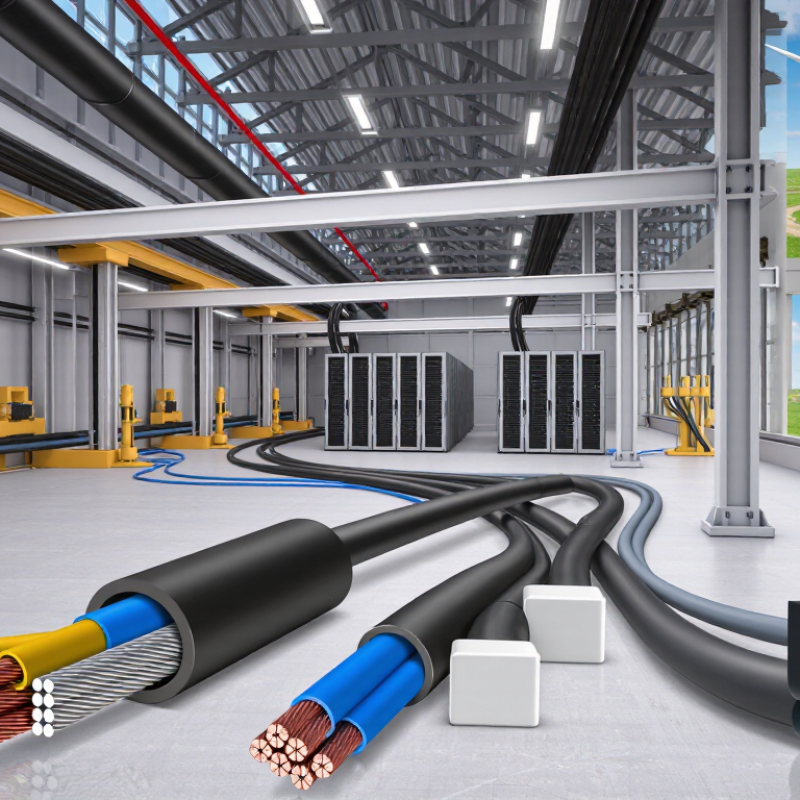
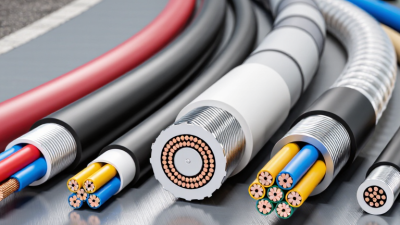
LV cable means low-voltage cable, commonly designed for systems up to 1,000 volts AC. It carries power safely between switchboards, equipment, lighting circuits, and control panels. Typical construction includes a copper or aluminium conductor, insulation, a protective sheath, and sometimes armour. Each layer has a practical role.

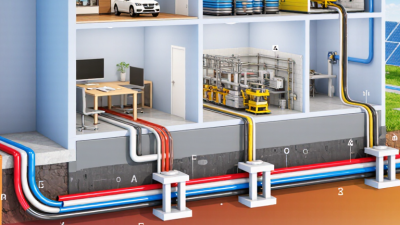
LV cables are used in homes, offices, factories, transport facilities, solar installations, and public infrastructure. On a construction site, electricians may route them through trays, conduits, walls, or underground ducts. Industrial sites often need cables with stronger mechanical protection and better resistance to oil, moisture, heat, or sunlight. Indoor building projects may focus more on low smoke and flame-retardant performance. The correct choice depends on voltage, current, installation method, ambient temperature, and local electrical rules.

Tips: Check the conductor size before ordering. Confirm the required insulation rating and fire performance. Review test certificates and installation instructions. IEC 60502-1 may provide useful reference criteria, but local codes still matter. Do not assume one cable suits every country or climate. Details matter.

In global projects, engineers should also consider voltage drop, short-circuit capacity, bending radius, and future load growth. A cable can pass an initial inspection yet perform poorly when installed tightly or exposed to unexpected heat. I have seen specifications overlook routing conditions. That mistake is easy to make. Careful site verification and qualified testing make the final system more dependable.

How LV Cable Supports Global Electrical Infrastructure

Why Choose LV Cable for Global Electrical Projects?

How LV Cable Supports Global Electrical Infrastructure

Low-voltage (LV) cable connects transformers, buildings, machines, and renewable-energy equipment. It commonly serves systems below 1,000 volts AC, under IEC 60038 classifications. The International Energy Agency reported that global electricity demand would grow by about 4% annually from 2024 to 2026. This expansion increases the need for dependable final distribution.

LV cable supports hospitals, data centers, factories, housing, and transport facilities. Properly selected conductors reduce voltage drop across long routes. They also manage heat, mechanical stress, moisture, and installation constraints. The IEA’s Renewables 2024 report expects renewable capacity to expand by more than 5,500 gigawatts by 2030. Solar and storage projects therefore require flexible, clearly identified cable systems. However, a correct cable schedule can still fail in a hot cable tray. That detail is easy to underestimate.

Tips: Check current capacity, voltage drop, short-circuit withstand, bending radius, and local installation codes. Confirm testing records before energization. Keep routes separated from communication cables where interference matters. In project reviews, engineers should also examine future load growth. A cable sized only for today may become tomorrow’s bottleneck. The uncomfortable part is this: cheaper selection is not always lower cost. Teams can miss hidden losses, difficult repairs, or poor access during maintenance.

Why Choose LV Cable for Global Electrical Projects? - How LV Cable Supports Global Electrical Infrastructure

Infrastructure Dimension How LV Cable Supports Projects Typical Technical Data Global Project Value
Voltage Classification Designed for low-voltage distribution, final circuits, control systems, and building services. Common rated-voltage designations include 300/500 V, 450/750 V, and 0.6/1 kV, depending on cable type and applicable standard. Provides a practical connection between distribution equipment and end-use loads.
Power Distribution Carries electrical power from transformers, switchboards, distribution boards, and local panels to equipment. Available in single-core, multicore, and multi-conductor constructions with conductor sizes selected according to current and installation conditions. Supports residential, commercial, industrial, transport, utility, and renewable-energy installations.
Conductor Material Uses electrical conductors selected for conductivity, mechanical performance, installation method, and project cost. Copper offers high conductivity and compact designs; aluminium offers lower mass and can be advantageous for larger cross-sections. Allows engineers to balance voltage drop, cable weight, space, handling, and total installation cost.
Insulation Systems Protects conductors from short circuits, leakage currents, moisture, and contact with surrounding materials. Common insulation materials include PVC, XLPE, and elastomeric compounds; temperature ratings depend on the specific construction. Enables cable selection for indoor, outdoor, wet, elevated-temperature, and demanding industrial environments.
Fire and Smoke Performance Cable constructions can be specified to limit flame spread, smoke generation, and corrosive gas emissions where required. Options may include flame-retardant, low-smoke, and halogen-free designs, subject to the relevant test classification. Improves life-safety planning in buildings, tunnels, stations, data facilities, and other occupied infrastructure.
Installation Flexibility Can be installed in conduits, cable trays, ducts, shafts, equipment cabinets, underground routes, and direct-burial systems when permitted. Available with flexible or rigid conductor constructions, protective sheaths, armour, and weather-resistant outer layers. Helps adapt electrical layouts to different site conditions, construction methods, and maintenance requirements.
Environmental Resistance Cable designs can address exposure to water, ultraviolet radiation, oil, chemicals, abrasion, and mechanical impact. Performance depends on sheath material, armour, installation location, temperature, and the selected environmental rating. Supports reliable operation across varied climates and infrastructure environments.
Standards and Compliance Cable specifications can be aligned with the electrical codes and product standards required by the project location. Common reference frameworks include IEC, EN, BS, UL, and national wiring regulations, depending on the market and application. Simplifies technical approval, inspection, documentation, and cross-border project coordination.
Energy Efficiency Correct conductor sizing reduces resistive losses and helps maintain an acceptable voltage at the connected load. Design checks normally consider current-carrying capacity, voltage drop, grouping, ambient temperature, and installation method. Contributes to lower operating losses and more stable performance over the service life of the system.
Renewable-Energy Integration Connects photovoltaic arrays, battery systems, inverters, auxiliary equipment, and low-voltage distribution panels. Selection may require UV resistance, outdoor durability, flexible construction, and compatibility with DC or AC circuits. Supports the expansion of distributed generation and energy-storage infrastructure.
Maintenance and Service Life Properly selected and installed cable reduces the likelihood of overheating, insulation damage, and unplanned circuit interruption. Service life depends on loading, thermal conditions, mechanical stress, moisture, chemical exposure, installation quality, and inspection practices. Improves system availability and helps control lifecycle maintenance costs.
Project Planning Standardized cable schedules can coordinate circuit identification, drum lengths, routing, termination, testing, and commissioning. Key design inputs include load current, fault level, route length, voltage drop, ambient conditions, installation method, and local code requirements. Provides a clear and scalable basis for international engineering, procurement, construction, and future expansion.

Note: Actual cable selection must be verified against the applicable national regulations, product standards, installation method, calculated load, fault conditions, and environmental requirements.

Which Safety and Performance Features Matter Most?

Why Choose LV Cable for Global Electrical Projects?

Which Safety and Performance Features Matter Most?

Low-voltage cable must handle real conditions, not only laboratory tests. In field inspections, insulation damage often begins at sharp bends, crowded trays, or overheated terminals. A suitable cable should have the correct voltage rating, conductor size, and current-carrying capacity. Copper or aluminum conductors need reliable resistance values and consistent stranding. These details affect heating and voltage drop.

Insulation and sheath materials deserve close attention. XLPE insulation can support higher operating temperatures, while PVC may suit many standard installations. Flame-retardant, low-smoke, and halogen-free options can reduce toxic emissions during a fire. They matter greatly in tunnels, hospitals, transport buildings, and crowded facilities. Water resistance is also important for outdoor routes. Small sealing mistakes can defeat good cable design.

Short-circuit performance is often overlooked. The cable must withstand fault current for the protection device’s clearing time. Bending radius, pulling tension, and impact resistance should match the installation method. Factory testing, batch traceability, and compliance with applicable IEC standards provide useful evidence, but they are not perfect guarantees. Local codes may differ. Installation quality still decides much of the final result. A cable can pass every test and fail after careless termination. That uncomfortable fact deserves more attention.

Why Choose LV Cable for Global Electrical Projects?

Insulation temperature ratings are key indicators of cable safety and performance. Under IEC 60502-1 reference limits, XLPE/EPR insulation supports higher continuous and short-circuit conductor temperatures than PVC insulation. Actual current-carrying capacity also depends on installation method, ambient temperature, grouping, and voltage drop.

Reference values: PVC insulation — 70°C continuous and 160°C short-circuit; XLPE/EPR insulation — 90°C continuous and 250°C short-circuit. Short-circuit ratings generally apply for fault durations up to 5 seconds.

How Standards and Local Regulations Shape Cable Selection

Why Choose LV Cable for Global Electrical Projects?

How Standards and Local Regulations Shape Cable Selection

Low-voltage cable suits many commercial, industrial, and infrastructure projects. Its selection, however, cannot rely on voltage alone. On international sites, engineers compare conductor size, insulation, fire behavior, and installation conditions. A cable rated for 1,000 volts may still fail a local approval review. That assumption can be costly.

International standards provide a technical foundation. IEC 60502-1 covers many power cables with extruded insulation. IEC 60332 addresses flame propagation, while IEC 60754 examines halogen acid gas emissions. IEC 61034 considers smoke density. These tests answer different safety questions. They should not be treated as interchangeable certificates. In the European market, construction projects may also require CPR performance classification. The United States often follows NEC installation rules and recognized product requirements. Other regions may adopt modified national standards.

Local conditions matter just as much. A humid coastal site may need stronger moisture resistance. Underground routes may require mechanical protection and different sheath testing. Crowded evacuation areas can demand low-smoke, reduced-halogen materials. Project teams should verify marking, test reports, conductor dimensions, and approval documents before shipment. Site experience shows that small differences in cable diameter can affect glands and bending space. It is easy to overlook this detail. I have seen specifications look complete, yet omit local fire classifications or termination limits. Careful coordination with the authority having jurisdiction remains essential.

How to Evaluate LV Cable Quality, Cost, and Sustainability

For global electrical projects, LV cable quality should be judged beyond its purchase price. On site, verify conductor resistance, cross-sectional area, insulation thickness, and batch traceability. IEC 60228 defines conductor classes and resistance limits. IEC 60332 tests flame propagation under fire conditions. These details affect voltage drop, heat buildup, and maintenance risk. Resistance matters.

Cost evaluation needs a total-life view. A cheaper cable may require larger trays, more joints, or earlier replacement. The International Energy Agency’s 2023 grid report estimates that over 80 million kilometres of grids must be added or refurbished by 2040. It also indicates annual grid investment may need to approach 600 billion dollars by 2030. Small efficiency losses can become expensive across long feeders and continuous loads. Numbers can mislead.

Sustainability requires evidence, not attractive claims. Request material declarations, recycled-content data, production energy information, and responsible end-of-life plans. The International Copper Study Group reports that secondary copper supplies roughly one-sixth of global refined copper production in recent years. That supports recycling, but recycled content alone does not prove a lower footprint. Manufacturing energy, insulation materials, transport distance, and service life still matter. In my view, project teams sometimes overvalue compliance certificates and undervalue installation records. That is an imperfect judgment, but field conditions often expose gaps that laboratory documents cannot. A practical evaluation should compare tested performance, installed cost, lifecycle emissions, and supplier transparency.