What Is LV Cable and How to Choose It?
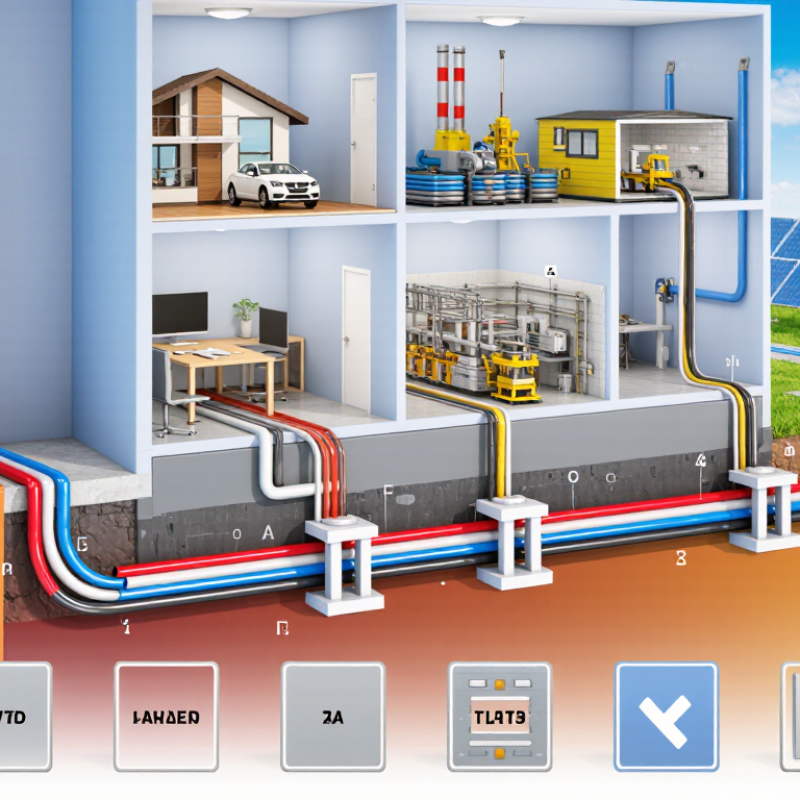
Lv Cable is the quiet infrastructure behind homes, factories, offices, and renewable energy systems. It carries electricity safely across the final distribution section. Yet choosing the right cable involves more than checking conductor size. Voltage rating, current capacity, insulation, temperature, installation method, and mechanical protection all matter.
Industry reports show why this topic deserves careful attention. The International Energy Agency reported in Electricity Grids and Secure Energy Transitions that more than 80 million kilometres of power grids must be added or refurbished globally by 2040. Much of this work will affect low-voltage distribution networks. IRENA also recorded 473 GW of new renewable power capacity in 2023. These installations increase demand for dependable connections between inverters, switchboards, buildings, and local loads.
A practical selection begins with the real installation environment. Copper usually offers strong conductivity and easier termination. Aluminium can reduce weight and material cost, but it requires suitable connectors and careful joint preparation. PVC insulation may suit common indoor applications. XLPE often provides better thermal performance and higher operating flexibility. IEC 60364 principles also remind designers to consider voltage drop, fault protection, grouping, and ambient temperature.
The cable must fit the system.
A market statistic is not a specification. This is where many purchasing decisions fail. A cable rated for open air may perform differently inside a crowded conduit. Therefore, buyers should verify manufacturer test data, applicable IEC or national standards, certification, and installation instructions. The safest choice balances electrical performance, service life, compliance, and total project cost—not only the lowest quotation.
What Is LV Cable?
What Is LV Cable?
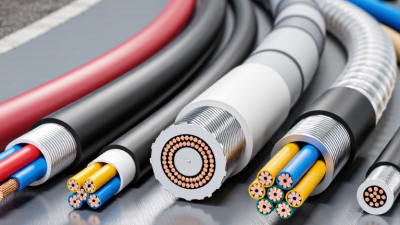
LV cable means low-voltage cable used in electrical systems up to 1,000 volts AC or 1,500 volts DC. This boundary follows IEC 60038, the international standard for standard voltages. An LV cable usually contains copper or aluminum conductors, insulation, and an outer sheath. The insulation prevents current leakage, while the sheath resists moisture, abrasion, and installation stress. Common applications include buildings, factories, street lighting, solar installations, and low-voltage distribution panels.
The demand for dependable LV infrastructure is growing. The International Energy Agency’s Electricity 2025 report recorded a 4.3% rise in global electricity demand during 2024. That growth increases pressure on distribution networks and cable selection. Choosing an LV cable requires more than checking voltage. Engineers should calculate load current, installation temperature, conductor length, voltage drop, short-circuit conditions, and fire requirements. Copper generally offers higher conductivity, while aluminum can reduce weight and material cost. Yet the cheaper option may require larger conductors or better termination control. That detail is often underestimated.
In practical installations, cable trays can become crowded quickly. Heat then accumulates, reducing current-carrying capacity. A cable rated in open air may perform differently inside conduit or underground. IEC 60364 guidance and local electrical codes should be checked together. Cable selection is not always perfectly predictable. Actual site conditions sometimes expose weaknesses that calculations miss.
How LV Cables Are Designed and Classified
What Is LV Cable and How to Choose It?
Low-voltage cables are generally rated up to 1,000 V AC or 1,500 V DC under IEC voltage classifications. Their design begins with the conductor, usually copper or aluminum, selected for conductivity, weight, and installation cost. Insulation materials such as PVC or XLPE control thermal performance and electrical resistance. An outer sheath protects the cable from moisture, abrasion, and chemicals.
Classification depends on more than voltage. Engineers specify the number of cores, conductor cross-section, insulation temperature, shielding, and mechanical protection. A cable may be single-core for a DC circuit or multicore for power distribution and control. Armored construction suits buried routes and industrial areas. Flexible, fine-stranded cables work better near moving equipment.
The International Energy Agency’s Electricity 2024 report forecasts global electricity demand growth of about 3.4% annually from 2024 to 2026. That expansion increases pressure on low-voltage distribution systems, especially in buildings and transport facilities. Yet cable selection is often reduced to ampacity alone. That assumption can fail. Voltage drop, ambient temperature, grouping, fire behavior, and installation length can change the result. IEC 60227 and IEC 60502-1 provide useful classification and construction references, but local codes still matter. Real projects are less tidy. A technically acceptable cable may remain unsuitable when poor routing, water exposure, or future load growth is ignored.
Where LV Cables Are Commonly Used
Low-voltage (LV) cables usually carry electricity up to 1,000 volts AC, depending on local standards. They connect distribution boards, equipment, lighting systems, and control devices. In field inspections, cable selection often fails because the installation environment receives too little attention.
Homes commonly use LV cables for wall sockets, lighting circuits, air-conditioning units, and kitchen appliances. Commercial buildings depend on them for elevators, security systems, fire alarms, data rooms, and emergency lighting. A cable hidden above a ceiling may need flame-retardant insulation, while one buried outdoors needs stronger protection against moisture and soil pressure. Small details matter.
Factories use LV cables to power motors, pumps, sensors, and control panels. Workshops may expose cables to oil, vibration, heat, or repeated movement. It is not decorative. The outer sheath must match the working conditions. Cable size also depends on current, route length, voltage drop, grouping, and ambient temperature. A cable that works safely in an open tray may overheat inside a crowded conduit. Solar installations and electric vehicle charging points also use LV cables, but their outdoor sections require suitable ultraviolet and weather resistance. I have seen projects choose by conductor size alone. That shortcut is unreliable. Local electrical rules, installation drawings, and a qualified inspection should guide the final choice.
Key Factors for Choosing an LV Cable
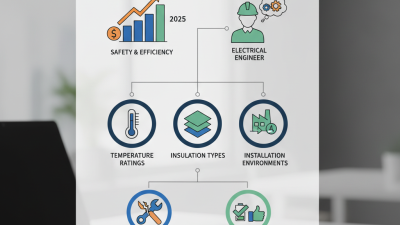
Low-voltage (LV) cable carries power in systems rated up to 1,000 V AC or 1,500 V DC. Choosing one is not a catalogue guess. The correct cable must match the system voltage, expected current, and installation environment. A small office circuit differs greatly from a cable buried outdoors or installed inside a hot factory.
Conductor size is a critical factor. Copper offers high conductivity and easier termination, while aluminium can reduce weight and material cost. Check the cable’s current-carrying capacity after applying temperature, grouping, and installation corrections. Voltage drop also matters, especially on long runs. A cable may carry the load safely but still deliver poor equipment performance. That detail is often missed.
Insulation should suit moisture, heat, chemicals, sunlight, and mechanical stress. PVC may fit ordinary indoor applications, while other insulation types may perform better in demanding locations. Check fire behavior, smoke requirements, flexibility, and bending radius before installation. The cable must also withstand the expected short-circuit current for the protection device’s operating time. There is no universal best cable. I would verify the design against local electrical codes, tested technical data, and the actual route. Cost comparisons can be useful, but cheaper cable may create difficult terminations, extra losses, or early replacement. A final inspection should confirm markings, conductor size, insulation condition, and secure connections.
What Is LV Cable and How to Choose It?
Low-voltage (LV) cables are commonly used in electrical systems up to 1 kV.
The chart shows indicative continuous current capacities for copper, 0.6/1 kV,
3-core XLPE-insulated cables installed in free air. Actual values may vary with
ambient temperature, installation method, grouping, voltage drop, and permissible
conductor temperature.
How to Install and Maintain LV Cables
Low-voltage (LV) cables normally serve circuits up to 1,000 V AC or 1,500 V DC, under IEC 60364 guidance.
Installation should begin with a verified circuit design, correct conductor sizing, and a clear route away from heat, sharp edges, and water. Isolate the supply, lock it out, and confirm zero voltage with a tested instrument.
Small mistakes matter.
Keep the cable’s stated bending radius, especially near corners and glands. Over-bending can damage insulation before faults become visible. Terminals should be clean, correctly crimped, and tightened to the manufacturer’s specified torque.
After installation, test continuity, insulation resistance, polarity, and protective conductor performance. Record the results.
The National Fire Protection Association’s Fire Loss in the United States During 2023 report recorded about 1.39 million fires and approximately 22.3 billion dollars in property damage. Not every incident involves LV cables, but poor electrical connections remain a serious maintenance concern.
Maintenance should include visual checks, load measurements, thermal imaging, and inspection for moisture, discoloration, cracking, or loose supports. Compare readings with earlier records, not only with a single limit. A cool cable today may still be overloaded during seasonal demand.
Inspection intervals should reflect the environment, load, and cable age; IEC 60364-6 supports periodic verification, but local rules may require more.
A tidy cable tray can hide a failing joint. That is the part engineers sometimes underestimate.