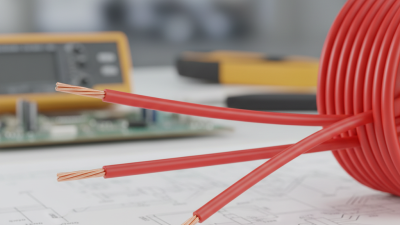
| PVC Building Wire |
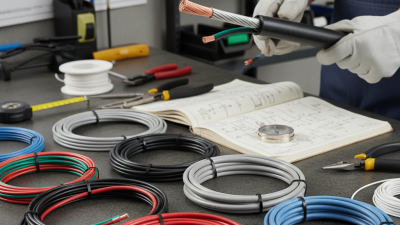
Copper conductor with PVC insulation; commonly single-core and installed in conduit or trunking. |
Common harmonized building-wire ratings include 450/750 V. |
Determine from conductor cross-section, installation method, ambient temperature, grouping, and applicable wiring rules. |
Calculate using the conductor resistance at operating temperature, circuit length, load current, and power factor. |
IEC 60332-1-2 applies to vertical flame propagation on a single insulated wire or cable; confirm the product’s tested standard. |
Fixed wiring in buildings where the wiring system provides mechanical protection. |
| PVC-Sheathed Power Cable |
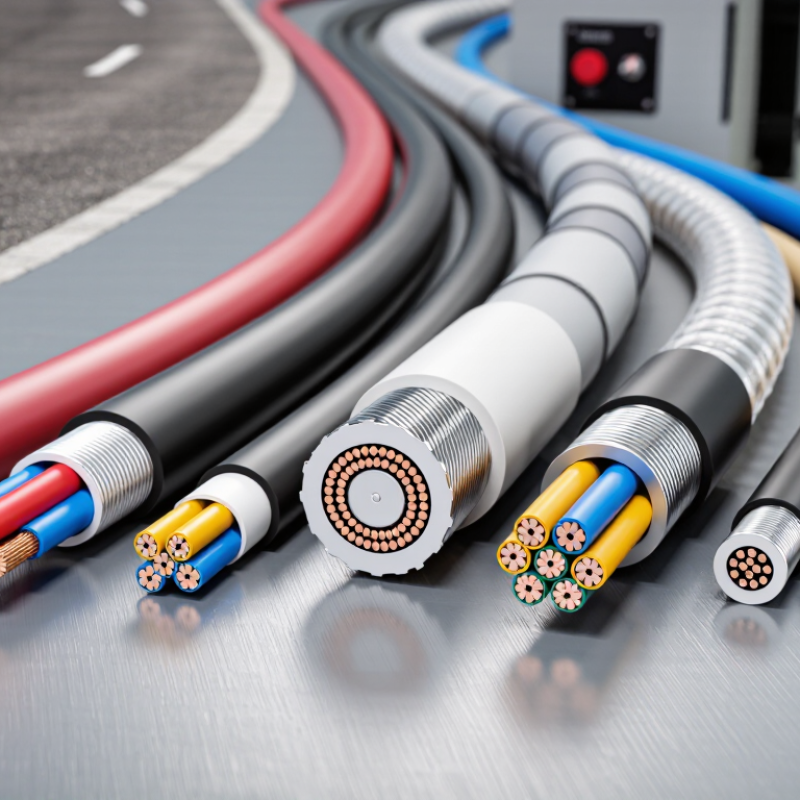
One or more insulated copper or aluminium conductors with an overall PVC sheath. |
Common LV power-cable rating: 0.6/1 kV. |
Use the rating for the actual conductor size and installation condition; apply correction factors where required. |
Check the allowable voltage drop for the circuit and include the cable’s resistance and reactance where relevant. |
IEC 60332-1-2 or a relevant IEC 60332-3 category may be specified, depending on whether single-cable or bunched-cable performance is required. |
Fixed power distribution in buildings and industrial installations. |
| XLPE-Insulated Power Cable |
Copper or aluminium conductor with cross-linked polyethylene insulation and a suitable outer sheath. |
Common LV power-cable rating: 0.6/1 kV. |
XLPE conductors are commonly designed for a 90°C maximum continuous conductor temperature, but the permitted current still depends on installation conditions and cable limits. |
Use the cable’s resistance at its operating temperature; compare calculated drop with the applicable project or wiring-code limit. |
XLPE insulation alone does not establish flame performance. Check for an applicable IEC 60332 test classification. |
Power distribution where higher conductor operating temperature or robust LV cable construction is required. |
| Steel-Wire-Armoured (SWA) Cable |
Typically multicore copper or aluminium conductors, XLPE or PVC insulation, inner bedding, steel-wire armour, and outer sheath. |
Common LV rating: 0.6/1 kV. |
Determine from conductor size and installation method; account for grouping, ambient conditions, and any thermal effects of the installation. |
Armour does not remove the need for a voltage-drop calculation. Use the conductor’s electrical characteristics and circuit length. |
Armour provides mechanical protection, not automatically fire resistance. Check the specified IEC 60332 test for flame propagation. |
Fixed installations requiring added mechanical protection, such as industrial or outdoor cable runs. |
| Aluminium-Wire-Armoured (AWA) Single-Core Cable |
Single-core conductor with insulation, bedding, non-magnetic aluminium-wire armour, and an outer sheath. |
Common LV rating: 0.6/1 kV. |
Rate according to conductor material and size, installation arrangement, temperature, and applicable correction factors. |
Consider conductor resistance and circuit reactance; the installation arrangement can affect reactance and therefore voltage drop. |
Check the cable’s declared IEC 60332 performance separately; armour type does not define flame-propagation performance. |
Single-core LV circuits where mechanical protection is required and magnetic armour effects must be avoided. |
| Low-Smoke, Zero-Halogen (LSZH/LSOH) Cable |
Uses low-smoke, halogen-free sheath and, depending on the design, insulation materials selected for the application. |
Varies by cable design; 0.6/1 kV is common for LV power versions. |
Use the rating for the specific cable construction and installation method; LSZH designation alone does not establish ampacity. |
Calculate from the actual conductor data and circuit conditions, as for other LV cables. |
Low-smoke and halogen-free properties are distinct from flame-propagation tests. Check IEC 60332 classification and any separately specified smoke or halogen requirements. |
Buildings and public areas where reduced smoke and corrosive-gas emissions are specified. |
| Flexible Rubber Cable (for example, H07RN-F type) |
Flexible stranded copper conductors with rubber-based insulation and a robust elastomeric sheath. |
H07RN-F is commonly rated 450/750 V; check the exact cable specification. |
Use the manufacturer’s rating for the cable size and duty. Flexibility, bundling, ambient temperature, and operating conditions affect selection. |
Consider conductor size, length, load current, and the voltage-drop limit; flexible use does not eliminate voltage-drop checks. |
Verify the exact flame test and product declaration; a rubber sheath does not by itself indicate IEC 60332 compliance. |
Portable equipment, temporary supplies, and applications requiring a flexible, mechanically robust cable. |
| Fire-Resistant Circuit-Integrity Cable |
Construction varies; may include fire-resistant insulation or barriers and a protective sheath designed to maintain circuit operation under specified fire conditions. |
Varies by design; 0.6/1 kV versions are available. |
Use the cable’s declared rating for the installation and fire-survival arrangement; supports, fixings, and installation details may be part of the tested system. |
Check voltage drop under normal operating conditions and confirm the required circuit performance during the specified fire exposure. |
IEC 60331 addresses circuit integrity under fire conditions. IEC 60332 addresses flame propagation; these tests are not interchangeable. |
Circuits required to operate during a fire, where the applicable design and regulations call for circuit integrity. |
| Aerial Bundled Cable (ABC) |
Insulated conductors, commonly XLPE, bundled together for overhead distribution; construction depends on the system. |
Common LV distribution rating: 0.6/1 kV. |
Use the applicable overhead-cable rating, accounting for conductor size, ambient conditions, solar heating, wind, and installation requirements. |
Calculate drop using the actual overhead conductor data, circuit length, load, and power factor. |
Check the cable specification for its required IEC 60332 performance; overhead construction alone does not establish a flame test result. |
Overhead LV distribution and service connections where the network design permits aerial cable. |
| LV Control Cable |
Multiple insulated copper cores, often numbered or identified by colour, with an overall sheath; may be screened or armoured. |
Common ratings include 300/500 V or 0.6/1 kV, depending on design. |
Select using the conductor size, number of loaded cores, installation method, temperature, and the connected equipment’s requirements. |
For control or signal circuits, check both voltage drop and any equipment-specific voltage or signal-integrity limits. |
Where required, specify the relevant IEC 60332 single-cable or bunched-cable test category; screening and armouring do not establish flame performance. |
Control, monitoring, and instrumentation circuits in commercial and industrial installations. |