Leave Your Message

2026 Top Single Core Wire Types for Global Buyers?

Choosing the right Single Core Wire in 2026 will require more than comparing prices per meter. Global buyers must examine conductor metal, insulation, temperature rating, flexibility, and certification. A copper wire may look identical on a supplier’s screen. Its performance can differ sharply inside a hot control cabinet or crowded automotive harness.

The International Energy Agency’s Global Critical Minerals Outlook 2024 identifies copper as a strategic material for electrification and grid expansion. The U.S. Geological Survey’s Mineral Commodity Summaries 2025 reports global mined copper production near 23 million metric tons in 2024. These figures matter because conductor costs follow raw-material availability, refining capacity, and regional logistics. Robert Friedland, a prominent copper-industry executive, has said, “The world runs on copper.” The sentence is short. The purchasing lesson is not.

This guide compares solid and stranded Single Core Wire, including PVC, XLPE, PTFE, silicone, and halogen-free designs. It also considers IEC 60228 conductor classes, voltage ratings, flame behavior, and regional approvals. IEC compliance alone may not satisfy every project. Buyers still need to confirm UL, CSA, EN, or local requirements. A practical evaluation includes cut samples, conductor resistance, insulation thickness, bend testing, and batch documentation. Do not trust a polished datasheet too quickly. Supplier claims can be incomplete, especially when specifications use different test conditions. The strongest 2026 choices will balance conductivity, safety, installation speed, environmental durability, and traceable quality. Some “top” wire types may be excellent technically but uneconomical for a particular market. That contradiction deserves attention.

2026 Top Single Core Wire Types for Global Buyers?

Single Core Wire: Definition, Structure, and Main Applications

Single Core Wire: Definition, Structure, and Main Applications

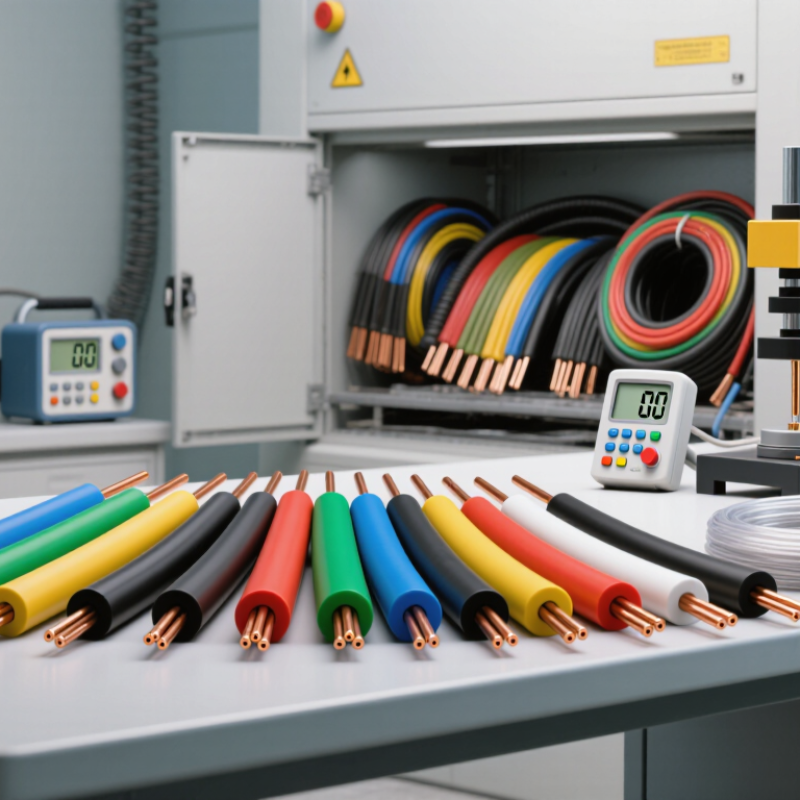
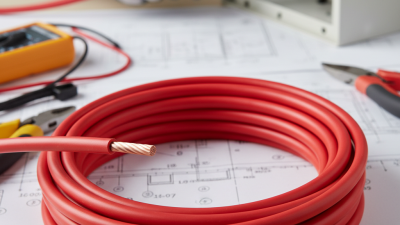
Single core wire contains one electrical conductor inside an insulating layer. The conductor is usually copper or aluminum. Copper offers excellent conductivity and flexibility. Aluminum is lighter and often more economical for larger installations. The insulation commonly uses PVC, XLPE, or other application-specific materials. Its color may identify live, neutral, or protective functions. Construction looks simple, but each layer affects safety and service life. A wire with fine copper strands bends easily around tight distribution boards. A solid conductor holds its shape better during fixed installation. Both types have practical value.

Single core wire is widely used in residential circuits, control panels, lighting systems, and industrial equipment. Larger versions may serve power distribution routes inside conduits or cabinets. Selection depends on current capacity, voltage rating, temperature, installation method, and local requirements. Buyers should also verify conductor size, insulation thickness, flame behavior, and test documentation. In practice, I have seen projects focus too heavily on price. That choice can create heat, difficult installation, or early insulation damage. A careful technical review remains necessary.

Tips: Confirm the required cross-sectional area before ordering. Check whether the wire will face moisture, heat, oil, or movement. Request clear test reports and traceable production information. Do not assume a familiar color system applies everywhere. Local electrical rules can differ. Measure twice. Mistakes are expensive.

2026 Top Single Core Wire Types for Global Buyers? - Single Core Wire: Definition, Structure, and Main Applications

Wire Type Conductor Structure Typical Insulation Typical Voltage Range Typical Temperature Range Main Applications Key Advantages Buyer Considerations
Solid Core PVC Wire One compact copper or aluminium conductor PVC Commonly 300/500 V to 450/750 V Usually up to 70°C conductor temperature Fixed building wiring, control panels, appliance internal wiring, conduit installations Low cost, simple termination, good dimensional stability Limited flexibility; select the insulation rating and conductor material for the installation environment
Stranded PVC Wire Multiple fine or standard copper strands twisted together PVC Commonly 300/500 V to 450/750 V Usually up to 70°C conductor temperature Control cabinets, machinery wiring, distribution boards, equipment connections More flexible than solid wire and easier to route around terminals May require ferrules or suitable terminals; strand class affects bending performance
Flexible PVC Single-Core Cable Fine-stranded annealed copper conductor Flexible PVC Commonly 300/500 V or 450/750 V Often up to 70°C, depending on construction Portable equipment, internal appliance wiring, test equipment, flexible control connections High flexibility and convenient installation in confined spaces Not automatically suitable for continuous flexing, outdoor exposure, oil, or high-temperature service
Heat-Resistant Silicone Wire Fine-stranded tinned or bare copper conductor Silicone rubber Commonly 300/500 V or 600 V, depending on standard Often approximately -60°C to +180°C; verify the product rating Heating equipment, lighting, ovens, motors, laboratory equipment, high-temperature assemblies Excellent flexibility across a wide temperature range Lower mechanical abrasion resistance than some thermoplastic jackets; protect against sharp edges
PTFE Insulated Wire Solid or stranded copper, commonly tinned or silver-plated PTFE fluoropolymer Typically 300 V to 600 V, depending on construction Often approximately -65°C to +200°C Aerospace, medical equipment, instrumentation, chemical environments, high-temperature electronics High thermal stability, chemical resistance, and low dielectric loss Higher material cost; insulation can be damaged by excessive stripping or sharp bending
XLPE Insulated Single-Core Cable Solid or stranded copper or aluminium conductor Cross-linked polyethylene Commonly 0.6/1 kV; medium-voltage designs are also available Typically 90°C continuous conductor temperature Power distribution, renewable-energy systems, industrial installations, underground and tray applications Higher continuous operating temperature and improved electrical performance compared with standard PVC Check minimum bending radius, fire performance, screen requirements, and installation method
Low-Smoke Zero-Halogen Wire Solid or stranded copper conductor Halogen-free thermoplastic or cross-linked compound Commonly 300/500 V to 0.6/1 kV Often 70°C or 90°C, depending on insulation compound Public buildings, transport facilities, data centers, tunnels, and enclosed areas Reduced smoke and corrosive gas emission during fire Confirm smoke, halogen, flame, and fire-survival classifications required by the project
Solar PV Single-Core Cable Fine-stranded tinned copper conductor Cross-linked, UV-resistant, halogen-free insulation and sheath materials Commonly 1.0/1.0 kV DC or 1.5/1.5 kV DC Often -40°C to +90°C continuous conductor temperature Photovoltaic module strings, rooftop arrays, solar farms, and DC combiner connections Designed for UV exposure, outdoor conditions, ozone, and long-term DC service Use only cables with the required PV standard, DC voltage rating, UV resistance, and connector compatibility
Automotive Single-Core Wire Fine-stranded copper conductor PVC, cross-linked polyolefin, or other automotive-grade insulation Typically low-voltage vehicle systems, commonly 12 V or 24 V nominal Commonly 105°C to 150°C, depending on insulation class Vehicle harnesses, battery circuits, lighting, sensors, and control systems Small bend radius, vibration resistance, and compatibility with crimp terminals Select the correct conductor size, insulation class, abrasion resistance, and color coding for the vehicle system
Magnet Wire Round or rectangular copper or aluminium conductor Thin enamel or film insulation Specified primarily by insulation system and dielectric performance rather than installation voltage Common thermal classes include 130°C, 155°C, 180°C, and 200°C Transformers, motors, generators, inductors, relays, and electromagnetic coils Very thin insulation enables high winding fill and compact electromagnetic components Verify thermal class, insulation type, solderability, breakdown voltage, and winding process compatibility

Note: Voltage, temperature, conductor size, ampacity, and compliance values are typical industry ranges. Final selection must follow the applicable electrical code, product standard, installation method, ambient conditions, and manufacturer test data.

Key Types of Single Core Wire for Different Installation Needs

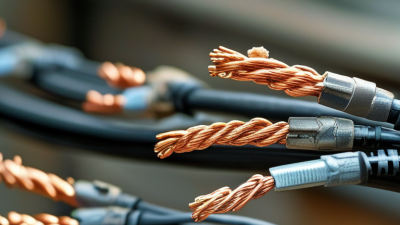
Single-core wire is not a one-size-fits-all product. Solid copper wire offers stable conductivity and suits fixed indoor circuits, control panels, and short runs. Stranded copper wire bends more easily around corners and terminals. It works well in equipment with vibration or frequent movement. Aluminum single-core wire can reduce weight and cost, but it needs compatible terminals and careful joint preparation.

Insulation must match the installation environment. PVC insulation fits many ordinary dry locations. XLPE insulation handles higher temperatures and demanding power applications. Low-smoke, halogen-free insulation may be preferable in crowded public buildings. Heat-resistant wire supports lighting near warm equipment. For outdoor or buried installations, check moisture resistance, mechanical protection, and approved voltage ratings. In practical inspections, poor sizing causes more trouble than the conductor material. I have seen wires selected by price alone, then replaced after overheating. That choice was avoidable.

Tips: Confirm conductor size, insulation temperature, voltage rating, flexibility, and local approval documents before ordering. Ask for test reports from a qualified laboratory. Leave enough space for proper bending. Do not force a stiff wire into a tight terminal. Also, check the actual installation route, not only the drawing. Small details matter. Conditions differ between countries, and one specification may not suit every site.

Material, Insulation, and Performance Factors for Global Buyers

For 2026 projects, single-core wire selection starts with the conductor material. Copper offers approximately 100% International Annealed Copper Standard conductivity. Aluminum provides about 61%, but weighs much less and can reduce handling costs. The International Aluminium Institute reports that recycled aluminum requires up to 95% less energy than primary production. That advantage matters for large infrastructure orders. Yet, aluminum needs suitable terminations and careful joint preparation.

Insulation controls heat, moisture, flexibility, and service life. Common PVC insulation typically supports 70°C continuous conductor temperatures. Cross-linked polyethylene can commonly support 90°C, allowing higher ampacity when installation conditions permit. IEC 60502-1 provides useful cable construction and testing references for many low-voltage applications. Do not treat temperature ratings as universal. Ambient heat, grouping, conduit fill, and ventilation can reduce actual capacity.

Performance must match the installation, not only the catalogue. The International Energy Agency’s Electricity 2024 report forecasts global electricity demand growth of about 3.4% annually through 2026. That growth increases pressure on reliable distribution wiring. Stranded copper suits vibration and repeated movement. Solid copper often suits fixed indoor circuits. Single-core aluminum can serve long, fixed runs, but voltage drop deserves close review. A cheaper conductor is not always the better purchase. In practice, some selections still overlook termination torque and thermal expansion. That is an avoidable weakness.

International Standards, Safety Requirements, and Certification Checks

2026 Top Single Core Wire Types for Global Buyers?

Global electricity demand is projected to grow by about 4% annually through 2026, according to the IEA Electricity 2024 report. This growth increases demand for single-core PVC, XLPE, LSZH, and flexible stranded wires. Type selection must match voltage, conductor class, temperature, bending radius, and installation environment. IEC 60227 covers many PVC-insulated wires up to 450/750 V, while IEC 60502-1 addresses power cables from 1 kV to 3 kV. Similar-looking wires may follow different rules.

Safety checks should begin with the test report, not the product photograph. Confirm conductor resistance, insulation thickness, voltage rating, flame performance, and temperature limits. For construction projects, check whether the product falls under EN 50575 and requires CPR classification. Also review IEC 60364-based installation requirements for current capacity, grouping, earthing, and protection. A certificate is not proof of every installation condition.

The NFPA 2016–2020 analysis reported that electrical distribution and lighting equipment appeared in 55% of home fires linked to electrical failure or malfunction. That figure deserves attention. Buyers should verify certificate scope, issuing laboratory, production-site details, batch traceability, and permanent cable markings. Local acceptance may still differ from international certification. No checklist is perfect. In practice, paperwork can look complete while conductor size, insulation material, or factory records remain unclear. Independent sample testing is often worth the added cost.

2026 Top Single-Core Wire Types for Global Buyers

International standards, safety requirements, and certification checks

How to read the chart: The comparison uses published nominal voltage classes and maximum normal conductor operating temperatures for representative single-core wire types. Actual ratings depend on conductor size, installation method, insulation compound, ambient temperature, and applicable national adoption of the standard.

Buyer certification checks: Verify the applicable IEC or EN standard, voltage designation, conductor class, insulation and sheath material, temperature rating, flame-performance requirement, dimensional test results, marking and traceability, factory test records, and conformity documentation required in the destination market.

Reference standards: EN 50525-2-31 for PVC-insulated 450/750 V cables, EN 50525-3-31 for halogen-free 450/750 V cables, and IEC 60502-1 for extruded-insulation power cables rated from 1 kV to 3 kV.

How to Compare Suppliers, Specifications, Pricing, and Delivery Options

Global buyers often compare single-core wires by price first. That can create costly surprises later. Solid-core wire suits fixed installations and keeps its shape during routing. Stranded wire bends more easily and handles repeated movement. Fine-stranded designs offer greater flexibility, but usually cost more. Ask suppliers to state conductor material, cross-sectional area, insulation type, voltage rating, temperature range, and outer diameter. Request current test reports, production samples, and clear tolerances. A photograph is not enough evidence.

Supplier evaluation should include manufacturing experience, quality controls, and communication speed. Check whether the supplier can provide batch numbers, inspection records, and traceable packing lists. Compare copper purity, resistance values, insulation thickness, and reel length using the same units. Small specification differences matter. A cheaper wire may contain less metal or have tighter length tolerances. I have seen spreadsheets hide these details. That mistake is easy to repeat.

Pricing should show more than the factory quotation. Include tooling, minimum order quantities, packaging, inland transport, freight, insurance, duties, and payment terms. Ask for separate prices under comparable delivery terms. Delivery promises also need careful checking. Confirm production capacity, sample approval time, shipping method, port details, and documentation support. Build a buffer for inspections and customs processing. A seven-day estimate may ignore weekends, holidays, or material delays. Request a written schedule with milestones, then compare supplier performance against it. Personal judgment still matters, because even well-organized data can miss a weak production month.