Leave Your Message

What is Single Core Wire and How is it Used?

In the world of electrical wiring, "Single Core Wire" plays a crucial role. Experts like John Smith, an electrical engineer with over 20 years of experience, highlight its importance. He states, “Single Core Wire is essential for specific installations where flexibility and functionality are needed.” This statement captures the essence of its use in various applications, from domestic wiring to industrial setups.

Single Core Wire is designed to carry electrical current effectively. Its construction typically consists of a single conductor, which can be copper or aluminum. This simplicity makes it lightweight and easy to install. The wire is often used in places where space is limited, or when flexibility is vital. However, while it offers many advantages, it is not suitable for all scenarios.

In practice, Single Core Wire can sometimes lead to challenges. For instance, the wire may be less resilient to mechanical strain compared to multi-core alternatives. This aspect requires careful consideration during installation. Noting these details is essential for both professionals and DIY enthusiasts. Understanding the strengths and weaknesses of Single Core Wire can guide better decision-making in electrical projects.

What is Single Core Wire and How is it Used?

What is Single Core Wire: Definition and Overview

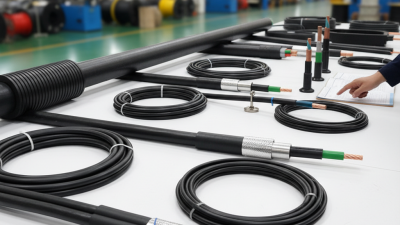
Single core wire is a type of electrical wire featuring a single conductor. It is commonly used in various applications, signaling its importance in electrical systems. The simplicity of its design allows for easy installation and a straightforward approach to wiring. This wire typically consists of a copper or aluminum conductor, surrounded by an insulating layer.

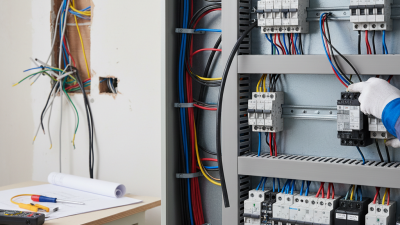
In practical terms, single core wire is often found in electrical appliances, lighting, and low-voltage applications. It is favored for indoor wiring due to its flexibility and ease of handling. However, when using single core wire, one must consider its limitations. It is not suitable for high-voltage situations and can be more prone to damage from bending or twisting. Incorrect use can lead to various safety risks, highlighting the need for caution.

Professionals recommend understanding the specific requirements of each project before selecting single core wire. While it may seem ideal for smaller tasks, larger projects may demand a different approach. Assessing both the environment and the electrical load is crucial. Sometimes, a more complex wiring solution will prove more effective in the long run. Thus, balance and careful planning are essential.

Key Components and Materials Used in Single Core Wire Manufacturing

What is Single Core Wire and How is it Used?

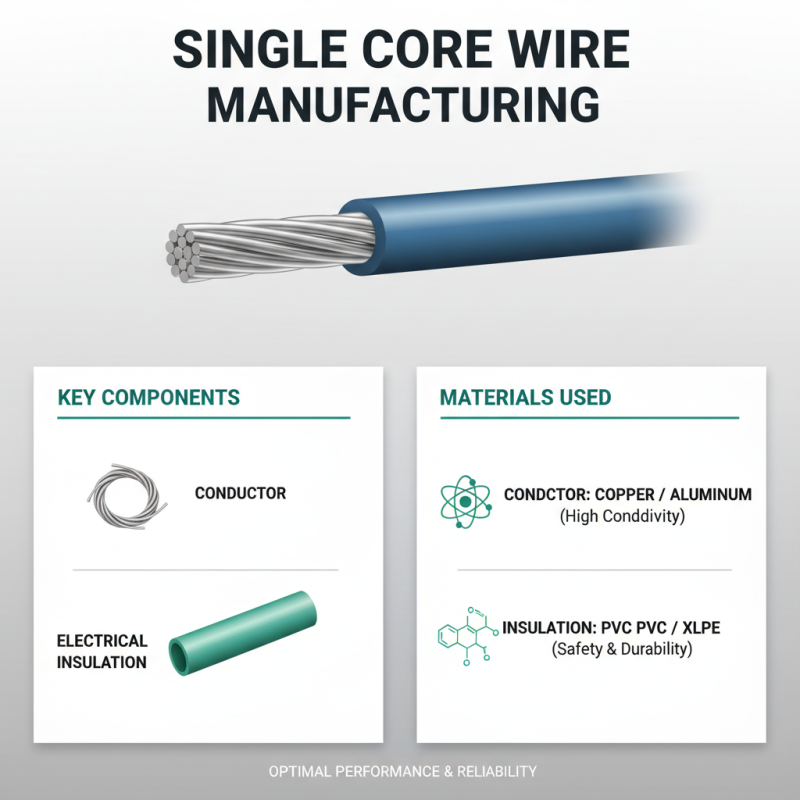
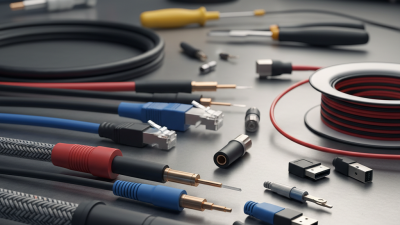
Single core wire is widely used in various electrical applications. Understanding the key components and materials involved in its manufacturing can enhance its utility and reliability. The primary materials include copper or aluminum, known for their excellent conductivity. Insulation materials, such as PVC or XLPE, are critical for safety and durability. These elements work together to ensure optimal performance.

While producing single core wire, quality matters. High-purity metals improve conductivity. However, sourcing can be challenging. Insulation must also be considered carefully. Different environments require different types of insulation. For example, a moist area might need waterproof coatings.

Tips: Always check the specifications when selecting wire. Ensure compatibility with your project needs. Regularly inspect your wire connections to prevent potential failures. Additionally, understanding how different materials react can guide you toward better decision-making in wire applications. Balancing cost and quality is important for long-lasting performance.

Applications of Single Core Wire in Electrical and Electronic Systems

What is Single Core Wire and How is it Used?

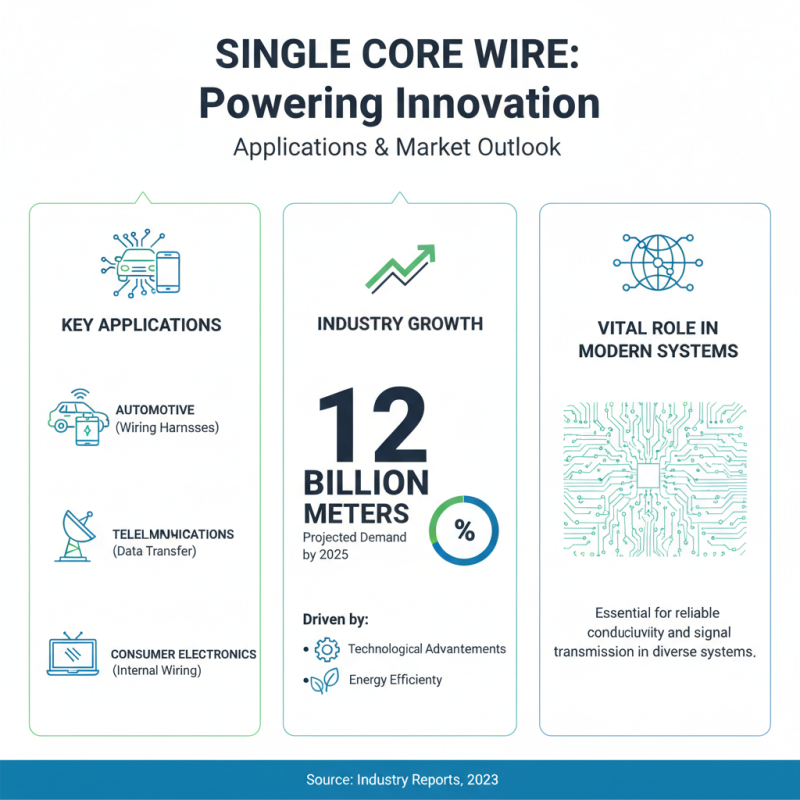
Single core wire plays a vital role in various electrical and electronic systems. Its applications span across industries, including automotive, telecommunications, and consumer electronics. According to industry reports, the demand for single core wire is projected to reach 12 billion meters by 2025, driven by advancements in technology and an increasing emphasis on energy efficiency.

In the automotive industry, single core wire is predominantly used for wiring harnesses. These wires provide reliable electrical connections, ensuring the smooth operation of essential vehicle functions. Additionally, the telecommunications sector relies heavily on single core wire for signal transmission. It is crucial for connecting telecommunication equipment, where reliability and minimal signal loss are paramount.

Despite its numerous advantages, using single core wire does pose challenges. The risk of insulation damage can lead to short circuits. Maintaining proper installation techniques and regular inspections is essential. The focus should be on quality and adherence to safety standards to mitigate these risks. As industries continue to evolve, the role of single core wire will adapt, and innovations will emerge to address current limitations.

Industry Standards and Specifications for Single Core Wire

Single core wire is a fundamental component in various electrical applications. It is defined by industry standards such as the International Electrotechnical Commission (IEC) and the American National Standards Institute (ANSI). These organizations specify key parameters, like conductor sizes and insulation types. Standards ensure consistency and safety in electrical installations. The most common standards, like IEC 60228, categorize conductors based on their conductivity and mechanical requirements.

In terms of specifications, single core wire typically falls under sizes ranging from 0.5 mm² to 400 mm². The gauge determines the wire's current-carrying capacity. Typically, a 1.5 mm² wire can handle around 16 amps, while a 10 mm² wire can manage approximately 50 amps. Achieving compliance with these specifications is crucial for reliability. Poor adherence can lead to overheating and system failures, reflecting the importance of using high-quality materials.

When selecting single core wire, factors like temperature ratings are vital, often set at 70°C or 90°C for standard use. However, not all wires meet these temperature standards. It's essential to verify the insulation used. For example, PVC and XLPE insulations offer different thermal and electrical properties. Neglecting to review these details can result in issues that compromise safety and performance, underscoring the need for thorough analysis before application.

Advantages of Using Single Core Wire Over Multi-Core Alternatives

Single core wire offers significant advantages over multi-core alternatives. Its structure, consisting of a single conductor, allows for greater efficiency in electrical conduction. According to industry reports, single core wire can carry higher current loads while minimizing resistance. This feature is crucial in applications that require high power, such as industrial machinery and power distribution systems.

Another benefit of single core wire is its simplicity in installation. It is more straightforward to handle and connect due to its single-strand design. This can lead to reduced installation time, which translates to cost savings. Certain studies indicate that installation costs for single core wire can be up to 30% lower than multi-core options. This ease of use does not compromise performance; single core wires maintain robustness in mechanical strength and thermal resistance.

However, there are areas where single core wire may not be the top choice. In environments that require flexibility, multi-core wire may perform better. Its multiple strands allow for bending and twisting without damage. Thus, evaluating the specific application is crucial. In cases where flexibility is secondary, single core wire remains an optimal choice. Understanding these trade-offs is vital for selecting the right wiring solution.

What is Single Core Wire and How is it Used? - Advantages of Using Single Core Wire Over Multi-Core Alternatives

Feature Single Core Wire Multi-Core Wire
Flexibility Less flexible, but stable More flexible, allows tight bends
Current Carrying Capacity Typically higher Generally lower
Installation Ease Easier in fixed installations Easier in dynamic environments
Weight Heavier Lighter
Durability More resistant to wear Less resistant, more prone to fraying
Cost Generally more cost-effective Usually more expensive