Why Choose Single Core Wire for Your Electrical Needs?
In the realm of electrical systems, choosing the right wiring is crucial. Experts stress the importance of Single Core Wire for various applications. John Smith, a leading electrical engineer, states, "Single Core Wire offers unmatched reliability and efficiency for most electrical needs."
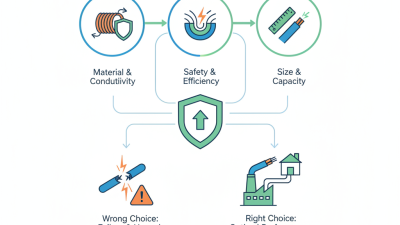
Single Core Wire is designed for specific environments. It provides excellent conductivity and flexibility. This makes it ideal for compact spaces and devices. However, some might overlook its advantages. Many still choose multi-core options out of habit or unfamiliarity. Yet, Single Core Wire can simplify installations and maintenance.
Incorporating Single Core Wire into projects leads to superior performance. Its straightforward design reduces the chances of short circuits and electrical faults. This wire type also allows for easier troubleshooting. However, not all applications suit it perfectly. Understanding the limitations and best uses of Single Core Wire is essential for optimizing electrical systems.
Understanding Single Core Wire: Definition and Purpose
Single core wire is a fundamental type of electrical wire. It consists of a single strand of conductive material, typically copper or aluminum. This simplicity offers several advantages for specific applications. The primary purpose of single core wire is to provide an efficient and reliable means of electricity transmission. It is commonly used in fixed installations where flexibility is less of a concern.
Single core wire is often preferred for its ease of installation. Its rigidity allows it to be routed easily through conduits and can be secured firmly in place. This rigidity also contributes to lower resistance over longer distances, ensuring better performance. However, the lack of flexibility can be a drawback in some scenarios. If your project requires frequent movement or reconfiguration, you may find multi-core wire more suitable.
Another significant benefit of single core wire is its cost-effectiveness. Less material is used compared to multi-core options, making it a budget-friendly choice for many. Nevertheless, it’s essential to consider the specific needs of your project. In certain situations, using single core wire might not provide the necessary adaptability. Understanding the unique requirements of your electrical system will help you make the best choice.
Advantages of Using Single Core Wire in Electrical Systems
Single core wire offers numerous advantages in electrical systems. This type of wire is simple in design, which often translates into ease of installation. Unlike multi-stranded wires, single core wire is less prone to breakage. This durability makes it an excellent choice for long-term use in various environments.
Another key benefit is its efficiency. Single core wires typically have lower resistance, leading to reduced energy losses. This can be particularly important in industrial applications where every watt counts. Additionally, single core wire is often lighter and more flexible, making it easier to run through conduits and tight spaces.
However, it is essential to consider the application. Single core wire may not be suitable for extreme movements or vibrations. In such cases, a multi-strand solution might be better. Choosing the right wire type should be based on a careful assessment of your specific needs and the environment in which it will be used. Balancing these factors will help ensure optimal performance.
Advantages of Using Single Core Wire in Electrical Systems
This bar chart illustrates the advantages of using single core wire in electrical systems, rated from 1 to 10, highlighting key benefits such as conductivity, flexibility, weight, cost-effectiveness, and ease of installation.
Applications of Single Core Wire in Various Industries
Single core wire plays a vital role across various industries. Its straightforward design allows for efficient conductivity, making it ideal for specific applications. In the construction sector, single core wires are used for internal wiring in residential and commercial buildings. According to the National Electrical Manufacturers Association (NEMA), about 70% of all new constructions utilize copper single core wire for wiring installations due to its reliability.
In the automotive industry, single core wire is essential for power distribution and signal transmission. The wire's ability to handle high temperatures and provide excellent conductivity makes it indispensable. The International Automotive Task Force reports that the market for automotive electrical wires, including single core options, is expected to grow by 5% annually. This indicates a robust demand for reliable wiring solutions.
Single core wire also finds significant applications in renewable energy, especially solar energy systems. With the rise of solar installations, the need for durable and efficient wiring is critical. Studies suggest that using single core wire in solar panel connections reduces energy loss significantly. However, proper installation and maintenance are essential; failures due to improper handling could lead to significant energy inefficiencies.
Comparing Single Core Wire with Other Wire Types
When comparing single core wire with other wire types, several factors come into play. Single core wire often excels in applications that require flexibility and ease of installation. Engineers frequently favor it for mobile machinery and equipment, where movement is essential. In contrast, multi-core wires can be bulky and limit flexibility in tight spaces.
Data from the International Electrotechnical Commission reports that single core wires typically have lower resistance than multi-core options. This results in improved energy efficiency, crucial for long cable runs. However, single core wire may not offer the same level of interference protection as some multi-core wires. The absence of additional insulation may hinder performance in noisy environments. Such trade-offs should be considered during selection.
While single core wire is generally easier to handle, it comes with its own set of challenges. Installation requires careful consideration of bends and loops. In certain scenarios, multi-core wires may offer better long-term reliability, especially in environments subject to frequent movement. Users must carefully reflect on their specific needs when choosing wire types for their projects. This balance of flexibility and performance often dictates the best choice.
Why Choose Single Core Wire for Your Electrical Needs? - Comparing Single Core Wire with Other Wire Types
| Wire Type |
Flexibility |
Current Capacity |
Ease of Installation |
Cost-Effectiveness |
| Single Core Wire |
Moderate |
High |
Easy |
Cost-Effective |
| Multi-Core Wire |
High |
Moderate |
Moderate |
Higher Cost |
| Stranded Wire |
Very High |
High |
Easy |
Moderate |
| Ribbon Wire |
Low |
Moderate |
Moderate |
Cost-Effective |
Maintenance and Safety Tips for Single Core Wire Usage
When using single core wire, maintenance and safety are essential. Regular inspections can prevent hazards. Damaged insulation can lead to unexpected failures. Always look out for fraying or discoloration. These signs indicate potential issues.
Tip: Keep your wires organized. This helps avoid accidental damage and tangling. Proper storage also extends the lifespan of your wire. According to the National Electrical Manufacturers Association, a poorly maintained electrical system can increase the risk of failures by up to 30%.
Ensure connections are secure. Loose connections can generate heat. This could lead to fires, especially in high-load applications. According to the National Fire Protection Association, electrical failures cause 13% of all residential fires.
Tip: Use compatible connectors and terminals. This minimizes resistance and enhances safety. Check connectors regularly for wear and replace them as needed. Remember, safety comes first, especially in high-usage environments. Frequent checks can save time and costs in the long run.