2026 How to Choose Home Electrical Wire for Your DIY Projects?
When embarking on DIY electrical projects, selecting the right Home Electrical Wire is crucial. Whether you're rewiring a room or installing new fixtures, the type of wire you choose can impact safety and performance. Various wire types have different applications, voltages, and insulation levels. Understanding these nuances can be overwhelming, but it's essential for a successful project.
Home Electrical Wire must meet specific codes and standards to ensure safety. This may seem tedious, but compliance is non-negotiable. Using the wrong wire can lead to electrical fires or equipment damage. It's vital to consider the wire's gauge, insulation type, and whether it’s suitable for indoor or outdoor use. Mistakes can happen, but they often provide valuable learning experiences.
Additionally, the abundance of wire options can cause confusion. Many DIY enthusiasts underestimate the importance of these details. By investing time to research and evaluate the correct wire, you can avoid costly errors. The right choice enhances both functionality and safety in your home projects. Remember, your electrical work should not only be efficient but also safe for everyone involved.
Understanding the Basics of Home Electrical Wiring
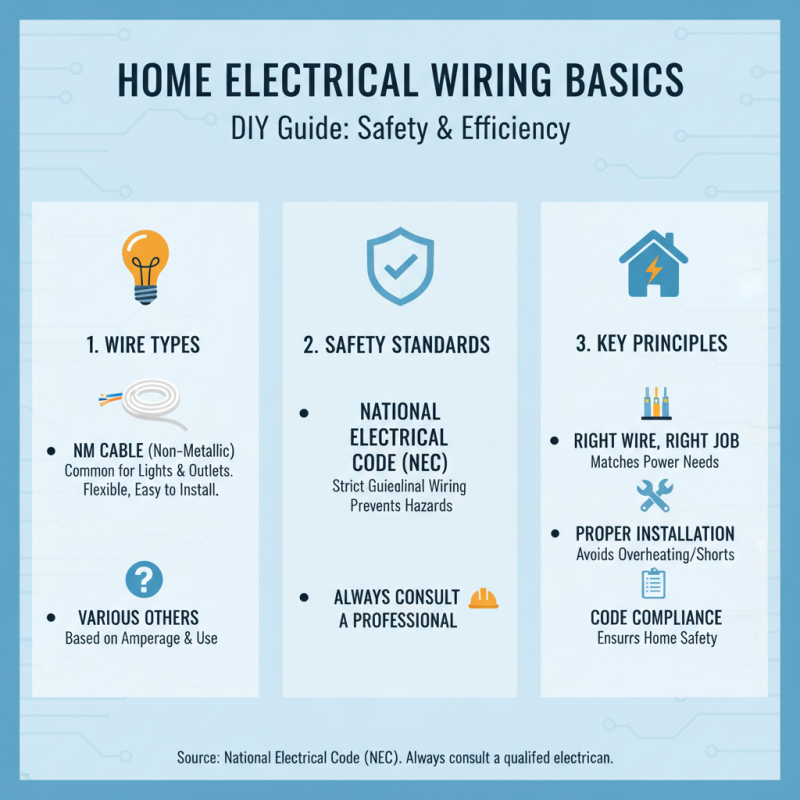
When choosing home electrical wire for DIY projects, it's crucial to understand the basics of electrical wiring. Different types of wiring exist, and each serves a specific purpose. According to the National Electric Code, residential wiring must meet strict standards for safety and efficiency. For example, NM (non-metallic) cable is common in homes due to its flexibility and ease of installation. It's often used for lighting and general-purpose outlets.
Selecting the correct wire gauge is critical. The American Wire Gauge (AWG) system defines wire size. Thicker wires, such as 12 AWG, carry more current but are often harder to handle. Misjudging the wire gauge can lead to overheating and potential fire hazards. It's essential to use a wire gauge that matches your project's power requirements. A report from the Electrical Safety Foundation International warns that many homeowners underestimate the significance of proper wire selection, risking safety and reliability.
Beyond size and type, insulation is key to performance. Many wires feature different insulation materials, each with unique heat-resistance properties. Investing time in understanding these materials can prevent costly mistakes. For instance, THHN wire is durable and ideal for high-temperature areas, yet it may not suit all projects. Reflecting on these details can enhance both safety and functionality in your electrical work. Knowing when to seek professional advice remains a vital consideration as you navigate your DIY projects.
Types of Electrical Wire Used in DIY Projects
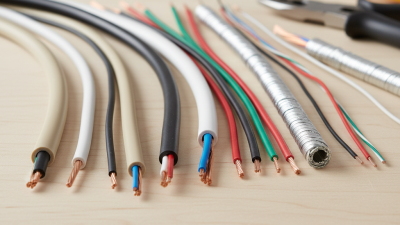
Choosing the right type of electrical wire is crucial for any DIY project. Different types of wires serve various functions and are vital for safety. Most DIY enthusiasts will encounter two primary types:
non-metallic (NM) cable and conduit.
NM cable is common in residential wiring. It’s easy to use and cost-effective.
According to the National Electrical Manufacturers Association (NEMA), NM wire accounts for over 75% of residential wire installations in the USA.
Conduit, on the other hand, provides better protection in exposed environments. It comes in different materials, such as PVC and metal. Research from the National Fire Protection Association (NFPA) indicates that conduit systems reduce the risk of electrical fires. Projects requiring outdoor installation may benefit from conduit for added durability.
While selecting wire, consider the gauge and amperage. A smaller gauge means a thicker wire, suitable for high-current applications. Observations show that wire gauge impacts the resistance and heat dissipation.
Incorrect gauge selection can lead to overheating, creating safety hazards. It is essential to balance cost and suitability. Ignoring those aspects can have serious consequences. Always consult local building codes to ensure compliance.
Determining the Right Wire Gauge for Your Needs
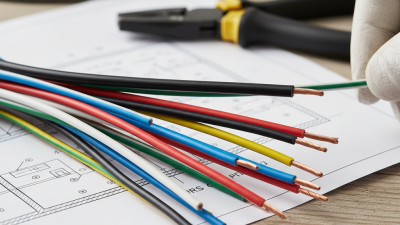
Choosing the right wire gauge for your DIY electrical projects is crucial. Using a wire that is too small can lead to overheating and potential fires. According to the National Electrical Code, a 14-gauge wire is suitable for circuits carrying up to 15 amps. In contrast, a 12-gauge wire supports 20 amps. These standards help ensure safety and efficiency in home wiring.
It's also important to consider voltage drop. For longer runs, the wire gauge should be adjusted to minimize energy loss. A significant drop can reduce the performance of your devices. The American Wire Gauge (AWG) system is an industry standard that provides a guideline. Remember, wire gauge affects current-carrying capacity and heat generation.
When purchasing wire, reflect on your specific needs. Oversizing can add unnecessary cost and make installation cumbersome. Conversely, undersizing invites risks. Analyzing the electrical load and consulting the NEC guidelines can enhance your project's reliability. This careful evaluation fosters a responsible approach to DIY electrical work.
Wire Gauge Selection for DIY Electrical Projects
Safety Considerations When Working with Electrical Wires
When embarking on DIY projects involving electrical wiring, safety must be a priority.
According to the National Fire Protection Association (NFPA), electrical issues were responsible for 13% of all home structure fires in the U.S. from 2014 to 2018. This statistic highlights the urgency of proper safety practices. Always use wires with appropriate ratings for your project. Using under-rated wire can lead to overheating and fires.
Before starting your project, ensure you have the necessary tools and knowledge. Familiarize yourself with local codes and regulations. The Electrical Safety Foundation International (ESFI) recommends double-checking that all connections are secure. Loose wires can create arcing, which is a major fire hazard. Wear insulated gloves and use tools with insulated handles to protect against electric shock.
Be mindful of the environment where you work. Excess moisture can lead to dangerous situations. Always work with dry hands and on dry surfaces. If you encounter damaged wires or insulation, replace them immediately. In a study by UL (Underwriters Laboratories), it was found that over 20% of electrical fires involved older wiring that had been improperly maintained. Reflecting on this data can remind DIY enthusiasts to regularly assess and maintain their electrical systems.
Tools and Materials Needed for Electrical Wiring Projects
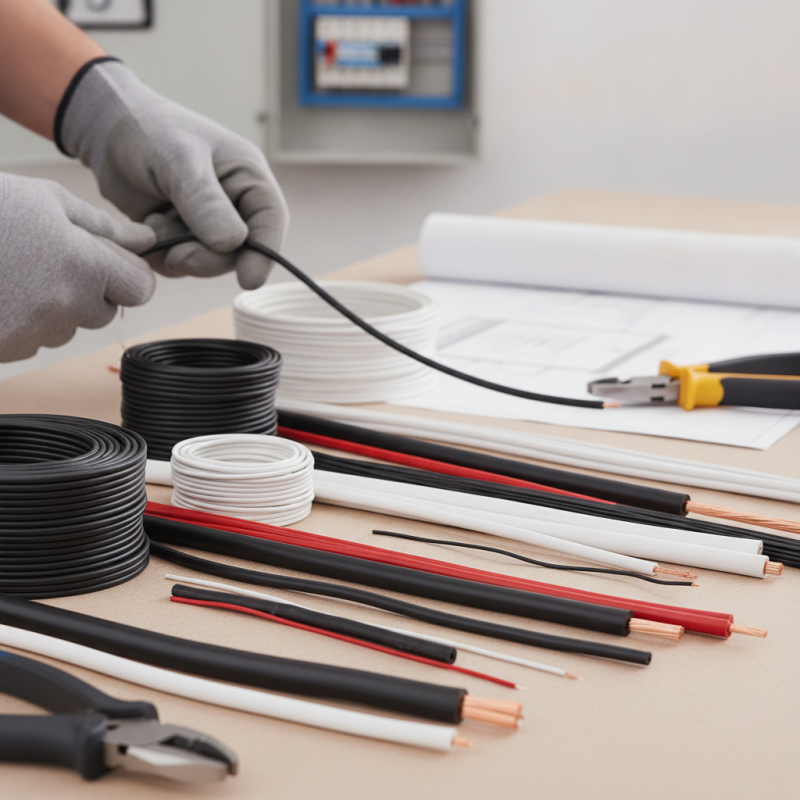
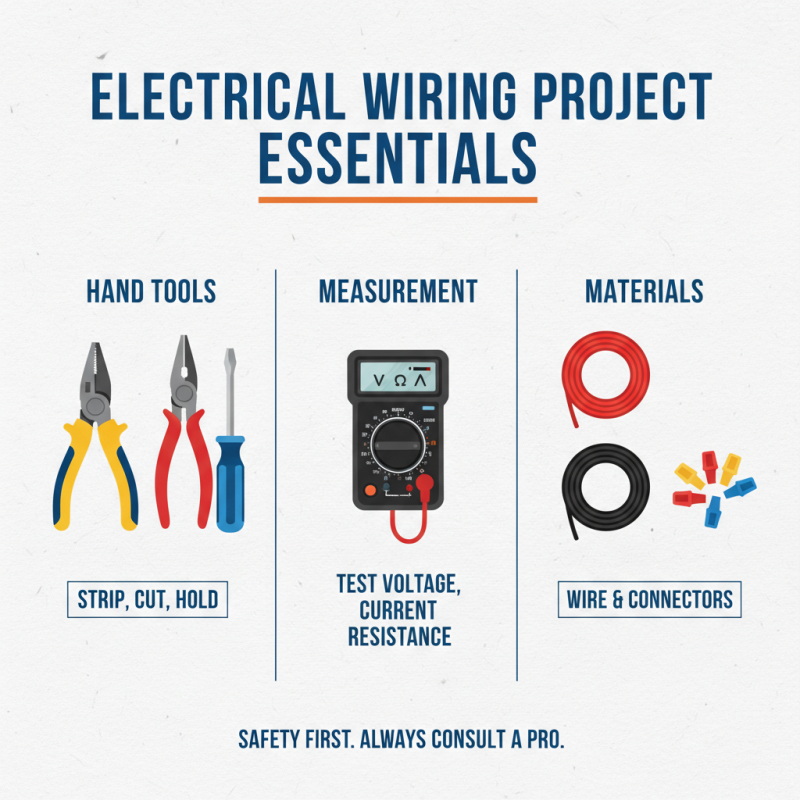
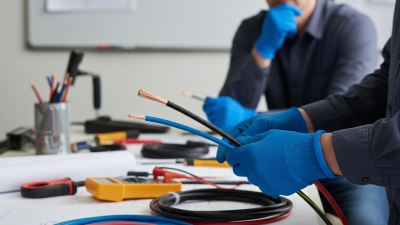
When embarking on DIY electrical wiring projects, the right tools and materials are essential. Basic hand tools like wire strippers, screwdrivers, and pliers are vital for almost every task. They help you safely handle wires and connectors. A multimeter is also crucial. This tool measures voltage, current, and resistance, ensuring that your work is safe and effective.
Choosing the right electrical wire is equally important. Common types include THHN, NM cable, and UF cable, each suited for specific applications. Be mindful of wire gauges; the thickness affects current flow and safety. You may face challenges in selecting wire colors and understanding codes. These can lead to mistakes. Have a clear plan and consult reliable sources if needed.
Don't forget safety gear. Insulated gloves and safety goggles protect you from potential hazards. Mistakes can happen in DIY projects. Reflecting on errors will help improve your skills. Documenting your process can also aid future projects. Understanding the tools and materials will enhance your DIY experience, but remember that careful planning is key.