Leave Your Message

What Are the Top Home Electrical Wire Types in 2026?

Choosing the right Home Electrical Wire in 2026 is not simply a matter of comparing prices. Wire type, insulation rating, installation location, circuit load, and local code requirements all affect safety and performance. A cable hidden behind drywall faces different conditions from one passing through a damp crawl space. Small details matter.

Mike Holt, a respected electrical educator, is often quoted as saying, “Safety is not expensive; accidents are.” That warning remains practical today. For many indoor branch circuits, NM-B cable offers a familiar and efficient option. THHN or THWN-2 conductors provide flexibility inside conduit, especially in garages, workshops, and commercial spaces. UF-B cable is designed for damp or direct-burial applications, while MC cable adds mechanical protection where exposed wiring may face impact. SER cable is commonly considered for feeders and larger residential connections, but its use depends on the installation design.

The best choice is rarely universal. It depends on temperature, moisture, conductor size, ampacity, and termination compatibility. A wire can look perfectly suitable and still be wrong for the application. That is an uncomfortable truth.

This guide examines the top Home Electrical Wire types expected to remain important in 2026. It compares their strengths, limitations, common uses, and installation concerns. It also considers newer expectations, including energy-efficient homes, electric vehicle chargers, heat pumps, and backup power systems. Product labels can mislead. Professional judgment still matters. Always verify the current requirements with a qualified electrician and the applicable local authority before installation.

What Are the Top Home Electrical Wire Types in 2026?

What Home Electrical Wire Is and Why Its Type Matters in 2026

What Are the Top Home Electrical Wire Types in 2026?

Home electrical wire carries power from the service panel to lights, outlets, appliances, and equipment. Its type matters because insulation, conductor material, and installation location affect safety and performance. A wire suitable for a dry wall cavity may fail in damp soil or outdoor conduit. That distinction matters.

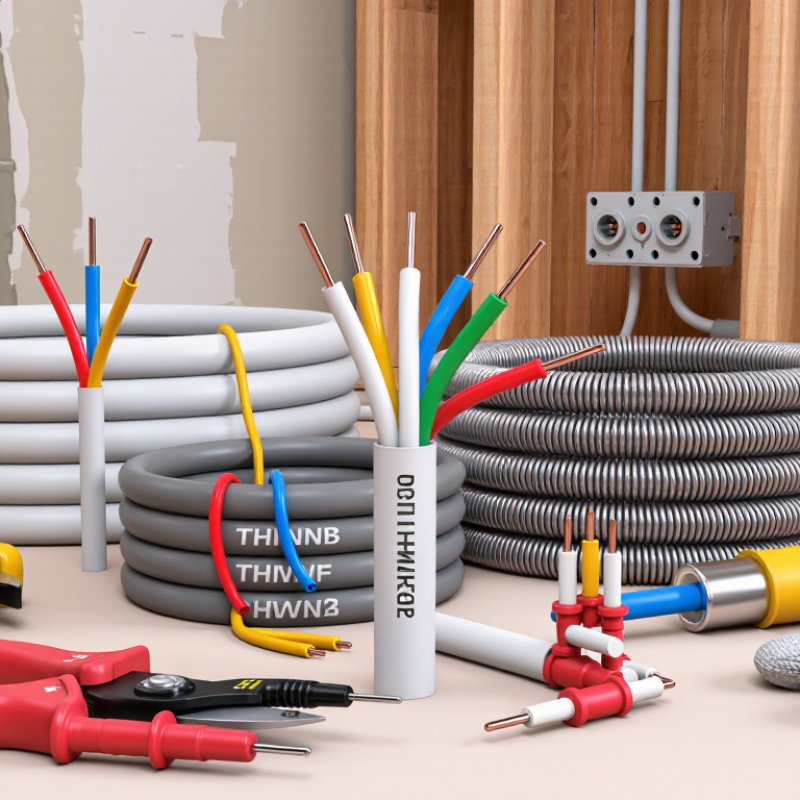
Nonmetallic sheathed cable remains common inside dry residential walls. It combines insulated conductors with a grounding wire and protective outer sheathing. Individual thermoplastic wires are often used inside conduit, especially for panels, garages, and unfinished areas. Underground feeder cable is designed for buried routes and damp locations, but local rules still control its use. Armored cable can add physical protection where wiring might face impact.

Wire size matters as much as wire type. A larger load usually requires a larger conductor, while the circuit breaker must match the wire’s safe capacity. Copper conducts efficiently, while aluminum can reduce material weight but requires careful, approved connections. Never judge compatibility by appearance alone.

In 2026, home circuits increasingly serve heat pumps, induction cooking, electric vehicles, and backup systems. Older wiring assumptions may no longer fit these loads. I have seen planning focus on the appliance while ignoring the complete circuit path. That is an easy mistake. Check temperature ratings, grounding, voltage, location, and local electrical requirements with a qualified electrician before installation. Even a short run deserves accurate calculations.

How Residential Electrical Wires Are Classified by Use and Construction

In 2026, residential electrical wires are commonly classified by intended use and construction. Use determines where a wire can safely operate. General branch circuits often use insulated conductors for lighting, outlets, and household equipment. High-load circuits require conductors sized for ovens, water heaters, or heat pumps. Wet or damp locations need insulation approved for moisture exposure. Low-voltage cables serve doorbells, sensors, networking, and security devices.

Construction affects installation and performance. Solid wire has one metal core and holds its shape inside terminals. Stranded wire contains many fine strands and bends more easily. Insulated individual conductors may run inside conduit, which protects them from impact and heat. Nonmetallic-sheathed cable combines insulated conductors, a grounding wire, and an outer jacket. Armored cable adds mechanical protection where exposed wiring faces physical damage. Bare or covered grounding conductors provide a low-resistance path during faults.

Details matter. A wire’s gauge, temperature rating, insulation type, and allowed environment must match the circuit. The same gauge may not support the same load under every installation condition. That is an easy mistake to underestimate. I would also avoid judging a cable by appearance alone. Faded markings can hide an important rating. Local electrical rules differ, and older homes may contain wiring that needs careful inspection. A qualified electrician should verify compatibility, terminal connections, and protection before replacement or remodeling work.

The Top Home Electrical Wire Types for Modern Residential Projects

Modern residential projects need wiring selected for location, load, and future maintenance. NM-B cable suits many dry, finished spaces, including wall cavities and ceiling areas. UF-B cable handles damp locations and direct burial when installed correctly. For conduit systems, individual THHN/THWN-2 conductors offer flexibility and clear circuit identification. Metal-clad cable can add mechanical protection where exposed wiring faces impact. Local electrical codes still control the final choice.

Tips: Check the conductor size against the circuit breaker and expected load. Keep grounding conductors continuous and protect every cable entry with approved fittings. Label circuits at the panel. A small label can prevent a long troubleshooting session. Never place indoor-rated cable in wet areas merely because it is cheaper. That shortcut deserves reconsideration.

During inspections, I would look closely at crowded junction boxes, loose terminations, and unsupported cable runs. These details often matter more than the wire type itself. Copper conductors are common, but aluminum wiring may require compatible terminals and careful installation. Voltage drop also deserves attention on long runs, especially for pumps, workshops, or detached rooms. A circuit can appear functional while operating inefficiently. I have seen neat installations hide poor planning for future outlets, so reviewing the room’s likely changes before closing the walls is worthwhile. A qualified electrician should verify sizing, routing, grounding, and testing against current local requirements.

Top Home Electrical Wire Types for Modern Residential Projects

Most common residential wiring products are rated at 600 volts. The chart compares their typical installation environments and maximum conductor temperature ratings. Actual selection must follow local electrical codes, conductor size, load, and installation conditions.

How to Choose the Right Wire Type for Each Household Circuit

Choosing household wire starts with the circuit environment, not the package label. For dry, protected interior branch circuits, NM-B cable is common. Its sheathing protects insulated conductors during normal installation. For individual conductors in conduit, THHN/THWN-2 supports organized routing. The “W” matters in damp locations. Wet areas, underground routes, and exterior circuits need wiring listed for wet locations, such as UF-B or approved conduit conductors. Garages and workshops may need extra mechanical protection. Use conduit or a metal-clad assembly where impact is likely.

Match wire size to ampacity, breaker rating, run length, temperature, and terminal limits. A 15-ampere lighting circuit commonly uses 14 AWG copper. A 20-ampere circuit commonly uses 12 AWG copper. These are typical examples, not automatic permissions. The National Electrical Code requires adjustments for bundling, heat, and installation conditions. NFPA’s Home Structure Fires report estimated 32,650 annual home fires involving electrical distribution and lighting equipment from 2016–2020. Those fires caused approximately 440 deaths and 1,250 injuries annually. Property damage reached about $1.3 billion each year. Loose terminations and overfilled boxes are poor shortcuts. I still see people choosing thicker wire “for safety.” That can create terminal problems and hide the real issue: correct protection. Local code adoption can change the answer. Check it before buying.

What Are the Top Home Electrical Wire Types in 2026? - How to Choose the Right Wire Type for Each Household Circuit

Wire Type Typical Construction Common Household Uses Suitable Installation Location Key Advantages Important Limitations Typical Circuit Examples Selection Guidance
NM-B Cable Two or more insulated copper conductors plus a bare or insulated grounding conductor inside a nonmetallic jacket. Most general-purpose branch circuits, lighting, receptacles, bedrooms, living areas, and finished interior spaces. Dry locations inside walls, ceilings, attics, and other protected parts of residential buildings. Easy to route, widely used for residential wiring, and provides multiple conductors in one cable assembly. Not permitted where exposed to moisture, direct sunlight, physical damage, or locations requiring a wiring method approved for wet areas. 15 A lighting circuit
20 A receptacle circuit
120/240 V household branch circuit
Choose the conductor size to match the overcurrent protection and load. Common copper pairings are 14 AWG with 15 A and 12 AWG with 20 A, subject to applicable code rules.
THHN / THWN-2 Single insulated copper or aluminum conductors, commonly pulled through conduit. THWN-2 insulation is rated for wet locations; many conductors carry dual markings. New construction, exposed runs, unfinished basements, garages, workshops, service areas, and conduit-installed branch circuits. Inside approved raceways, conduit, and other permitted wiring systems. THWN-2 is suitable for wet locations when installed according to code. Flexible, easy to replace or modify in conduit, available in many conductor sizes, and suitable for a broad range of circuits. Individual conductors generally require a complete raceway system and proper color identification. They are not normally installed loose inside finished walls. Conduit branch circuits
Garage receptacles
Feeder conductors
Use when conduit is required or preferred. Confirm insulation rating, conductor material, conduit fill, derating, and ampacity before installation.
UF-B Cable Solid or stranded insulated conductors with an overall moisture-resistant, sunlight-resistant nonmetallic jacket. Outdoor branch circuits, landscape equipment, detached structures, exterior lighting, and wiring routed underground. Wet or damp locations and direct burial when the cable, burial depth, protection, and local code requirements are satisfied. Designed for moisture exposure and can provide a continuous cable assembly without installing individual conductors in conduit for every section. Stiffer and harder to strip or route than NM-B. Physical protection, burial depth, and additional conduit protection may still be required. Outdoor receptacle circuit
Detached garage supply
Landscape lighting supply
Select this type when the wiring route may be exposed to damp soil, rain, or outdoor conditions. Use listed outdoor boxes and fittings at terminations.
XHHW-2 Individual copper or aluminum conductors with cross-linked polyethylene insulation, commonly marked for wet locations and higher-temperature operation. Service entrances, feeders, subpanels, large equipment circuits, and residential circuits installed in raceway. Wet or dry locations when installed in an approved raceway or wiring system. Good moisture resistance, durable insulation, and suitability for larger conductors and feeder applications. Usually more than needed for ordinary lighting or receptacle circuits. Proper termination compatibility is especially important with aluminum conductors. Main service conductors
Subpanel feeder
Large electric equipment
Consider it for feeders or larger conductors where the installation requires wet-location approval or higher-performance insulation. Apply the correct temperature and termination rules.
SE Cable: SER / SEU Service-entrance cable with insulated conductors and a grounding or neutral arrangement appropriate to the cable style and installation. Service entrances, panel feeders, range circuits, electric dryer circuits, and some large residential equipment connections. Locations permitted by the cable listing and local electrical code; some applications may require additional protection or a different wiring method. Combines multiple larger conductors in one factory-assembled cable and can simplify certain feeder or service installations. Not interchangeable with every other cable type. Its permitted uses, grounding conductor arrangement, sunlight exposure, and protection requirements must be verified. Service entrance
Panel-to-panel feeder
Range or dryer supply
Use only for applications allowed by its listing and the governing code. Confirm the number of conductors, neutral treatment, grounding method, and terminal ratings.
MC Cable Insulated conductors enclosed in an interlocked metal armor jacket, with a grounding conductor or bonding path as required by the cable construction. Exposed interior wiring, basements, utility rooms, commercial-style residential spaces, and locations needing enhanced physical protection. Dry locations and other locations specifically permitted by the cable listing and local code. Provides mechanical protection and can be installed where nonmetallic cable is not suitable or where a metal wiring method is preferred. Requires compatible connectors, careful bonding, and proper handling. It may be less convenient to cut and route than NM-B. Exposed basement wiring
Utility-room circuits
Physically vulnerable routes
Choose when physical protection or a metal wiring method is needed. Use fittings listed for the exact cable type and maintain electrical continuity of the armor system.
Low-Voltage Landscape Cable Two insulated conductors designed for low-voltage power distribution, commonly used with listed outdoor lighting power equipment. Landscape lighting, pathway lights, garden fixtures, and other approved low-voltage outdoor systems. Outdoor locations and shallow burial applications permitted by the cable listing and the lighting-system instructions. Flexible and convenient for distributing power to multiple low-voltage fixtures around a property. Not a substitute for line-voltage branch-circuit wiring. Voltage drop can become significant on long runs or with undersized conductors. 12 V landscape lighting
Garden pathway fixtures
Size the cable for both load current and run length. Keep the low-voltage system supplied by a properly listed power unit and protect connections from moisture.
Heat-Resistant Appliance Wire Flexible insulated conductors selected for the temperature and mechanical conditions inside or near listed appliances. Internal appliance connections, ovens, ranges, furnaces, water heaters, and other equipment where ordinary building wire may not be suitable. Only within the equipment or in locations specifically permitted by the conductor listing and equipment instructions. Designed to tolerate elevated temperatures, vibration, and limited movement associated with certain appliances. Not intended for general household branch-circuit installation. The wire must match the appliance manufacturer’s requirements and terminal temperature rating. Oven internal wiring
Furnace connections
Water-heater components
Follow the appliance instructions and replacement-part specifications. Do not substitute ordinary building wire solely because the conductor appears to be the same size.

Important safety note: Wire size and circuit rating must be selected using the applicable electrical code, conductor material, insulation temperature rating, ambient temperature, conductor bundling, installation method, voltage drop, terminal ratings, and equipment instructions. The common 14 AWG copper/15 A and 12 AWG copper/20 A examples are general residential conventions, not universal rules. Electrical installation and service work should be performed or verified by a qualified electrician.

What Safety Standards Govern Home Electrical Wire Selection in 2026

What Are the Top Home Electrical Wire Types in 2026?

In 2026, wire selection starts with the installation environment, not appearance. NM-B cable suits dry, concealed indoor walls. UF-B cable handles damp locations and direct burial when installed correctly. THHN/THWN-2 conductors fit raceways, garages, and wet areas. Service-entrance cable serves larger feeders, but sizing requires a qualified professional.

The 2026 National Electrical Code remains the key safety framework in the United States. It governs conductor ampacity, insulation ratings, grounding, box fill, and protection against arcing faults. NM-B cable should meet the applicable cable standard, while individual conductors need recognized insulation approvals. Moisture, heat, sunlight, and burial depth can change the correct choice. A wire rated for dry walls may fail in a damp crawlspace.

Small details matter.

National Fire Protection Association data for 2015–2019 linked electrical distribution and lighting equipment to about 35,000 U.S. home fires annually. The Consumer Product Safety Commission also emphasizes ground-fault protection, which can disconnect power in roughly 1/40 of a second. AFCI protection is required in many living areas, while GFCI protection commonly applies to kitchens, bathrooms, garages, outdoors, and laundry spaces. Local amendments may differ. That uncertainty deserves attention. A label alone does not prove a safe installation; routing, torque, connectors, and inspection matter equally.