Leave Your Message

Top Home Electrical Wire Options for 2026 Buyers Guide?

As home renovations continue to rise, understanding the options for home electrical wire is crucial for buyers in 2026. Expert electrician James Thornton emphasizes, "Choosing the right wire can prevent future electrical issues." In today's market, there are various types of wires available, each designed for specific needs and safety standards.

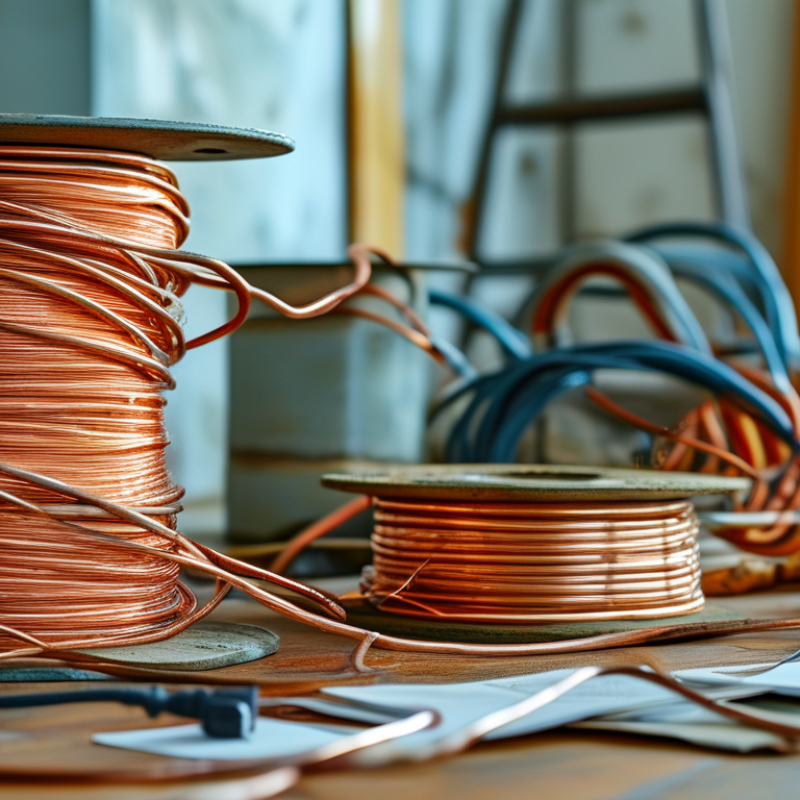
With advancements in technology, homeowners now seek wires that offer durability and efficiency. Common choices include copper and aluminum wires, both of which have unique benefits. Copper, for example, is favored for its excellent conductivity and reliability. However, aluminum presents a lightweight, cost-effective alternative that many buyers overlook.

Navigating these options can be overwhelming. Buyers must consider factors such as wire gauge, insulation type, and environmental conditions. The complexity of these choices reminds us that making informed decisions requires both knowledge and experience. It’s a reflection on the importance of consulting with professionals and understanding the specifics of home electrical wire to ensure safety and longevity in any project.

Top Home Electrical Wire Options for 2026 Buyers Guide?

Top Electrical Wire Types for Residential Use in 2026

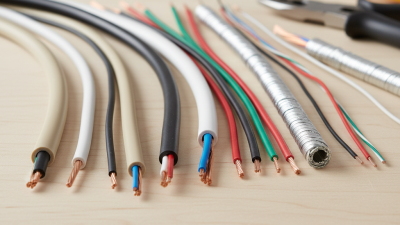
When choosing electrical wire types for residential use in 2026, several options stand out. Copper wire remains a popular choice due to its excellent conductivity. It's durable and resists corrosion. According to the National Electrical Manufacturers Association, copper accounts for around 70% of all residential wiring.

Aluminum wire is another option, often chosen for its lightweight and cost-effectiveness. It is important to note that special connectors and techniques are needed for aluminum to prevent issues like corrosion. This wire is typically used in larger appliances or circuit installations.

Tips: Always check local codes before purchasing wire. Codes can vary significantly from one area to another. Consider future needs when wiring your home. Anticipating higher electrical demands can save you from costly upgrades.

Lastly, don’t overlook the insulation type. PVC and XLPE insulation provide different levels of protection. Ensure you select the right insulation for your home's environment. A mismatch could result in failure, raising safety concerns. Striking a balance between cost and quality is essential when making your selection.

Understanding Electrical Wire Gauge: Choosing the Right Size

Choosing the right electrical wire gauge is crucial for any home wiring project. A wire's gauge indicates its diameter and current-carrying capacity. The American Wire Gauge (AWG) system is widely recognized. For most residential applications, 14 AWG wire is common for lighting circuits. However, larger appliances typically require a 10 or 12 AWG wire to prevent overheating.

According to the National Electrical Code, using the correct wire size can prevent safety hazards. A report from the U.S. Consumer Product Safety Commission notes that improper wire sizing leads to numerous house fires each year. For example, a 15-amp circuit generally uses 14 AWG wire, whereas a 20-amp circuit should use 12 AWG. Ignoring these guidelines can be risky. So, consulting an electrician is advisable.

Gauge selection is not just about following codes; it directly impacts efficiency. Thinner wires waste energy as heat, while over-sizing can lead to installation difficulties. Upgrading existing wiring should be considered carefully, especially in older homes. Many older properties were built with outdated standards. This is often overlooked during renovations, leading to potential issues in carrying modern electrical loads.

Copper vs. Aluminum Wiring: Pros and Cons for Homeowners

When choosing electrical wiring for homes, homeowners often weigh copper and aluminum options. Copper wiring is known for its excellent conductivity, durability, and resistance to corrosion. According to the National Electrical Code, copper remains the industry standard due to its reliability. However, it’s also more expensive, with costs running approximately $2.50 to $3.50 per foot.

On the other hand, aluminum wiring offers a lighter alternative and is more budget-friendly, costing about $0.80 to $1.50 per foot. While it conducts electricity well, aluminum can corrode more easily and is prone to expansion and contraction. Data from industry reports suggest that over 2 million homes still utilize aluminum wiring, yet potential safety hazards arise if not properly maintained.

Tip: Regular inspection of wiring is essential. Look for wear and tear to catch issues early.

Another point to consider is compatibility. Copper connections may not work effectively with aluminum wiring due to differing thermal expansion rates. These discrepancies can lead to loose connections, which create fire risks. Understanding these factors ensures better decision-making for your home.

Tip: Always consult with a licensed electrician for your wiring needs to ensure safety and compliance.

Safety Standards and Regulations for Electrical Wiring in 2026

When considering electrical wiring for homes in 2026, safety standards take center stage. These regulations are designed to protect both residents and properties. Wiring must now meet updated requirements set by safety organizations. These standards ensure that materials used can withstand various conditions, such as extreme temperatures and moisture.

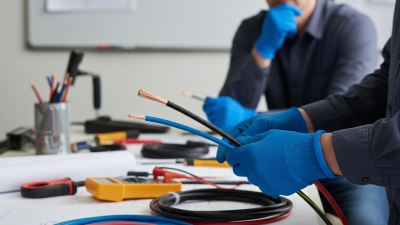
Homeowners should pay close attention to the quality of wiring. Inferior products can lead to malfunctions or hazards. The installation of electrical wiring must be carried out by trained professionals. Proper installation reduces risks and enhances safety.

Regular inspections are essential. They catch potential issues before they escalate.

The evolving landscape of electrical safety regulations means continuous learning. New technologies emerge, impacting standards and practices. Homeowners should stay informed about these changes. Engaging with local experts can help navigate the complexities. It’s essential to understand the implications of these regulations on home safety.

Future Trends in Electrical Wiring Technology for Home Buyers

As we look toward 2026, the landscape of home electrical wiring is evolving rapidly. Homes will likely integrate smart technologies more seamlessly. This shift will enhance energy efficiency, but homeowners must understand the implications. New wiring options may enable more devices to connect without overloading circuits. However, improper installation could lead to safety issues.

Innovation in materials is another trend. Traditional copper wiring, while reliable, often faces competition from advanced options. For instance, aluminum wiring boasts lower costs, yet concerns over fire hazards persist. Homebuyers should weigh these choices carefully. Not all alternatives offer the same level of reliability, and diligence is crucial in selecting the right material.

Additionally, wireless technology might challenge the necessity of conventional wiring altogether. While alluring, reliance on wireless solutions raises questions about security and stability. As homes become intelligent, understanding these shifts will be vital. Buyers will need to partner with experienced professionals who can guide them through these emerging trends with confidence. Awareness of both the benefits and potential drawbacks of these innovations will help ensure a safe, modern living environment.