How to Choose the Right Home Electrical Wire for Your Projects?
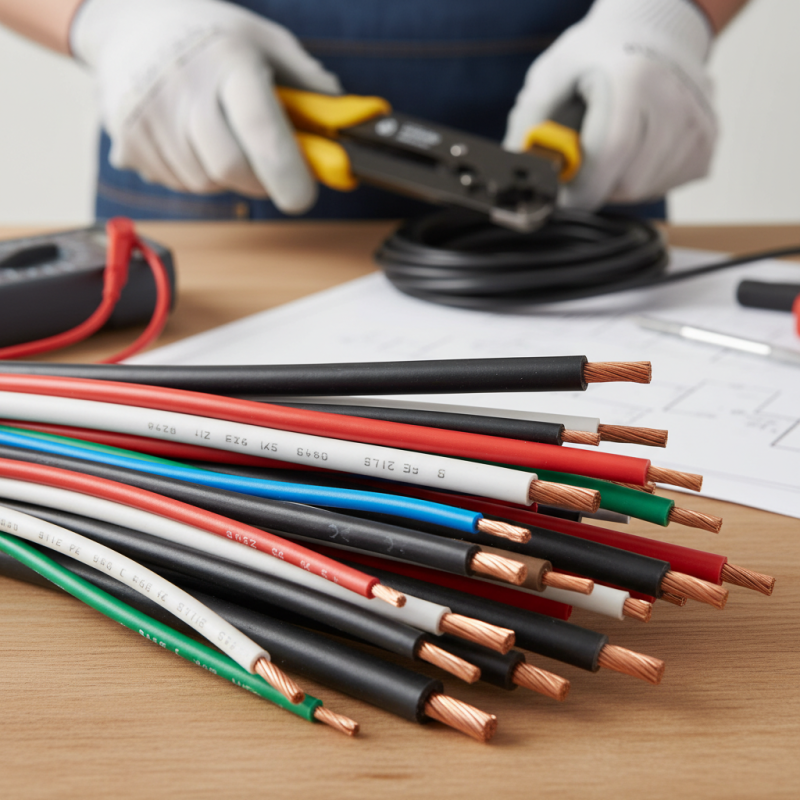
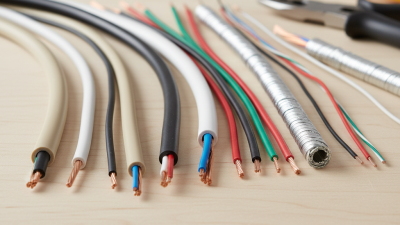
Choosing the right home electrical wire is crucial for safety and performance. John Smith, an electrical engineering expert, once said, "Selecting the right wire can make or break your project." Understanding the different types of home electrical wire is essential for any homeowner or DIY enthusiast.
Electricity is powerful and can be dangerous if not handled correctly. Each project may require different wire types and sizes. For example, wires vary in gauge, insulation type, and capacity. Choosing the incorrect wire could lead to hazards like overheating or fires.
Many people overlook the importance of using reputable resources when selecting home electrical wire. It's not just about aesthetics; it's about safety and efficiency. Invest time in researching products and consulting experts like John Smith. By doing so, you minimize risks and maximize the success of your electrical projects. Your home deserves the best, and choosing the right electrical wire is a step in that direction.
How to Identify the Gauge of Electrical Wire for Your Project Needs
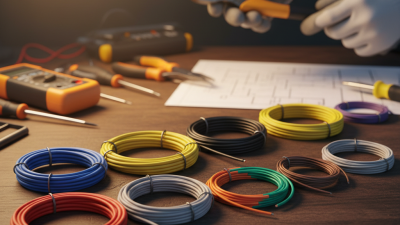
Choosing the right gauge of electrical wire is crucial for any home project. The wire gauge affects performance and safety. A thicker wire, indicated by a lower gauge number, can carry more current. This is essential for high-demand appliances. But if you use a wire that is too thick for a low-demand project, it can be cumbersome.
To determine the correct gauge, consider the power needs of your devices. For general lighting, a 14-gauge wire usually suffices. However, for outlets serving heavy equipment, a 12-gauge wire is more appropriate. Always refer to local codes to ensure compliance. Overlooking these details can lead to unsafe conditions.
Sometimes, projects become more complicated than anticipated. For instance, you may underestimate the number of devices connected to a single circuit. This can lead to overheating and potential fires. If you’re unsure, consulting with a professional is wise. Gauging electrical wire correctly is not just about numbers; it’s about ensuring safety and system efficiency. Pay attention to your project’s specific needs to avoid costly mistakes.
Understanding Ampacity Ratings for Safe Electrical Wire Selection
When selecting electrical wire for home projects, understanding ampacity ratings is crucial. Ampacity refers to the maximum current a wire can safely carry. For example, 12-gauge wire can handle up to 20 amps, while 14-gauge wire is suitable for 15 amps. Choosing the wrong gauge can lead to overheating and potential fire hazards.
The National Electrical Code (NEC) provides guidelines for safe wire usage. It recommends considering the wire's environment, ambient temperature, and insulation type. For instance, wires installed in walls with lower ventilation may need to have lower ampacity ratings compared to those in open areas. This discrepancy can lead to a gap in safety if overlooked.
In a recent report by the Electrical Safety Foundation International (ESFI), improper wire selection was cited as a leading factor in home electrical fires. Nearly 30% of reported electrical fires were linked to faulty wiring or overloaded circuits. This statistic underlines the importance of careful consideration. While it can be tempting to use less expensive options, safety should always come first. Balancing cost-efficiency and safety is essential for successful projects.
Key Considerations for Wire Insulation Types and Their Applications
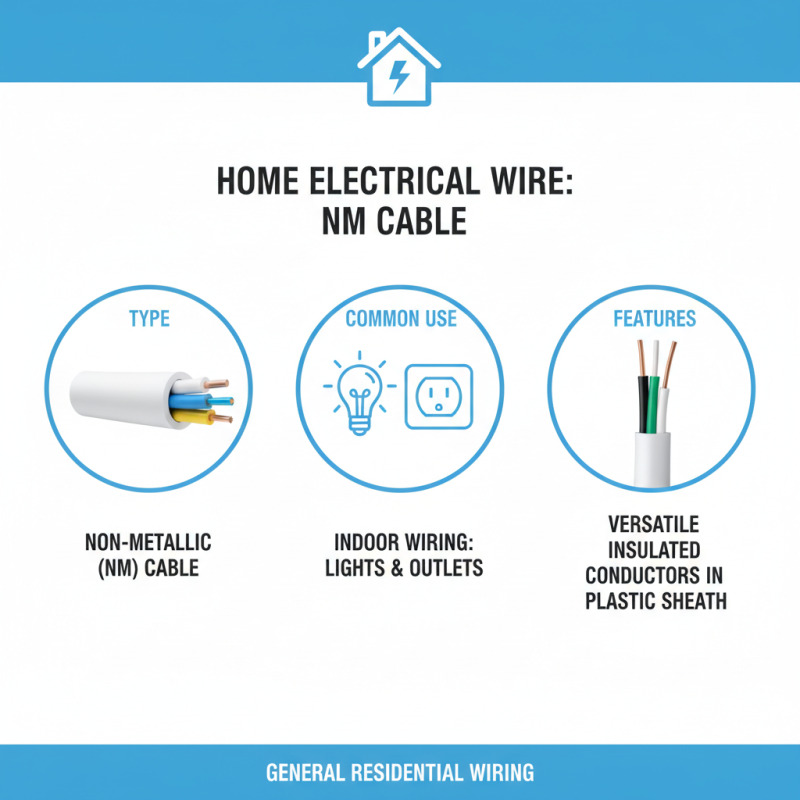
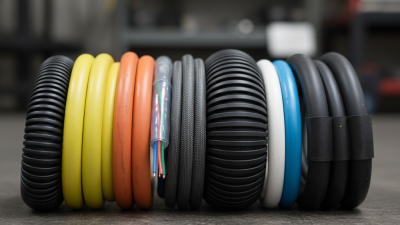
When selecting electrical wire insulation, the type of insulation plays a crucial role in safety and performance. Common types include PVC, THHN, and XLPE. PVC (Polyvinyl Chloride) is economical and suitable for indoor use. However, its limited temperature rating may not suit all environments. Alternatively, THHN (Thermoplastic High Heat-resistant Nylon-coated) offers higher resistance to heat and moisture. It is versatile for various applications, including residential and commercial wiring. Yet, it can be less flexible in cold temperatures.
XLPE (Cross-Linked Polyethylene) emerges as a superior choice for extreme conditions. It withstands higher temperatures and is resistant to chemicals and moisture. According to industry reports, XLPE can endure temperatures up to 90°C in dry conditions. This makes it a prime candidate for outdoor or industrial wiring. However, installation can be challenging due to its rigidity.
Choosing the right wire insulation also depends on the project’s electrical load. For example, a standard circuit may need a different grade than a heavy-duty appliance. It’s essential to consider local electrical codes and regulations. They guide insulation types and ensure safety. Missing these details can lead to costly mistakes or, worse, hazardous situations. Always balance budget constraints with the need for reliable materials.
Local Codes and Regulations Impacting Electrical Wire Choices in Homes
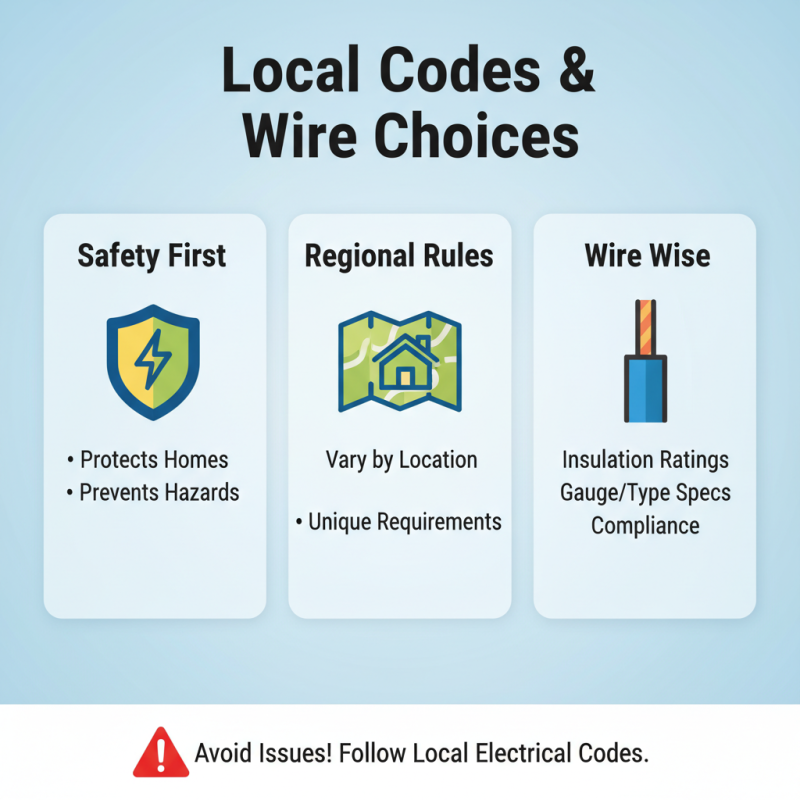
When selecting electrical wire for home projects, local codes and regulations play a crucial role. These guidelines ensure safety and compatibility with local standards. Different regions can have unique requirements, impacting the type of wire you need. For instance, some areas require specific insulation ratings. Ignoring these codes could lead to compliance issues down the line.
Understanding local regulations can be complex. It's essential to consult your city or county's building department for detailed information. Factors like wire gauge and type of insulation often vary based on your location. This demands careful consideration during planning. Sometimes, homeowners overlook these details, leading to unexpected challenges. It's worth taking the time to double-check your choices against local mandates.
Navigating through these regulations might feel daunting. However, it's a necessary step toward ensuring safety and reliability. Documentation from previous projects can provide useful insights into what worked well. Learning from past mistakes can guide your current selection process. Always remember, adhering to local codes not only enhances safety but also protects your investment in the long run.