How to Choose the Best Cable Supplies for Your Project?
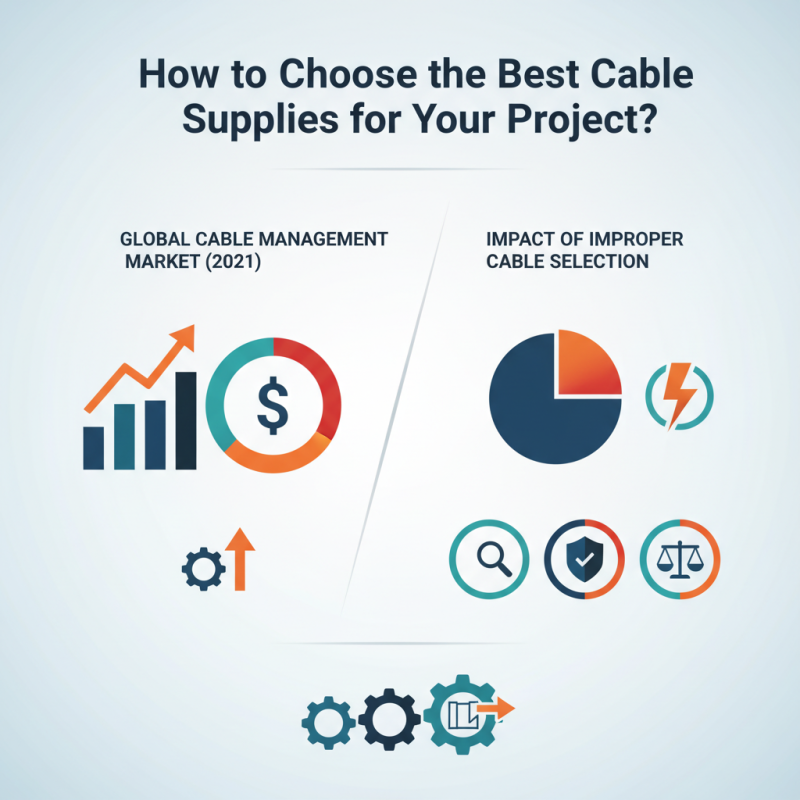
Choosing the right cable supplies for your project is crucial for success. In 2021, the global cable management market was valued at approximately $6.2 billion and is projected to grow further, indicating robust demand. This highlights the importance of selecting high-quality cable supplies that meet industry standards. Without the right cables, even the best designs can fail.
When considering cable supplies, factors like material quality and insulation type play a significant role. Data from the International Electrotechnical Commission shows that improper cable selection accounts for nearly 30% of electrical failures in projects. These statistics emphasize the need for careful evaluation and informed decisions. A project can only succeed when the right components are used.
Investors and professionals alike need to weigh options critically. While there are many suppliers, not all products guarantee reliability. Customer reviews offer insight but can be misleading. It's essential to look beyond just price. Prioritizing reputable brands and their certifications can lead to better long-term outcomes. The stakes are high, making the decision of cable supplies one that merits careful thought.
Understanding Your Project Requirements for Cable Supplies
Understanding your project requirements is crucial when selecting cable supplies. Start by defining the purpose of your project. Are you installing new lighting, wiring a home theater, or managing a network? Each application demands specific cable types and specifications. For example, audio and video systems require cables with high shielding. This minimizes interference, ensuring clear signals.
Next, consider the environment where the cables will be used. Will they be indoors or exposed to the outdoors? Outdoor cables must withstand weather conditions. This might mean selecting materials that resist UV rays and moisture. On the other hand, indoor cables can prioritize flexibility and ease of installation.
Lastly, account for the length and gauge of the cables. Longer runs may require thicker cables to avoid voltage drop. It's essential to balance cost against quality. Choosing the cheapest option could lead to failure down the line. Reflecting on these details will save you time and frustration during installation.
Identifying the Different Types of Cables and Their Uses
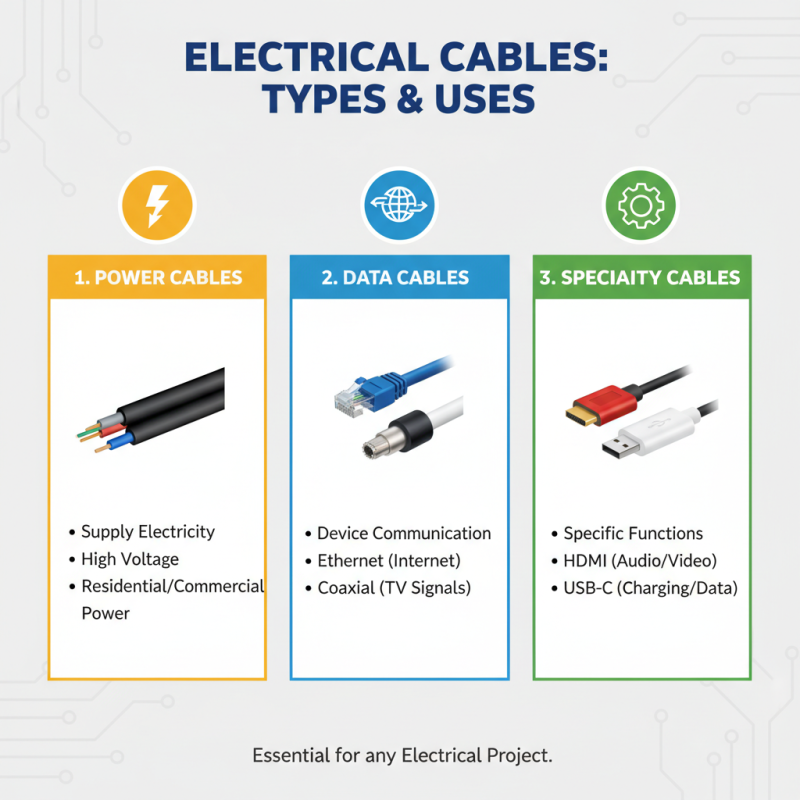
When embarking on any electrical project, understanding the types of cables is crucial. There are several categories of cables, each serving distinct purposes. For instance, power cables are designed to supply electricity. They can handle high voltages and are essential in both residential and commercial applications. On the other hand, data cables facilitate communication between devices. Ethernet cables are common for internet connectivity, while coaxial cables are used for television signals.
Different environments also dictate cable selection. Outdoor cables must withstand weather conditions like moisture and heat. These cables often come with additional protective layers. Meanwhile, indoor cables may prioritize flexibility and ease of installation. Choosing the right type enhances safety and functionality.
It's important to reflect on your project's requirements before making a decision. Consider factors such as length, voltage, and insulation. You may realize that what seems like a straightforward choice can complicate matters. Complexity often arises from mismatched specifications or installation environments. Remember to research thoroughly and consult professionals if needed.
Evaluating Cable Quality and Performance Specifications
When selecting cable supplies for a project, understanding cable quality is crucial. Quality impacts performance, durability, and safety. According to industry reports, cables with a higher purity of copper can enhance conductivity, reducing energy loss. The National Electrical Manufacturers Association (NEMA) states that poor-quality cables can lead to system failures.
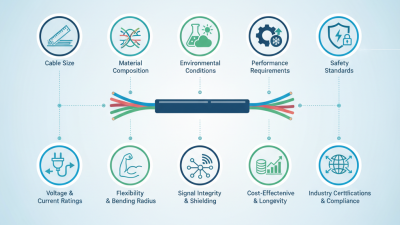
Look closely at performance specifications. Voltage ratings, temperature tolerances, and insulation types matter significantly. For example, cables rated for 600V are suitable for most residential applications, but industrial settings may require higher ratings. A notable finding from a 2022 report by the International Electrotechnical Commission (IEC) indicates that inadequate insulation can reduce cable lifespan by up to 40%.
Testing cables for flexibility and impedance can also reveal their quality. Some cables may seem sturdy but can be inflexible, causing installation challenges. Regular voltage and insulation testing are recommended practices for ensuring reliability before deployment. Remember, investing time in evaluating these aspects can prevent costly project delays and safety issues in the long run.
How to Choose the Best Cable Supplies for Your Project? - Evaluating Cable Quality and Performance Specifications
| Cable Type |
Material |
Max Voltage (V) |
Current Rating (A) |
Temperature Rating (°C) |
Length (m) |
Use Case |
| Power Cable |
Copper |
600 |
50 |
90 |
100 |
Industrial Machinery |
| Data Cable |
Aluminum |
300 |
20 |
60 |
50 |
Networking |
| Coaxial Cable |
Copper |
750 |
10 |
75 |
25 |
Television/Audio |
| Speaker Wire |
Copper |
100 |
15 |
70 |
50 |
Home Audio Systems |
| Fiber Optic Cable |
Glass |
Not Applicable |
N/A |
85 |
100 |
High-Speed Internet |
Comparing Supplier Options and Pricing
When selecting cable supplies for your project, comparing supplier options and pricing is essential. Start by researching local and online suppliers. Look for those with a strong reputation. Reliable suppliers often have transparent pricing and detailed product specifications available on their websites.
It is important to understand the pricing structure. Some suppliers may offer bulk discounts, while others might charge extra for shipping. Check if they have a price match policy or special deals. The difference in costs can impact your overall project budget significantly.
Don't forget to read reviews and ask for recommendations. Customer feedback can reveal insights you might not find elsewhere. Sometimes, a lower price may reflect on quality. Reflect on whether saving money is worth the risk of a subpar supply. Balancing cost and quality ensures your project runs smoothly. Pay attention to any hidden fees that might arise later in the process.
Comparison of Cable Supplies Pricing from Various Categories
Ensuring Compliance with Standards and Regulations
When selecting cable supplies, compliance with standards and regulations is crucial. These guidelines ensure safety, reliability, and performance. Each project has its own requirements based on its application. A failure to meet these standards can lead to serious consequences. For instance, using substandard cables can disrupt power flow or even start fires.
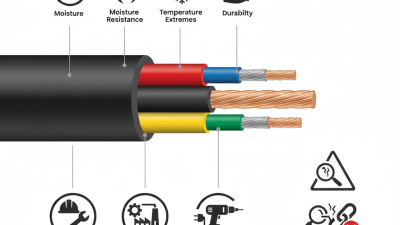
Research is essential in this process. Understanding the specific regulations applicable to your industry or region is key. Voltage ratings, insulation types, and environmental factors all play a role. Many projects require cables to withstand specific conditions. This often includes exposure to moisture or extreme temperatures. If not properly addressed, these factors can undermine project integrity.
While it may be tempting to cut corners on costs, this can lower overall safety. Investing in reliable materials is a wise choice. Consulting with industry experts can help clarify ambiguities. It’s important to stay up to date with evolving standards. Regular reviews of compliance can prevent potential issues. Ultimately, diligence in this area leads to better project outcomes and long-term safety.