How to Choose the Right Home Electrical Wire for Your Projects?
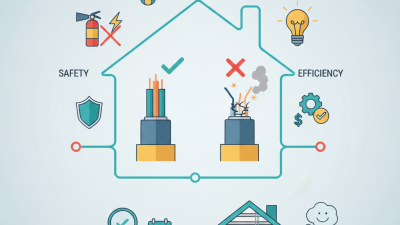
Choosing the right home electrical wire for your projects is essential for safety and efficiency. According to electrical expert John Smith, “The correct wire can make all the difference in a project.” This statement underscores the importance of selecting the appropriate type of wire. Without proper knowledge, even experienced DIYers might face challenges.
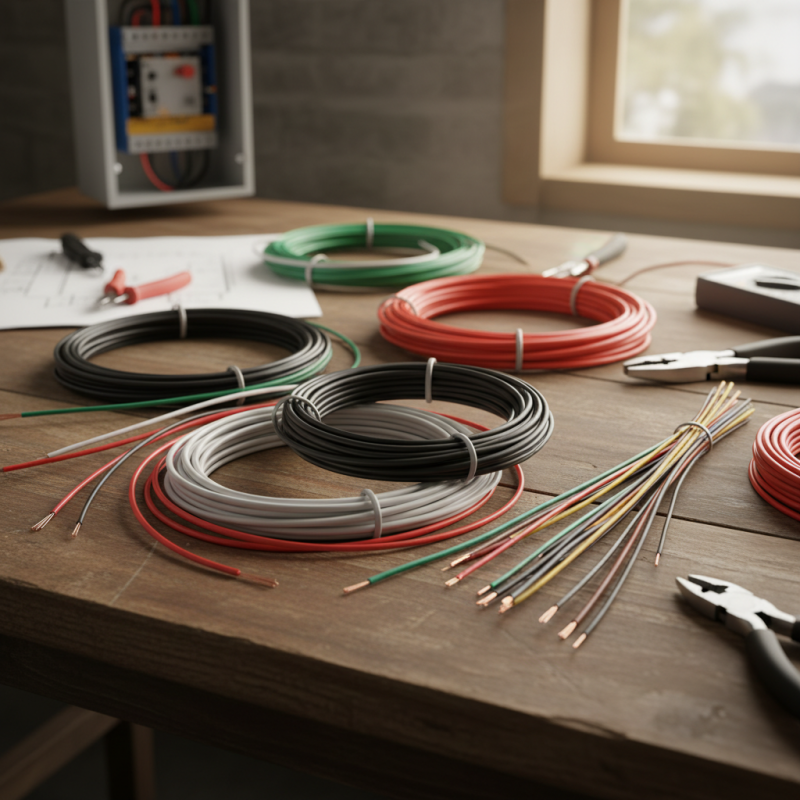
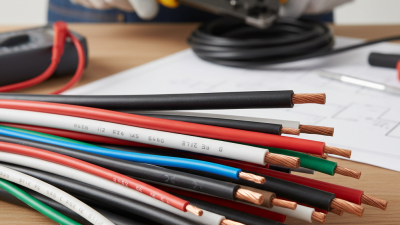
Home Electrical Wire comes in various types and sizes. Each type serves a specific purpose. Using the wrong type can lead to serious hazards. Thicker wires can handle more current, while thinner wires are suitable for lighter tasks. Understanding these distinctions is crucial for homeowners and professionals alike.
When planning your project, consider the wattage and voltage requirements. Many forget to check their local codes, which can vary. It's important to familiarize yourself with these regulations to avoid costly mistakes. Ultimately, taking the time to choose the right home electrical wire can prevent future issues and ensure safety.
Understanding Different Types of Home Electrical Wires Available
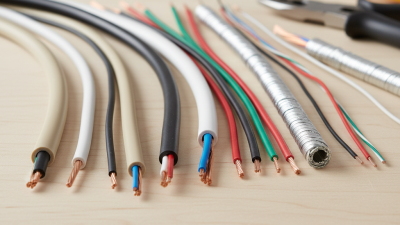
Choosing the right home electrical wire is crucial for safety and efficiency. Various types are available, each with distinct uses. The most common types include THHN, NM-B, and UF wires. THHN is suitable for dry locations. It handles heat well and is often used for wiring in conduits. NM-B is used for indoor applications, ideal for residential wiring. Conversely, UF wire is designed for outdoor use. It can withstand exposure to moisture.
When selecting wire, consider ampacity, or the amount of current a wire can safely carry. Larger gauge wires support more current but can be cumbersome. Smaller gauges are easier to handle but may not carry enough current for larger appliances. Reflect on your project’s needs carefully. Buying some wires without adequate knowledge could lead to issues.
Also, keep in mind local codes and regulations. They may dictate specific requirements for different types of wires. Make sure your choices align with these standards to avoid safety hazards. Mistakes in wire selection can lead to unforeseen complications. Always prioritize safety and consult with a professional whenever in doubt.
Types of Home Electrical Wires and Their Applications
Key Factors to Consider When Choosing Electrical Wire
Choosing the right home electrical wire is crucial for safety and efficiency. Several key factors can guide your decisions. The wire gauge is essential; it determines the amount of current a wire can carry. According to the National Fire Protection Association (NFPA), improperly sized wires account for a significant percentage of electrical fires. It’s vital to match wire gauge to the circuit’s amperage requirements.
Additionally, insulation type must be considered. Different insulation materials offer varying levels of heat resistance and environmental protection. For instance, THHN (Thermoplastic High Heat-resistant Nylon-coated) wire is ideal for dry locations, while UF (Underground Feeder) wire is suited for outdoor or underground applications. The Wire and Cable Manufacturers Alliance (WCMA) emphasizes how using the right insulation can prevent insulation failure and potential hazards.
Lastly, think about the installation environment. Factors such as temperature, exposure to moisture, and mechanical damage can affect wire performance. Research by the Institute of Electrical and Electronics Engineers (IEEE) shows that failing to consider the environment can lead to premature wire degradation. Making informed choices can greatly enhance the safety and reliability of your electrical projects.
Wire Gauge Explained: Choosing the Right Size for Your Project
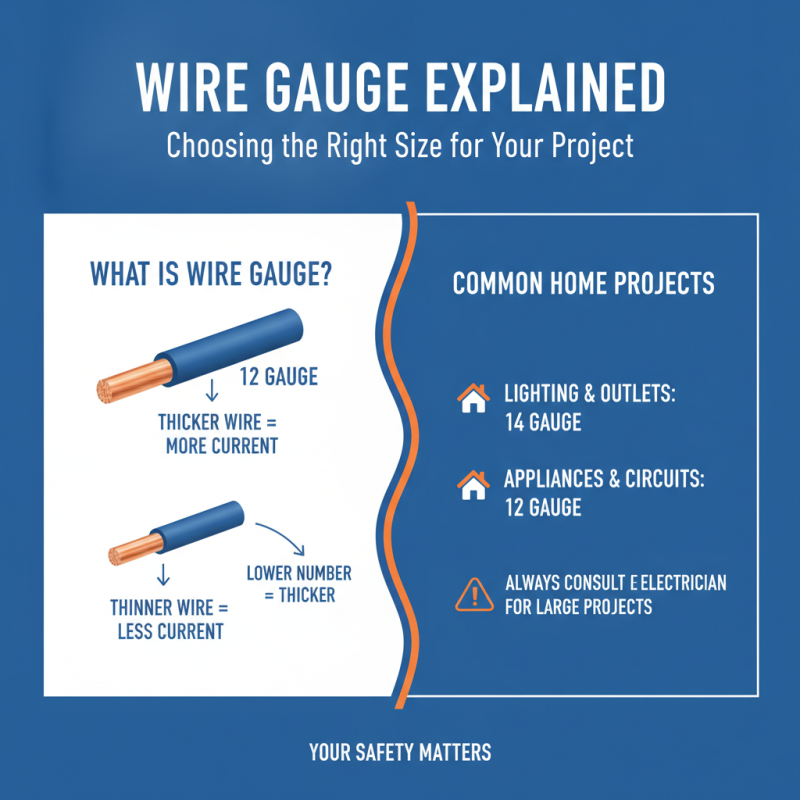
When selecting electrical wire for your project, understanding wire gauge is crucial. The wire gauge indicates the thickness of the wire, which affects its capacity to handle electrical current. A lower gauge number means a thicker wire, allowing for more current flow. For residential projects, 12 and 14-gauge wires are common.
Selecting the right wire gauge is essential for preventing overheating. Using a wire that is too thin can lead to dangerous situations. Conversely, using an overly thick wire can be more cumbersome and expensive. Knowing the power requirements of your devices ensures you choose appropriately.
Tips: Always double-check the amp rating for the circuit you are installing. Understand the load you plan to run. If in doubt, consult with an electrician for guidance. This process can help avoid serious mistakes. Not every project is perfect. Learning from these choices can improve future installations.
Safety Standards and Regulations for Home Electrical Wiring
When working with home electrical wiring, adhering to safety standards is paramount. Understanding local codes is a crucial first step. These regulations protect you from potential hazards, ensuring that your installation meets safety requirements. Familiarize yourself with guidelines from recognized safety organizations. This knowledge can prevent accidents and improve the overall quality of your work.
Proper insulation is another critical factor. Always check the wire's insulation rating to handle the voltage levels in your project. The right type of insulation will help avoid overheating and electrical fires. It’s also essential to consider the wire gauge. Thinner wires can carry less current, which may lead to failures in your systems. Regularly refer to guidelines for proper wire sizing to maintain safety.
Many DIY enthusiasts underestimate the importance of following these standards. Skipping or overlooking a detail can lead to serious consequences. Always double-check your installations, and consider consulting an expert when in doubt. Electrical work is complex and should be approached with caution and respect for safety guidelines. Remember, a moment of reflection can save you from potential hazards down the road.
How to Choose the Right Home Electrical Wire for Your Projects? - Safety Standards and Regulations for Home Electrical Wiring
| Wire Type |
Gauge |
Max Amperage |
Usage |
Safety Rating |
| NM-B (Romex) |
14 |
15 Amps |
Lighting, Receptacles |
UL Listed |
| THHN |
12 |
20 Amps |
Branch Circuits |
UL Listed |
| UF-B |
10 |
30 Amps |
Outdoor Circuits |
UL Listed |
| MC Cable |
8 |
40 Amps |
Commercial Wiring |
UL Listed |
| SEC (Service Entrance Cable) |
6 |
60 Amps |
Service Connection |
UL Listed |
Tips for Proper Installation and Maintenance of Electrical Wires
When installing electrical wires, proper techniques are essential for safety and efficiency. According to the National Fire Protection Association (NFPA), approximately 51,000 home fires each year are linked to electrical failures. Ensuring that wires are installed correctly can significantly reduce this risk. Always choose the right gauge for your project. For instance, 14-gauge wire is typical for household circuits, while 12-gauge might be required for higher loads.
Regular maintenance is equally important. Inspections should be conducted yearly, focusing on signs of wear, such as frayed wires or corrosion. A report by the Electrical Safety Foundation International indicates that regular maintenance can lead to a 40% reduction in electrical hazards. Consider using wire conduits to protect against moisture and physical damage. Tight connections are crucial; loose connections can cause overheating and potential fires.
While it’s important to follow guidelines, remember that conditions can differ. Unexpected factors like humidity levels or temperature can affect wire performance. It’s wise to stay informed, as new research often emerges. Consulting an electrician for complex setups can save time and ensure compliance with local codes. Regularly educate yourself on electrical safety standards. Knowledge can empower you to make better decisions in your projects.