Leave Your Message

How to Source Soow Cable for Your Project Needs?

Selecting the right Soow Cable for your project can be challenging. The cable's flexibility and durability make it vital for various applications, from construction sites to industrial settings. According to a report by the National Electrical Manufacturers Association, demand for flexible cables is expected to grow by 5% annually. This statistic highlights the need for careful sourcing.

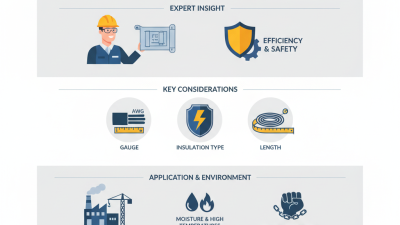
John Smith, a renowned industry expert, remarked, "Choosing the right Soow Cable can significantly impact project safety and efficiency." His insights reflect the reality that not all cables are created equal. Environmental factors and operational demands must guide your selection.

Ensuring quality and reliability in Soow Cable means evaluating manufacturers. Look for certifications and industry standards. A cable that meets your needs can lead to increased productivity. However, cutting corners can result in significant setbacks. In your sourcing journey, remember that making informed decisions today safeguards your project's integrity tomorrow.

How to Source Soow Cable for Your Project Needs?

Understanding the Basics of SOOW Cable: Definition and Uses

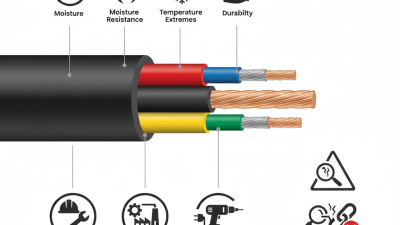
SOOW cable is essential in various industries. It stands for Service, Oil-resistant, and Water-resistant. This cable type is designed for portable applications, often found in construction, marine, and mining sectors. According to the National Electrical Manufacturers Association (NEMA), SOOW cables are popular due to their durability and versatility. They are capable of withstanding harsh environmental conditions and mechanical stress.

These cables typically consist of stranded copper conductors. This design enhances flexibility and reduces the risk of breakage. The outer insulation is made from thermoplastic elastomer, providing excellent moisture and abrasion resistance. Data from the Electrical Safety Foundation International (ESFI) indicates that using high-quality SOOW cables can prevent electrical accidents. The cables are rated for high currents, making them ideal for heavy machinery.

Understanding SOOW cables is critical for project success. Misjudging cable specifications can lead to inefficiencies and hazards. Regularly checking the cable's condition is important. Despite their robust design, wear and tear can occur. Poor maintenance might compromise safety and performance. Selecting the right specifications for your needs is crucial. Investing time in understanding these details pays off in the long run.

How to Source Soow Cable for Your Project Needs? - Understanding the Basics of SOOW Cable: Definition and Uses

Cable Type Conductors Voltage Rating Application Features
SOOW 10 AWG 3 conductors 600V Industrial equipment Water-resistant, oil-resistant
SOOW 12 AWG 2 conductors 600V Portable tools Flexible, durable
SOOW 8 AWG 4 conductors 600V Heavy machinery Resistant to abrasion
SOOW 14 AWG 2 conductors 600V Lighting systems Low temperature flexibility
SOOW 6 AWG 3 conductors 600V Generators UV resistant

Identifying Key Specifications for SOOW Cable Sourcing

When sourcing SOOW cable for your project, understanding key specifications is crucial. SOOW cable is a versatile choice for various applications. It is designed for heavy-duty outdoor use, and its construction plays a significant role in its performance. You must consider the cable's gauge, which impacts its current-carrying capacity. Using a gauge that's too small can lead to overheating and potential failure.

Moreover, the insulation type is another vital aspect. SOOW cables feature rubber insulation that offers excellent resistance to moisture, heat, and abrasion. This is essential for environments exposed to harsh conditions. Verify the cable’s voltage rating. Ensure it meets or exceeds your project’s requirements to avoid electrical hazards.

Consider the length of the cable too. Often, projects underestimate the needed length, which can lead to delays. It’s advisable to measure accurately and purchase a little extra for unforeseen needs. While selecting, keep in mind the balance between cost and quality. Cheaper cables may save money initially but may not perform adequately long-term. Making informed choices will reflect your project's success.

SOOW Cable Specifications Comparison

This chart illustrates the comparison of key specifications for different types of SOOW cables commonly sourced for various project needs. The focus is on voltage rating, insulation type, and conductor size.

Evaluating SOOW Cable Manufacturers: What to Look For

When evaluating SOOW cable manufacturers, it’s essential to consider their experience in the industry. A manufacturer with a long-standing history typically shows reliability. Look for companies that have a proven track record of customer satisfaction. Check their portfolio for project examples that match your needs. This can reflect their capability to handle various applications effectively.

Next, assess the quality assurance processes they employ. Reputable manufacturers should adhere to strict quality standards. Inquire about their certifications and testing procedures. Testing ensures that the cables can withstand environmental impacts. Additionally, consider the materials used in the cables. High-quality insulation and conductors are critical for optimal performance.

Finally, consider customer service and support. Effective communication is vital. Manufacturers should be responsive and willing to provide technical assistance. If you encounter issues, reliable support can ease your troubleshooting. Reflecting on these factors will guide you in selecting a reputable SOOW cable manufacturer for your project.

Analyzing Industry Trends in SOOW Cable Demand and Supply

How to Source Soow Cable for Your Project Needs?

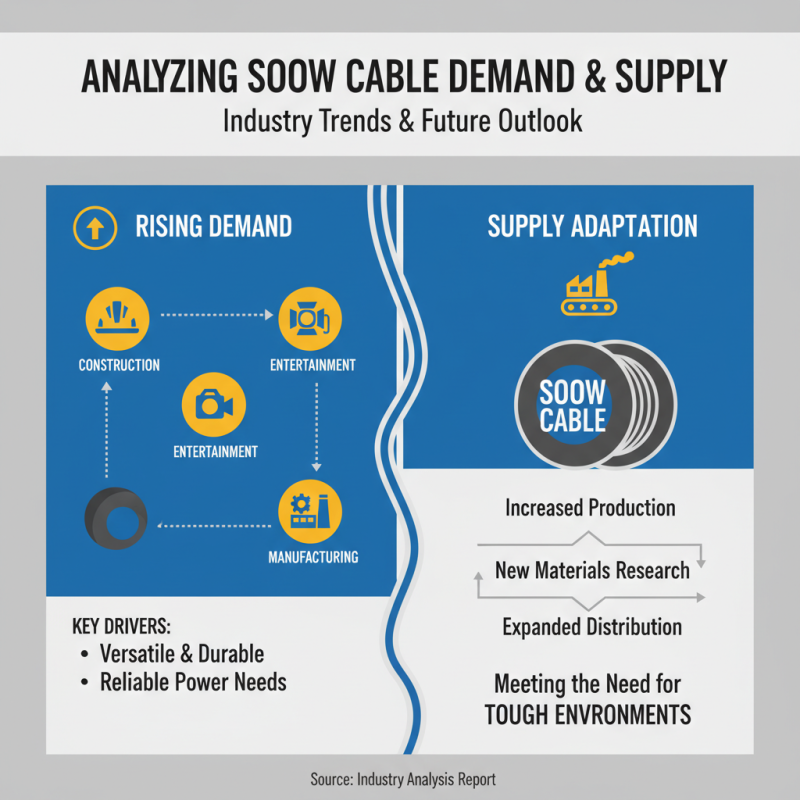
The demand for SOOW cable is rising. Many industries rely on this versatile product for various applications. Construction sites, entertainment sectors, and manufacturing plants are major users. This increase is driven by its flexibility and durability in tough environments. As industries seek reliable power solutions, suppliers are adapting to meet this need.

Recently, supply chain challenges have impacted SOOW cable availability. Natural disasters and global disruptions have slowed production. As a result, many projects face delays. Manufacturers are reconsidering sourcing strategies to improve efficiency. They now consider alternative materials and production methods. This reflects a shift towards more sustainable practices, yet it raises questions about quality and reliability.

Market trends indicate a growing preference for eco-friendly products. Companies that invest in greener solutions may attract more clients. However, the initial costs can be daunting. Smaller businesses may struggle to keep up. Monitoring these trends is essential for informed decision-making. This situation calls for continuous reflection on balancing cost, sustainability, and quality in sourcing SOOW cable.

Best Practices for Ensuring Quality and Compliance in SOOW Cable Procurement

When sourcing SOOW cable for your projects, understanding quality and compliance is crucial. According to the National Electrical Manufacturers Association (NEMA), quality parameters for SOOW cables include flexibility, durability, and resistance to oil and chemicals. Ensuring compliance with industry standards, such as those set by the Underwriters Laboratories (UL), further enhances the reliability of the cables used in various applications.


One essential tip is to always request certifications from suppliers. Look for cables with UL listing and approvals. This step guarantees that the products meet safety and performance standards. A considerable portion, nearly 40%, of project delays is due to sourcing issues; therefore, vet suppliers thoroughly.


Regular audits of supply chains can uncover inconsistencies. Many professionals overlook this while focusing on immediate needs. Research suggests that 30% of sourcing projects face compliance challenges due to overlooked supplier regulations. Maintaining open communication with vendors is key. Use feedback loops to refine procurement practices continually. Quality assurance must be a continuous process, not just a checklist item.