Leave Your Message

How to Choose the Right Home Electrical Wire for Your Project?

When embarking on a home improvement project, choosing the right home electrical wire is crucial. This decision impacts safety and efficiency. The right wire ensures your project meets electrical codes and functions correctly. Improper choices can lead to hazards, such as overheating and fire risks.

Consider the type of project you're undertaking. Different applications require different specifications. For example, indoor wiring might differ from outdoor setups. When selecting home electrical wire, gauge size, insulation type, and length are paramount. Each factor plays a role in ensuring reliable and safe electrical delivery.

It's essential to reflect on your wiring needs and options. Many overlook the importance of matching wire type with their project's requirements. This oversight can have lasting consequences. Investing time to research will pay off. Using quality materials not only upholds safety but also enhances durability and performance.

How to Choose the Right Home Electrical Wire for Your Project?

Understanding Electrical Wire Types: A Guide to Common Options

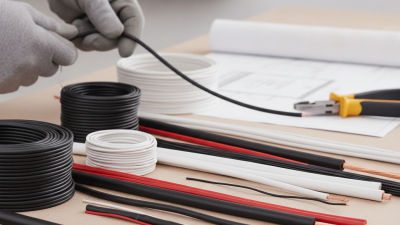
Choosing the right electrical wire for your project can be confusing. There are multiple types of wires available, each serving specific needs. Understanding the differences helps ensure safety and efficiency. Residential projects often use types like NM (non-metallic) cable, THHN, and UF (underground feeder). NM wire is common due to its affordability and ease of installation. For wet locations, UF wire is often essential to prevent damage.

When selecting a wire, consider the amperage requirements of your devices. Each type has a current rating. Exceeding this rating can lead to overheating. It's also important to think about the wire gauge. A thicker wire can handle more current. However, it costs more and is less flexible. Balancing cost and functionality is key.

It’s wise to consult local building codes. They can guide what types are allowed. Ignoring them may lead to unsafe conditions. Pay attention to the insulation type as well, it should match the environment. Sometimes, what seems easiest isn’t safest. Taking time to research can save future headaches. Make sure you’re well-informed before making your choice.

Determining the Right Wire Gauge for Your Electrical Load Requirements

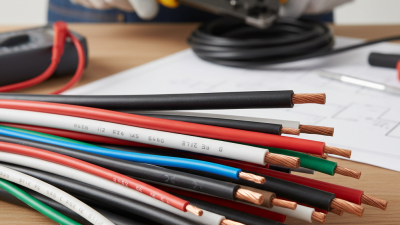
Choosing the right wire gauge is crucial for your electrical project. The gauge determines the amount of current your wire can safely carry. Using wire that is too thin can lead to overheating and potential fire hazards. On the other hand, choosing a wire that is too thick may be unnecessarily costly. Understanding your electrical load requirements is the first step in making an informed choice.

To determine the appropriate wire gauge, assess the total amperage of your devices. For small appliances, a 14-gauge wire is typically sufficient for 15 amps. For larger appliances, like ovens or water heaters, a thicker 10-gauge wire may be necessary. It’s also vital to consider the distance the wire will run. Longer runs may need a thicker gauge to compensate for voltage drop. Investing time in these calculations can prevent future issues.

While you may find wire gauge charts online, they aren’t one-size-fits-all. Variability in local codes and environmental factors can affect your needs. If in doubt, consult with a professional electrician. Ensuring the proper gauge will enhance your project’s safety and reliability in the long run. Remember, the goal is not only to complete your project but to do so safely and effectively.

Evaluating Insulation Materials for Different Home Projects

When choosing electrical wire for home projects, the insulation material is crucial. Insulation protects conductors from external factors and ensures safety. Different projects require different types of insulation. For indoor wiring, commonly used materials include PVC and THHN. PVC is affordable and easy to work with, while THHN is resistant to heat and moisture, ideal for more demanding environments.

For outdoor projects, consider using UF (Underground Feeder) wire. This type of wire has rugged insulation to withstand exposure to elements. However, it’s not foolproof. If improperly installed, even UF can fail under harsh conditions. Always evaluate the installation site. Are there moisture risks? What about physical damage from landscaping?

Reflecting on previous projects often reveals mistakes in insulation choices. Misjudgment can lead to safety hazards or project delays. Learning from these experiences can improve future decisions. Selecting the right insulation is about understanding specific needs. Balancing practicality and safety should be the ultimate goal.

How to Choose the Right Home Electrical Wire for Your Project?

Wire Type Insulation Material Temperature Rating Application Typical Gauge
Copper NM-B Polyvinyl Chloride (PVC) 60°C to 90°C Indoor wiring 14-10 AWG
Copper UF-B Polyvinyl Chloride (PVC) 60°C to 90°C Underground and outdoor wiring 14-8 AWG
Aluminum SE Thermoplastic 75°C to 90°C Service entrance 6-2 AWG
Copper THHN Thermoplastic 90°C Conductors for dry locations 14-2 AWG
Copper Type S Rubber 60°C Temporary installations 14-10 AWG

Safety Considerations When Choosing Electrical Wire for Home Use

When selecting electrical wire for home use, safety should always be the top priority. The gauge of the wire matters significantly. Thicker wires can handle more current, reducing the risk of overheating. For example, 12-gauge wire is ideal for most household circuits. Using wire that is too thin can lead to dangerous situations. It may cause fires or electrical failures.

Moreover, ensure that the insulation is appropriate for the environment. Different locations require different types of insulation. For example, NM (non-metallic) cable is suitable for dry indoors. In contrast, UF (underground feeder) wire is safe for wet conditions. Always consider local building codes. They dictate what is safe and acceptable for your area.

Personal experience can also shape your choices. Many homeowners overlook the importance of proper grounding. Grounding helps protect against electrical surges and potential shocks. Take time to review your home’s electrical needs and reflect on past problems. It is essential to be aware of the risks. Doing so can help prevent costly mistakes. Proper wire selection is rooted in awareness and caution.

Tips for Installation and Maintenance of Electrical Wiring Systems

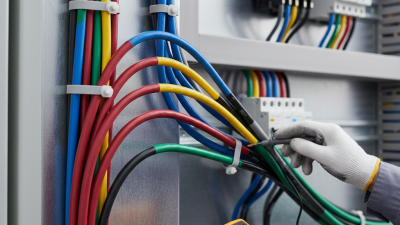
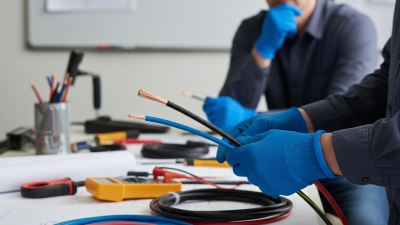
When dealing with electrical wiring, proper installation is crucial. Begin by ensuring your workspace has adequate lighting and ventilation. This helps you see clearly and promotes safety. Always wear insulated gloves and goggles during installation. Mistakes can lead to serious injuries.

Regular maintenance is key in keeping your electrical systems functioning properly. Inspect wires for wear and tear. Look for frayed edges or discoloration on insulated materials. Replacing damaged wires promptly can prevent safety hazards. Avoid overloading circuits, which can cause overheating.

When installing new wiring, be sure to follow local electrical codes. These codes exist for a reason and ensure safety and reliability. It’s essential to use the right gauge wire for your project. Using too thin wire can lead to overheating. Always double-check your connections and tighten them securely. Taking the time to follow these practices will yield better results. It can save you from future headaches.