2026 How to Choose the Right Electric Cable Wire for Your Needs?
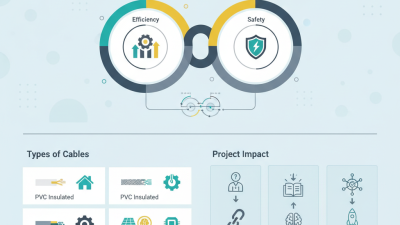
Choosing the right Electric Cable Wire can significantly impact your project’s success. Expert engineer John Henderson emphasizes, “Selecting the right wire is crucial for efficiency and safety.” With a variety of options available, making the right choice is essential.
Understanding your specific needs is the first step. Factors such as voltage requirements, insulation type, and environmental conditions play a vital role. Every detail counts when it comes to performance. For instance, using the wrong wire can lead to overheating and potential hazards.
Moreover, not all Electric Cable Wires are created equal. Shoddy materials can compromise the entire system. It's important to ask questions and do research. Consulting with professionals can help clarify doubts. Remember, priorities should be safety and compliance with standards, rather than only focusing on cost.
Understanding the Basics of Electric Cables and Wires
Understanding the basics of electric cables and wires is crucial for anyone working with electricity. Electric cables consist of multiple conductors, usually made of copper or aluminum, housed in an insulating material. This insulation protects against electric shock and short-circuiting. Wires, on the other hand, are single conductors that carry electric current.
When choosing cables, consider their gauge, or thickness. Thicker wires can carry more current, which is vital for high-power appliances. Moreover, the type of insulation affects the cable's durability. PVC is common, but other materials may better suit specific environments. You must understand voltage ratings, too; mismatched ratings can lead to overheating or failure.
It’s essential to account for the installation environment. Indoor and outdoor cables have different requirements. Outdoor cables must resist moisture and UV rays. Indoor cables focus more on flexibility and ease of installation. Unforeseen factors can arise, such as unexpected heat or moisture levels. Always test conditions before finalizing your choice. Balancing technical specifications with real-world conditions is not always straightforward. The right choice can significantly impact safety and performance.
Identifying Your Specific Electrical Needs and Applications
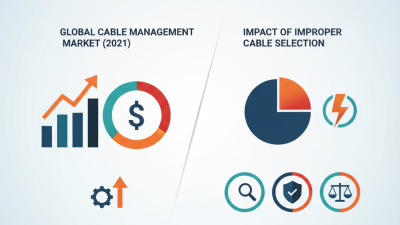
Choosing the right electric cable wire begins with understanding your specific electrical needs and applications. Electric cables vary widely in purpose. Different projects require varying levels of voltage, current, and environmental protection. A report by the International Electrotechnical Commission highlights that improper wire selection can lead to efficiency loss, safety hazards, and even potential legal liabilities.
Consider the environment of your installation. Indoor cables differ from outdoor options in terms of durability and insulation. For instance, PVC and thermoplastic rubber offer flexibility in indoor settings, while UV-resistant cables are vital for outdoor use. Moreover, the National Electrical Manufacturers Association states that 70% of electrical failures originate from poor wiring practices. Therefore, ensuring you select the right wire based on application specifics is essential.
Next, determine your power requirements. Higher voltage projects might demand heavy-duty wires, while low-voltage needs can be met with thinner cables. Pay attention to ampacity ratings. Underestimating these needs can result in overheating and circuit failures. Many electricians emphasize getting the details right, but mistakes can still happen. Reflecting on past projects can help avoid similar pitfalls. Always consult with professionals for pressing decisions to ensure reliability and safety in your electrical setups.
Evaluating Different Types of Electric Cables and Their Ratings
When selecting electric cables, understanding the different types and their ratings is crucial. Cables vary in material, insulation, and application. For instance, copper cables are highly conductive. They are often preferred for residential wiring. Aluminum cables are lighter and cheaper, but less conductive. A report from the National Electrical Manufacturers Association (NEMA) states that copper cables have a conductivity rating of 100%, while aluminum stands at around 61%.
The insulation type also impacts performance and safety. Thermoplastic and thermoset materials offer different heat-resistance levels. PVC cables handle temperatures up to 75°C. Conversely, cross-linked polyethylene (XLPE) cables can manage up to 90°C. An oversight in choosing the wrong insulation might lead to wire failure or fire hazards. It is a risk many overlook, often underestimating the importance of heat rating.
Voltage ratings are another critical factor. Choosing a cable with a higher voltage rating than needed may introduce excess costs. However, cables rated too low can cause overheating. For instance, an improperly rated cable can fail at just 80% of its maximum load. Always check the specifications. This attention to detail can save time and expense in the long run.
Considering Factors like Length, Capacity, and Environment
Choosing the right electric cable wire involves careful consideration of various factors. Length is a crucial aspect. A longer wire can lead to voltage drop, affecting performance. You may find that a 50-foot cable performs differently than a 10-foot counterpart. For smaller projects, shorter lengths are often more efficient.
Capacity also plays an important role. Each wire has a specific current rating. Exceeding this rating can cause overheating or even fire hazards. It’s essential to match the wire capacity with your appliances. If you’re unsure, seek advice from experts. They often have valuable insights based on experience and expertise.
Environmental factors cannot be overlooked. Cables need to withstand conditions like moisture or extreme temperatures. For outdoor use, consider weather-resistant options. Indoor cables may require different insulation. Testing various scenarios can reveal surprising results. Experience teaches you the importance of selecting the right type for your specific environment. Don’t hesitate to ask questions and learn from others who have faced similar challenges.
Electric Cable Wire Selection Factors
Making Informed Decisions: Safety, Standards, and Compliance
When selecting the right electric cable wire, understanding safety, standards, and compliance is crucial. Electric cables must meet strict safety standards to prevent hazards. These standards can vary by region and application. Familiarizing yourself with local codes ensures your project adheres to necessary regulations. Non-compliance can lead to serious consequences.
Many consumers overlook the importance of insulation materials and temperature ratings. Different applications call for specific insulation types. For instance, PVC is common, but it might not withstand high temperatures. Consider where and how the cable will be used. An environment with moisture demands a different insulation type compared to a dry indoor setting.
Evaluate the potential risks with your choices. Failing to consider compatibility might lead to failures. Issues may arise if the wire gauge is too small for the load. Similarly, using cables not suited for outdoor conditions can compromise safety. Always prioritize informed decisions over convenience. Compliance and safety should never be an afterthought. Regularly review your understanding and stay updated with industry standards.