Leave Your Message

What Is Home Electrical Wire and What Type Do You Need?

Home Electrical Wire is more than the colored insulation visible behind an outlet or inside a basement junction box. It carries electricity through a home, and its size and insulation must suit the circuit, load, and installation location. A cable marked 14/2, for example, generally contains two insulated conductors plus a ground. That small label matters. Choosing wire by appearance alone can lead to a poor match, even when the cable seems sturdy.

This guide introduces common residential wiring types, including NM-B cable for many dry indoor spaces and UF-B cable for approved damp or outdoor applications. It also explains wire gauge, conductor material, and insulation ratings in practical terms. A thicker conductor is not automatically the right choice; breaker ratings and the full circuit design matter too. Requirements can vary by location and project, so confirm applicable codes and product markings before making decisions. For example, wire intended for a dry wall cavity is not necessarily suitable for a wet area or direct burial. That distinction is easy to overlook. Home electrical work can also hide hazards behind familiar walls. When a project involves new circuits, damaged wiring, or uncertain conditions, consult a qualified electrician. A clear understanding helps you ask better questions, but it does not replace professional assessment where safety is at stake.

What Is Home Electrical Wire and What Type Do You Need?

What Home Electrical Wire Is and How It Carries Power

Home electrical wire is the insulated pathway that carries energy from a panel to lights, outlets, and appliances. Inside it, metal conductors—usually copper or aluminum—allow electric current to move. Insulation surrounds each conductor, helping prevent contact with other wires or nearby materials. It matters. In a typical household circuit, the hot wire delivers power, while the neutral wire provides a return path. A grounding wire offers a separate safety path if a fault occurs. The circuit must form a complete loop for current to flow. Not magic.

Most homes use alternating current, which changes direction repeatedly as it moves through the circuit. Wire size affects how much current it can safely carry; a thicker conductor generally has greater capacity. The circuit breaker and wire must be matched, because a breaker that allows too much current can leave a wire overheating. The wire’s insulation and installation method matter, too. Some cable is designed for protected indoor spaces, while other conductors are intended for use inside conduit. It is tempting to identify wire by color alone, but colors and markings can be misleading in older or altered installations. Read the cable markings, and have a qualified electrician assess uncertain wiring before work begins.

How Electrical Wire Is Built and Labeled

What Is Home Electrical Wire and What Type Do You Need?

How Electrical Wire Is Built and Labeled

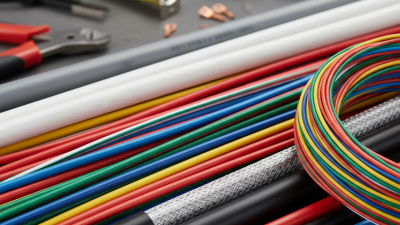
Home electrical wire is made from one or more metal conductors covered by insulation. Copper is common, while some larger circuits use aluminum conductors. A cable may also have an outer jacket that bundles and protects the insulated wires. Look closely at the printed markings. They can identify wire size, material, insulation type, and voltage or temperature ratings. For example, AWG numbers describe conductor size; a smaller number means a thicker wire. Labels such as NM-B or THHN/THWN indicate different construction and approved uses. Color helps identify a conductor, but it does not confirm the cable is suitable for a job. Details matter.

Tips: Read the full jacket marking, not just the color. Match wire size and cable type to the circuit plan. If a label is worn or unclear, do not guess.

Choosing wire means considering the circuit’s load, installation location, and local requirements. A cable intended for dry indoor spaces may not be appropriate in a damp area or outdoors. It is easy to focus on gauge alone; I would pause there. Wire size matters, but insulation rating and installation method matter too. Check the device instructions and applicable electrical rules, or ask a licensed electrician when uncertain. A neat-looking cable is not proof of a safe match.

Common Types of Home Electrical Wire and Their Uses

Home electrical wire is selected by location, load, and installation method—not by color alone. NM-B cable, often called sheathed cable, is common inside dry walls and ceilings. A 14/2 cable may serve some lighting circuits, while 12/2 is often used for general receptacle circuits. The required size depends on the circuit breaker and local rules. Guessing is not a good plan.

UF-B cable has a tougher outer jacket and is designed for outdoor or underground use when installed as specified. For conduit, electricians often pull individual THHN/THWN-2 conductors; the insulation rating determines where they can be used. Damp locations matter. Doorbells and thermostats may use low-voltage cable, which is not interchangeable with ordinary household power wiring. Each type has a distinct job.

Wire markings tell you more than appearance does. Read the printed insulation or cable jacket, and check conductor size and ratings. Copper and aluminum conductors also require compatible terminals and installation methods. Colors are helpful clues, but older wiring or unusual installations can make them unreliable. I would not identify a wire by color alone. Electrical work can create shock or fire hazards, so have a qualified electrician verify unfamiliar wiring and confirm the correct materials for the specific circuit.

How to Choose Wire for a Home Electrical Project

Choosing wire for a home project starts with the circuit, not the wall opening. Check the appliance or fixture load, the breaker rating, and the wire run’s length. Wire that is too small can overheat; a larger size is not automatically suitable. Match the conductor size to the circuit requirements and local electrical code. That matters.

Next, consider where the wire will go. Indoor dry spaces, damp locations, and outdoor runs may require different insulation and cable types. A cable suitable for a protected wall cavity may not be appropriate near moisture or physical damage. Check the wiring method and temperature ratings on the cable, rather than relying on color or appearance. Details count.

The material and route also affect the choice. Copper is common in homes, while aluminum requires connections and components rated for its use. Long runs can cause voltage drop, so distance may change the required wire size. Measure the route carefully, including bends and extra length at boxes. I would not guess here. If the circuit, cable type, or existing wiring is unclear, ask a qualified electrician before buying materials or making changes. A small mismatch can become an expensive problem.

What Is Home Electrical Wire and What Type Do You Need?

Typical copper conductor ampacity by wire gauge (60°C column). Higher AWG numbers indicate thinner wire.

These values are reference ampacities, not a substitute for project-specific sizing. The permitted wire size depends on factors such as insulation, terminal temperature ratings, installation conditions, and local electrical codes. Consult a qualified electrician when selecting wire for a project.

Key Safety Rules for Handling and Installing Electrical Wire

What Is Home Electrical Wire and What Type Do You Need?

Safe wiring starts with treating every conductor as live until testing proves otherwise. Switch off the correct breaker, prevent someone from restoring power, and verify the wires with a properly rated tester. OSHA’s electrical-safety rules require qualified workers to test circuits before treating them as de-energized. A dark switch is not proof. That detail is easy to miss.

Choose wire by its intended use, conductor size, insulation rating, and the circuit’s load—not by appearance alone. Dry indoor wiring, damp locations, and outdoor runs may require different cable types. Follow local electrical codes and the equipment instructions; ask a licensed electrician when the route, load, or wire type is uncertain. Never force a thick cable into a crowded box or leave damaged insulation in place. Small shortcuts matter.

The risk is real. NFPA analysis of 2012–2016 fire data estimated that electrical distribution and lighting equipment were involved in about 34,000 home structure fires annually, causing roughly 470 civilian deaths and 1,100 injuries each year. These figures do not mean every wiring mistake causes a fire, but they show why careful installation matters. Keep connections inside approved enclosures, secure cables properly, and stop if you find scorching, brittle insulation, or unfamiliar wiring. A second check is worth the pause.

What Is Home Electrical Wire and What Type Do You Need? – Key Safety Rules for Handling and Installing Electrical Wire

Wire or Cable Type What It Is Typical Home Use Where It Is Generally Suitable Key Selection and Safety Points
NM-B cable A nonmetallic-sheathed cable containing insulated conductors and usually a bare equipment-grounding conductor. Common branch-circuit wiring for receptacles, lighting, and other permitted residential circuits. Generally used in dry, concealed locations such as inside walls, ceilings, and floors, where local rules permit. Not for wet locations or direct burial. Protect it from physical damage, use approved boxes and fittings, and select conductor size and circuit protection for the actual load and installation conditions.
THHN / THWN-2 conductors Individual insulated building wires, normally pulled through an approved raceway. Many conductors carry both THHN and THWN-2 markings. Circuits routed through conduit, including some exposed or retrofit runs. Use only in a suitable raceway. THWN-2-rated conductors are generally suitable for wet locations when installed as part of an approved wiring method; check the wire markings and local rules. Individual conductors generally need raceway protection. Do not assume a THHN marking alone permits wet-location use. Account for conductor count, temperature ratings, and raceway fill.
UF-B cable A moisture-resistant nonmetallic cable designed for certain feeder and branch-circuit applications. Outdoor circuits and some underground wiring applications where permitted. May be suitable for direct burial when the cable, installation, and local code allow it. Burial depth and protection requirements vary by installation and jurisdiction. Check the cable marking and local burial rules before digging or installation. Use required protection where it emerges from the ground or may be exposed to damage.
MC cable Insulated conductors enclosed in a metal armor, with grounding provisions depending on the cable type. Some residential branch-circuit installations, including locations where a wiring method with metal armor is permitted. Suitability depends on the cable listing and the location. Wet or outdoor use requires a cable specifically listed for those conditions and correctly installed fittings. Use compatible listed connectors and follow the cable manufacturer’s instructions. Do not assume all metal-clad cable types are interchangeable or suitable for every location.
Low-voltage cable Cable intended for systems such as doorbells, thermostats, or communications, rather than ordinary mains-power circuits. Controls, signaling, and communications systems when the cable is rated for the application. Follow the cable’s listing and the requirements for the specific system and route. Do not use low-voltage cable in place of building wire for household mains circuits. Keep it separated from power wiring as required by applicable rules.

Key safety rules: Turn off the correct circuit at the breaker and verify that conductors are de-energized with an appropriate tester before handling them. Never rely only on a switch or a wire’s color to confirm it is safe. Use wire, connectors, boxes, and circuit protection rated for the location and load; make connections inside approved enclosures; and follow local electrical codes and permit requirements. If you are unsure, consult a licensed electrician.