Why Choose Soow Cable for Your Industrial Needs?
In today's industrial landscape, the choice of electrical cables is critical. Soow cable stands out as a preferred option for many applications. According to a recent industry report from the Electrical Contractors Association, Soow cables are recognized for their durability and flexibility in harsh environments. This makes them ideal for both indoor and outdoor uses.
Expert Jack Thompson, a veteran in electrical wiring solutions, notes, "Soow cables are indispensable for operations requiring resilience against wear and tear." His insights reflect a growing trend among industries that value long-lasting performance. Many manufacturers report significant reductions in downtime after switching to Soow cables.
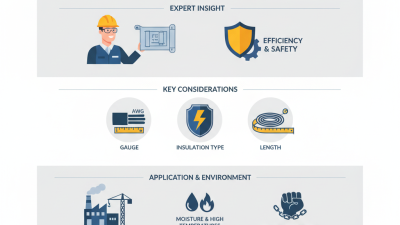
However, the choice isn't without its challenges. Some companies still hesitate due to cost considerations. It’s crucial to balance initial expenses with the long-term savings generated by Soow cables. Despite their higher upfront prices, the reliability often leads to decreased maintenance costs. Therefore, investing in Soow cables can ultimately enhance operational efficiency and safety.
Understanding Soow Cable: Key Features and Benefits
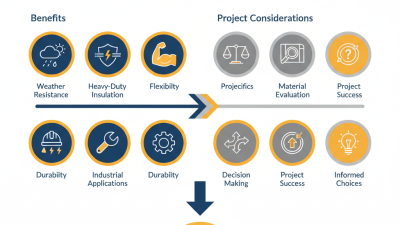
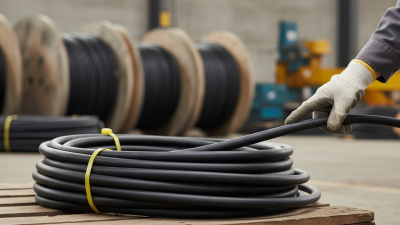
Soow cables are designed for industrial environments. They stand out due to their durability and flexibility. These cables can withstand high temperatures and harsh conditions. Users appreciate their weather-resistant features, which enhance their longevity. Many industries rely on Soow cables for their excellent performance in demanding settings.
One key feature of Soow cables is their ability to resist moisture. This quality is crucial for outdoor applications. Moisture can lead to electrical failures. Choosing a moisture-resistant cable can prevent unexpected downtimes. Consider using them in settings exposed to water or humidity.
When selecting cables, always check for certifications. Look for ratings that indicate reliable performance. It's also essential to assess the specific requirements of your application. Customized solutions may be necessary. Remember, not all cables fit all needs.
Consider ensuring that the cable's gauge meets your power requirements. A thicker gauge can handle more current. Yet, it may be less flexible. Balancing power needs with flexibility is crucial. Make informed decisions to ensure the safety and efficiency of your operations.
Industrial Applications of Soow Cable: An Overview
Soow cable is recognized for its versatility in industrial applications. This robust cable is often used in demanding environments such as factories, construction sites, and outdoor settings. Its design allows it to withstand various factors like moisture, abrasion, and temperature fluctuations, making it a reliable choice for many industries.
Tips: Consider the specific conditions of your industry when choosing cables. Look for features like flexibility and resistance to weather conditions. Proper installation can prolong the cable's lifespan.
In addition to heavy machinery, Soow cable supports data transmission needs in industrial settings. Its sturdy construction ensures a consistent connection, even in challenging environments. Many industries report that using high-quality cables reduces downtime and increases productivity.
Tips: Regularly inspect cables for signs of wear and damage. It's essential to replace any compromised sections promptly. This simple step can enhance overall safety and efficiency in operations.
Comparative Analysis: Soow Cable vs. Other Industrial Cables
When considering industrial cables, the choice often boils down to
flexibility, durability, and
cost-effectiveness. Soow cable sets itself apart due to its superior design and materials. It excels in applications
requiring aggressive flexibility. Many industrial environments demand cables that can withstand harsh conditions.
Soow cables are crafted to resist not just abrasion but also moisture and extreme temperatures.
In comparison to other industrial cables,
Soow cables often show improved performance in longevity. Some alternatives
may offer similar flexibility, but they fall short in durability. This means that while initial costs might be
lower for other cables, long-term expenses could increase due to frequent replacements. However, it's essential to
weigh these factors carefully. The upfront investment in a better cable can lead to significant cost savings over time.
Not all users find uniform success with Soow cables. Some report installation challenges, especially in tight spaces.
Each industrial environment is unique, influencing performance. Real-world experiences vary, and it’s key to evaluate
specific needs thoroughly. Proper selection hinges on understanding the nuances of each type of cable available in
the market, highlighting the importance of informed choices in industrial applications.
Factors to Consider When Selecting Soow Cable for Your Needs
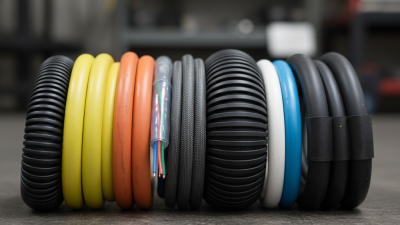
When selecting SOOW cable for industrial applications, certain factors are crucial. SOOW cables are designed for flexible use in a variety of settings. Consider the cable’s temperature rating. Cables usually function well within a temperature range of -40°F to 90°F. This range is essential for environments with unpredictable weather or fluctuating temperatures.
The cable's insulation material is also significant. Most SOOW cables utilize rubber insulation, which provides excellent durability. According to industry reports, rubber insulation can withstand abrasion, chemical exposure, and environmental stress. This durability reduces the need for frequent replacements and maintenance, which can be costly.
Conductors are another important aspect. SOOW cables typically feature stranded copper conductors. This design enhances flexibility and allows for easy handling. In a report by the National Electrical Manufacturers Association (NEMA), stranded conductors are noted for their superior conductivity compared to rigid options. Yet, potential users should be aware of the drawbacks; mishandling during installation can lead to damage, which may compromise safety and functionality. Careful planning and installation are key to maximizing cable performance.
Safety Standards and Regulations for Soow Cable Usage in Industries
When selecting cables for industrial applications, safety standards are paramount.
SOOW cables offer robust protection against environmental hazards. They meet rigorous safety regulations to ensure reliability in demanding settings. This cable type is often used in factories, construction sites, and warehouses.
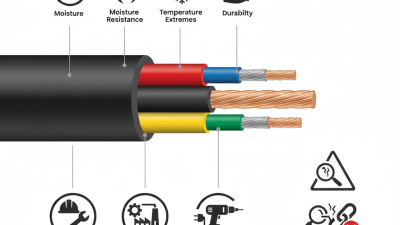
SOOW cables are designed to withstand extreme temperatures, moisture, and abrasion. They have excellent flexibility, making installation easier, even in tight spaces. This adaptability is crucial for maintaining safety in ever-changing industrial environments. However, proper application remains a challenge. Ensuring the correct specifications are met can be a complex process.
Industrial safety regulations dictate how cables should be used. Choosing the right cable can prevent costly accidents. Training staff on these protocols often proves difficult. Ensuring compliance requires ongoing education. It is essential to review current standards regularly and adapt practices accordingly. In the fast-evolving industrial landscape, vigilance is key.