2026 How to Choose the Best Cable Supports for Your Projects?
Choosing the right cable supports for your projects is crucial. Quality support systems enhance durability and efficiency. Cable supports provide the foundation for organizing cables effectively. This article explores essential factors to consider.
When selecting cable supports, think about the specific needs of your project. Different materials, sizes, and designs can impact your results. Ideally, the chosen supports should withstand environmental conditions. Consider their load capacity and compatibility with your cables.
Some projects may require custom solutions. Not all cable supports fit every unique situation. It’s important to assess the specific requirements of your installations. Experience and expertise are vital in making the right choice. Reflect on past projects to understand what worked. Every selection involves trade-offs and potential limitations.
Importance of Cable Supports in Project Planning and Design
Cable supports are crucial in project planning and design. Effective cable management significantly reduces risks associated with electrical failures. A recent report by the International Electrotechnical Commission noted that over 30% of electrical outages are linked to poor cable management practices. This statistic underlines the need for careful planning and implementation of quality cable support systems.
Choosing the right cable supports is not just about aesthetics. It impacts safety and long-term maintenance. For example, loose or improperly secured cables can lead to wear and tear, increasing maintenance costs. According to a study by the National Electrical Manufacturers Association, inadequate cable supports can elevate maintenance expenses by up to 25%. Such figures illustrate the importance of selecting reliable support mechanisms for cables in any project.
In addition, the environment where cables are installed plays a significant role. Factors like temperature fluctuations or exposure to chemicals can affect the integrity of cable supports. Overlooking these aspects can lead to failures. Project managers must assess these conditions to choose the most suitable cable support solutions. Thus, investing time in this aspect enhances both project safety and durability.
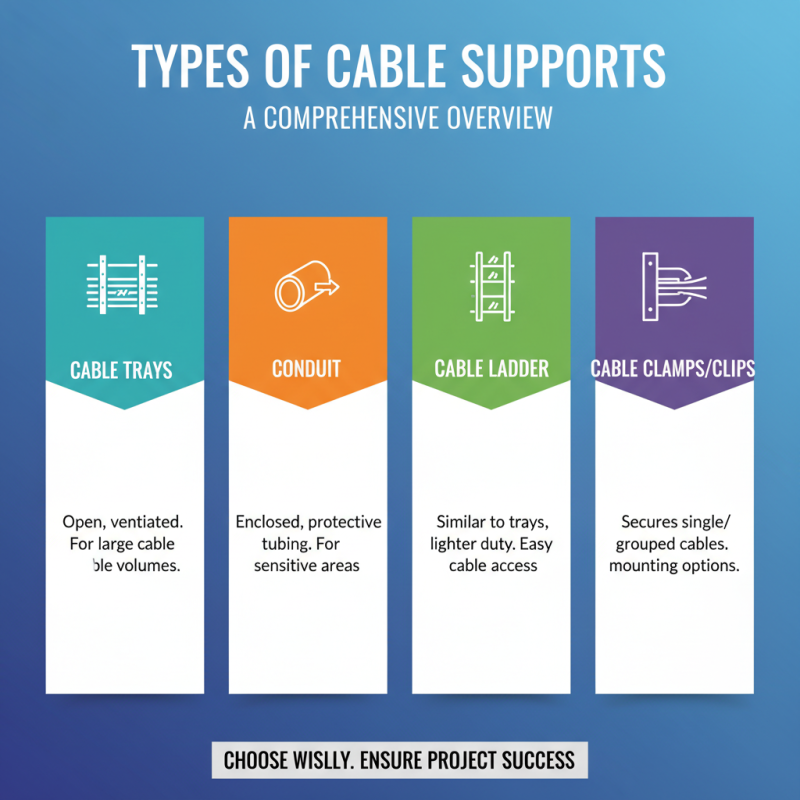
Types of Cable Supports: A Comprehensive Overview
Choosing the right cable supports is essential for any project. Various types exist to cater to different needs. Understanding these types helps in making informed decisions.
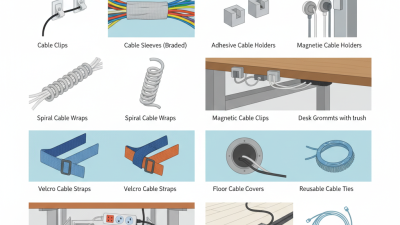
Cable ties, for instance, are a popular choice for their versatility. According to industry studies, 70% of construction projects use cable ties for efficiency and cost-effectiveness. They are easy to install and can bundle multiple cables neatly. However, overusing them can lead to difficulties in maintenance.
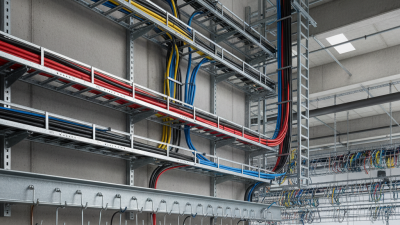
Another option is cable trays. Research indicates that 65% of electrical professionals prefer these for larger installations. They provide ample support and organization for multiple cables. Proper sizing is crucial, as an under-sized tray can cause overheating and limited airflow. Selecting the appropriate type of support is not just about preference; it impacts safety and longevity.
Factors Influencing the Selection of Cable Supports
When selecting cable supports, several factors come into play. Industry standards and safety regulations are pivotal. According to the National Electrical Code (NEC), the load-bearing capacity of cable supports should be evaluated based on local conditions. These regulations are crucial in avoiding potential hazards. Ignoring them can lead to project delays and safety violations.
Environmental considerations greatly impact the selection process. For instance, cables exposed to extreme temperatures may require specific materials. A report by the International Electrotechnical Commission (IEC) highlighted that improper material choices contributed to 25% of electrical failures in the last decade. This statistic stresses the importance of choosing the right support systems based on environmental factors.
Additionally, installation and maintenance ease should not be overlooked. Complex cable support systems might save space but complicate installation. A report by the Electrical Contractors Association indicated that inefficient installations could increase project costs by up to 30%. Understanding industry best practices can lead to more efficient selection processes and ultimately save time and resources.
Standards and Regulations Governing Cable Support Systems
When selecting cable support systems, understanding the standards and regulations is crucial. The National Electrical Manufacturers Association (NEMA) provides guidelines on cable management, ensuring safety and efficiency. These guidelines highlight the importance of using the correct materials and installation techniques. For instance, in the United States, adherence to NEC (National Electrical Code) is mandatory. This code sets safety standards that significantly reduce the risk of electrical fires.
According to a recent report by Global Market Insights, the cable support market is expected to grow substantially. This increase emphasizes the necessity of compliance with local and international standards. Failure to follow these guidelines may result in significant penalties or costly rework. In many cases, projects have faced delays because of non-compliance. This points to an essential takeaway: proper knowledge of cable support regulations is not just beneficial; it is vital for project success.
Moreover, recent studies indicate that nearly 30% of installation errors stem from inadequate understanding of code requirements. Professionals often overlook smaller details, such as spacing and load ratings. These elements can lead to failures in the support system. Thus, ongoing education about standards is necessary. It is a reflection of both experience and the responsibility professionals hold in ensuring the integrity of their projects.
2026 Cable Supports Comparison by Load Capacity
Cost-Benefit Analysis of Different Cable Support Options
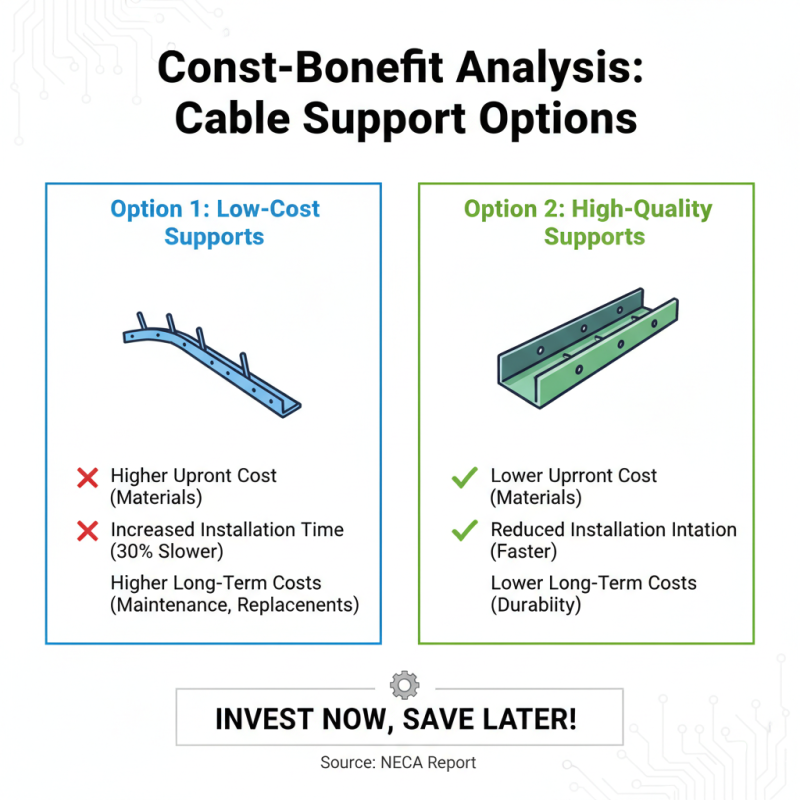
When evaluating different cable support options, a cost-benefit analysis is crucial. According to a report by the National Electrical Contractors Association, improper cable supports can increase installation time by 30%. This not only raises labor costs but also adds to project delays. High-quality cable supports may cost more upfront, but they ensure lower maintenance and replacement expenses over time.
The installation of subpar cable supports can lead to cable failure. A report from the Electrical Safety Foundation International revealed that improper support practices contribute to 25% of electrical accidents. Reliable options prevent such incidents, providing significant long-term value. In contrast, cheaper alternatives might seem appealing but often compromise safety and efficiency.
Investing in quality cable supports often pays dividends. The initial increase in costs can lead to significant savings through reduced repairs and enhanced safety. A thorough analysis should consider not just upfront costs but the overall lifespan and reliability of the products. Ultimately, a well-informed decision can help implement better safety standards and lower operational risks in electrical projects.