What is Control Cable and its Applications in Various Industries?
Control cables play a crucial role in the functionality of various systems in multiple industries. These cables are designed to transmit control signals, ensuring operations run smoothly. They are commonly used in manufacturing, automotive, and utilities sectors, where precise control is essential.
The versatility of control cables allows them to adapt to diverse applications. In manufacturing, they facilitate machine automation. This enhances efficiency and productivity. In the automotive industry, control cables are vital for features like throttle control and braking systems. Their reliability can directly impact safety.
However, choosing the right control cable can be challenging. Factors like the environment, expected load, and installation conditions must be considered. Issues such as wear and tear can affect performance over time. Thus, industry professionals need to assess their specific needs carefully before selecting a control cable. This reflection is essential for ensuring the longevity and reliability of equipment.
Definition and Overview of Control Cable
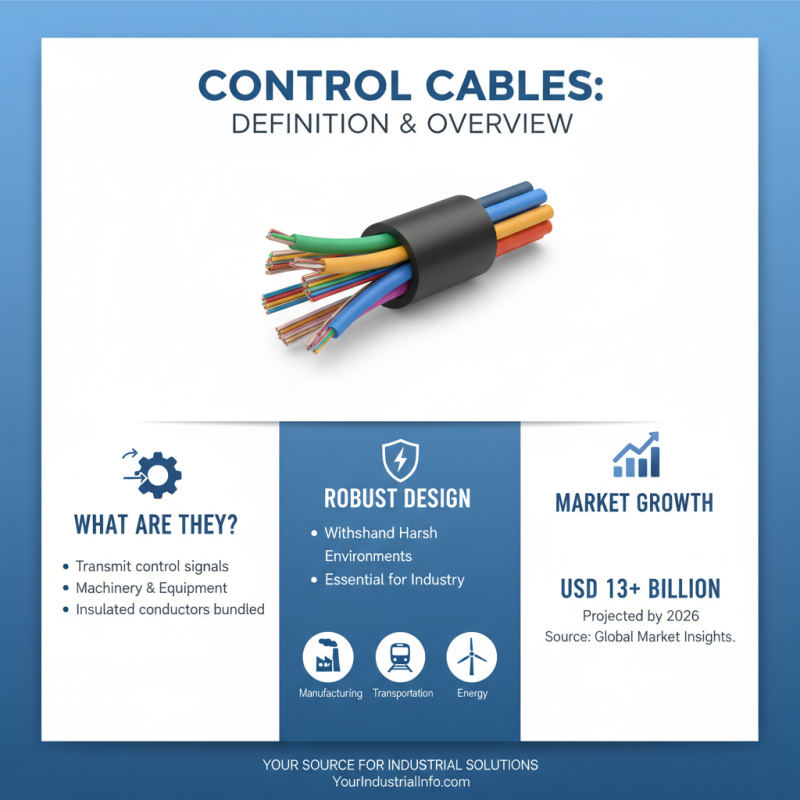
Control cables are vital components in many industrial applications. They serve multiple purposes, primarily providing the transmission of control signals for machinery and equipment. These cables typically consist of one or more insulated conductors bundled together. They are designed to withstand harsh environments, making them essential in industries like manufacturing, transportation, and energy. According to a report by Global Market Insights, the control cable market is projected to exceed USD 13 billion by 2026, highlighting its growing significance.
In the manufacturing sector, control cables facilitate the automation of machinery. They ensure accurate operation by transmitting signals that control various devices. This is crucial in environments where precision is needed. Moreover, in the transportation industry, these cables play a critical role in controlling signaling systems. They help maintain safety and efficiency in rail systems and traffic management. The versatility of control cables allows them to be used in diverse applications, but their installation can be challenging, often requiring skilled professionals.
The reliability of control cables is crucial. Poorly installed or damaged cables can lead to failures. These failures may result in downtime, financial loss, and safety hazards. Inefficient design can also pose problems. Many industries are working on improving cable design for better performance. Nonetheless, achieving consistent quality remains a challenge. Overall, control cables are indispensable, but the industry must continually evolve to meet increasing demands and complexities.
Types of Control Cables and Their Specifications
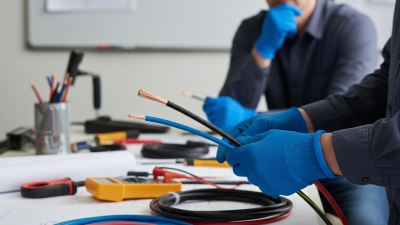
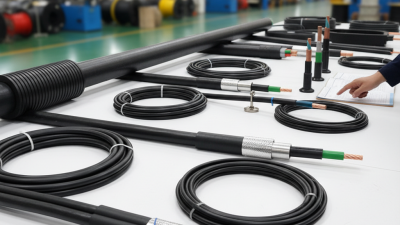
Control cables are essential components in various industries, designed for transferring signals or control commands. There are several types of control cables, each with its unique specifications that cater to different industrial needs. For instance, multi-core cables are common in automation settings. These cables typically consist of insulated conductors that enable seamless data transmission. They are crucial in controlling machines and processes in manufacturing environments.
Some control cables, like those used in power applications, must meet specific electrical ratings and mechanical requirements. According to recent reports, the global control cable market is anticipated to grow steadily, with a projected CAGR of 5.2% by 2027. This growth emphasizes the increasing demand across sectors, including automotive and telecommunications. Cables designed for high-efficiency environments often require stringent quality checks. Unsuitable specifications can lead to inefficiencies and potential failures, reminding industries to evaluate their choices carefully.
In industrial automation, the use of shielded control cables is common due to their ability to minimize interference. These cables provide better performance in environments with high electromagnetic noise. However, engineers often face challenges in selecting the suitable cable type for specific applications. Conducting thorough inspections and understanding the complexities of cable specifications are vital for optimal system performance. Yet, with technology's rapid evolution, staying informed can be a daunting task for many.
Applications of Control Cables in the Industrial Sector
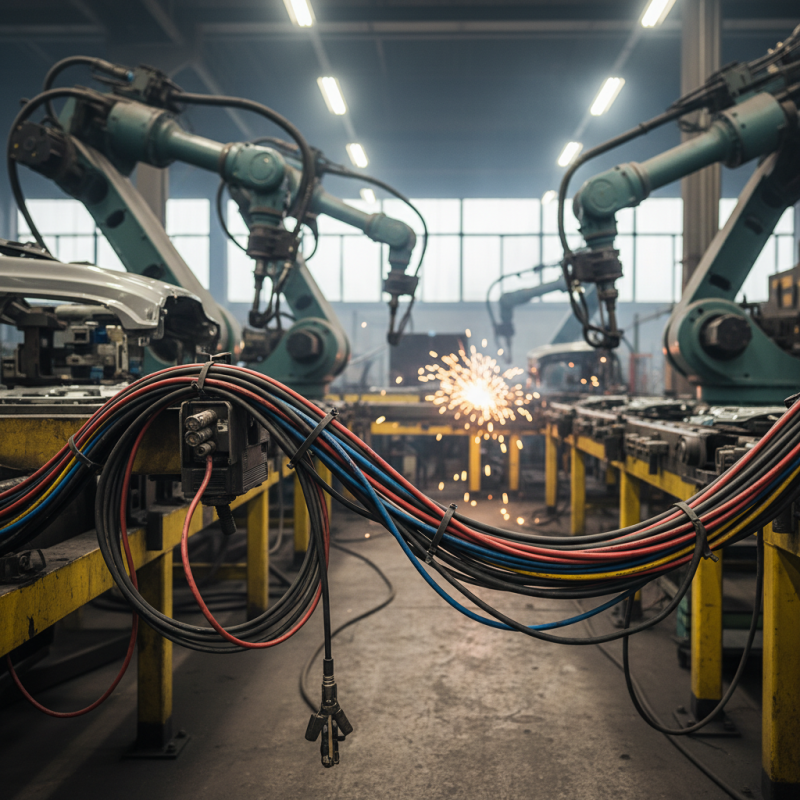
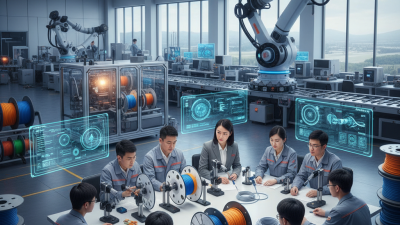
Control cables play a crucial role across various industrial sectors. These specialized cables are designed to transmit signals and control power in machinery and equipment. In manufacturing, they ensure precise operation of automated systems. This enhances productivity and safety. Their durability allows them to withstand harsh environments. Commonly, control cables are found in factories, handling robotics, and conveyor systems.
In the energy sector, control cables manage the distribution of electricity. They connect control panels to machinery, ensuring reliable operation. These cables are essential in power plants and renewable energy facilities. The ability to handle high temperatures and resist environmental factors is vital. Maintenance can be challenging; regular checks for wear and tear are necessary.
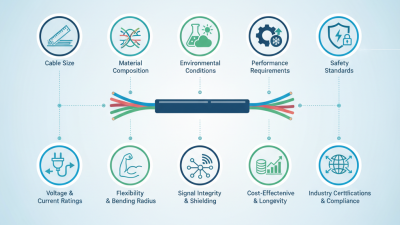
Tips for choosing control cables include considering the application environment. Are there extreme temperatures? Is moisture a concern? Additionally, evaluate the required flexibility. Some applications demand more movement than others. Always consult experts when in doubt. Choosing the right cable can prevent costly downtimes. Be mindful of the specifications; the right fit is key.
Applications of Control Cables in the Industrial Sector
Role of Control Cables in Transportation and Automotive Industries
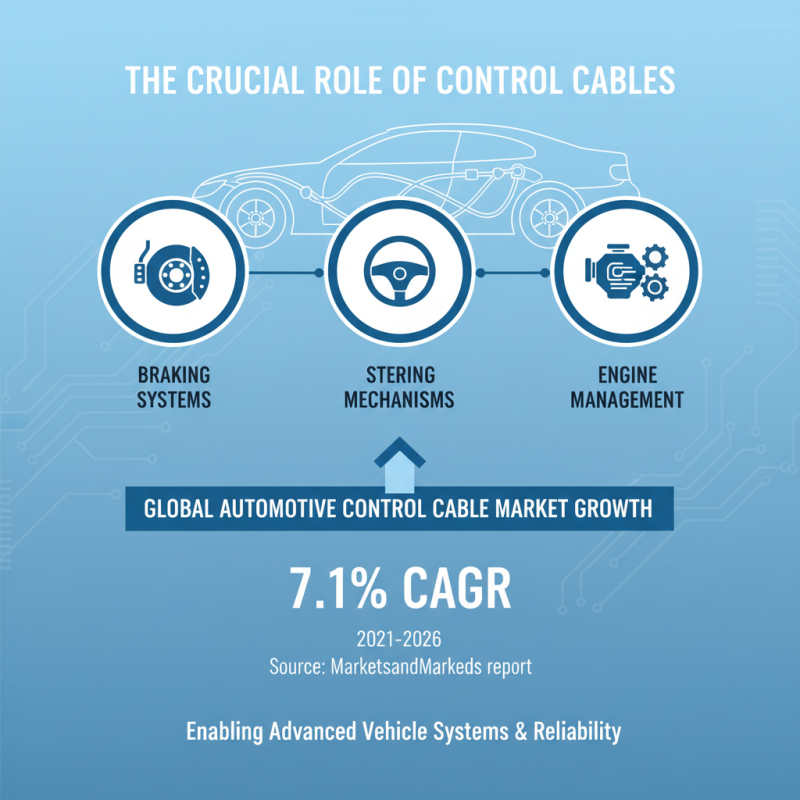
Control cables play a crucial role in the transportation and automotive industries. They are essential for the operation of various systems such as braking, steering, and engine management. According to a report by MarketsandMarkets, the global automotive control cable market is expected to grow at a CAGR of 7.1% from 2021 to 2026. This trend highlights the increasing reliance on advanced control systems in vehicles.
In transportation, control cables ensure safety and efficiency. These cables are vital in connecting components, allowing for precise control over movements. In modern trains, for instance, control cables help in managing braking systems and traction controls. The demand for reliable control solutions has surged. However, inadequate maintenance or poor installation can lead to system failures. It's essential to monitor these cables regularly for wear and tear.
**Tip:** When installing control cables, ensure to choose high-quality materials. This choice can prevent potential malfunctions that may lead to safety hazards. Attention to detail during installation can significantly extend the lifespan of these cables.
The automotive industry's push towards automation has further emphasized the need for high-performance control cables. Electric and hybrid vehicles are integrating more electronic controls, which demand robust cable solutions. Nevertheless, the complexity of modern systems makes it challenging to maintain optimal performance. Regular training for technicians on cable management can mitigate these risks.
**Tip:** Keep an eye on corrosion levels in control cables. Corrosion can severely impact performance and safety, requiring early intervention. Regular inspections are a proactive way to maintain cable integrity and functionality.
Future Trends and Innovations in Control Cable Technology
The field of control cable technology is evolving rapidly. Innovations focus on enhancing performance and reliability. Emerging materials are contributing to better durability and flexibility. Future control cables may utilize advanced polymers. These materials can withstand extreme conditions better than traditional options.
Industry needs are driving change. Automation and IoT integration are creating new demands. Control cables will need to support higher data speeds. This requirement pushes manufacturers toward the development of more efficient designs. Additionally, wireless solutions are gaining relevance. While they offer convenience, they may not yet replace traditional cables entirely.
The shift toward sustainability is another significant trend. Eco-friendly materials are becoming a priority. This change reflects growing environmental awareness. However, challenges remain in balancing performance and eco-friendliness. As the industry innovates, it must address these complex issues. The path ahead is promising, yet filled with obstacles. The future of control cable technology will require ongoing adaptation and critical thinking.
What is Control Cable and its Applications in Various Industries?
| Industry |
Application |
Control Cable Type |
Future Trends |
| Manufacturing |
Automation and control systems |
Multi-core control cables |
Increased data transmission speeds |
| Telecommunications |
Signal transmission |
Shielded control cables |
Adoption of fiber optics |
| Construction |
Equipment control and monitoring |
Flexible control cables |
Smart sensor integration |
| Automotive |
Vehicle control systems |
Low-voltage control cables |
Increase in electric and hybrid vehicles |
| Aerospace |
Control of flight systems |
High-temperature control cables |
Advancements in lightweight materials |