How to Choose the Right Soow Cable for Your Needs?
Choosing the right Soow Cable is crucial for both safety and efficiency. These cables are widely used in various applications, including industrial, commercial, and residential environments. Understanding your specific needs is essential to make an informed decision.
When selecting a Soow Cable, consider factors like environmental conditions and electrical requirements. For example, outdoor installations may require cables with higher weather resistance. The gauge and number of conductors also significantly impact the cable's performance.
It's important to recognize that each application is unique. Not all cables meet the same standards. Many buyers often overlook this aspect and end up with an unsuitable option. Always verify the specifications and manufacturer credibility. This approach ensures reliability and durability in your chosen cable.
Understanding SOOW Cable Specifications and Ratings
When selecting the right SOOW cable, understanding specifications and ratings is critical. SOOW stands for Service, Oil-resistant, Outdoor, and Weather-resistant. Knowing these terms can prevent potential misapplications. In a recent industry report, it was noted that 30% of cable failures occur due to improper selection based on environmental conditions.
The insulation material is vital. SOOW cables typically feature thermoplastic elastomer (TPE), which provides excellent flexibility. This flexibility is crucial in colder climates, where other materials may become rigid. According to the National Electrical Manufacturers Association (NEMA), SOOW cables should withstand temperatures ranging from -40°F to 140°F. Choosing cables suitable for your specific climate can enhance durability.
Another important aspect to consider is the wire gauge. Larger gauges can handle more current but are less flexible. A 12 AWG wire, for instance, can carry up to 20 amps, while a 14 AWG wire is limited to 15 amps. Choosing the right gauge requires a balance between flexibility and current capacity. Reflecting on these choices allows for more reliable setups and minimizes risks.
How to Choose the Right Soow Cable for Your Needs? - Understanding SOOW Cable Specifications and Ratings
| Specification |
Description |
Rating |
| Conductor Material |
Copper |
85% Conductivity |
| Cable Insulation |
Thermoplastic Elastomer (TPE) |
-40°C to 90°C Rating |
| Voltage Rating |
Rated for 600 Volts |
N/A |
| Number of Conductors |
3 Conductors |
N/A |
| Outer Jacket Material |
Oil-Resistant PVC |
Highly Durable |
| Approvals |
UL, CSA, RoHS Compliant |
N/A |
Identifying Your Electrical Application Requirements
When selecting a Soow cable, understanding your electrical application requirements is crucial. Different applications demand specific characteristics. For instance, if your installation involves harsh environments, cables with increased abrasion resistance are essential. According to industry standards, 70% of cable failures stem from mechanical damage, highlighting the importance of selecting the right protective features.
Consider the voltage and current ratings necessary for your projects. Electrical systems can vary from basic household setups to complex industrial machinery. Reports indicate that 30% of electrical fires are caused by improper cable sizing or insulation failure. Thus, aligning cable specifications with the intended application mitigates risks and enhances safety.
Moreover, environmental factors such as temperature extremes and exposure to chemicals can impact cable performance. A study found that more than 50% of maintenance costs are tied to premature cable failures. When in doubt, consult with a professional, as many overlook crucial elements in their selection process. Emphasizing accurate requirements can make a noticeable difference in safety and reliability.
Evaluating Environmental Considerations for SOOW Cables
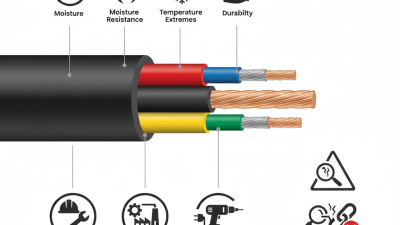
When evaluating SOOW cables, environmental conditions play a crucial role. These cables are designed for heavy-duty applications and often operate in harsh environments. Factors such as temperature extremes, moisture, and exposure to chemicals can significantly impact cable performance. Industry data indicates that around 30% of cable failures are linked to improper environmental assessments.
Understanding the specific environmental factors is key to selecting the right SOOW cable. For example, a cable used outdoors should have weather-resistant qualities. Similarly, cables in humid environments require enhanced moisture resistance. According to the National Electrical Manufacturers Association (NEMA), choosing a cable with appropriate durability can reduce maintenance costs by up to 20%.
It's also important to reflect on the long-term implications of the chosen cable. Some materials may degrade quicker in certain environments, leading to potential safety hazards. Regular inspections are essential to mitigate risks. Ensuring that you select the proper SOOW cable tailored to the environment can be the difference between reliability and failure. An educated choice can prevent costly downtimes and enhance safety in operations.
Comparing Different SOOW Cable Types and Features
When selecting SOOW cables, it’s vital to compare their types and features. SOOW cables are flexible, multi-conductor cables designed for heavy-duty applications. They are commonly used in industrial settings and construction. According to a report by the National Electrical Manufacturers Association (NEMA), flexibility and durability are key factors to consider since these cables endure harsh environments.
There are different types of SOOW cables, including those with rubber jackets and thermoplastic materials. Rubber jackets offer superior abrasion resistance and can perform in extreme temperatures. Data from the American Society for Testing and Materials (ASTM) shows that rubber-insulated cables can withstand a broader range of conditions, making them suitable for outdoor use. On the other hand, thermoplastic options are lightweight and less expensive but may not perform as well under stress.
Another consideration is the number of conductors within the cable. Cables can come with from two to five conductors. An industry survey indicates that cables with more conductors allow for more versatility in applications, but they may also lead to bulkiness. Ensuring the right balance between number and type of conductors is essential for effective performance and safety in various applications.
Choosing the Right SOOW Cable: Voltage Ratings Comparison
This bar chart illustrates the voltage ratings of various types of SOOW cables, highlighting the differences between light duty, medium duty, heavy duty, and extra heavy duty options. This information can help you determine the appropriate SOOW cable for your specific electrical needs.
Determining the Right Length and Gauge for Your Project
When selecting the right Soow cable, understanding length and gauge is crucial for success. The National Electrical Code (NEC) recommends specific wire gauges based on the amperage needed. For example, a 12-gauge wire typically supports up to 20 amps safely, while a 10-gauge wire can handle 30 amps.
Choosing the correct length also plays a vital role. Longer runs can result in voltage drop, impacting performance. Studies indicate that voltage drop may exceed 3% over long distances, potentially leading to equipment malfunction. Thus, measuring the distance between the power source and your device is essential.
Tip: Always add extra length during your measurement. It's better to have too much than too little. A small amount of flexibility can save you from costly rewiring.
Attention to detail is necessary when determining needs. If unsure, consulting a professional can prevent installation errors. Keeping gauge and length in mind helps ensure reliability and effectiveness in your projects.