Leave Your Message

Solar Energy For Telecommunications & Data Centers

Powering the Future of Digital Infrastructure with Sustainable Energy Solutions

SUSTAINABLE POWER SOLUTIONS

Transforming Telecommunications & Data Centers with Solar Energy

As the digital economy expands exponentially, telecommunications networks and data centers have become the backbone of modern society. These facilities require massive amounts of reliable, continuous power to maintain operations 24/7. Solar energy presents a revolutionary solution to meet these demanding energy requirements while reducing operational costs and environmental impact.

The Growing Energy Demand in Digital Infrastructure

The telecommunications and data center industries face unprecedented challenges in energy consumption. Global data center electricity usage is projected to reach 8% of total global electricity demand by 2030. Telecommunications towers and network infrastructure consume billions of kilowatt-hours annually, with costs continuing to rise as networks expand to support 5G technology and increased data traffic.

Traditional power sources pose several critical challenges:

  • High operational costs from grid electricity consumption
  • Carbon emissions contributing to climate change
  • Power reliability issues in remote or underserved areas
  • Increasing pressure from stakeholders for sustainable operations
  • Regulatory requirements for renewable energy adoption

⚡ Industry Impact

Data centers alone consume approximately 200 terawatt-hours (TWh) annually worldwide, equivalent to the entire electricity consumption of some medium-sized countries. Telecommunications infrastructure adds another significant portion to this energy demand, creating an urgent need for sustainable power solutions.

Why Solar Energy is the Optimal Solution

Solar energy has emerged as the most viable renewable energy source for telecommunications and data center applications due to several compelling advantages:

Economic Benefits

The cost of solar photovoltaic (PV) technology has declined by over 90% in the past decade, making it increasingly competitive with traditional energy sources. For telecommunications companies and data center operators, solar installations can reduce electricity costs by 40-70% over the system's lifetime. With typical payback periods of 5-8 years and system lifespans exceeding 25 years, the return on investment is substantial.

Operational Reliability

Modern solar energy systems, when combined with advanced battery storage solutions and smart grid technology, provide exceptional reliability. Hybrid systems can seamlessly switch between solar power, battery reserves, and grid electricity, ensuring uninterrupted operations even during grid outages or peak demand periods.

Environmental Sustainability

Solar energy systems produce zero emissions during operation, helping companies meet corporate sustainability goals and regulatory requirements. A typical 1 MW solar installation for a data center can offset approximately 1,500 tons of CO2 emissions annually, equivalent to removing 300 cars from the road.

Scalability and Flexibility

Solar installations can be scaled to match specific energy requirements, from small cell towers requiring a few kilowatts to massive data centers needing multiple megawatts. Modular design allows for phased implementation and future expansion as needs grow.

ADVANTAGES

Key Benefits of Solar-Powered Infrastructure

💰

Cost Reduction

Reduce energy costs by up to 70% with solar power, achieving ROI within 5-8 years while benefiting from 25+ year system lifespan.

🌍

Carbon Neutrality

Achieve net-zero emissions targets and comply with environmental regulations while enhancing corporate sustainability credentials.

Energy Independence

Reduce reliance on grid infrastructure, especially critical for remote telecommunications towers and edge data centers.

🔒

Power Reliability

Ensure 99.99% uptime with hybrid solar-battery-grid systems that provide redundant power sources and automatic failover.

SOLUTIONS

Solar Energy Cable Solutions for Telecommunications & Data Centers

High-performance cables engineered specifically for solar power systems in telecommunications and data center applications.

Solar Power Cable for Telecommunications Infrastructure

Solar Power Cable for Telecommunications Infrastructure

Data Center Solar Distribution Cable

Data Center Solar Distribution Cable System

High-Temperature Solar Cable for Telecom

High-Temperature Solar Cable for Telecommunications

Flexible Solar Power Cable for Data Centers

Flexible Solar Power Cable for Data Center Applications

APPLICATIONS

Deep-Dive Application Scenarios

1. Telecommunications Tower Infrastructure

Cell towers and base stations represent one of the most promising applications for solar energy. With over 5 million cell towers worldwide and numbers growing rapidly with 5G deployment, the potential impact is enormous.

Technical Implementation

Typical telecommunications tower solar installations range from 2-10 kW capacity, depending on equipment loads and location. Systems typically include:

  • Rooftop or ground-mounted solar panels optimized for local solar irradiance
  • Lithium-ion or advanced lead-acid battery banks providing 24-48 hours backup
  • Intelligent charge controllers managing power flow between solar, batteries, and grid
  • Remote monitoring systems for real-time performance tracking and maintenance alerts
  • Specialized solar cables rated for outdoor exposure, UV resistance, and temperature extremes

📡 Real-World Impact

Major telecommunications providers have deployed solar solutions across thousands of towers. In India alone, over 50,000 cell towers now operate on hybrid solar-diesel systems, reducing diesel consumption by 60% and cutting operational costs by $400-600 per tower annually.

Remote and Off-Grid Locations

Solar energy is particularly transformative for telecommunications infrastructure in remote areas where grid connectivity is unreliable or unavailable. Off-grid solar systems eliminate the need for diesel generators, which are expensive to fuel and maintain, especially in difficult-to-access locations. This enables telecommunications companies to expand network coverage to underserved rural areas economically.

2. Data Center Power Systems

Data centers present unique challenges and opportunities for solar energy implementation. These facilities operate 24/7 with consistent, high power demands ranging from hundreds of kilowatts for edge data centers to tens of megawatts for hyperscale facilities.

Hyperscale Data Center Solar Integration

Large data centers increasingly incorporate solar energy through multiple approaches:

  • On-site installations: Rooftop and adjacent ground-mounted arrays providing direct power to facilities
  • Off-site solar farms: Dedicated solar installations connected via power purchase agreements (PPAs)
  • Hybrid systems: Combining on-site solar with grid power and battery storage for optimal reliability and cost

Edge and Micro Data Centers

The proliferation of edge computing creates new opportunities for solar integration. Edge data centers, typically consuming 50-500 kW, are ideal candidates for solar power due to their distributed nature and often favorable roof space for installations. Solar-powered edge facilities can operate semi-independently from the grid, improving resilience and reducing transmission losses.

🏢 Industry Leadership

Leading technology companies have committed to 100% renewable energy for their data centers. Google has achieved carbon-neutral operations and aims for 24/7 carbon-free energy by 2030. Microsoft has contracted over 3 GW of renewable energy capacity, with solar playing a major role. Amazon Web Services has become the world's largest corporate purchaser of renewable energy, with numerous solar projects supporting data center operations.

3. Network Operations Centers (NOCs)

Network Operations Centers serve as the command and control hubs for telecommunications and internet service providers. These facilities require uninterrupted power for monitoring systems, servers, and communication equipment. Solar installations for NOCs typically range from 50-500 kW and often incorporate advanced features:

  • Redundant power architecture with multiple solar arrays and battery systems
  • Integration with existing UPS and backup generator systems
  • Smart energy management systems optimizing power distribution
  • Real-time monitoring and predictive maintenance capabilities

4. Fiber Optic Network Infrastructure

Fiber optic networks require powered equipment at regular intervals for signal amplification and routing. Solar-powered repeater stations and distribution points eliminate the need for grid connections in remote areas, reducing installation costs and improving network reliability. These installations typically require 1-5 kW systems with battery backup to ensure continuous operation.

MARKET INSIGHTS

Industry Trends and Future Outlook

Current Market Status

The global market for solar energy in telecommunications and data centers is experiencing rapid growth, driven by multiple factors:

Market Size and Growth

The telecommunications solar power market was valued at approximately $2.8 billion in 2023 and is projected to reach $7.5 billion by 2030, representing a compound annual growth rate (CAGR) of 15.2%. The data center renewable energy market, including solar, is expected to grow from $12 billion to $35 billion over the same period.

Regional Developments

Asia-Pacific: Leading global adoption with countries like India, China, and Indonesia implementing large-scale telecommunications solar programs. India's telecom sector aims to convert 75% of rural towers to renewable energy by 2025.

North America: Major data center operators in the US and Canada are committing to 100% renewable energy, with solar comprising 40-50% of renewable energy portfolios. California, Texas, and Virginia lead in data center solar installations.

Europe: Stringent environmental regulations drive rapid adoption. The EU's Green Deal and carbon pricing mechanisms make solar energy increasingly economically attractive for telecommunications and data center operators.

Africa and Middle East: Abundant solar resources and unreliable grid infrastructure create ideal conditions for solar-powered telecommunications expansion, particularly in rural areas.

Emerging Technologies and Innovations

Advanced Solar Panel Technology

Next-generation solar technologies are improving efficiency and reducing costs:

  • Bifacial panels: Capturing light from both sides, increasing energy generation by 10-20%
  • Perovskite solar cells: Promising efficiency improvements beyond 30% in laboratory settings
  • Building-integrated photovoltaics (BIPV): Seamlessly incorporating solar generation into data center architecture

Energy Storage Innovations

Battery technology advances are critical for solar reliability:

  • Solid-state batteries offering higher energy density and safety
  • Flow batteries providing scalable, long-duration storage for large facilities
  • AI-optimized battery management systems maximizing lifespan and performance

Smart Grid Integration

Artificial intelligence and IoT technologies enable sophisticated energy management:

  • Predictive analytics forecasting solar generation and energy demand
  • Automated load balancing optimizing power distribution
  • Machine learning algorithms improving system efficiency over time
  • Blockchain-based energy trading platforms enabling peer-to-peer power exchange

🚀 Future Outlook

Industry experts predict that by 2030, over 60% of new telecommunications infrastructure and 80% of new data center capacity will incorporate renewable energy as the primary power source, with solar energy comprising the largest share. The convergence of declining solar costs, improving storage technology, and increasing environmental pressure creates an inevitable transition toward solar-powered digital infrastructure.

60% Reduction in Energy Costs
99.99% System Uptime Reliability
25+ Years System Lifespan
70% Carbon Emission Reduction
ABOUT US

Company Profile

Wuxi Linde Cable Co., Ltd.

Linde Cable Co., Ltd. (hereinafter referred to as Linde Cable) was founded in year 2006, is a manufacturer specializing in the production of high-quality wires and cables, serving industries such as power transmission, telecommunications, construction, and renewable energy. With a steadfast commitment to quality and integrity, we ensure that every product meets international standards and exceeds customer expectations. Our dedication to innovation, sustainability, and reliable performance has established us as a trusted partner in the global market.

Our specialized cables for solar energy applications in telecommunications and data centers are engineered to withstand harsh environmental conditions while delivering optimal performance. We provide comprehensive solutions including UV-resistant cables, high-temperature rated conductors, and flexible installation options tailored to renewable energy infrastructure requirements.

Explore more
15+ Professional production lines
1000 10 million start-up capital
30+ More than 30 intellectual property
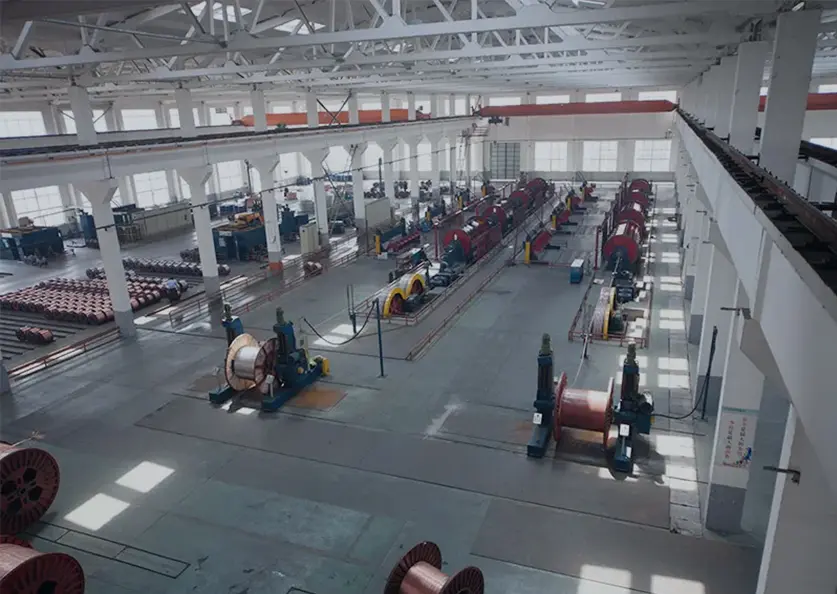
Linde Cable Manufacturing Facility
CASES

Solar Energy Project Cases for Telecommunications & Data Centers

Telecommunications Solar Infrastructure Project

Solar-powered telecommunications infrastructure project providing reliable cable solutions for renewable energy integration in mobile network base stations across Southeast Asia, ensuring 24/7 connectivity with sustainable power systems.

Data Center Solar Cable Installation

Comprehensive cable supply for data center solar power systems, supporting the transition to renewable energy with high-performance, UV-resistant cables designed for long-term outdoor exposure and optimal energy transmission efficiency.

Hybrid Solar-Grid Telecommunications System

Hybrid solar-grid telecommunications tower project utilizing advanced cable technology to integrate renewable energy sources, reducing operational costs by 60% while maintaining 99.99% network uptime and reliability.

Off-Grid Telecommunications Solar Solution

Off-grid telecommunications infrastructure powered entirely by solar energy, demonstrating the viability of renewable energy for remote network expansion. Our specialized cables ensure reliable power transmission in challenging environmental conditions.

Edge Data Center Solar Integration

Edge data center solar integration project featuring complete cable infrastructure for distributed computing facilities. The installation supports 500kW solar capacity with battery storage, achieving carbon-neutral operations for edge computing services.

5G Base Station Solar Power System

5G base station solar power system deployment across urban and rural areas, providing sustainable energy solutions for next-generation telecommunications infrastructure. Our high-temperature rated cables ensure optimal performance under intensive 5G equipment loads.

Hyperscale Data Center Renewable Energy

Hyperscale data center renewable energy project incorporating multi-megawatt solar installations. Linde Cable provided comprehensive wiring solutions for both solar generation and internal data center power distribution, supporting 100% renewable energy operations.

Network Operations Center Solar Retrofit

Network Operations Center solar retrofit project transforming traditional grid-powered facilities to hybrid solar systems. The installation reduced energy costs by 55% annually while improving power reliability through integrated battery storage and smart grid technology.

Fiber Optic Network Solar Infrastructure

Fiber optic network solar infrastructure project powering remote signal amplification stations and distribution points with standalone solar systems. This innovative approach eliminated the need for costly grid extensions while ensuring reliable network performance across challenging terrain.

PRODUCT SERIES

Complete Cable Solutions for Solar Energy Systems

Professional manufacturer of high-quality wires and cables, serving industries such as power transmission, telecommunications, construction, and renewable energy.

60227 IEC 01 BV Single-core non-sheathed cable with rigid conductor for general purposes

60227 IEC 01 BV Single-core non-sheathed cable ...

60227 IEC 05 BV Single-core non-sheathed cable with solid conductor for internal wiring for a conductor temperature of 70 °C

60227 IEC 05 BV Single-core non-sheathed cable ...

60227 IEC 07 BV-90°C Single-core non-sheathed cable with solid conductor for internal wiring for a conductor temperature of 90 °C

60227 IEC 07 BV-90°C Single-core non-sheathed c...

60227 IEC 02 RV Single-core non-sheathed cable with flexible conductor for general purposes

60227 IEC 02 RV Single-core non-sheathed cable ...

60227 IEC 06 RV Single-core non-sheathed cable with flexible conductor for internal wiring for a conductor temperature of 70 °C

60227 IEC 06 RV Single-core non-sheathed cable ...

60227 IEC 08 RV-90°C Single-core non-sheathed cable with flexible conductor for internal wiring for a conductor temperature of 90 °C.

60227 IEC 08 RV-90°C Single-core non-sheathed c...

60227 IEC 10 BVV Light polyvinyl chloride sheathed cable

60227 IEC 10 BVV Light polyvinyl chloride sheat...

60227 IEC 52 RVV Light polyvinyl chloride sheathed cord

60227 IEC 52 RVV Light polyvinyl chloride sheat...