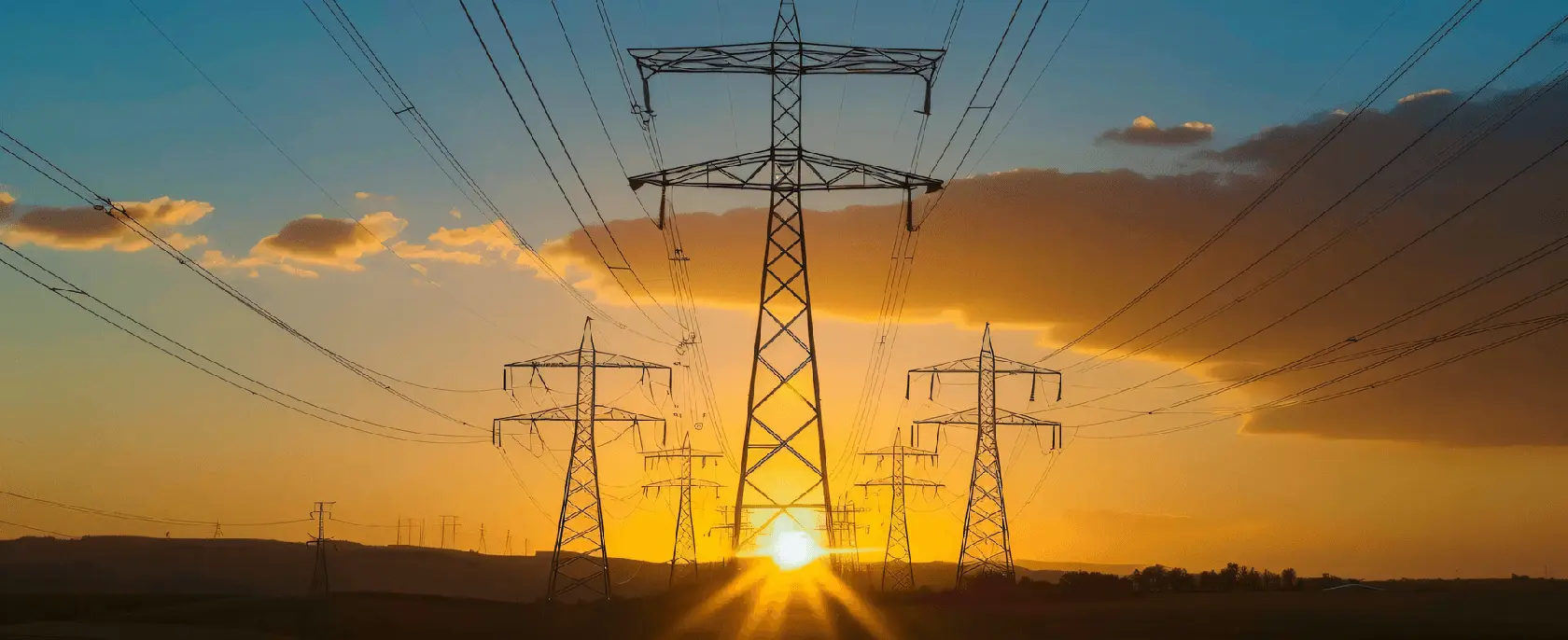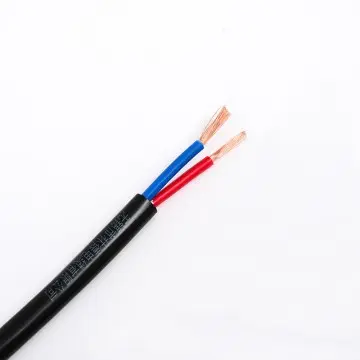
High-performance cable solutions specifically designed for renewable energy systems and solar installations
The global transition toward renewable energy has positioned solar power as a cornerstone technology in the fight against climate change and energy sustainability. Solar energy for renewable energy systems represents not just an alternative power source, but a fundamental shift in how humanity generates, distributes, and consumes electricity.
Solar photovoltaic (PV) technology has experienced exponential growth over the past decade, with global installed capacity surpassing 1,000 gigawatts in recent years. This remarkable expansion is driven by dramatic cost reductions—solar panel prices have decreased by over 90% since 2010—combined with improved efficiency rates that now regularly exceed 22% for commercial modules. As countries worldwide commit to net-zero emissions targets, solar energy infrastructure has become essential to achieving these ambitious climate goals.
The integration of solar energy into renewable energy systems extends far beyond simple rooftop installations. Modern solar applications encompass utility-scale solar farms spanning thousands of acres, building-integrated photovoltaics (BIPV) that transform entire structures into energy generators, floating solar installations on reservoirs and water bodies, and hybrid systems that combine solar with wind, storage, and conventional power sources to create resilient microgrids.
Critical to all these applications is the infrastructure that connects solar panels to the broader electrical grid—specifically, the specialized cables and wiring systems designed to withstand harsh environmental conditions while maintaining optimal electrical performance. These cables must endure extreme temperature fluctuations, UV radiation exposure, moisture ingress, and mechanical stress while delivering consistent power transmission over 25-30 year operational lifespans.
The commercial and industrial sectors represent the fastest-growing segments of solar energy adoption, driven by economic incentives, corporate sustainability commitments, and energy independence objectives.
Large-scale manufacturing operations are increasingly deploying megawatt-scale solar installations to offset energy-intensive production processes. These systems require robust cable infrastructure capable of handling high current loads while maintaining safety standards in industrial environments. Specialized fire-resistant and low-smoke cables ensure compliance with stringent safety regulations while supporting continuous 24/7 operations.
Office buildings, shopping centers, and mixed-use developments are integrating solar energy systems as standard features rather than optional additions. Building-integrated photovoltaics (BIPV) transform facades, canopies, and parking structures into energy-generating assets. These installations demand flexible cable solutions that accommodate architectural design requirements while delivering reliable performance in urban environments.
Utility-scale solar installations ranging from 50 MW to over 1 GW represent the most cost-effective form of new electricity generation in many markets. These massive projects require specialized high-voltage cables designed for long-distance power transmission, underground conduit systems, and interconnection with existing grid infrastructure. Cable performance directly impacts project economics through efficiency losses and maintenance requirements.
The integration of battery energy storage systems (BESS) with solar installations has created new technical requirements for cable infrastructure. These hybrid systems must accommodate bidirectional power flows, rapid charge/discharge cycles, and complex power electronics. Cables must support both DC connections from solar arrays and AC grid interconnections while maintaining efficiency across varying load conditions.
The solar energy industry continues to evolve rapidly, with technological innovations and market dynamics creating new opportunities and challenges for renewable energy systems.
Next-generation solar technologies are pushing efficiency boundaries and expanding application possibilities. Bifacial solar panels capture reflected light from both sides, increasing energy yield by 10-30%. Perovskite solar cells promise efficiencies exceeding 30% at dramatically lower manufacturing costs. Tandem solar cells combining multiple materials are achieving record-breaking conversion rates above 33%. These technological advances require cable systems capable of handling increased power densities and new electrical characteristics.
Solar energy systems are becoming intelligent, connected components of digital grid infrastructure. Advanced inverters provide grid support services including voltage regulation, frequency response, and reactive power control. Blockchain-enabled peer-to-peer energy trading platforms allow solar prosumers to directly sell excess generation. Artificial intelligence optimizes system performance through predictive maintenance and real-time operational adjustments. This digital transformation demands communication-enabled cable infrastructure supporting both power transmission and data connectivity.
Solar energy deployment is accelerating rapidly in developing economies across Africa, Southeast Asia, and Latin America. These markets present unique challenges including extreme climate conditions, limited grid infrastructure, and diverse regulatory environments. Off-grid and mini-grid solar systems are bringing electricity access to previously unserved communities. Industrial zones in emerging markets are deploying captive solar to overcome unreliable grid supply. Cable solutions for these applications must balance performance requirements with cost constraints while ensuring long-term reliability in challenging conditions.
The solar industry is increasingly focused on lifecycle sustainability and circular economy principles. Cable manufacturers are developing products using recycled materials and designing for end-of-life recyclability. Halogen-free, low-smoke cables minimize environmental impact during manufacturing and disposal. Extended product warranties reflecting 30+ year operational lifespans reduce replacement frequency. Sustainable sourcing of raw materials and carbon-neutral manufacturing processes are becoming competitive differentiators in the renewable energy supply chain.
Key statistics demonstrating the global impact and growth of solar energy in renewable systems
Comprehensive examination of specialized solar energy applications and their unique cable infrastructure requirements
The transportation sector is witnessing revolutionary integration of solar energy systems across multiple modalities. Solar-powered electric vehicle (EV) charging stations are proliferating along highways and in urban centers, creating demand for high-power DC cables capable of rapid charging cycles. Airport terminals are deploying extensive rooftop solar arrays to offset energy-intensive HVAC and lighting systems, requiring fire-rated cables that meet aviation safety standards. Railway systems in Europe and Asia are installing solar panels along track corridors to power signaling and communication equipment, utilizing specialized cables resistant to electromagnetic interference from train operations.
Port facilities and logistics hubs represent particularly promising applications, where large available roof and ground areas combine with high energy consumption from cargo handling equipment. Solar installations at these facilities must withstand corrosive marine environments and accommodate 24/7 operations, necessitating cables with enhanced moisture resistance and mechanical durability. The integration of solar energy with electric cargo handling equipment and shore power systems for vessels creates complex electrical architectures requiring sophisticated cable management solutions.
Agrivoltaic systems—which combine agricultural production with solar energy generation on the same land—represent an innovative approach to land-use optimization. These systems position solar panels at elevated heights or with increased spacing to allow crop cultivation or livestock grazing beneath the arrays. The dual-use approach increases land productivity while providing farmers with additional revenue streams from electricity generation.
Cable infrastructure for agrivoltaic installations faces unique challenges including exposure to agricultural chemicals, physical contact with farming equipment, and animal interference. UV-resistant, rodent-proof cables with robust mechanical protection are essential. Additionally, the distributed nature of agrivoltaic systems across large agricultural areas requires extensive cable runs that must balance electrical efficiency with installation costs. Specialized cable designs incorporating protective conduits and burial-rated insulation ensure long-term reliability in agricultural environments.
Solar installations in extreme climates—from Arctic research stations to desert solar farms—demonstrate the technology's versatility while highlighting critical cable performance requirements. In hot desert environments exceeding 50°C ambient temperatures, cables must maintain insulation integrity and electrical properties despite thermal cycling that can exceed 70°C differential between day and night. Specialized high-temperature insulation materials and conductor designs prevent degradation and maintain efficiency.
Conversely, solar installations in cold climates face challenges from sub-zero temperatures, snow loading, and ice formation. Cables must remain flexible for installation in cold conditions while maintaining electrical performance at temperature extremes. Arctic and Antarctic research facilities rely on solar energy during extended daylight periods, requiring cable systems that function reliably across temperature ranges from -50°C to +40°C. Low-temperature flexible insulation compounds and specialized conductor alloys ensure continued operation under these demanding conditions.
Building-integrated photovoltaics represent the convergence of architecture and energy generation, transforming building envelopes into power-producing assets. BIPV applications include solar facades, transparent solar windows, solar roof tiles, and photovoltaic canopies. These installations must satisfy both aesthetic design requirements and functional electrical performance, creating unique challenges for cable integration.
BIPV cable systems must be concealed within building structures while remaining accessible for maintenance. Flexible, small-diameter cables facilitate routing through confined spaces in walls, facades, and roof assemblies. Fire-resistance ratings matching building construction standards are mandatory, with halogen-free, low-smoke cables preferred for occupied structures. The distributed nature of BIPV installations requires numerous cable connections and junction points, demanding reliable connector systems and robust cable management solutions. As BIPV technology advances toward transparent and colored photovoltaic materials, cable infrastructure must evolve to support increasingly complex building-integrated energy systems.
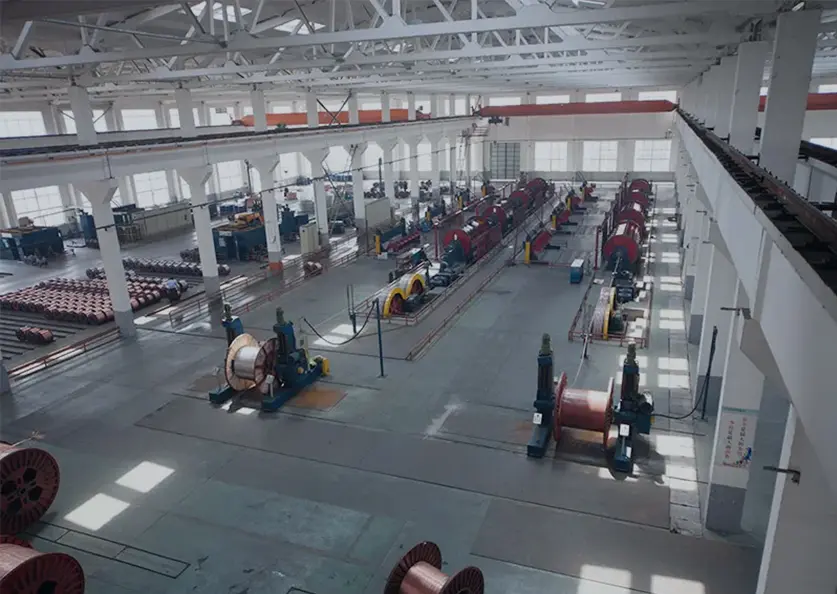
Linde Cable Co., Ltd. (hereinafter referred to as Linde Cable) was founded in year 2006, is a manufacturer specializing in the production of high-quality wires and cables, serving industries such as power transmission, telecommunications, construction, and renewable energy. With a steadfast commitment to quality and integrity, we ensure that every product meets international standards and exceeds customer expectations. Our dedication to innovation, sustainability, and reliable performance has established us as a trusted partner in the global market.
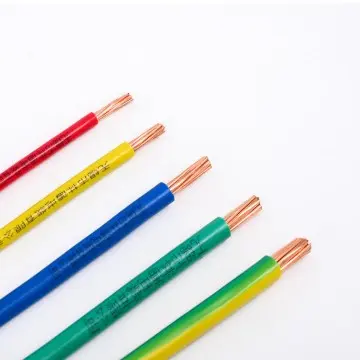
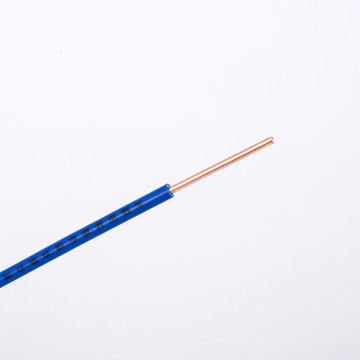
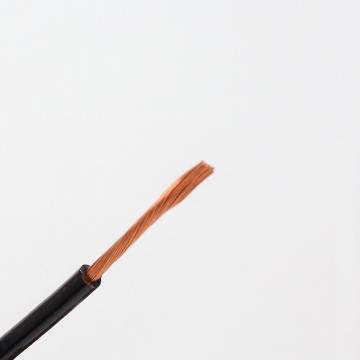
Our comprehensive product portfolio includes specialized cables for solar energy systems, designed to withstand the demanding conditions of renewable energy installations. From utility-scale solar farms to commercial rooftop systems, our cables deliver consistent performance, safety, and longevity that solar energy projects demand.
Explore more
Real-world implementations of our cable solutions in renewable energy systems worldwide
Linde Cable participated in the photovoltaic park cable project in Pakistan, providing customized cables to solve the material aging problem caused by the large temperature difference between day and night in the desert area. The covered areas mainly include Punjab Province, Sindh Province and Balochistan Province, and the total length of the transmission line can reach hundreds or even thousands of kilometers.
As one of the partners of State Grid, Linde Cable has jointly promoted the construction of large-scale cables in northeastern Brazil, covering 10 states in the northeast and integrating them into the Brazilian national grid. The investment is more than US$600 million, with a total length of about 1,930 kilometers for 9 cable lines and 3 secondary power stations.
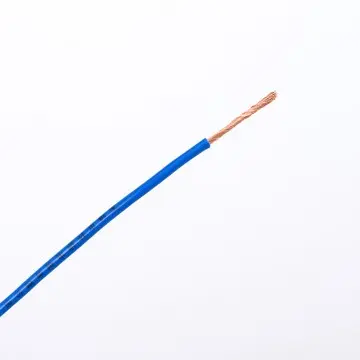
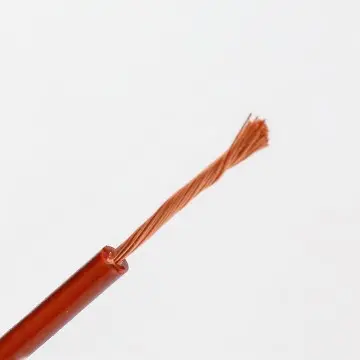
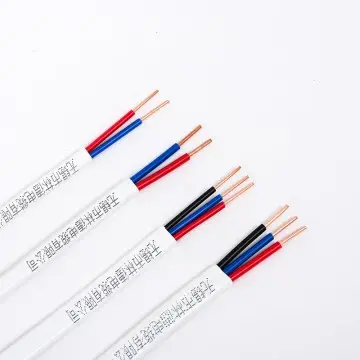
Comprehensive range of high-quality cables for solar energy and renewable energy system applications