The integration of solar energy into power transmission and distribution networks represents one of the most transformative developments in the global energy sector. As the world accelerates its transition toward renewable energy sources, solar power has emerged as a cornerstone technology, fundamentally reshaping how electricity is generated, transmitted, and distributed across vast geographical areas. This paradigm shift is driven by technological advancements, decreasing costs, environmental imperatives, and the urgent need for energy security and sustainability.
Solar energy's role in power transmission and distribution extends far beyond simple electricity generation. It encompasses sophisticated grid integration systems, advanced energy storage solutions, smart distribution networks, and innovative cable technologies specifically designed to handle the unique characteristics of solar-generated power. The sector is witnessing unprecedented growth, with global solar capacity installations reaching record levels year after year, necessitating corresponding advancements in transmission and distribution infrastructure.
The commercial and industrial adoption of solar energy for power transmission and distribution has reached unprecedented levels. According to recent industry analyses, the global solar energy market is projected to exceed $223 billion by 2026, with transmission and distribution infrastructure accounting for a significant portion of this investment. Large-scale utility solar farms, ranging from 50 MW to over 2 GW capacity, now require sophisticated transmission systems capable of delivering power across hundreds of kilometers while maintaining efficiency and reliability.
Industrial applications of solar energy in power transmission and distribution have evolved considerably. Manufacturing facilities, data centers, and heavy industrial complexes are increasingly incorporating on-site solar generation coupled with advanced distribution systems. These installations often feature hybrid configurations combining solar arrays with battery storage systems and grid connections, requiring specialized cabling solutions that can handle bidirectional power flow, variable voltage conditions, and high-frequency switching associated with modern inverter technologies.
The development of solar-powered microgrids represents another significant industrial trend. These localized energy systems integrate solar generation, storage, and distribution within defined geographical boundaries, providing enhanced resilience, reduced transmission losses, and improved power quality. Microgrids serving industrial parks, military installations, university campuses, and remote communities require robust transmission and distribution infrastructure designed specifically for solar energy characteristics, including rapid voltage fluctuations and intermittent generation patterns.
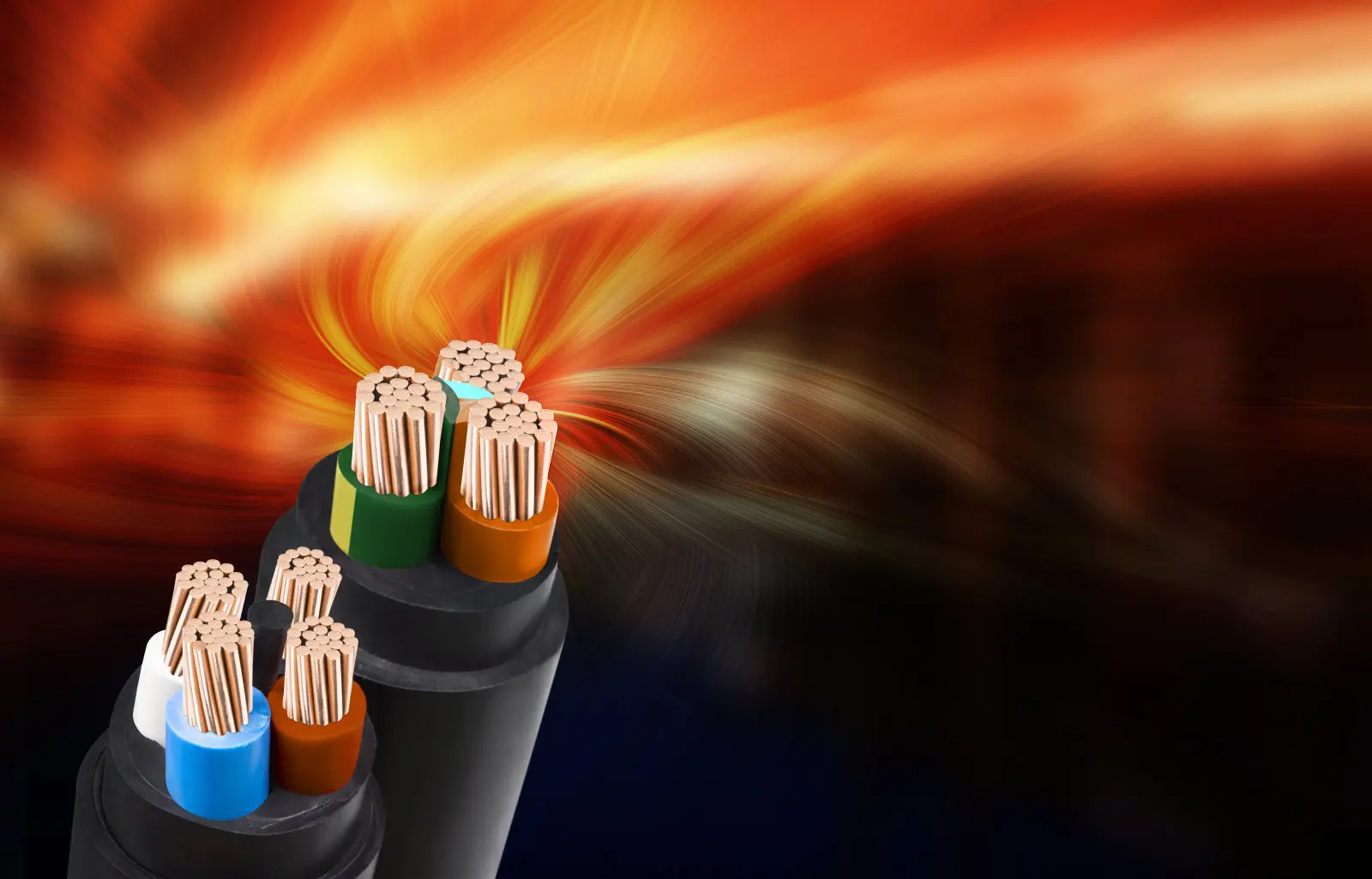
The evolution of cable technology specifically designed for solar power transmission and distribution has been remarkable. Modern solar cables must withstand extreme environmental conditions including UV radiation exposure, temperature fluctuations ranging from -40°C to +90°C, moisture, and mechanical stress. Contemporary solar cable designs incorporate advanced insulation materials such as cross-linked polyethylene (XLPE), ethylene propylene rubber (EPR), and halogen-free compounds that provide superior performance characteristics compared to traditional cables.
High-voltage direct current (HVDC) transmission systems are increasingly being deployed for long-distance solar power transmission, offering significantly reduced losses compared to alternating current systems. HVDC cables designed for solar applications feature specialized conductor configurations, advanced insulation systems, and sophisticated shielding arrangements to handle the unique electrical characteristics of solar-generated power. These systems are particularly valuable for connecting large-scale solar farms in remote locations to population centers hundreds or thousands of kilometers away.
The integration of solar energy into smart grid systems represents a fundamental transformation in power transmission and distribution. Smart grids equipped with advanced sensors, communication networks, and automated control systems enable real-time monitoring and optimization of solar power flow. These systems utilize sophisticated algorithms to predict solar generation patterns, manage energy storage systems, and dynamically adjust distribution networks to accommodate variable renewable energy sources.
Digital twin technology is emerging as a powerful tool for optimizing solar transmission and distribution networks. By creating virtual replicas of physical infrastructure, operators can simulate various scenarios, predict maintenance needs, and optimize performance without disrupting actual operations. Machine learning algorithms analyze vast amounts of operational data to identify patterns, predict failures, and recommend optimization strategies, significantly improving system reliability and efficiency.
Utility-scale solar installations, typically ranging from 100 MW to multi-gigawatt capacity, require extensive transmission infrastructure to deliver generated power to the grid. These projects involve complex engineering challenges including collector system design, medium-voltage collection networks, high-voltage transmission lines, and grid interconnection facilities. The collector system alone may comprise hundreds of kilometers of specialized solar cables connecting individual inverter stations to central substations.
Recent mega-projects demonstrate the scale and complexity of modern solar transmission infrastructure. The Bhadla Solar Park in India, with a capacity exceeding 2.2 GW, required the construction of dedicated 220 kV and 400 kV transmission lines spanning over 200 kilometers to connect to the regional grid. Similarly, the Mohammed bin Rashid Al Maktoum Solar Park in Dubai incorporates advanced transmission systems designed to handle the unique power quality characteristics of large-scale solar generation while maintaining grid stability.
Commercial and industrial rooftop solar installations present unique distribution challenges due to building structural constraints, electrical system integration requirements, and safety considerations. These systems typically range from 100 kW to several megawatts and require careful design of distribution networks to integrate with existing building electrical infrastructure while maintaining code compliance and safety standards. Advanced monitoring systems track performance, detect anomalies, and optimize energy usage patterns to maximize return on investment.
Offshore and floating solar installations represent an emerging frontier in renewable energy, presenting unique transmission and distribution challenges. These systems require specialized marine-grade cables capable of withstanding saltwater exposure, wave action, and harsh environmental conditions. Submarine cable systems transmit power from offshore installations to onshore grid connections, often requiring distances of several kilometers and sophisticated protection systems against marine hazards.
Floating solar installations on reservoirs, lakes, and coastal waters are gaining popularity due to their efficient use of water surfaces and reduced land requirements. These systems require flexible cable designs that accommodate water level fluctuations, structural movement, and environmental stresses while maintaining reliable electrical performance. The integration of floating solar with hydroelectric facilities creates hybrid renewable energy systems with enhanced reliability and grid stability characteristics.
Linde Cable Co., Ltd.(hereinafter referred to as Linde Cable) was founded in year 2006,is a manufacturer specializing in the production of high-quality wires and cables, serving industries such as power transmission, telecommunications, construction, and renewable energy. With a steadfast commitment to quality and integrity, we ensure that every product meets international standards and exceeds customer expectations. Our dedication to innovation, sustainability, and reliable performance has established us as a trusted partner in the global market.
Spanning a state-of-the-art manufacturing facility of over 100,000 square meters, our production capabilities are supported by advanced machinery and cutting-edge technology. We operate more than 30 production lines, equipped with precision tools for extrusion, stranding, and insulation processes. Our in-house testing laboratory features over 20 high-precision inspection devices, including flame retardancy testers, tensile strength analyzers, and high-voltage testers, ensuring that every product undergoes rigorous quality control before reaching our customers. With certification from ISO9001, ISO14001, ISO18001, and China Compulsory Certification (CCC),ensuring that we have an excellent system in place to maintain our high standards of product quality and after-sales service.
Over the years, we have successfully delivered projects for renowned clients, including Fortune 500 companies and leading infrastructure developers. Our products have been widely used in high-profile projects such as urban power grids, offshore wind farms, and international telecommunications networks. Client feedback consistently highlights our reliability, technical expertise, and exceptional after-sales service. We take pride in these achievements and remain committed to building long-term partnerships through excellence and innovation.

Linde Cable is equipped with a wide range of over 100 advanced production machineries, showcasing our commitment to technological excellence and manufacturing precision. With cutting-edge equipment such as high-speed extrusion lines, automated stranding machines, and precision insulation systems, we ensure the highest quality standards for our products. Our state-of-the-art facilities contribute to an annual production value exceeding $200 million, reflecting our strong capabilities and competitive edge in the industry. This robust infrastructure enables us to meet diverse customer demands efficiently while maintaining superior product performance and reliability.
Our state-of-the-art manufacturing facilities are equipped with the latest technology, enabling us to produce high-quality wires and cables efficiently. We utilize automated production lines and precision machinery, ensuring consistent product quality and reducing the margin of error. Our investment in technology also allows us to customize products to meet specific client requirements, providing tailored solutions that competitors often cannot match.
We offer an extensive portfolio of wire and cable products, including power cables, communication cables, fiber optics, and specialty cables for various industries such as automotive, construction, and telecommunications. This diversity allows us to serve a broad customer base and adapt to changing market demands. Our ability to provide a one-stop solution for all wire and cable needs is a significant advantage over competitors with more limited offerings.
Quality is at the core of our operations. We adhere to international standards such as ISO 9001, RoHS, and UL certifications, ensuring that our products meet the highest safety and performance criteria. Our rigorous quality control processes include multiple stages of testing, from raw material inspection to final product evaluation. This commitment to quality minimizes the risk of defects and enhances the reliability of our products, earning the trust of our clients.
Innovation is a key driver of our success. Our dedicated R&D team continuously works on developing new materials, improving existing products, and exploring cutting-edge technologies. For instance, we have recently introduced eco-friendly cables made from recyclable materials, addressing the growing demand for sustainable solutions. Our focus on R&D ensures that we stay ahead of industry trends and offer products that meet future needs.
We prioritize customer satisfaction by offering exceptional service and support. Our team of experienced professionals works closely with clients to understand their needs and provide tailored solutions. We also offer comprehensive after-sales services, including technical support and maintenance, ensuring long-term customer relationships. Our commitment to customer-centricity has resulted in high client retention rates and positive word-of-mouth referrals.
Despite our high-quality standards and advanced technology, we maintain competitive pricing through efficient production processes and economies of scale. Our ability to offer premium products at reasonable prices makes us an attractive choice for cost-conscious customers without compromising on quality.
We are committed to sustainable practices throughout our operations. From using energy-efficient manufacturing processes to reducing waste and emissions, we strive to minimize our environmental impact. Our sustainability initiatives not only contribute to environmental preservation but also resonate with eco-conscious customers, enhancing our brand reputation.