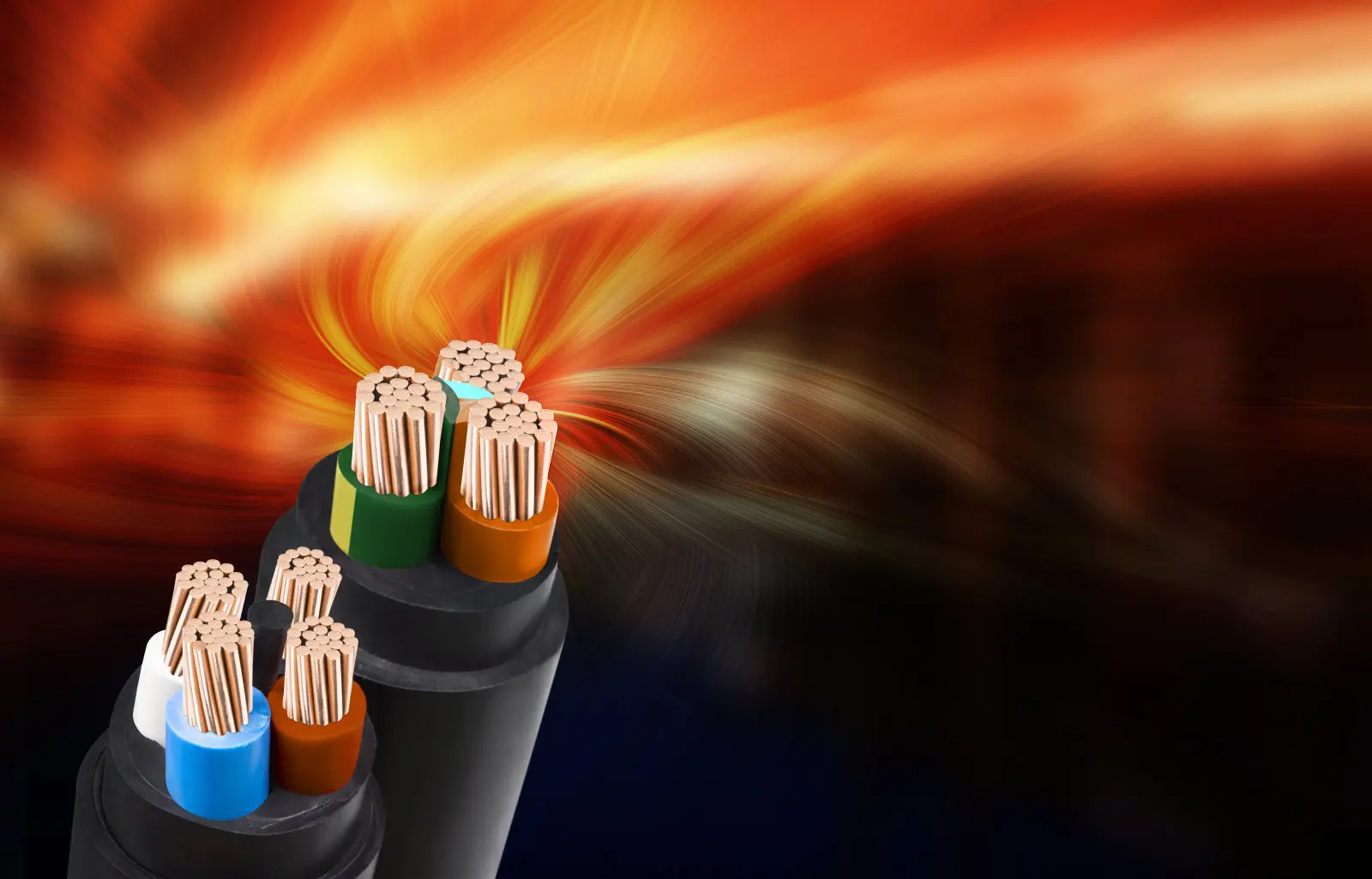
High-efficiency photovoltaic cables designed for industrial solar installations
Heavy-duty cables for large-scale manufacturing solar energy systems
Optimized DC cables for efficient energy transmission in manufacturing facilities
Comprehensive connection solutions for industrial solar installations
The integration of solar energy into industrial manufacturing represents one of the most significant transformations in modern industry. As global manufacturing sectors face increasing pressure to reduce carbon emissions and operational costs, solar energy has emerged as a viable and economically attractive solution. Industrial facilities, with their vast roof spaces and high energy consumption, are ideally positioned to benefit from solar power installations.
The manufacturing industry accounts for approximately 54% of global electricity consumption, making it a critical sector for renewable energy adoption. Solar energy systems can provide manufacturers with substantial cost savings, energy independence, and enhanced corporate sustainability profiles. Recent technological advancements have reduced solar panel costs by over 90% in the past decade, making industrial solar installations increasingly competitive with traditional grid electricity.
The global industrial solar energy market has experienced exponential growth, with a compound annual growth rate (CAGR) of 8.5% projected through 2030. Major manufacturing hubs in Asia, Europe, and North America are leading this transformation, with countries like China, Germany, and the United States investing billions in industrial solar infrastructure. Manufacturing facilities ranging from automotive plants to food processing centers are now incorporating solar energy systems as integral components of their operations.
Automotive manufacturing facilities are among the largest consumers of industrial energy, making them prime candidates for solar energy integration. Modern automotive plants require consistent, high-volume power for assembly lines, robotic systems, paint shops, and climate control. Solar installations on expansive factory roofs and adjacent land can generate megawatts of clean energy.
Leading automotive manufacturers have already demonstrated the viability of solar power in production environments. Tesla's Gigafactory in Nevada features one of the world's largest rooftop solar arrays, while BMW's South African plant operates entirely on renewable energy. These installations not only reduce operational costs but also align with corporate sustainability commitments and increasingly stringent environmental regulations.
The textile industry's energy-intensive processes, including dyeing, drying, and finishing, make it an excellent candidate for solar energy adoption. Textile factories typically operate during daylight hours, perfectly aligning with peak solar generation periods. This synchronization maximizes the utilization of solar energy and minimizes reliance on grid electricity during expensive peak-demand periods.
In countries like India and Bangladesh, where textile manufacturing is a major economic driver, solar installations are transforming the industry. Large textile complexes are installing multi-megawatt solar systems that can meet 40-60% of their daytime energy requirements, resulting in significant cost savings and reduced carbon footprints.
Chemical and pharmaceutical manufacturing facilities require reliable, uninterrupted power supplies for critical processes and temperature-sensitive storage. Solar energy systems, when integrated with battery storage and grid connections, provide resilient power solutions that enhance operational reliability while reducing energy costs.
These industries are increasingly adopting solar energy not only for cost benefits but also to meet strict environmental compliance requirements. Solar installations help reduce scope 2 emissions (indirect emissions from purchased electricity), which is crucial for pharmaceutical companies committed to carbon neutrality targets.
Food processing facilities and cold storage warehouses are particularly well-suited for solar energy integration due to their consistent daytime energy demands and large roof areas. Refrigeration systems, which account for a significant portion of energy consumption in these facilities, can be directly powered by solar energy during peak sunlight hours.
Solar thermal systems are also being deployed in food processing for heating applications, such as pasteurization and sterilization processes. This dual approach—combining photovoltaic and solar thermal technologies—maximizes the overall energy efficiency of food manufacturing operations.
The convergence of solar energy with Industry 4.0 technologies is creating smart manufacturing environments. IoT sensors, AI-powered energy management systems, and predictive analytics are optimizing solar energy utilization in real-time. These systems can forecast energy production based on weather patterns, adjust manufacturing schedules to maximize solar energy consumption, and automatically switch between solar, battery storage, and grid power to minimize costs.
Energy Storage Revolution: Advanced battery storage systems are addressing the intermittency challenge of solar energy. Lithium-ion, flow batteries, and emerging solid-state technologies enable manufacturers to store excess solar energy generated during peak production hours for use during evenings or cloudy periods. This capability is transforming solar from a supplementary power source to a primary energy solution for 24/7 manufacturing operations.
Green Hydrogen Production: Industrial manufacturers are increasingly using excess solar energy to produce green hydrogen through electrolysis. This hydrogen can be used as an industrial feedstock, fuel for material handling equipment, or stored for later electricity generation. Steel manufacturers, in particular, are exploring hydrogen as a replacement for coal in steel production, potentially revolutionizing one of the world's most carbon-intensive industries.
Perovskite and Tandem Solar Cells: Next-generation solar technologies promise even greater efficiency and lower costs. Perovskite solar cells and tandem cell configurations could achieve conversion efficiencies exceeding 30%, significantly increasing the power generation potential of industrial solar installations. These technologies are expected to reach commercial viability within the next 5-7 years.
Building-Integrated Photovoltaics (BIPV): For new manufacturing facilities, BIPV systems integrate solar cells directly into building materials such as roofing, facades, and windows. This approach maximizes solar energy capture while reducing construction costs and improving aesthetic appeal. BIPV is particularly attractive for industrial parks and manufacturing complexes designed with sustainability as a core principle.
The economic case for solar energy in industrial manufacturing has never been stronger. With levelized costs of electricity (LCOE) from solar installations now competitive with or lower than grid electricity in many regions, manufacturers can achieve payback periods of 3-7 years. Over the 25-30 year lifespan of solar systems, this translates to substantial cumulative savings.
Beyond direct cost savings, solar installations provide price stability and protection against volatile electricity rates. For manufacturers in regions with time-of-use pricing, solar energy generated during expensive peak hours offers maximum economic value. Additionally, many governments offer tax incentives, accelerated depreciation, and renewable energy certificates that further improve the financial attractiveness of industrial solar projects.
From an environmental perspective, the impact is equally significant. A typical 1 MW solar installation on a manufacturing facility can offset approximately 1,500 tons of CO2 emissions annually—equivalent to removing 325 cars from the road. As corporations face increasing pressure from investors, customers, and regulators to reduce carbon footprints, solar energy provides a tangible, measurable pathway to sustainability goals.
Major corporations are increasingly requiring their suppliers to adopt renewable energy. Programs like Apple's Supplier Clean Energy Program and Amazon's Climate Pledge are driving widespread solar adoption throughout manufacturing supply chains. Manufacturers who invest in solar energy gain competitive advantages in securing contracts with sustainability-focused customers.
Linde Cable Co., Ltd. (hereinafter referred to as Linde Cable) was founded in year 2006, is a manufacturer specializing in the production of high-quality wires and cables, serving industries such as power transmission, telecommunications, construction, and renewable energy. With a steadfast commitment to quality and integrity, we ensure that every product meets international standards and exceeds customer expectations. Our dedication to innovation, sustainability, and reliable performance has established us as a trusted partner in the global market.
Spanning a state-of-the-art manufacturing facility of over 100,000 square meters, our production capabilities are supported by advanced machinery and cutting-edge technology. We operate more than 30 production lines, equipped with precision tools for extrusion, stranding, and insulation processes. Our in-house testing laboratory features over 20 high-precision inspection devices, including flame retardancy testers, tensile strength analyzers, and high-voltage testers, ensuring that every product undergoes rigorous quality control before reaching our customers. With certification from ISO9001, ISO14001, ISO18001, and China Compulsory Certification (CCC), ensuring that we have an excellent system in place to maintain our high standards of product quality and after-sales service.
Over the years, we have successfully delivered projects for renowned clients, including Fortune 500 companies and leading infrastructure developers. Our products have been widely used in high-profile projects such as urban power grids, offshore wind farms, and international telecommunications networks. Client feedback consistently highlights our reliability, technical expertise, and exceptional after-sales service. We take pride in these achievements and remain committed to building long-term partnerships through excellence and innovation.
Linde Cable is equipped with a wide range of over 100 advanced production machineries, showcasing our commitment to technological excellence and manufacturing precision. With cutting-edge equipment such as high-speed extrusion lines, automated stranding machines, and precision insulation systems, we ensure the highest quality standards for our products. Our state-of-the-art facilities contribute to an annual production value exceeding $200 million, reflecting our strong capabilities and competitive edge in the industry. This robust infrastructure enables us to meet diverse customer demands efficiently while maintaining superior product performance and reliability.
Our state-of-the-art manufacturing facilities are equipped with the latest technology, enabling us to produce high-quality wires and cables efficiently. We utilize automated production lines and precision machinery, ensuring consistent product quality and reducing the margin of error. Our investment in technology also allows us to customize products to meet specific client requirements, providing tailored solutions that competitors often cannot match.
We offer an extensive portfolio of wire and cable products, including power cables, communication cables, fiber optics, and specialty cables for various industries such as automotive, construction, and telecommunications. This diversity allows us to serve a broad customer base and adapt to changing market demands. Our ability to provide a one-stop solution for all wire and cable needs is a significant advantage over competitors with more limited offerings.
Quality is at the core of our operations. We adhere to international standards such as ISO 9001, RoHS, and UL certifications, ensuring that our products meet the highest safety and performance criteria. Our rigorous quality control processes include multiple stages of testing, from raw material inspection to final product evaluation. This commitment to quality minimizes the risk of defects and enhances the reliability of our products, earning the trust of our clients.
Innovation is a key driver of our success. Our dedicated R&D team continuously works on developing new materials, improving existing products, and exploring cutting-edge technologies. For instance, we have recently introduced eco-friendly cables made from recyclable materials, addressing the growing demand for sustainable solutions. Our focus on R&D ensures that we stay ahead of industry trends and offer products that meet future needs.
We prioritize customer satisfaction by offering exceptional service and support. Our team of experienced professionals works closely with clients to understand their needs and provide tailored solutions. We also offer comprehensive after-sales services, including technical support and maintenance, ensuring long-term customer relationships. Our commitment to customer-centricity has resulted in high client retention rates and positive word-of-mouth referrals.
Despite our high-quality standards and advanced technology, we maintain competitive pricing through efficient production processes and economies of scale. Our ability to offer premium products at reasonable prices makes us an attractive choice for cost-conscious customers without compromising on quality.
We are committed to sustainable practices throughout our operations. From using energy-efficient manufacturing processes to reducing waste and emissions, we strive to minimize our environmental impact. Our sustainability initiatives not only contribute to environmental preservation but also resonate with eco-conscious customers, enhancing our brand reputation.
In year 1999, Mr. He Zeqiu found a cable sale center to serve domestic and international clients.
Based on customer needs, in order to provide customers with higher quality products and services, Mr. He Zeqiu found Linde Cable Co., Ltd. to independently manufacture wires and cables in year 2006.
Linde Cable expanded into international trade by conducting market research, building a global distribution network, complying with international standards, optimizing logistics, participating in trade fairs, offering customized solutions, and providing excellent after-sales service.
In year 2020, Linde Cable established a new production base covering an area of over 10,000 square meters. By introducing advanced production equipment, building a more comprehensive quality management system, and adding multiple new product categories, the company has significantly enhanced its overall competitiveness.
Weather-resistant cables for outdoor industrial solar installations
Heat-resistant cables for demanding manufacturing environments
Flexible design for complex industrial solar panel configurations
Heavy-duty protection for industrial ground-mounted solar systems
Fire-safe cables for enclosed manufacturing facilities
Corrosion-resistant cables for coastal manufacturing plants
Direct burial cables for industrial solar farm connections
IoT-enabled cables for Industry 4.0 solar manufacturing integration