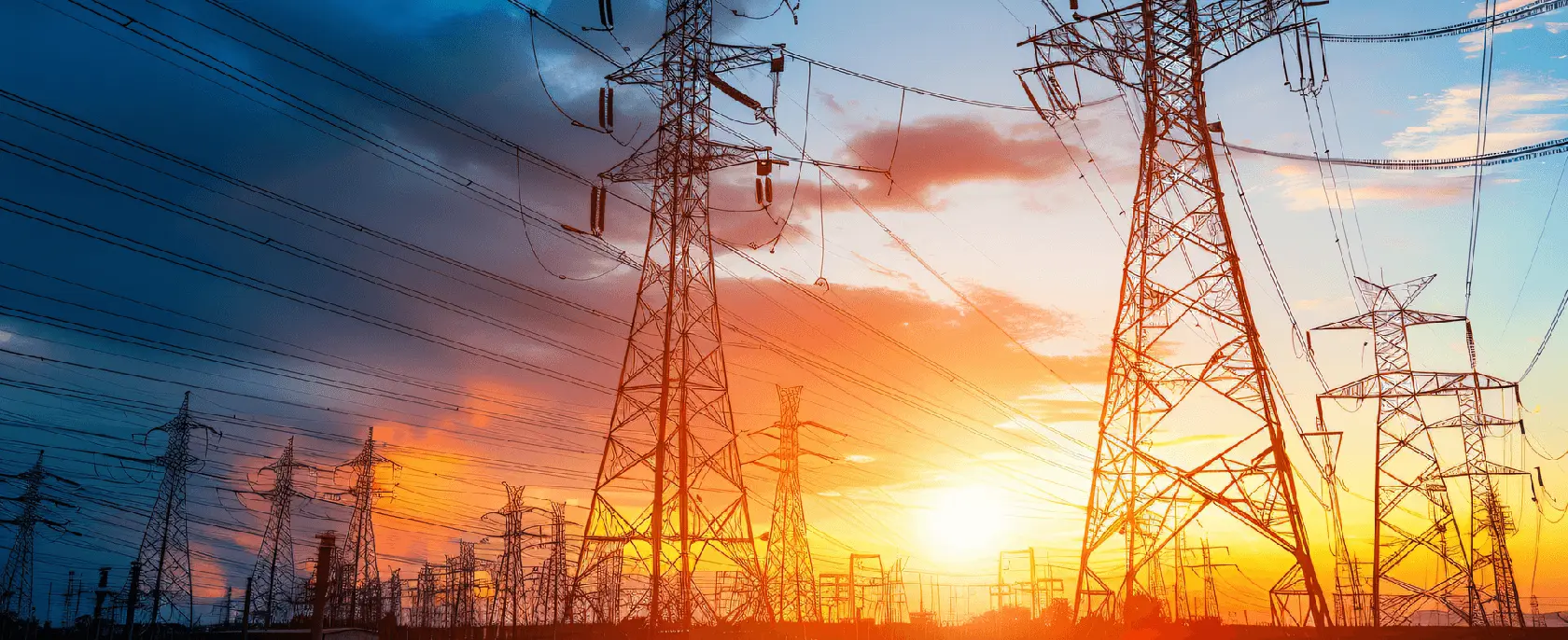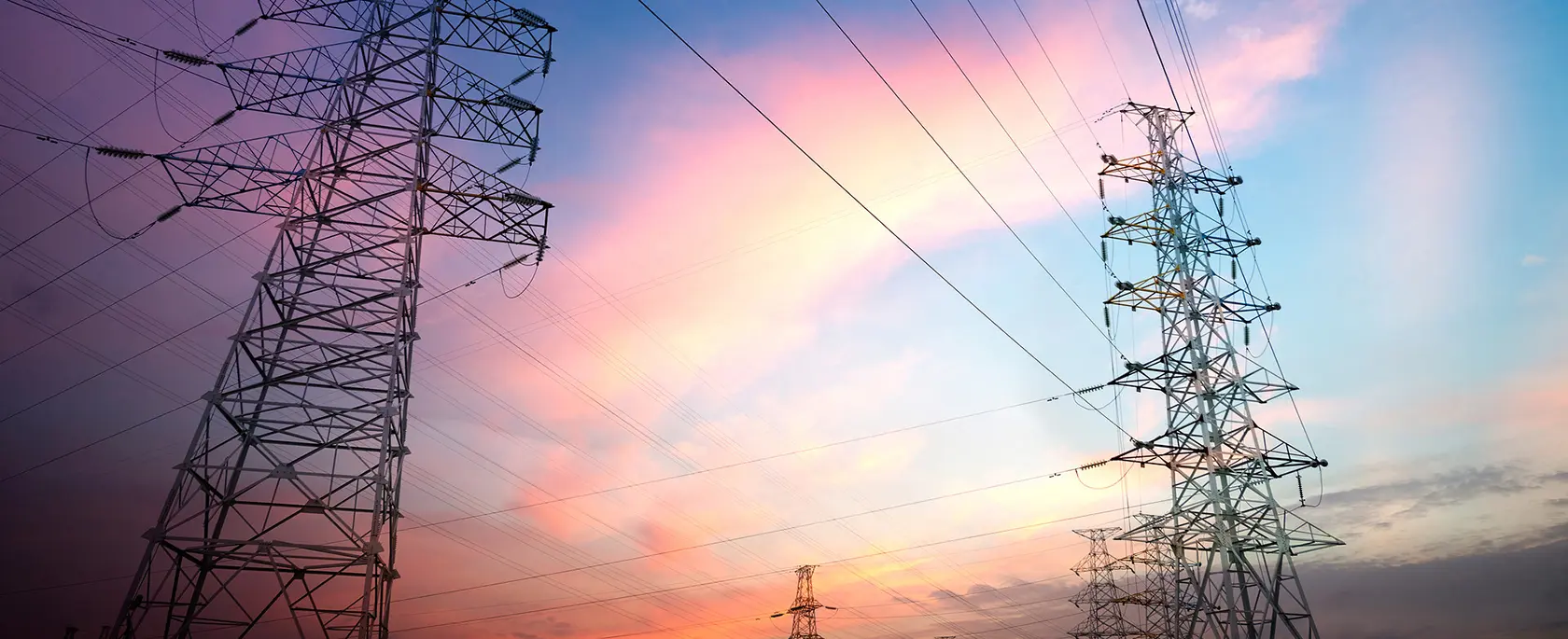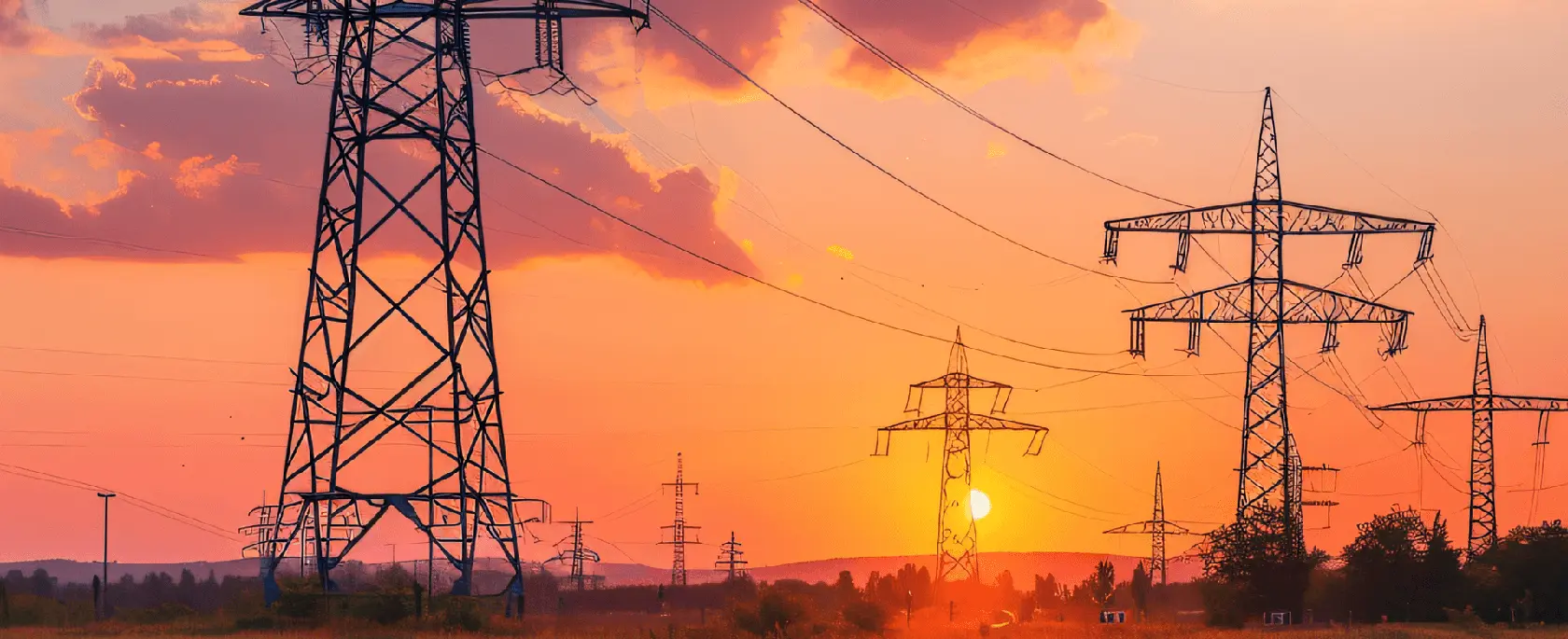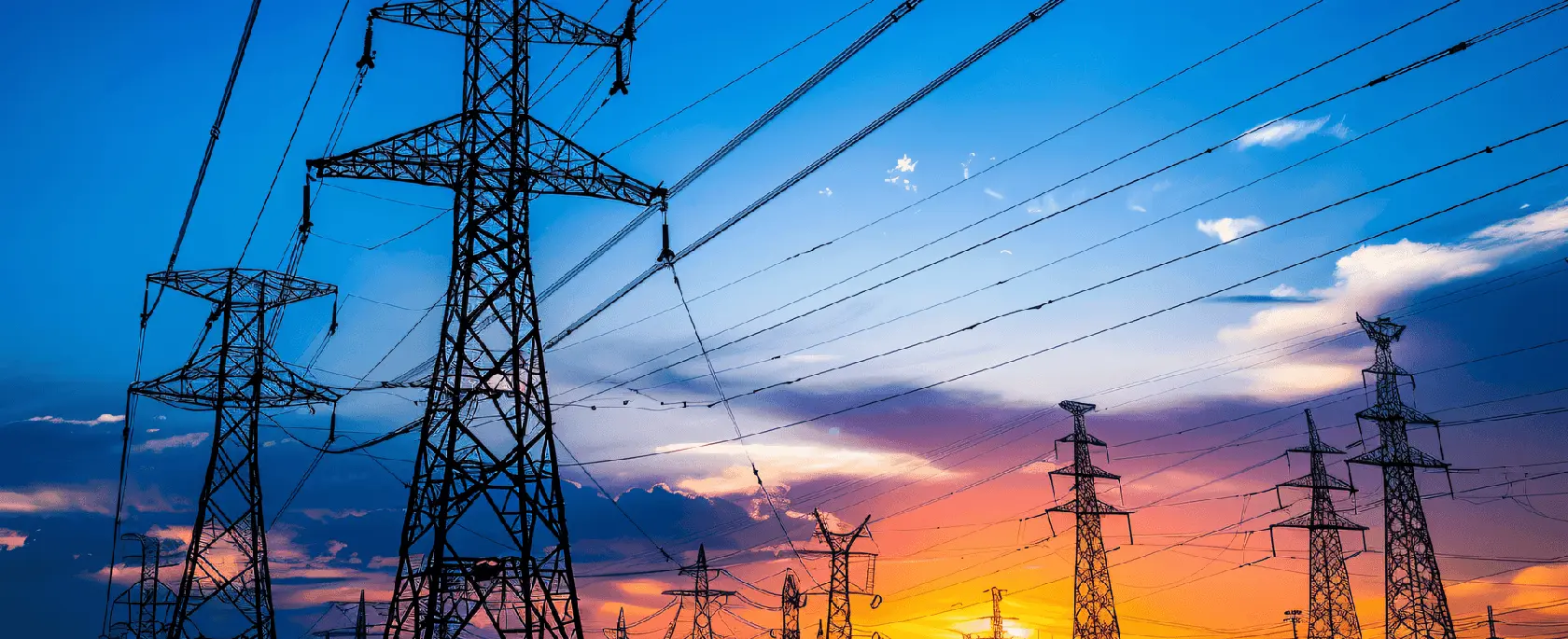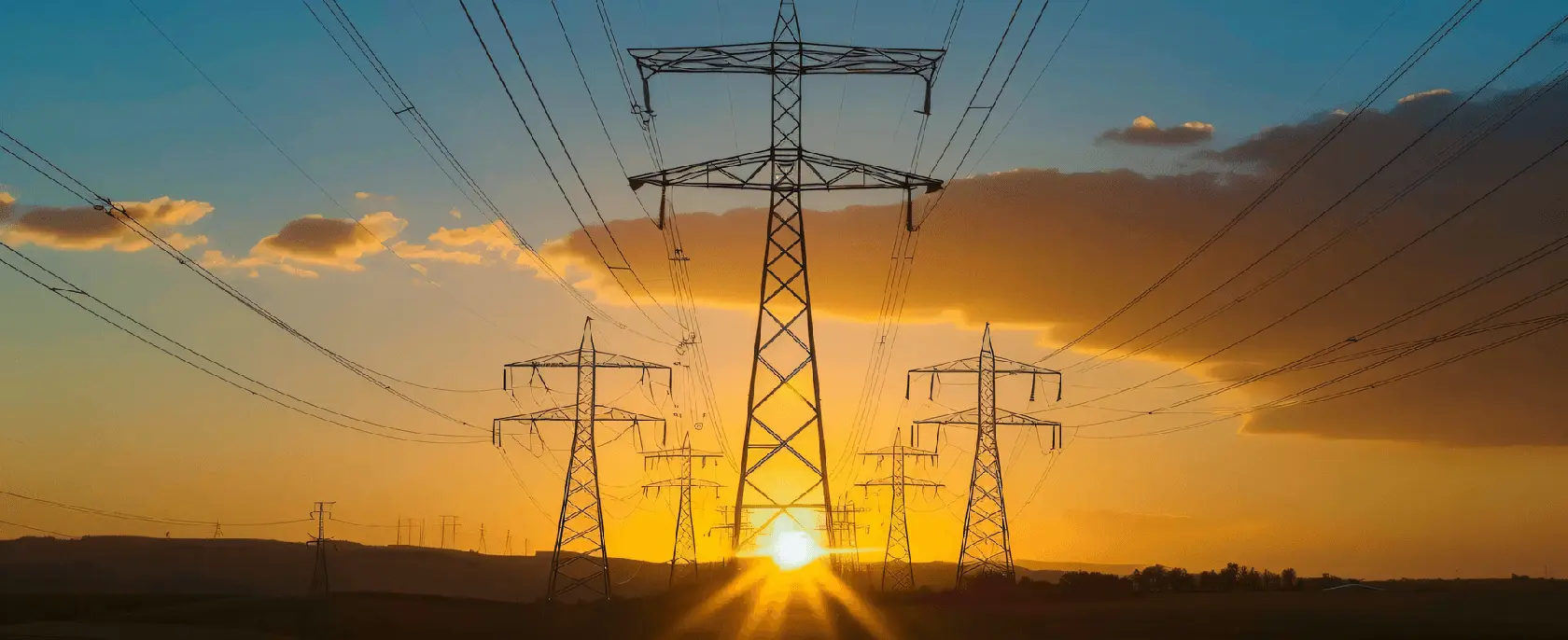
As the global transportation and logistics industry seeks sustainable solutions, solar energy battery storage has emerged as a transformative technology, enabling cleaner operations, reduced costs, and enhanced operational efficiency.
Solar energy battery storage systems are reshaping transportation infrastructure by providing renewable power for electric vehicle charging stations, warehouse operations, and logistics hubs, significantly reducing carbon footprints across the supply chain.
Advanced battery storage solutions enable transportation facilities to store excess solar energy during peak production hours and utilize it during high-demand periods, ensuring uninterrupted operations and reducing dependency on traditional grid power.
By integrating solar battery storage, logistics companies can dramatically reduce operational expenses through lower energy bills, peak demand charge avoidance, and access to renewable energy incentives and tax credits.
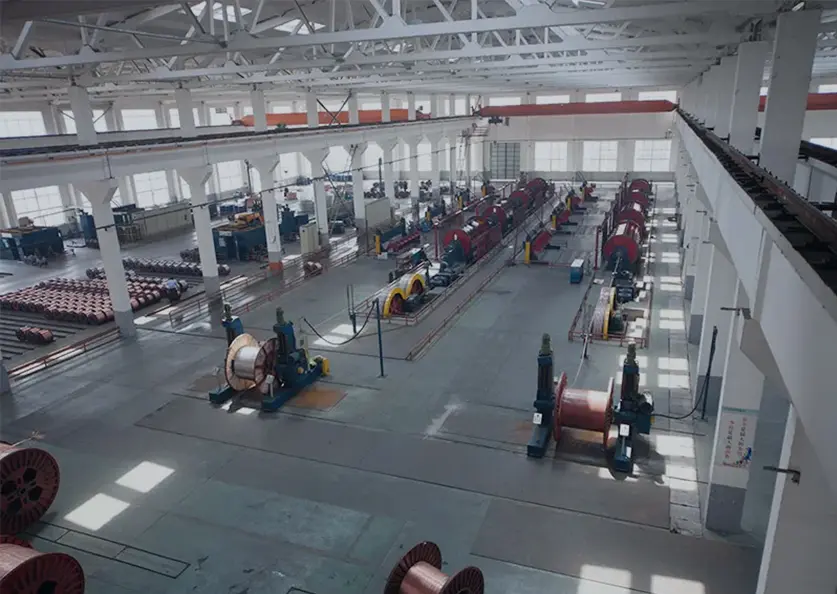
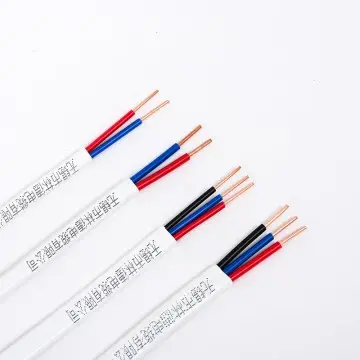
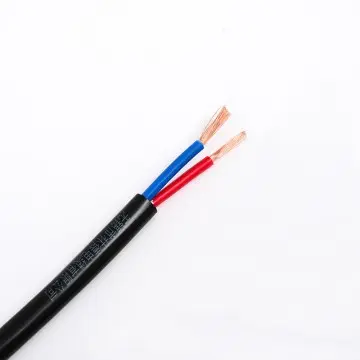
High-performance cables designed specifically for solar energy battery storage applications in transportation infrastructure
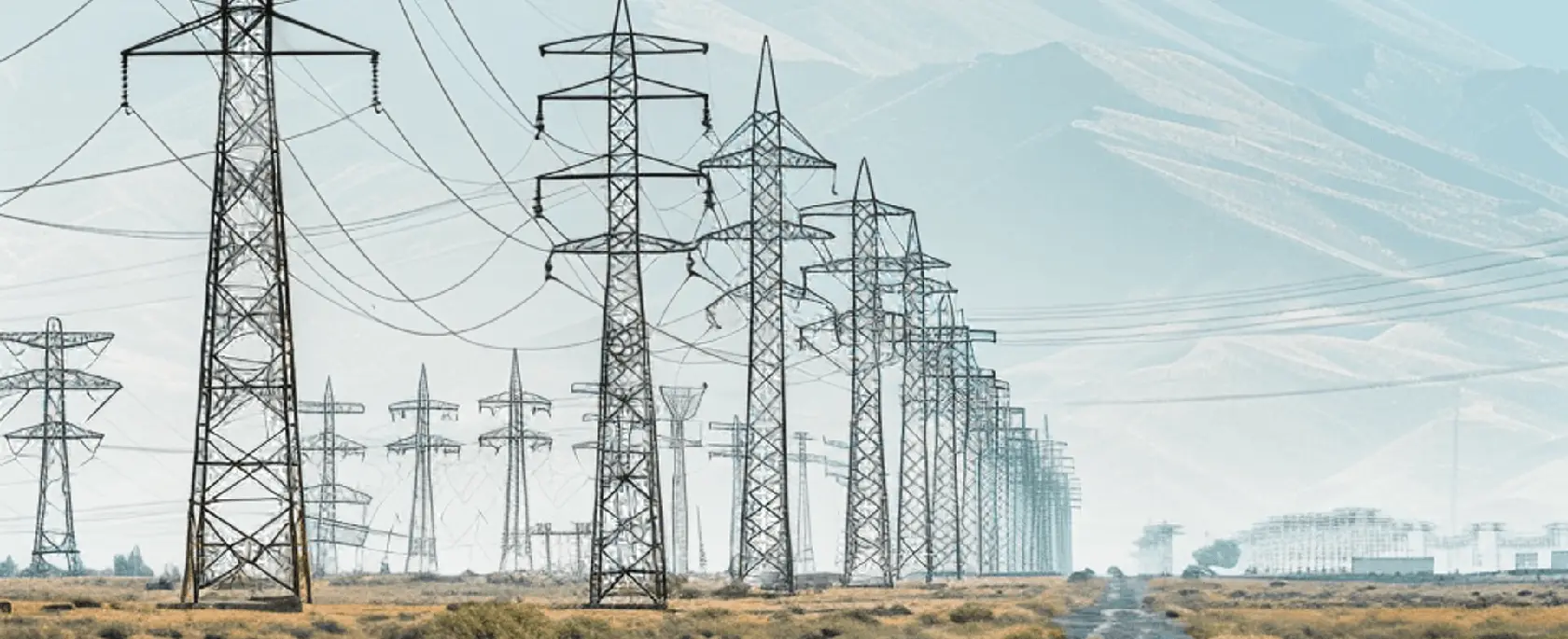
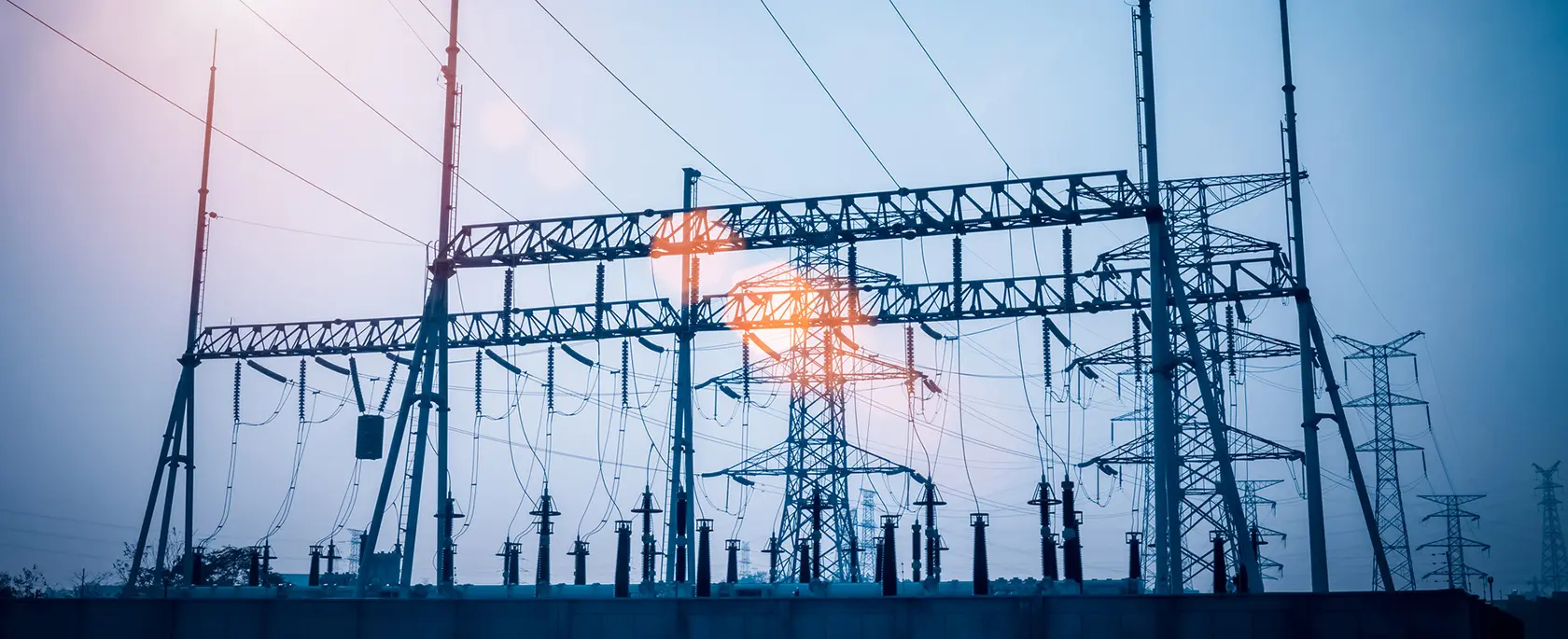
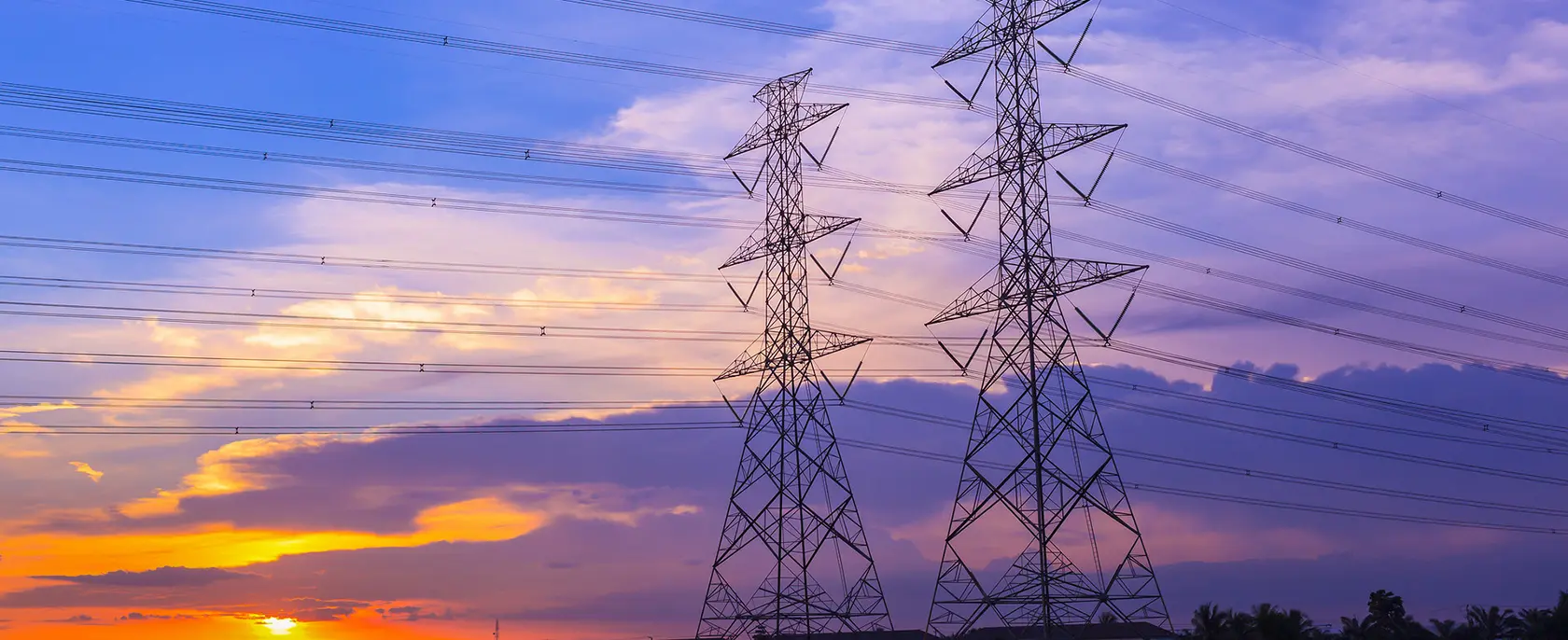
Comprehensive solar energy battery storage solutions transforming transportation and logistics operations worldwide
Solar battery storage systems power fast-charging stations along highways and urban centers, providing reliable, renewable energy for electric trucks, delivery vans, and fleet vehicles. These installations reduce grid strain during peak hours while offering 24/7 charging availability through stored solar energy, making electric logistics economically viable.
Large-scale warehouses and distribution centers integrate rooftop solar arrays with battery storage to power material handling equipment, automated sorting systems, and climate control. This combination significantly reduces operational costs while ensuring continuous power supply for critical logistics operations, even during grid outages.
Seaports and inland waterway terminals deploy solar battery systems to electrify cargo handling equipment, shore power for docked vessels, and refrigerated container operations. This transition reduces diesel dependency, minimizes emissions in sensitive coastal areas, and provides stable energy costs for port operations.
Railway logistics hubs utilize solar energy storage for intermodal terminals, maintenance facilities, and auxiliary power systems. Battery storage ensures consistent energy supply for electric rail operations, signal systems, and freight handling equipment, supporting the electrification of rail transport networks.
Urban micro-fulfillment centers and last-mile delivery stations implement compact solar battery solutions to charge electric delivery vehicles, e-bikes, and drones. These installations support the rapid growth of e-commerce logistics while meeting stringent urban emissions regulations and sustainability targets.
Temperature-controlled storage facilities leverage solar battery systems to maintain refrigeration and freezer operations with renewable energy. This application is critical for pharmaceutical and food distribution, where power reliability directly impacts product integrity and regulatory compliance.
The convergence of solar technology, battery storage, and transportation logistics is driving unprecedented innovation and investment
The global solar battery storage market for transportation is projected to grow at a CAGR of 28% through 2030, driven by electric vehicle adoption, renewable energy mandates, and declining battery costs. Major logistics companies are committing billions to solar infrastructure investments.
Advanced algorithms now predict energy demand patterns, optimize charging schedules, and manage battery health in real-time. Machine learning systems balance solar generation, storage capacity, and operational needs to maximize efficiency and reduce waste across logistics networks.
Bidirectional charging technology enables electric logistics fleets to function as mobile energy storage, feeding excess power back to facilities during peak demand. This vehicle-to-grid (V2G) capability creates new revenue streams and enhances grid stability.
Governments worldwide are implementing stricter emissions standards and offering substantial incentives for solar adoption in transportation. The EU's Green Deal, China's carbon neutrality goals, and US infrastructure investments are accelerating the transition to solar-powered logistics.
Solid-state batteries, lithium-iron-phosphate chemistry, and ultra-fast charging systems are revolutionizing storage capacity and charging speeds. These innovations enable longer vehicle ranges, shorter downtime, and more efficient energy utilization in logistics operations.
Transportation facilities are evolving into self-sufficient energy ecosystems, combining solar generation, battery storage, hydrogen production, and smart grid technology. These microgrids provide resilience against power disruptions while supporting decarbonization objectives.
Why solar battery storage is becoming the cornerstone of modern transportation infrastructure
Battery storage systems intelligently shift energy consumption away from expensive peak hours, reducing demand charges by up to 70%. This capability is particularly valuable for logistics facilities with high energy consumption during daytime operations, enabling significant cost savings.
Solar battery systems provide backup power during grid outages, ensuring continuous operation of critical logistics functions. This resilience is essential for time-sensitive supply chains, cold storage facilities, and automated warehouses where downtime directly impacts revenue and customer satisfaction.
Companies integrating solar storage demonstrate environmental leadership, meeting corporate sustainability goals and satisfying increasingly eco-conscious customers. This green positioning enhances brand reputation, attracts ESG investors, and helps secure contracts with sustainability-focused clients.
Linde Cable Co., Ltd. (hereinafter referred to as Linde Cable) was founded in year 2006, is a manufacturer specializing in the production of high-quality wires and cables, serving industries such as power transmission, telecommunications, construction, and renewable energy. With a steadfast commitment to quality and integrity, we ensure that every product meets international standards and exceeds customer expectations. Our dedication to innovation, sustainability, and reliable performance has established us as a trusted partner in the global market.
Explore more
Global transportation and logistics infrastructure projects powered by our advanced cable solutions
Overview of the Electromechanical Engineering Cable for Hunan Luci Expressway of China Railway. As a response to China Railway's tender for suppliers of electromechanical cables for Hunan Luci Expressway, Linde Cable participated in this cable project. After that, we served as a material supplier and also needed to maintain the line, such as replacing more than 70 kilometers of cables and accessories.
Linde Cable provided 20 million worth of wires and cables for the overall relocation project of Chongzuo Traditional Chinese Medicine Hospital of China Construction Second Engineering Bureau. The service area of this cooperation covers approximately 150,000 square meters, including the outpatient building, inpatient department, administrative office area and other ancillary facilities of the new hospital.
As a partner of listed company Shandong Sacred Sun Power Supply, Linde Cable has provided it with cable products with a total value of more than RMB 10 million, covering high-performance cables, charging and discharging input wires and other types, fully meeting the company's diverse needs in power equipment manufacturing and new energy fields.
As one of the partners of State Grid, Linde Cable has jointly promoted the construction of large-scale cables in northeastern Brazil, covering 10 states in the northeast and integrating them into the Brazilian national grid. The investment is more than US$600 million, with a total length of about 1,930 kilometers for 9 cable lines and 3 secondary power stations.
Linde Cable provides power cables and fire-resistant cables for the construction of CIMC TEMSA factory in Indonesia. The investment amount is about hundreds of millions of US dollars. It aims to provide stable power supply, create jobs, promote local economic development and promote technology transfer.
Linde Cable is participating in a project to upgrade cable facilities along the cross-border highway in northeastern Thailand. The total investment is approximately several billion RMB, with a focus on charging piles, service center power supply networks, etc. The project will significantly improve the power infrastructure in the cross-border self-driving tourism area in the northeast.
Linde Cable participated in the photovoltaic park cable project in Pakistan, providing customized cables to solve the material aging problem caused by the large temperature difference between day and night in the desert area. The covered areas mainly include Punjab Province, Sindh Province and Balochistan Province, and the total length of the transmission line can reach hundreds or even thousands of kilometers.
Linde Cable provides certified fire-resistant and flame-retardant cables for the construction of logistics parks in Thailand, such as storage centers and live broadcast bases. The investment amount reaches hundreds of millions of RMB, in order to improve the operational efficiency of e-commerce logistics parks and meet the market demand and social progress of Thailand.
Linde Cable participated in the Indonesian new energy factory cable project and provided it with several types of cables, all of which passed Indonesia's harsh environmental tests (such as high temperature resistance and moisture resistance). The total amount of this project is 1.34 billion yuan, supporting Indonesia's power grid upgrade, promoting new energy, smart cities and infrastructure upgrades.
Solar energy battery storage is not just an alternative energy solution—it represents a fundamental transformation in how transportation and logistics operations are powered. As battery technology advances, costs decline, and renewable energy becomes increasingly accessible, the integration of solar storage systems into transportation infrastructure will accelerate dramatically. Companies that embrace this technology today position themselves as industry leaders, benefiting from reduced operational costs, enhanced sustainability credentials, and improved resilience against energy market volatility. The future of transportation is electric, renewable, and powered by intelligent energy storage solutions.
A professional manufacturer of high-quality wires and cables, serving industries such as power transmission, telecommunications, construction, and renewable energy.