The construction and real estate sectors are experiencing a revolutionary transformation driven by the integration of photovoltaic (PV) panel systems. As global sustainability mandates intensify and energy costs continue to rise, building developers, property managers, and construction firms are increasingly turning to solar energy solutions as both an economic imperative and environmental responsibility. PV panels have evolved from niche applications to mainstream building components, fundamentally changing how we design, construct, and operate commercial and residential properties.
The adoption of PV panels in construction and real estate represents more than just an energy solution—it's a comprehensive approach to creating intelligent, sustainable, and economically viable built environments. Modern building-integrated photovoltaics (BIPV) seamlessly incorporate solar technology into architectural elements, transforming roofs, facades, windows, and even parking structures into energy-generating assets. This integration requires specialized electrical infrastructure, particularly high-performance cables that can withstand the unique environmental challenges of construction sites while delivering reliable power transmission for decades.
The market dynamics driving PV panel adoption in construction are compelling. Government incentives, renewable energy mandates, and corporate sustainability commitments have created unprecedented demand. Real estate developers recognize that solar-equipped properties command premium values, attract environmentally conscious tenants, and offer significant operational cost reductions. Meanwhile, construction companies are developing specialized expertise in solar installation, creating new revenue streams and competitive advantages in an increasingly green-focused industry.
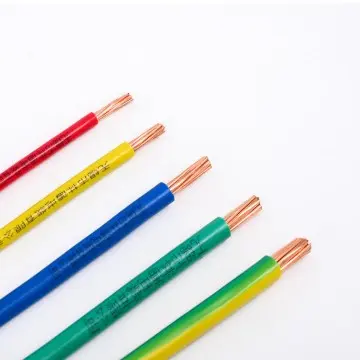
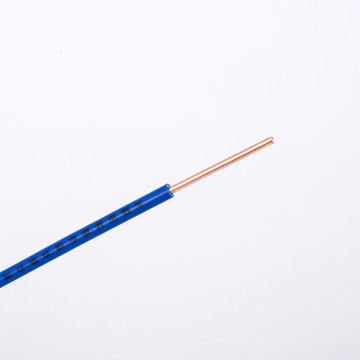
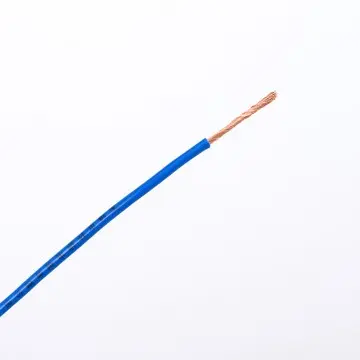
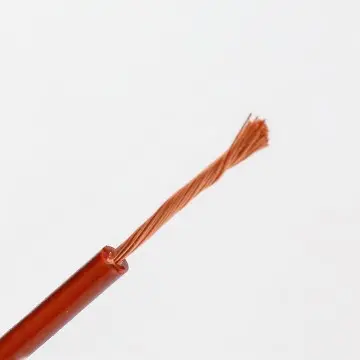
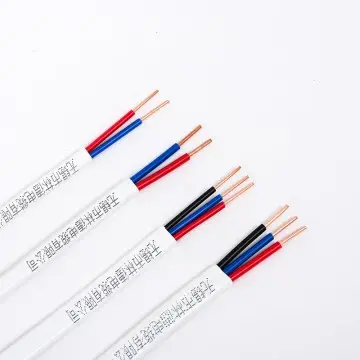
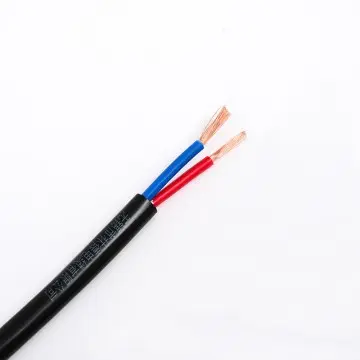
Professional-grade cables engineered for photovoltaic installations in building environments
The global construction and real estate sectors are undergoing a profound energy transition, with PV panel installations growing at unprecedented rates. According to recent industry analyses, the building-integrated photovoltaics market is projected to exceed $40 billion by 2030, driven by stringent building energy codes, net-zero construction mandates, and the economic advantages of on-site power generation.
Commercial real estate has emerged as the fastest-growing segment for PV panel adoption. Office buildings, shopping centers, warehouses, and industrial facilities are ideal candidates due to their expansive roof areas and high daytime energy consumption that aligns perfectly with solar generation patterns. Residential construction is also experiencing rapid growth, particularly in markets with favorable feed-in tariffs and net metering policies. Multi-family residential developments are increasingly incorporating shared solar systems that reduce common area electricity costs while providing sustainable amenities that attract premium tenants.
Recent innovations in PV panel technology have dramatically improved their suitability for construction applications. High-efficiency monocrystalline panels now achieve conversion rates exceeding 22%, maximizing power generation from limited roof space. Bifacial panels capture reflected light from building surfaces, increasing energy yield by 10-30%. Lightweight flexible panels enable installation on structures previously unsuitable for traditional solar systems. Meanwhile, aesthetic advances like colored panels and transparent solar glass allow architects to integrate photovoltaics without compromising building design integrity.
Government policies worldwide are accelerating PV adoption in construction. The European Union's Energy Performance of Buildings Directive mandates solar installations on new buildings above certain sizes. California requires solar on all new residential construction. China's building energy efficiency standards increasingly incorporate renewable generation requirements. These regulatory frameworks create stable, long-term demand that drives industry investment and innovation.
Essential elements that determine the performance and longevity of solar installations in construction
High-quality solar cables are the circulatory system of PV installations, requiring UV resistance, weather durability, and low electrical resistance to ensure maximum energy transfer and system longevity over 25+ year lifespans.
Proper installation techniques are critical for system performance and safety. Specialized training in rooftop mounting, electrical connections, and building code compliance ensures installations meet structural and electrical standards.
PV systems must meet rigorous fire safety, electrical safety, and structural safety requirements. Fire-resistant cables, proper grounding, arc-fault protection, and rapid shutdown systems protect both buildings and occupants.
Successful projects balance upfront costs with long-term returns. Strategic system sizing, component selection, financing structures, and incentive utilization maximize return on investment while meeting energy goals.
Comprehensive analysis of PV panel implementations across diverse construction and real estate contexts
Modern office towers are ideal candidates for rooftop and facade-integrated PV systems. These buildings typically feature large, unobstructed roof areas and consistent weekday energy demand that aligns with solar generation. Advanced installations incorporate building management system integration, allowing real-time energy optimization. Smart inverters enable demand response participation, generating additional revenue streams. Parking structure canopy systems provide weather protection while generating power. The professional image enhancement and LEED certification benefits make solar installations particularly attractive to corporate tenants seeking sustainability credentials.
Single-family homes, townhouses, and multi-family complexes represent the largest potential market for distributed solar. Residential installations range from individual rooftop systems to community solar gardens serving entire developments. Battery storage integration is increasingly common, providing backup power and time-of-use optimization. Aesthetic considerations drive demand for low-profile mounting systems and architecturally integrated solutions. Homeowner associations are developing standardized solar policies that balance individual rights with community aesthetics. Property value studies consistently show solar-equipped homes command 3-4% premiums in resale markets.
Industrial buildings offer exceptional solar potential due to their massive roof areas and high energy consumption. Warehouse and distribution centers can achieve 100% daytime energy offset with properly sized systems. The flat roof construction typical of these facilities simplifies installation and reduces costs. Industrial operations benefit from predictable energy costs, protecting against utility rate volatility. Manufacturing facilities with high thermal loads can integrate solar thermal hybrid systems. Cold storage facilities use solar generation to offset refrigeration loads. The long-term ownership typical in industrial real estate makes the 25-year solar system lifespan particularly attractive.
Shopping centers, hotels, and restaurants are increasingly adopting solar to reduce operating costs and enhance brand image. Retail facilities benefit from peak generation during business hours, directly offsetting air conditioning and lighting loads. Hotels use solar to power common areas, pools, and laundry facilities while marketing their environmental commitment to eco-conscious travelers. Restaurant chains are standardizing solar installations across locations, achieving economies of scale in procurement and installation. Canopy structures over parking areas provide customer comfort while generating power. The visibility of these installations serves as powerful marketing tools, demonstrating corporate environmental responsibility.
Schools and universities are leading adopters of solar technology, driven by educational missions, budget constraints, and community expectations. Campus-wide installations provide hands-on learning opportunities for students while reducing operational costs. Athletic facilities, particularly stadiums and recreation centers, feature prominent solar installations that demonstrate institutional values. Dormitories and dining halls benefit from consistent energy demand patterns. Many institutions use solar projects as living laboratories, incorporating monitoring systems into curricula. The long-term ownership and stable budgets of educational institutions align perfectly with solar investment timelines.
Hospitals and medical centers require absolute power reliability, making solar plus storage systems particularly valuable. These facilities operate 24/7 with critical life-safety systems that cannot tolerate outages. Solar installations reduce energy costs, freeing budget for patient care. Backup power capabilities provide resilience during grid disruptions. The large footprints and flat roofs typical of healthcare campuses accommodate substantial solar capacity. Medical offices and outpatient facilities also benefit from solar, reducing overhead costs while demonstrating commitment to community health and environmental wellness.
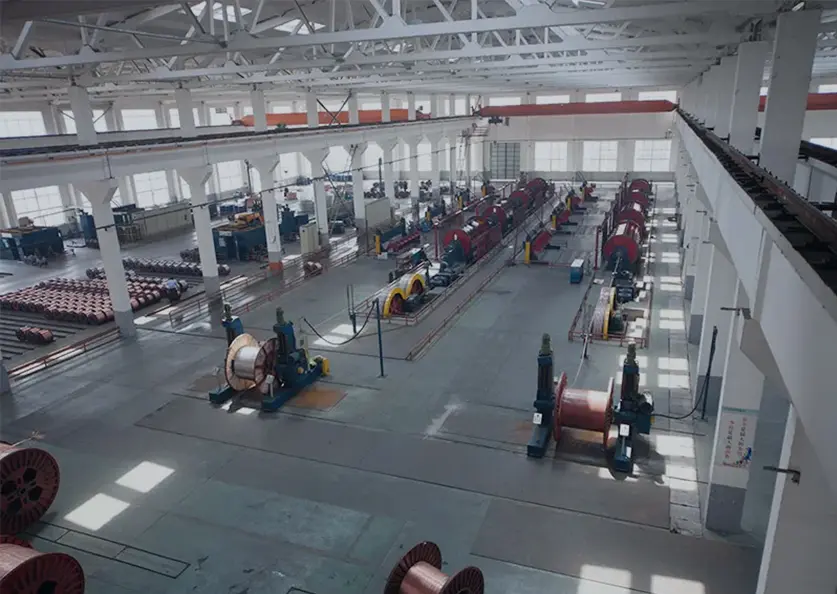
Linde Cable Co., Ltd. (hereinafter referred to as Linde Cable) was founded in year 2006, is a manufacturer specializing in the production of high-quality wires and cables, serving industries such as power transmission, telecommunications, construction, and renewable energy. With a steadfast commitment to quality and integrity, we ensure that every product meets international standards and exceeds customer expectations. Our dedication to innovation, sustainability, and reliable performance has established us as a trusted partner in the global market.
Our specialized solar cables are engineered specifically for photovoltaic applications in construction and real estate projects. These cables feature enhanced UV resistance, superior weather durability, and optimized electrical performance to ensure maximum energy transfer efficiency over decades of service. We understand that the quality of electrical infrastructure directly impacts the performance, safety, and return on investment of solar installations, which is why we maintain the highest manufacturing standards and rigorous quality control processes.
Explore more
Comprehensive solutions for every aspect of photovoltaic installations in construction projects