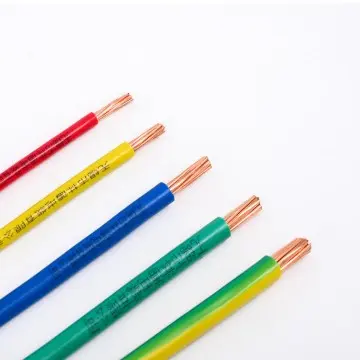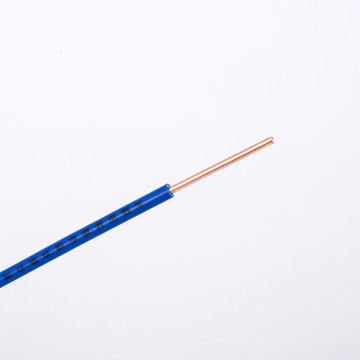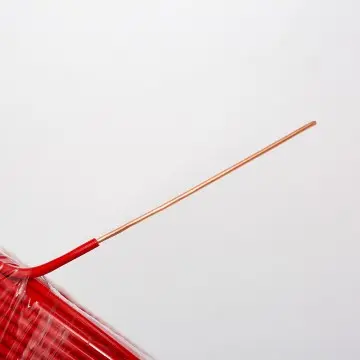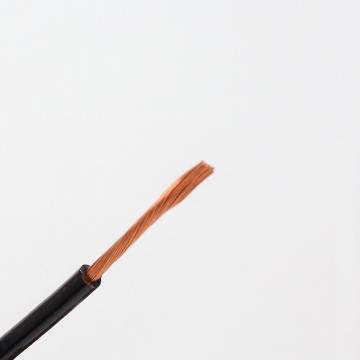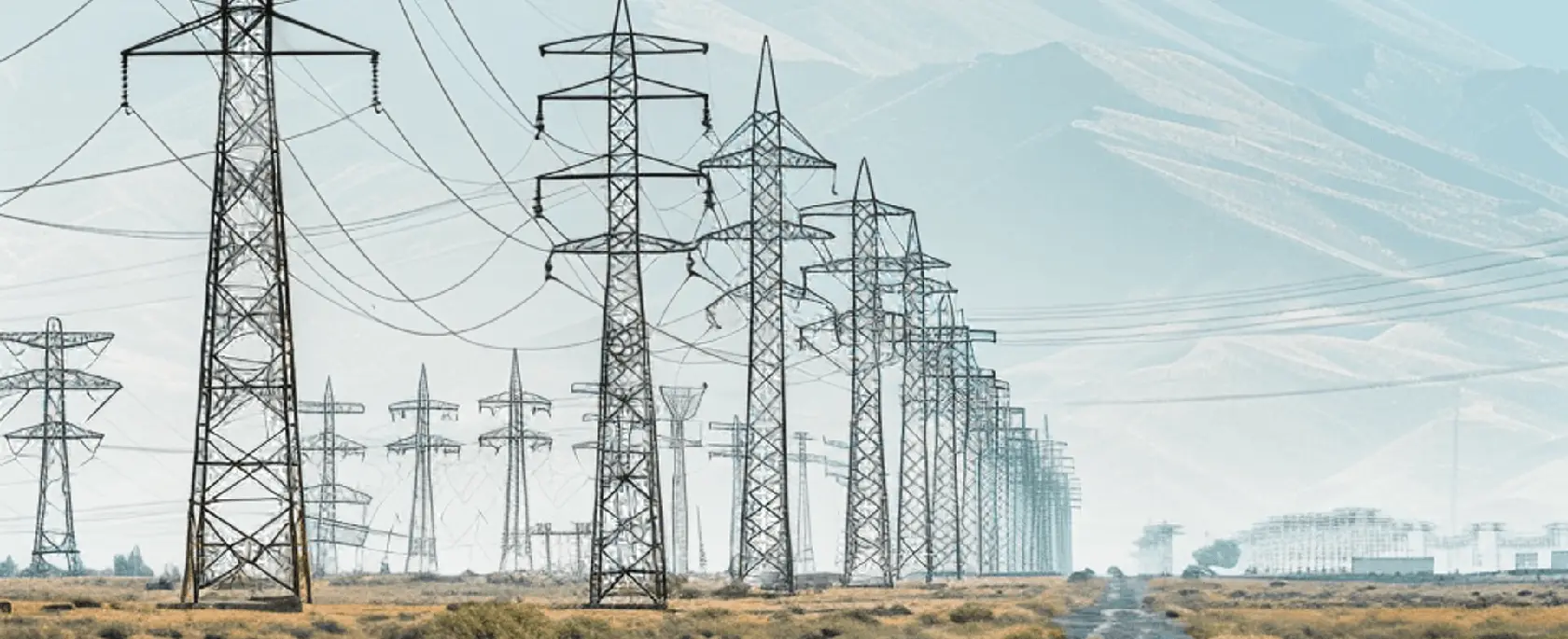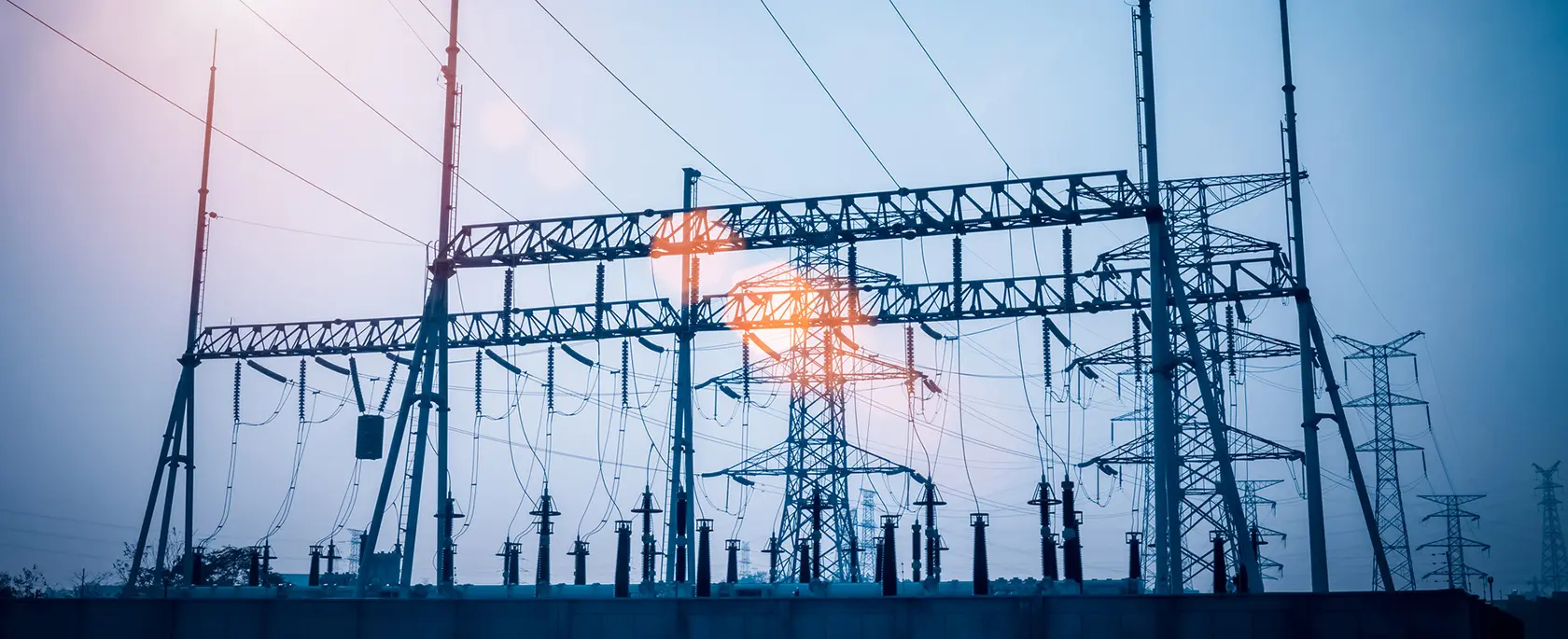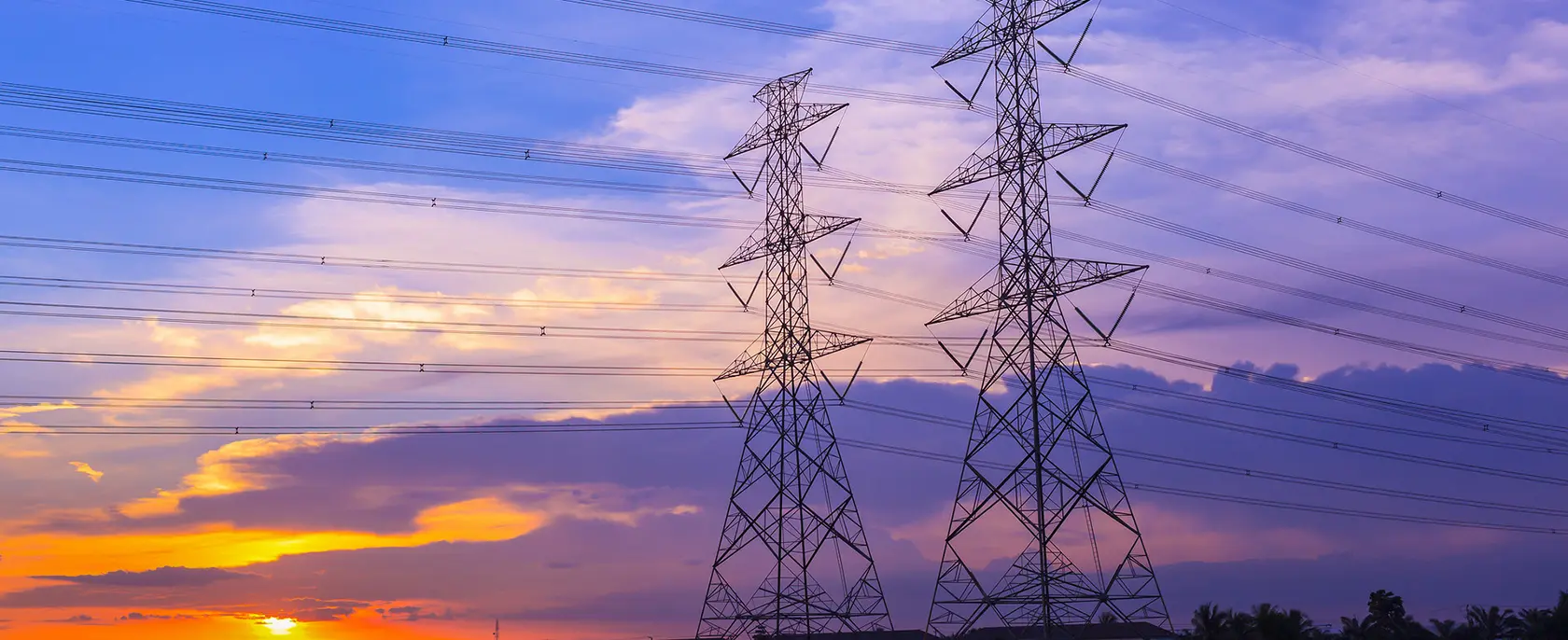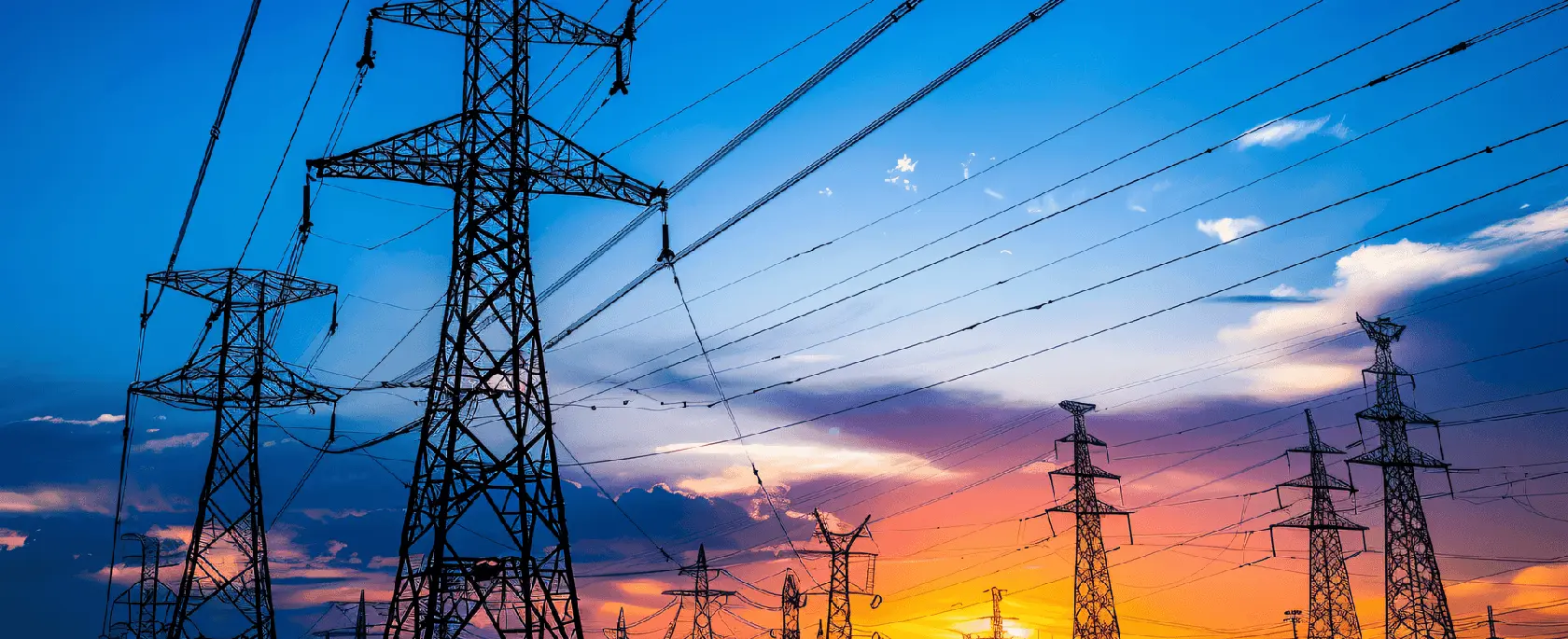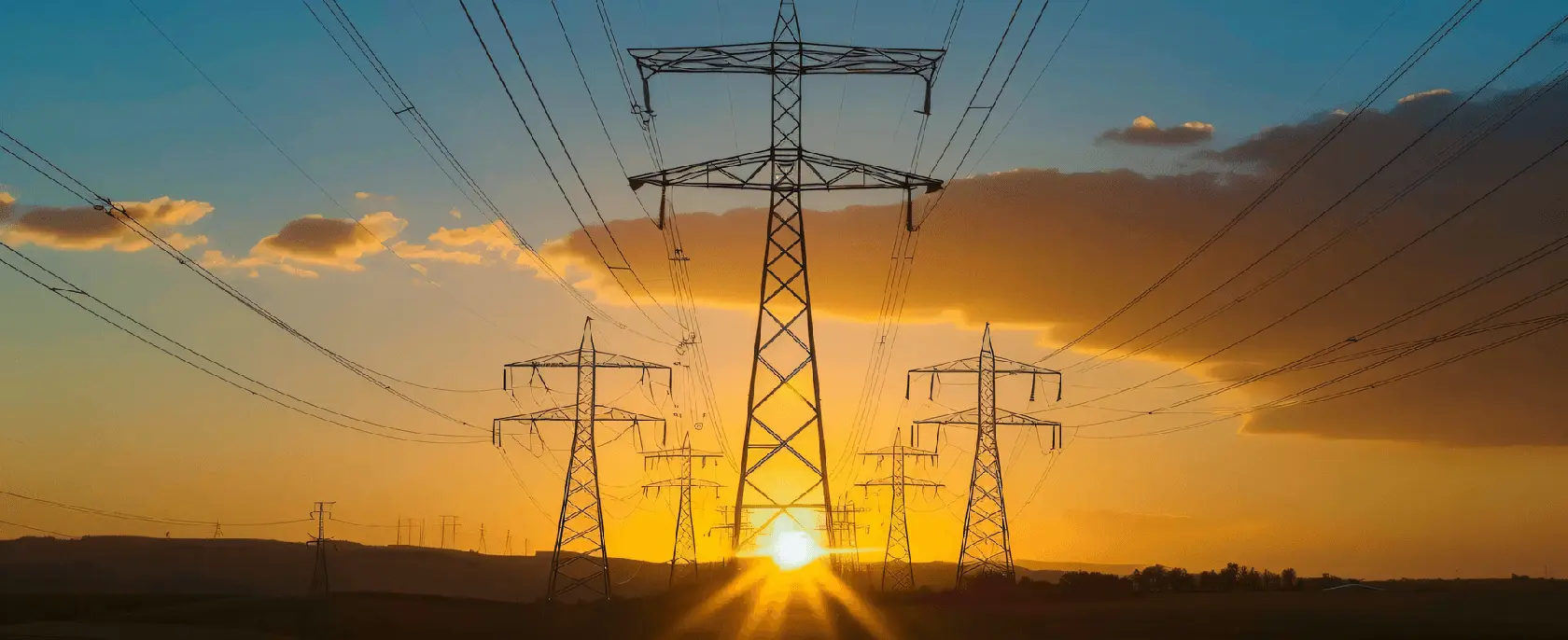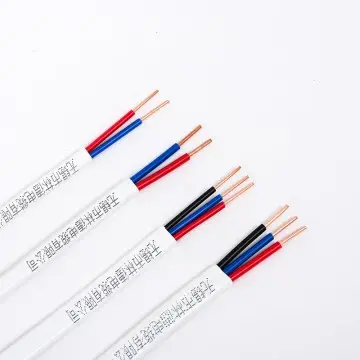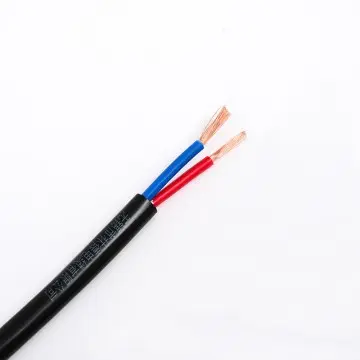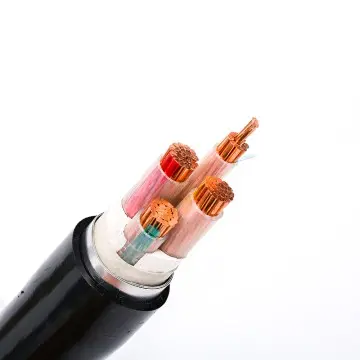
As the world transitions toward sustainable energy solutions, power cables have emerged as the vital infrastructure connecting solar power generation to global energy grids.
The renewable energy sector is experiencing unprecedented growth, with solar power leading the charge in the global shift away from fossil fuels. According to the International Energy Agency (IEA), solar photovoltaic capacity is expected to triple by 2030, requiring massive infrastructure investments in transmission and distribution systems. At the heart of this transformation lies a critical but often overlooked component: specialized power cables designed for renewable energy applications.
Power cables for solar energy systems must meet stringent requirements that far exceed those of traditional electrical installations. These cables face unique challenges including extreme temperature variations, UV radiation exposure, moisture resistance, and the need for long-term reliability in outdoor environments. Modern solar installations, whether utility-scale solar farms or distributed rooftop systems, depend on cables that can maintain performance integrity for 25-30 years or more.
The commercial market for renewable energy cables has expanded dramatically over the past decade. Industrial facilities, commercial buildings, and utility-scale solar farms now represent the fastest-growing segments for specialized cable solutions. In 2024, the global market for solar cables exceeded $2.8 billion, with projections indicating a compound annual growth rate (CAGR) of 12.5% through 2030.
Manufacturing facilities are increasingly integrating on-site solar generation to reduce operational costs and meet sustainability targets. These installations require robust cable systems capable of handling high current loads while maintaining safety standards in industrial environments. The automotive industry, for instance, has emerged as a major adopter, with electric vehicle manufacturers installing megawatt-scale solar arrays at production facilities worldwide.
Government incentives and renewable energy mandates are accelerating adoption across all sectors. The European Union's Green Deal, China's carbon neutrality goals, and the United States' Inflation Reduction Act have created unprecedented demand for solar infrastructure. These policy frameworks are driving billions in investment, directly translating to increased demand for high-quality power cables specifically engineered for renewable energy applications.
1. Enhanced Temperature Performance: Modern solar cables now routinely operate at conductor temperatures of 90°C or higher, compared to the traditional 70°C standard. This advancement allows for higher power density and more efficient system designs, particularly crucial in large-scale solar farms where space optimization directly impacts project economics.
2. Advanced Insulation Materials: The industry has moved beyond traditional PVC to embrace cross-linked polyethylene (XLPE), ethylene propylene rubber (EPR), and specialized halogen-free compounds. These materials offer superior performance in harsh environmental conditions while meeting increasingly stringent fire safety regulations.
3. Smart Cable Technology: Integration of monitoring capabilities directly into cable systems represents a frontier innovation. Embedded sensors can detect temperature anomalies, insulation degradation, and potential failure points before they cause system downtime, enabling predictive maintenance strategies that significantly reduce operational costs.
4. Sustainability in Manufacturing: Cable manufacturers are responding to environmental concerns by developing recyclable materials and implementing circular economy principles. Low-smoke, zero-halogen (LSZH) cables have become standard in many markets, particularly in enclosed spaces and environmentally sensitive installations.
Advanced polymer compounds provide long-term protection against solar radiation degradation, ensuring 25+ year service life in outdoor installations.
Engineered to perform reliably across temperature ranges from -40°C to +90°C, maintaining electrical properties in extreme climatic conditions.
Specialized sheathing materials prevent water ingress and maintain insulation integrity in high-humidity environments and direct water exposure.
Flame-retardant and low-smoke formulations meet international safety standards, critical for installations in populated areas and enclosed spaces.
Robust construction withstands installation stresses, wind loads, and thermal cycling without compromising electrical performance or physical integrity.
RoHS and REACH compliant materials ensure environmental safety while meeting stringent international regulatory requirements.
Large-scale photovoltaic installations spanning hundreds of acres require extensive cable networks capable of transmitting megawatts of power. These systems utilize specialized DC cables for panel-to-inverter connections and high-voltage AC cables for grid interconnection. Cable selection must account for voltage drop over long distances, with typical installations using cables ranging from 4mm² to 240mm² cross-sections. The harsh outdoor environment demands cables with exceptional UV resistance and the ability to withstand temperature cycling from intense daytime heat to nighttime cooling.
Commercial buildings increasingly incorporate rooftop solar arrays to offset energy costs and demonstrate corporate sustainability commitments. These installations present unique challenges including limited access for maintenance, exposure to building movement, and integration with existing electrical infrastructure. Flexible cables with high strand counts facilitate easier installation around rooftop obstacles, while fire-resistant properties are paramount given proximity to occupied spaces. Cable management systems must accommodate thermal expansion while maintaining aesthetic considerations important in visible installations.
Manufacturing plants deploying on-site solar generation require cables that integrate seamlessly with heavy industrial electrical systems. These environments often involve exposure to chemicals, oils, and mechanical stress beyond typical solar installations. Cable specifications must address potential electromagnetic interference with sensitive manufacturing equipment while providing the reliability essential for continuous industrial operations. Many facilities implement hybrid systems combining solar generation with traditional power sources, requiring sophisticated cable designs that support bidirectional power flow and grid synchronization.
Agrivoltaic systems, which combine agricultural production with solar energy generation, represent an emerging application area with specific cable requirements. These installations must withstand agricultural chemical exposure, frequent animal contact, and the mechanical stresses of farming operations. Cables are often installed at heights that accommodate farm equipment passage, requiring enhanced mechanical strength and abrasion resistance. The dual-use nature of these installations demands cable solutions that don't interfere with agricultural activities while maintaining long-term electrical performance.
Telecommunications towers, remote monitoring stations, and isolated communities increasingly rely on solar power with battery storage. These off-grid applications demand cables optimized for DC power transmission and capable of functioning in extreme environments with minimal maintenance. Cable designs must accommodate the unique characteristics of battery charging systems, including voltage fluctuations and high-current charging cycles. Reliability is paramount in these applications where cable failure can result in complete system shutdown in locations with limited access for repairs.
Floating photovoltaic systems on water bodies represent a rapidly growing segment requiring specialized cable solutions. These cables must resist continuous water exposure, algae growth, and the mechanical stresses of wave action while maintaining electrical integrity. Submersible cable designs incorporate multiple layers of water-blocking compounds and enhanced sheathing materials. The unique thermal environment of water-based installations, with more stable temperatures but constant humidity, influences material selection and design parameters significantly different from land-based systems.
The trajectory of renewable energy cable technology points toward increasingly sophisticated solutions that address emerging challenges while supporting the exponential growth of solar power generation. Several key trends will define the next generation of cable systems:
As battery storage becomes integral to renewable energy installations, cables must accommodate the unique requirements of energy storage systems. This includes managing high-current charging and discharging cycles, DC power transmission at varying voltages, and integration with sophisticated battery management systems. Future cable designs will likely incorporate smart features that communicate with energy management systems, providing real-time data on power flow, temperature, and system health.
The industry trend toward higher DC voltages in solar installations—moving from traditional 600V to 1000V and even 1500V systems—drives demand for cables with enhanced insulation capabilities. Higher voltages reduce current requirements for equivalent power transmission, enabling smaller conductor sizes and reduced material costs. However, this evolution requires advanced insulation materials and designs that maintain safety margins while optimizing cost-effectiveness.
Nanotechnology applications in cable manufacturing promise revolutionary improvements in electrical and thermal properties. Carbon nanotubes and graphene-enhanced polymers could deliver cables with superior conductivity, reduced weight, and enhanced durability. These advanced materials may enable cables that actively dissipate heat, resist degradation more effectively, and provide longer service life with reduced environmental impact.
The renewable energy industry increasingly demands that all components, including cables, align with circular economy principles. Future cable designs will prioritize recyclability, using materials that can be efficiently recovered and reprocessed at end-of-life. Manufacturers are developing cables with separable components, facilitating material recovery and reducing environmental impact. This shift reflects growing awareness that truly sustainable energy systems must consider the entire lifecycle of all components.
As renewable energy becomes truly global, harmonization of cable standards across regions will accelerate. While regional variations will persist due to climate and regulatory differences, international standards organizations are working toward greater consistency in performance requirements and testing protocols. This standardization will facilitate global supply chains, reduce costs through economies of scale, and ensure consistent quality regardless of installation location.
The power cable industry stands at a critical juncture, supporting the renewable energy revolution that will define the 21st century energy landscape. As solar power generation continues its exponential growth, the cables that connect panels to grids must evolve to meet increasingly demanding performance requirements while supporting the sustainability goals driving the entire sector. Innovation in materials science, manufacturing processes, and smart technology integration will ensure that cable systems remain reliable, efficient, and environmentally responsible components of the global renewable energy infrastructure.
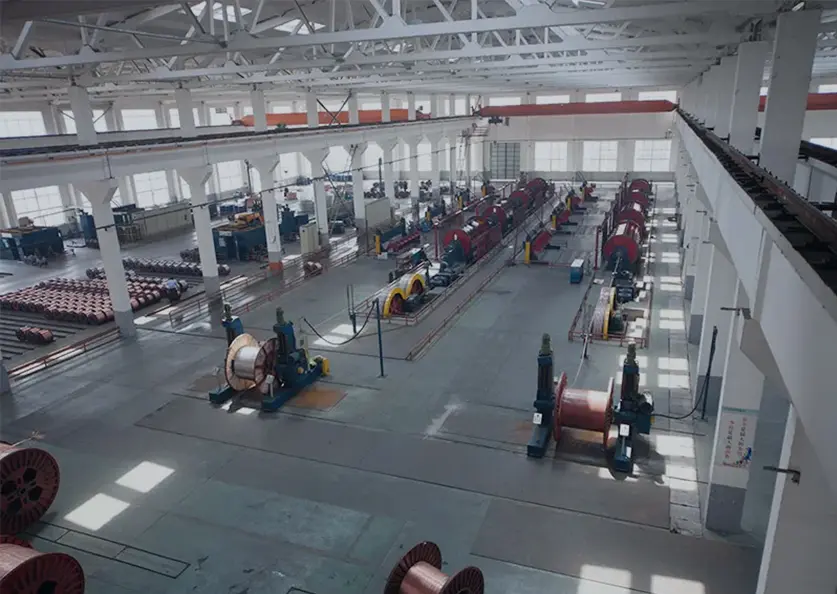
Linde Cable Co., Ltd. (hereinafter referred to as Linde Cable) was founded in year 2006, is a manufacturer specializing in the production of high-quality wires and cables, serving industries such as power transmission, telecommunications, construction, and renewable energy. With a steadfast commitment to quality and integrity, we ensure that every product meets international standards and exceeds customer expectations. Our dedication to innovation, sustainability, and reliable performance has established us as a trusted partner in the global market.
Explore more15 professional production lines
10 million start-up capital
More than 30 intellectual property
Powering sustainable energy infrastructure across the globe with reliable cable solutions

Overview of the Electromechanical Engineering Cable for Hunan Luci Expressway of China Railway. Linde Cable participated in this cable project, serving as a material supplier and maintaining the line, replacing more than 70 kilometers of cables and accessories for renewable energy applications.

Linde Cable provided 20 million worth of wires and cables for the Chongzuo Traditional Chinese Medicine Hospital project. The service area covers approximately 150,000 square meters, ensuring safe, stable and efficient power supply for the entire medical complex with renewable energy integration.

As a partner of Shandong Sacred Sun Power Supply, Linde Cable provided cable products with total value over RMB 10 million, covering high-performance cables and charging infrastructure, fully meeting diverse needs in power equipment manufacturing and new energy fields.

As one of State Grid partners, Linde Cable promoted large-scale cable construction in northeastern Brazil, covering 10 states. Investment exceeded US$600 million, with total length of about 1,930 kilometers for 9 cable lines and 3 secondary power stations supporting renewable energy transmission.

Linde Cable provides power cables and fire-resistant cables for CIMC TEMSA factory construction in Indonesia. Investment of hundreds of millions of US dollars aims to provide stable power supply, create jobs, and promote local economic development with renewable energy integration.

Linde Cable participates in upgrading cable facilities along cross-border highway in northeastern Thailand. Total investment approximately several billion RMB, focusing on charging piles and service center power supply networks, significantly improving power infrastructure for renewable energy applications.

Linde Cable participated in photovoltaic park cable project in Pakistan, providing customized cables solving material aging problems caused by large temperature differences in desert areas. Coverage includes Punjab, Sindh and Balochistan provinces with transmission lines reaching thousands of kilometers.

Linde Cable provides certified fire-resistant and flame-retardant cables for logistics park construction in Thailand, including storage centers and live broadcast bases. Investment reaches hundreds of millions of RMB to improve operational efficiency and meet market demand with sustainable power solutions.

Linde Cable participated in Indonesian new energy factory cable project, providing several cable types passing Indonesia's harsh environmental tests including high temperature and moisture resistance. Total project amount 1.34 billion yuan, supporting power grid upgrade and promoting renewable energy infrastructure.
A professional manufacturer of high-quality wires and cables, serving industries such as power transmission, telecommunications, construction, and renewable energy.