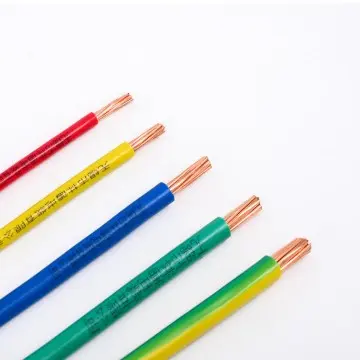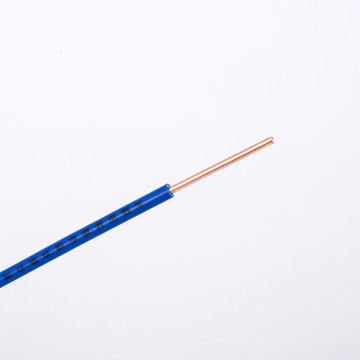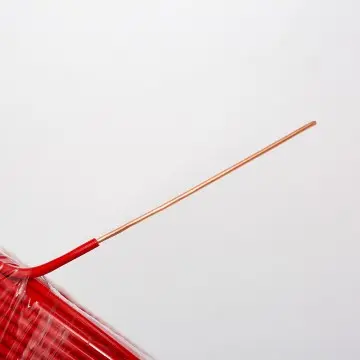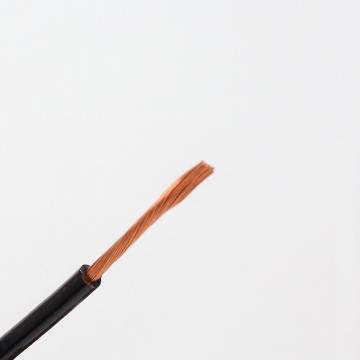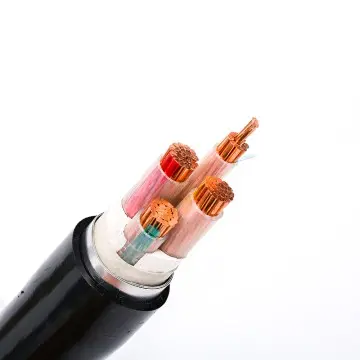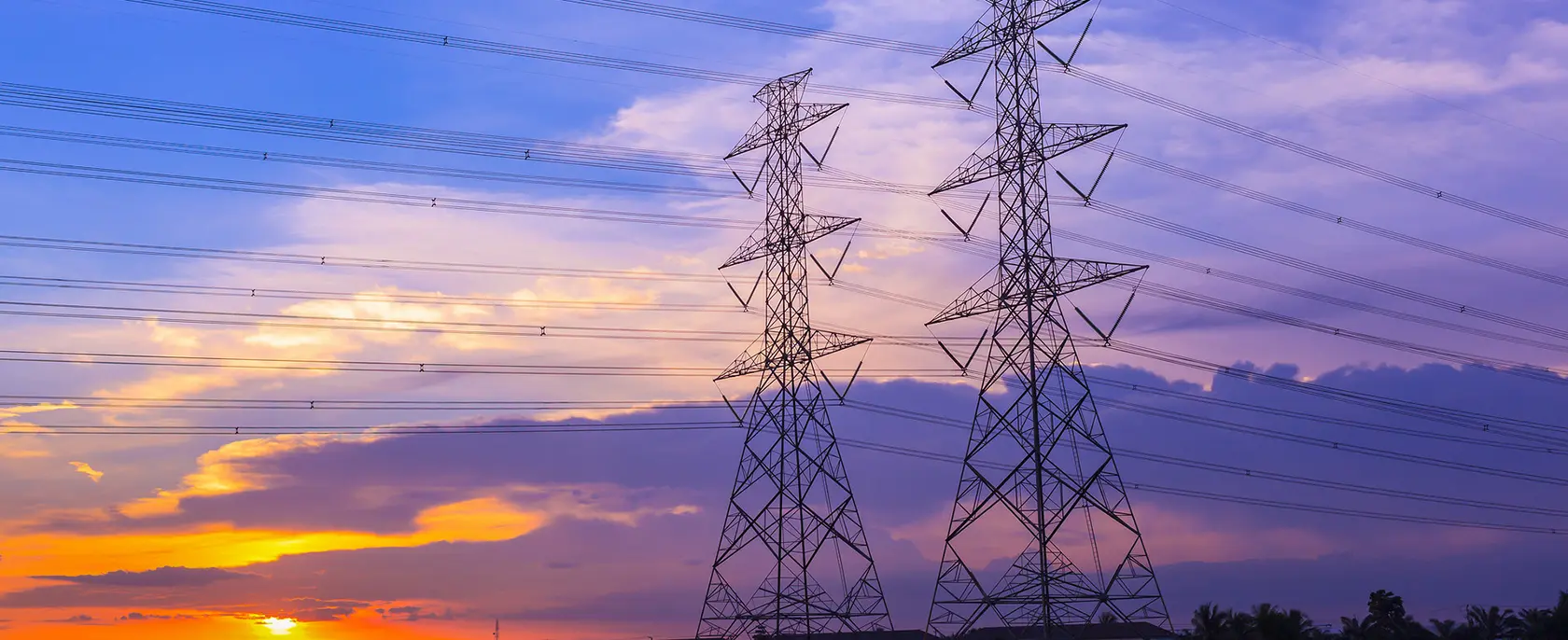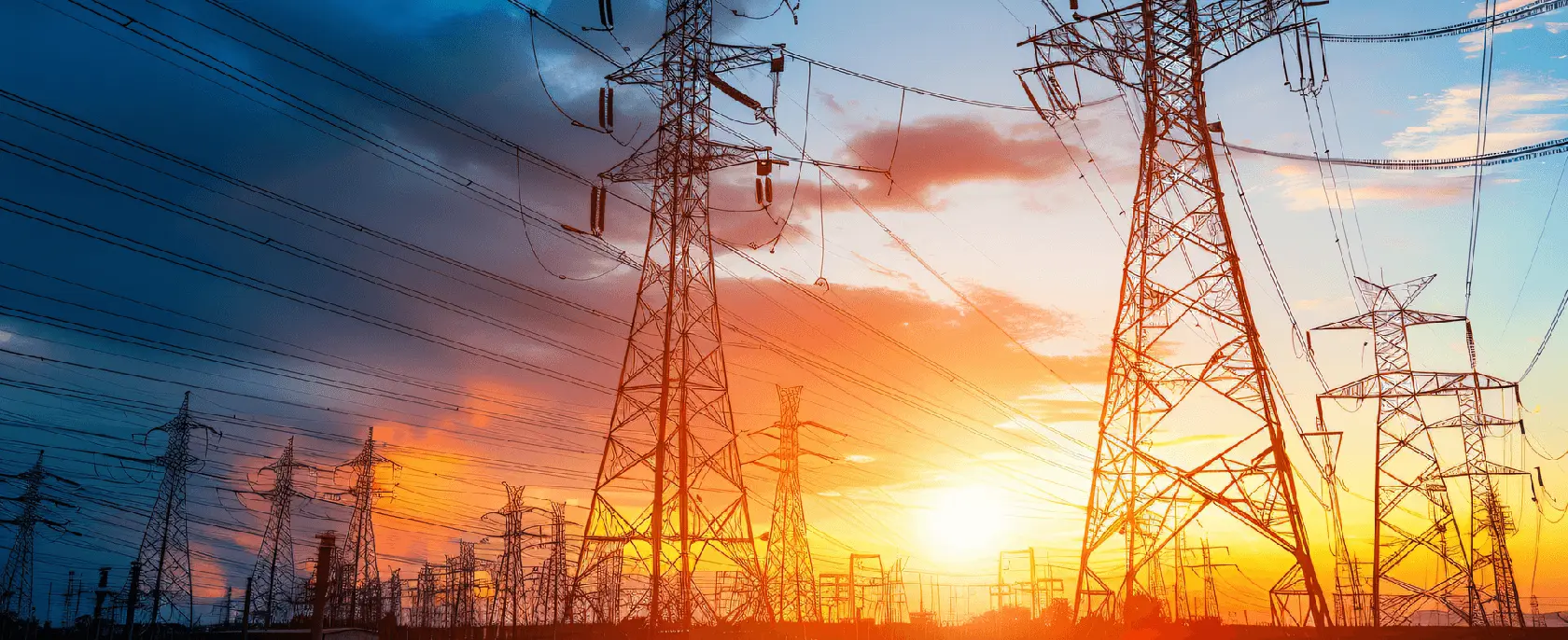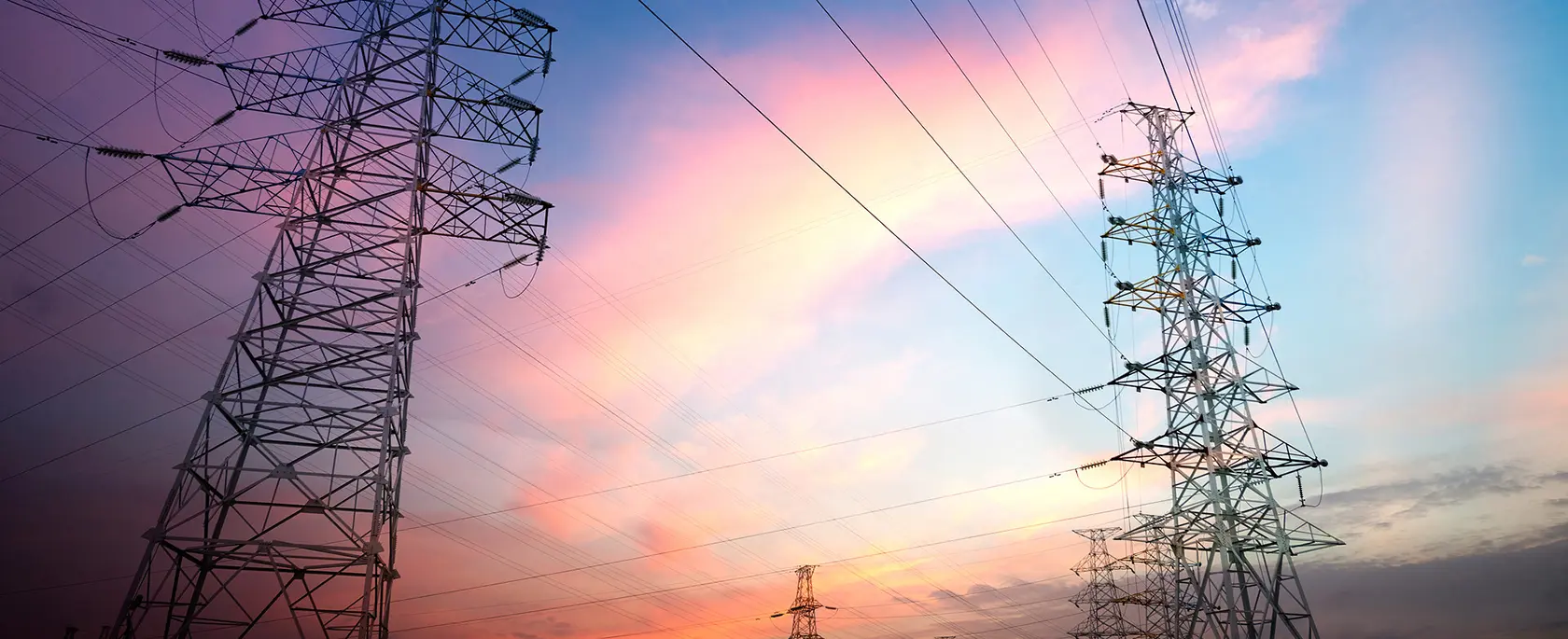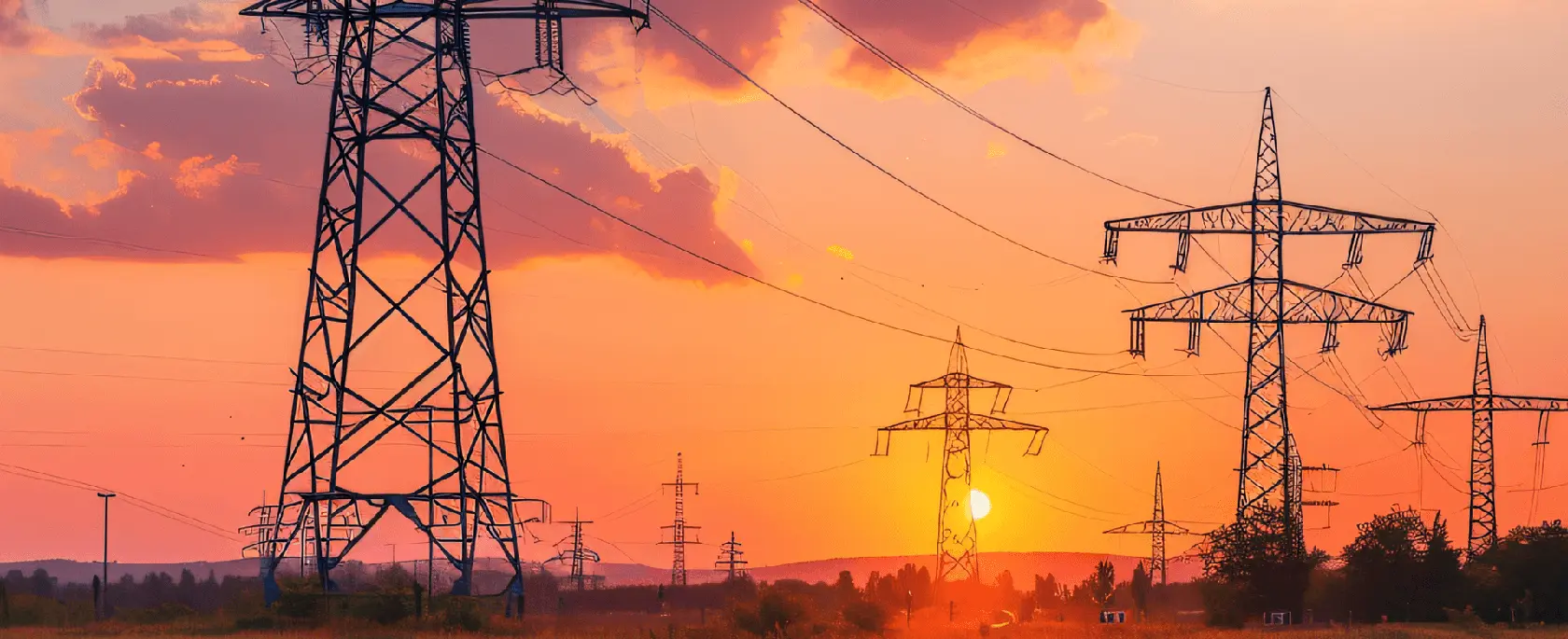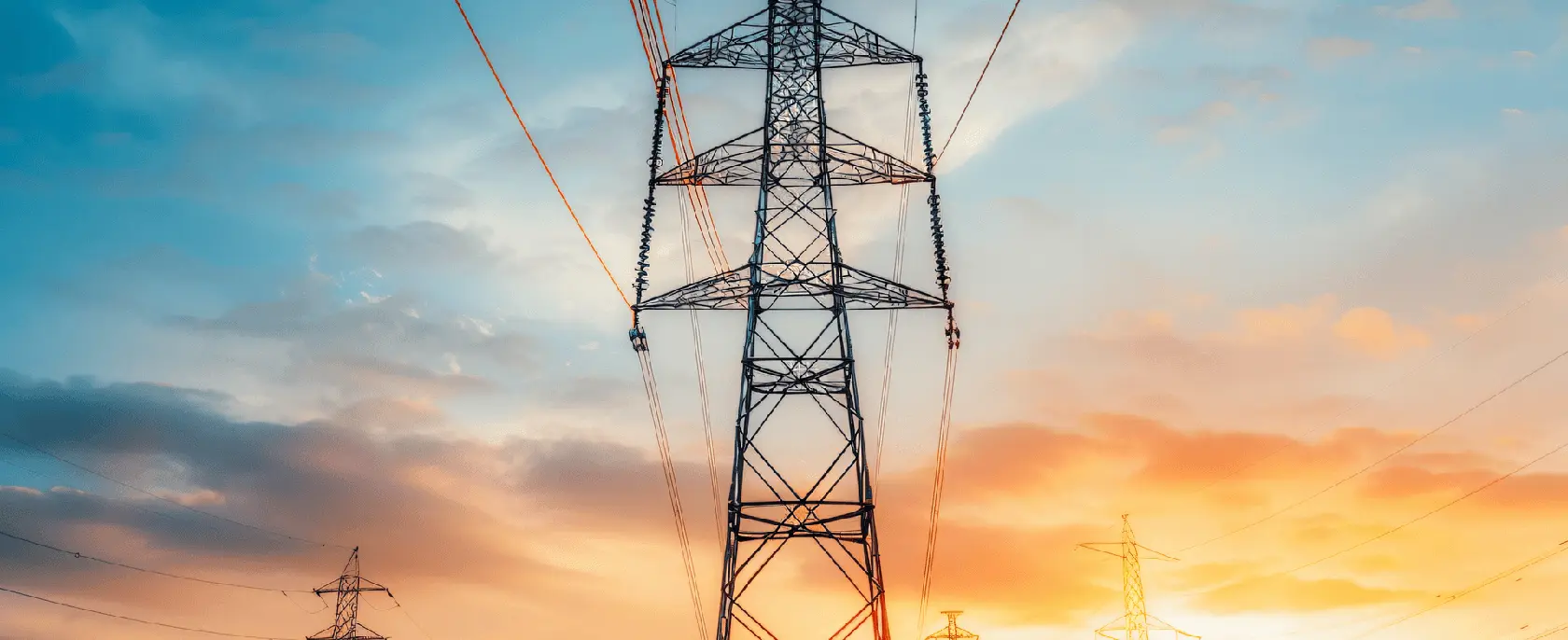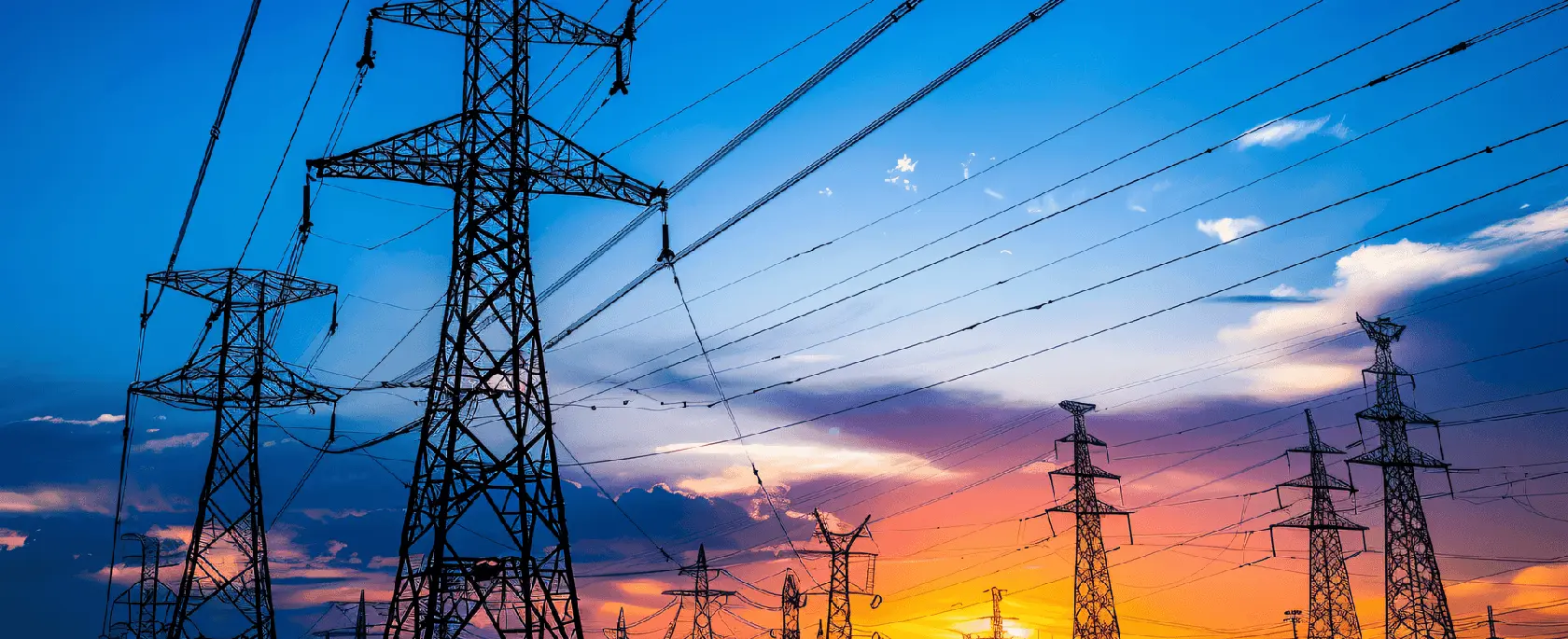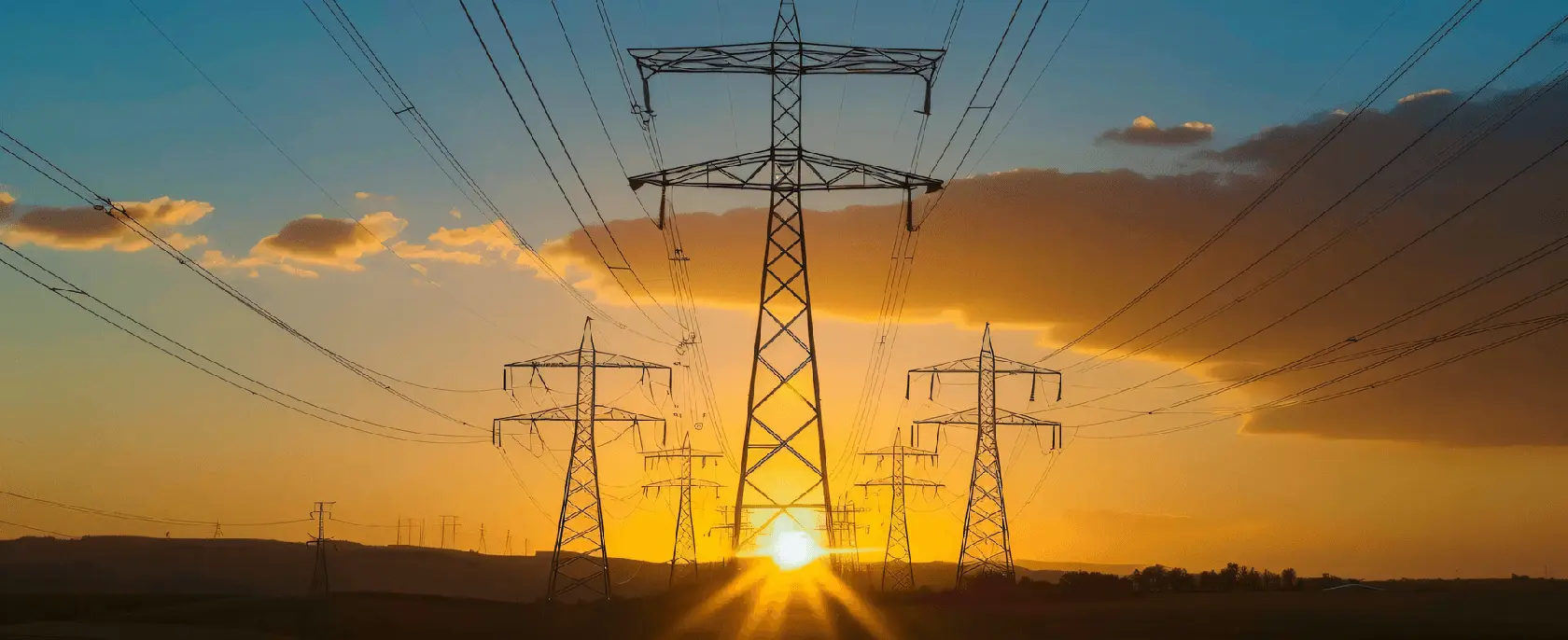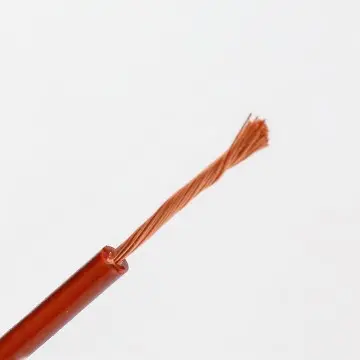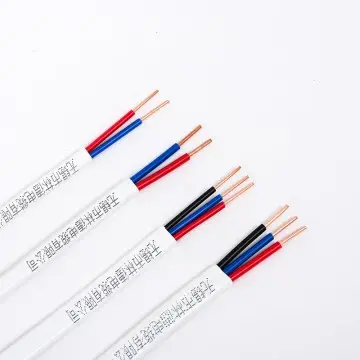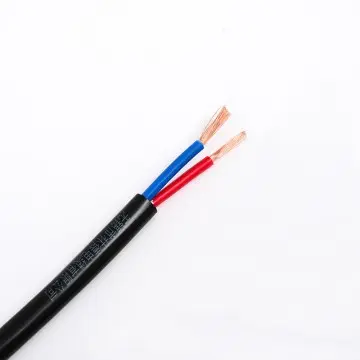
High-performance cables designed specifically for power transmission and distribution networks, ensuring reliable energy delivery across all applications.
The integration of solar power into traditional power transmission and distribution networks represents a transformative shift in global energy infrastructure. As renewable energy sources become increasingly prevalent, the demand for specialized cables and wiring solutions has grown exponentially. Power cables designed for solar power transmission must withstand extreme environmental conditions, including high temperatures, UV radiation, and moisture exposure, while maintaining optimal electrical performance.
Modern power transmission systems require cables that can efficiently handle the bidirectional flow of electricity, as solar installations often feed power back into the grid. This necessitates advanced conductor materials, enhanced insulation technologies, and robust sheathing solutions that ensure long-term reliability and safety. The evolution of cable technology has been crucial in supporting the rapid expansion of solar power infrastructure worldwide.
Understanding the commercial and industrial status of power cables in solar transmission and distribution systems
The global solar cable market is experiencing unprecedented growth, with a projected CAGR of 15.2% through 2030. This expansion is driven by massive investments in renewable energy infrastructure and government initiatives promoting clean energy transition.
Industrial solar installations require heavy-duty cables capable of handling high voltage and current loads. Manufacturing facilities, data centers, and large-scale commercial operations are increasingly adopting solar power, creating demand for specialized transmission cables.
International standards such as IEC 60227 and IEC 60502 govern cable specifications for power transmission. Compliance with these standards ensures safety, interoperability, and performance consistency across different markets and applications.
Advanced materials including cross-linked polyethylene (XLPE), ethylene propylene rubber (EPR), and halogen-free compounds are revolutionizing cable performance. These innovations enhance thermal resistance, reduce environmental impact, and extend operational lifespan.
The commercial sector has witnessed a significant shift toward solar power adoption, with businesses recognizing both economic and environmental benefits. Power transmission cables for commercial solar installations must meet stringent requirements for efficiency, durability, and safety. The trend toward distributed generation systems has created new challenges in cable design, requiring products that can handle variable loads and maintain stable performance under diverse operating conditions.
Large-scale solar farms and utility-scale installations represent the fastest-growing segment of the market. These projects require extensive cable networks capable of transmitting power over long distances with minimal losses. Medium voltage cables (1kV to 35kV) have become essential for connecting solar arrays to substations and grid interconnection points. The development of specialized DC cables for photovoltaic systems has addressed the unique requirements of solar power transmission, including reduced capacitance and enhanced UV resistance.
Industrial applications present unique challenges, particularly in harsh environments such as desert regions, coastal areas, and extreme climate zones. Cables deployed in these settings must withstand temperature fluctuations ranging from -40°C to +90°C, resist corrosion from salt spray and industrial pollutants, and maintain flexibility for installation in challenging terrain. The emergence of smart grid technologies has further complicated requirements, necessitating cables that support real-time monitoring and communication capabilities.
The future of power cables for solar transmission is being shaped by several transformative trends. Nanotechnology is enabling the development of conductors with superior electrical properties and reduced weight. Carbon nanotube-enhanced cables promise to deliver higher current capacity while maintaining smaller cross-sectional areas, facilitating easier installation and reducing material costs.
Smart cable systems incorporating fiber optic sensors and IoT connectivity are becoming increasingly prevalent. These intelligent cables can monitor temperature, load conditions, and potential faults in real-time, enabling predictive maintenance and preventing costly failures. The integration of artificial intelligence in cable management systems allows for dynamic load balancing and optimization of power distribution across complex solar networks.
Sustainability has emerged as a critical driver of innovation. Manufacturers are developing eco-friendly cables using recyclable materials and halogen-free compounds that reduce toxic emissions in case of fire. The circular economy approach is gaining traction, with initiatives focused on cable recycling and material recovery at end-of-life. Bio-based insulation materials derived from renewable sources are being tested as alternatives to petroleum-based polymers.
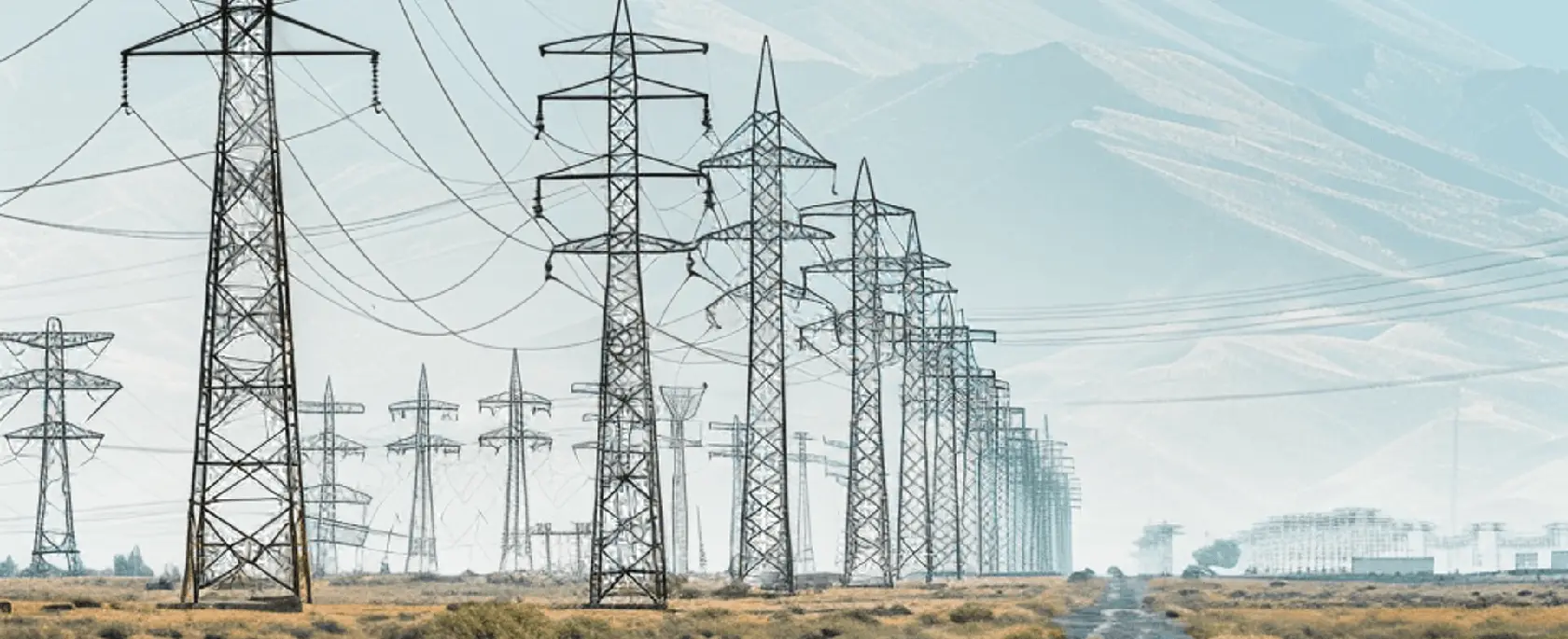
The transition to higher voltage DC transmission systems for long-distance solar power delivery is accelerating. HVDC cables offer lower transmission losses compared to AC systems, making them ideal for connecting remote solar farms to urban consumption centers. This trend is driving research into advanced insulation systems capable of withstanding the unique stresses associated with DC voltage, including space charge accumulation and polarity reversal.
Comprehensive analysis of power cable applications in solar transmission and distribution systems
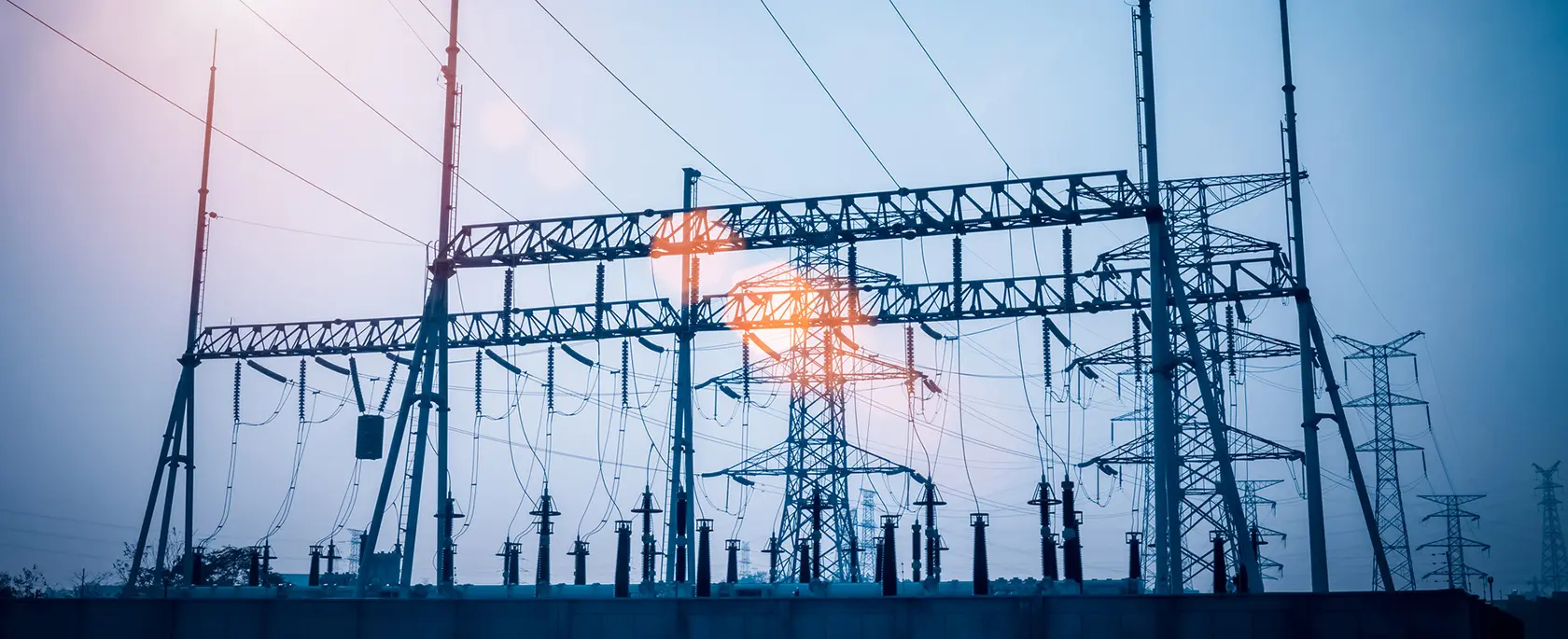
Large-scale photovoltaic installations spanning hundreds or thousands of acres require extensive cable networks to collect and transmit generated power. These systems typically employ a hierarchical architecture with low-voltage DC cables (1.5kV) connecting individual panels to combiner boxes, medium-voltage AC cables (up to 35kV) linking inverter stations to collection points, and high-voltage transmission lines (110kV or higher) delivering power to the grid. Cable selection must account for factors including voltage drop calculations, thermal management in buried installations, and protection against environmental hazards such as rodent damage and ground moisture.
Commercial and industrial rooftop solar systems present unique challenges related to cable routing, fire safety, and building integration. Cables must navigate complex pathways through roof penetrations, conduit systems, and building interiors while maintaining compliance with electrical and building codes. UV-resistant cables with enhanced flame retardant properties are essential for exposed rooftop sections. The need for flexible installation solutions has driven demand for pre-fabricated cable assemblies and quick-connect systems that reduce installation time and labor costs.
The emerging sector of floating photovoltaic systems deployed on reservoirs, lakes, and coastal waters introduces additional requirements for cable design. These applications demand waterproof cables with exceptional resistance to continuous immersion, wave action, and marine organisms. Specialized floating cable systems incorporate buoyancy elements and flexible joints to accommodate water level fluctuations and movement. Corrosion-resistant materials and sealed connector systems are critical for long-term reliability in aquatic environments.
Integration of solar power with energy storage systems, wind generation, and conventional grid connections creates complex power distribution scenarios. Cables must support bidirectional power flow, accommodate rapid load changes, and maintain stable performance across varying frequency and voltage conditions. The proliferation of battery energy storage systems (BESS) has increased demand for DC cables optimized for charge-discharge cycles and capable of handling high surge currents during rapid discharge events.
Remote communities, island installations, and industrial facilities operating independent microgrids rely on robust cable infrastructure to ensure reliable power delivery. These applications often involve challenging environmental conditions, limited maintenance access, and critical reliability requirements. Cables for off-grid systems must demonstrate exceptional durability and resistance to degradation over extended periods without maintenance. The trend toward modular, scalable microgrid designs has created demand for standardized cable solutions that facilitate system expansion and reconfiguration.
Solar-powered irrigation systems, farm operations, and rural electrification projects utilize specialized cables designed for outdoor exposure and agricultural environments. These cables must resist damage from agricultural chemicals, fertilizers, and mechanical stress from farm equipment. Flexible cables suitable for temporary installations and seasonal applications are increasingly popular for mobile irrigation systems and temporary power distribution during harvest operations.
Overview of the Electromechanical Engineering Cable for Hunan Luci Expressway of China Railway. As a response to China Railway's tender for suppliers of electromechanical cables for Hunan Luci Expressway, Linde Cable participated in this cable project. After that, we served as a material supplier and also needed to maintain the line, such as replacing more than 70 kilometers of cables and accessories.
Linde Cable provided 20 million worth of wires and cables for the overall relocation project of Chongzuo Traditional Chinese Medicine Hospital of China Construction Second Engineering Bureau. The service area of this cooperation covers approximately 150,000 square meters, including the outpatient building, inpatient department, administrative office area and other ancillary facilities of the new hospital, ensuring the safe, stable and efficient power supply of the entire medical complex.
As a partner of listed company Shandong Sacred Sun Power Supply, Linde Cable has provided it with cable products with a total value of more than RMB 10 million, covering high-performance cables, charging and discharging input wires and other types, fully meeting the company's diverse needs in power equipment manufacturing and new energy fields.
As one of the partners of State Grid, Linde Cable has jointly promoted the construction of large-scale cables in northeastern Brazil, covering 10 states in the northeast and integrating them into the Brazilian national grid. The investment is more than US$600 million, with a total length of about 1,930 kilometers for 9 cable lines and 3 secondary power stations.
Linde Cable provides power cables and fire-resistant cables for the construction of CIMC TEMSA factory in Indonesia. The investment amount is about hundreds of millions of US dollars. It aims to provide stable power supply, create jobs, promote local economic development and promote technology transfer.
Linde Cable is participating in a project to upgrade cable facilities along the cross-border highway in northeastern Thailand. The total investment is approximately several billion RMB, with a focus on charging piles, service center power supply networks, etc. The project will significantly improve the power infrastructure in the cross-border self-driving tourism area in the northeast.
Linde Cable participated in the photovoltaic park cable project in Pakistan, providing customized cables to solve the material aging problem caused by the large temperature difference between day and night in the desert area. The covered areas mainly include Punjab Province, Sindh Province and Balochistan Province, and the total length of the transmission line can reach hundreds or even thousands of kilometers.
Linde Cable provides certified fire-resistant and flame-retardant cables for the construction of logistics parks in Thailand, such as storage centers and live broadcast bases. The investment amount reaches hundreds of millions of RMB, in order to improve the operational efficiency of e-commerce logistics parks and meet the market demand and social progress of Thailand.
Linde Cable participated in the Indonesian new energy factory cable project and provided it with several types of cables, all of which passed Indonesia's harsh environmental tests (such as high temperature resistance and moisture resistance). The total amount of this project is 1.34 billion yuan, supporting Indonesia's power grid upgrade, promoting new energy, smart cities and infrastructure upgrades, and promoting urban development.
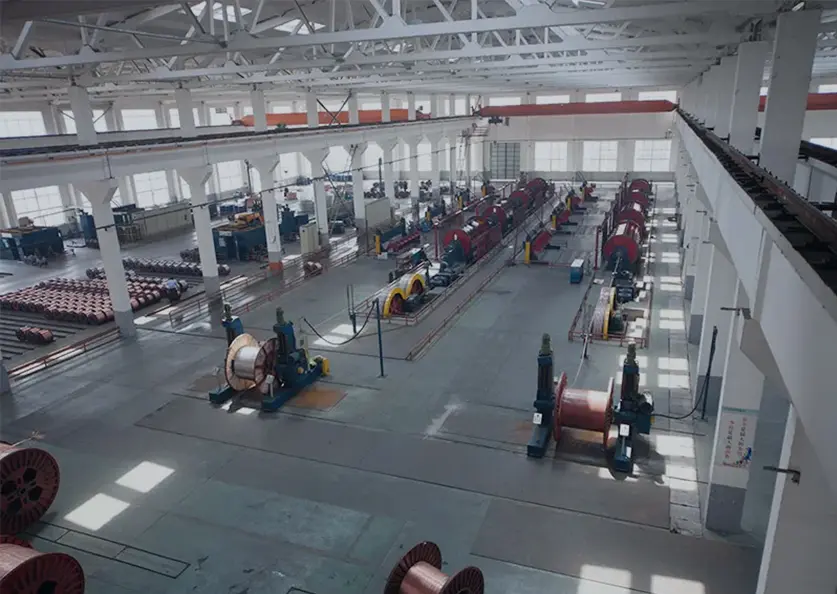
A professional manufacturer of high-quality wires and cables, serving industries such as power transmission, telecommunications, construction, and renewable energy.