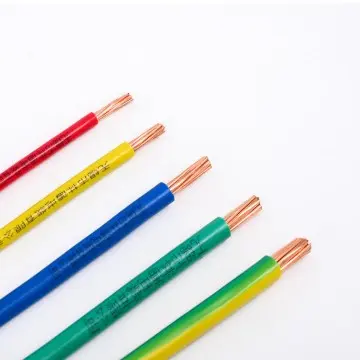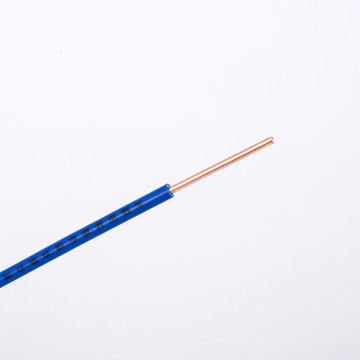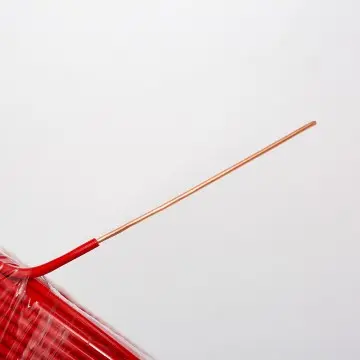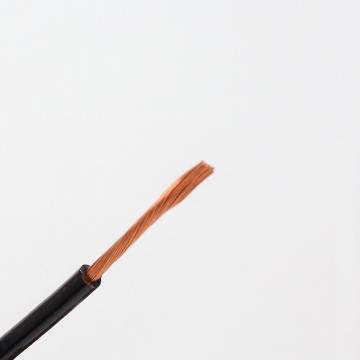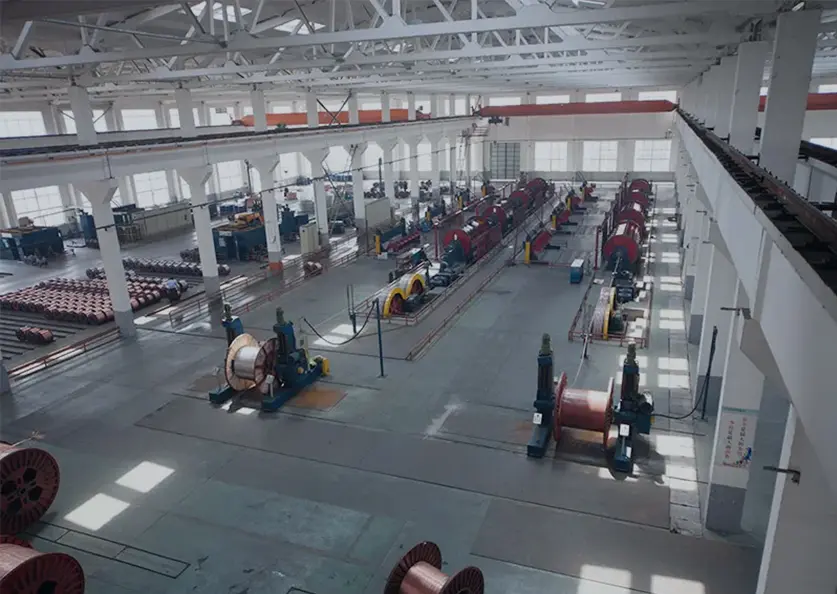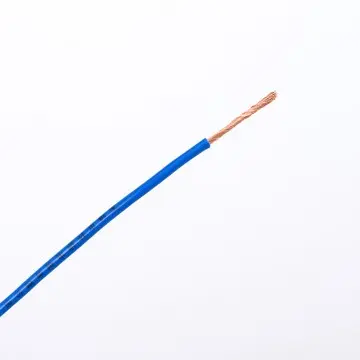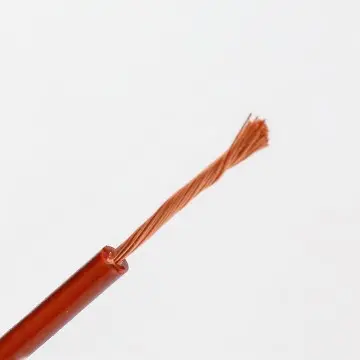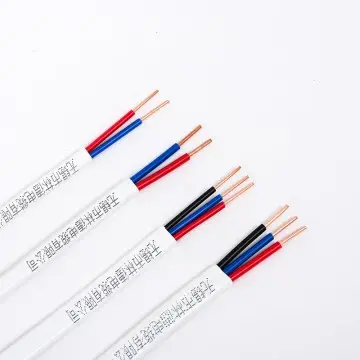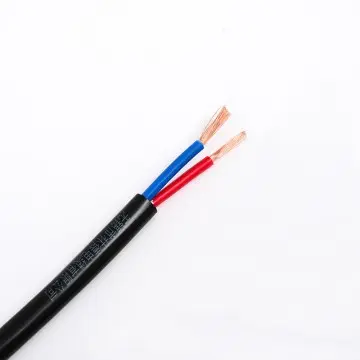
Premium wire and cable solutions designed for solar installations in Oman's demanding climate conditions
Oman is rapidly emerging as a regional leader in renewable energy adoption, with ambitious plans to generate 30% of its electricity from renewable sources by 2030. The Sultanate's geographical advantages, including abundant sunshine averaging over 300 days per year and vast desert landscapes, make it an ideal location for solar energy development.
The residential solar market in Oman has experienced remarkable growth, driven by government incentives, rising electricity costs, and increasing environmental awareness among homeowners. House solar installations have become increasingly popular in major cities like Muscat, Salalah, and Sohar, with both rooftop and ground-mounted systems gaining traction.
High-quality electrical cables are crucial for solar installations in Oman's extreme climate, where temperatures can exceed 50°C in summer. Our specialized solar cables are engineered to withstand UV radiation, high temperatures, and sandstorm conditions typical of the Omani environment, ensuring optimal performance and longevity for residential and commercial solar systems.
Understanding the current state and future potential of solar energy in the Sultanate
Oman's solar energy market is projected to grow at a CAGR of 15% through 2030, with residential installations accounting for 35% of total capacity. The government's commitment to diversifying energy sources has created unprecedented opportunities for solar product manufacturers and installers.
Major solar projects including the Ibri Solar Plant (500 MW) and Manah Solar projects demonstrate Oman's commitment to renewable energy. This infrastructure boom has created substantial demand for reliable, high-performance electrical cables and components suitable for extreme desert conditions.
The Omani government offers attractive incentives for solar installations, including net metering policies, tax exemptions, and financing support through the Oman Development Bank. These initiatives have catalyzed both domestic and international investment in the solar sector.
Key trends shaping the future of solar energy in the Sultanate
Omani homeowners are increasingly investing in rooftop solar systems, driven by reduced installation costs and government support. The typical residential system ranges from 3-10 kW, with payback periods of 5-7 years. Demand for UV-resistant, heat-tolerant cables has surged accordingly, with specifications requiring operation in temperatures up to 90°C.
Oman Electricity Transmission Company (OETC) is developing smart grid infrastructure to accommodate distributed solar generation. This technological advancement requires advanced cable systems with superior conductivity and reliability to ensure seamless integration between residential solar installations and the national grid.
Battery storage systems are becoming standard in Omani solar installations, enabling energy independence and grid stability. This trend has created demand for specialized cables that can handle the unique requirements of battery systems, including DC power transmission and rapid charging cycles.
Oman's industrial sector, particularly oil and gas facilities, is increasingly adopting solar solutions to reduce operational costs and carbon footprint. Large-scale industrial solar installations require heavy-duty cables capable of transmitting high voltages over long distances in harsh environmental conditions.
Tailored solar cable solutions for diverse Omani environments and applications
Traditional Omani villas in Muscat, Al Khuwair, and Qurum are ideal for rooftop solar installations. Our flame-retardant, UV-resistant cables ensure safe operation in temperatures exceeding 50°C, with special insulation designed to prevent degradation from intense solar radiation and occasional sandstorms.
Shopping malls, hotels, and office complexes in Muscat's business districts are adopting solar solutions to reduce operating costs. Our high-capacity cables support systems ranging from 50 kW to 500 kW, meeting stringent fire safety standards required by Omani building codes.
Manufacturing plants and warehouses in Sohar Industrial Port and Duqm Special Economic Zone require robust cable systems for large-scale solar arrays. Our industrial-grade cables withstand corrosive coastal environments and provide reliable power transmission for heavy machinery and processing equipment.
Solar-powered irrigation systems in Batinah and Dhofar regions utilize our weather-resistant cables designed for outdoor agricultural applications. These cables maintain performance despite exposure to moisture, fertilizers, and extreme temperature fluctuations between day and night.
Religious and community buildings across Oman are embracing solar energy as part of sustainability initiatives. Our certified cables meet Islamic architectural requirements while providing reliable power for air conditioning, lighting, and sound systems in these important community spaces.
Beachfront resorts and residential developments along Oman's 3,165 km coastline face unique challenges from salt spray and humidity. Our marine-grade cables feature enhanced corrosion resistance and waterproof properties, ensuring long-term reliability in coastal solar installations.
Successful implementations of our cable solutions in renewable energy projects across the Middle East and Asia
Linde Cable participated in the Indonesian new energy factory cable project and provided it with several types of cables, all of which passed Indonesia's harsh environmental tests (such as high temperature resistance and moisture resistance). The total amount of this project is 1.34 billion yuan, supporting Indonesia's power grid upgrade, promoting new energy, smart cities and infrastructure upgrades, and promoting urban development.
Overview of the Electromechanical Engineering Cable for Hunan Luci Expressway of China Railway. As a response to China Railway's tender for suppliers of electromechanical cables for Hunan Luci Expressway, Linde Cable participated in this cable project. After that, we served as a material supplier and also needed to maintain the line, such as replacing more than 70 kilometers of cables and accessories.
As one of the partners of State Grid, Linde Cable has jointly promoted the construction of large-scale cables in northeastern Brazil, covering 10 states in the northeast and integrating them into the Brazilian national grid. The investment is more than US$600 million, with a total length of about 1,930 kilometers for 9 cable lines and 3 secondary power stations.
Linde Cable participated in the photovoltaic park cable project in Pakistan, providing customized cables to solve the material aging problem caused by the large temperature difference between day and night in the desert area. The covered areas mainly include Punjab Province, Sindh Province and Balochistan Province, and the total length of the transmission line can reach hundreds or even thousands of kilometers.
Linde Cable is participating in a project to upgrade cable facilities along the cross-border highway in northeastern Thailand. The total investment is approximately several billion RMB, with a focus on charging piles, service center power supply networks, etc. The project will significantly improve the power infrastructure in the cross-border self-driving tourism area in the northeast.
Linde Cable provides certified fire-resistant and flame-retardant cables for the construction of logistics parks in Thailand, such as storage centers and live broadcast bases. The investment amount reaches hundreds of millions of RMB, in order to improve the operational efficiency of e-commerce logistics parks and meet the market demand and social progress of Thailand.
Comprehensive range of certified cables meeting international standards for solar installations