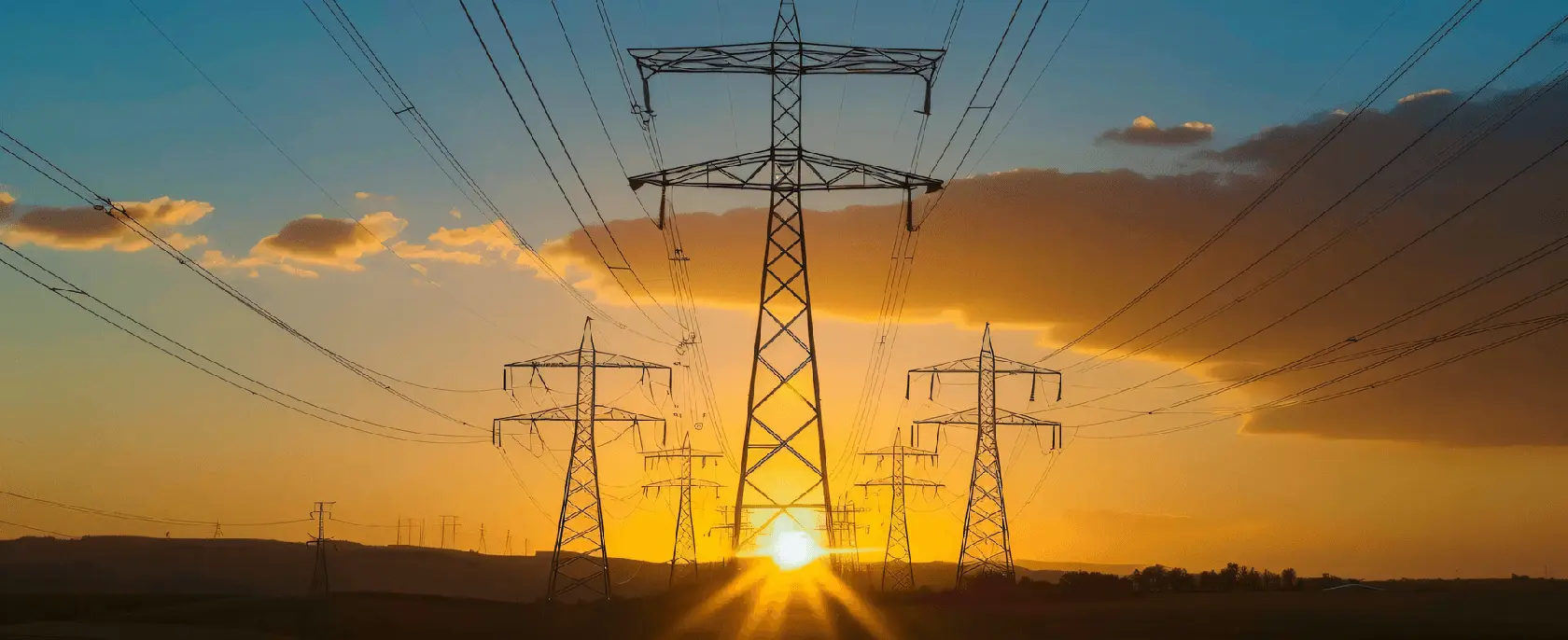
The telecommunications and data center industries are experiencing unprecedented growth, driven by the exponential increase in data consumption, cloud computing, 5G networks, and IoT connectivity. This digital revolution demands reliable, sustainable, and cost-effective power solutions. House solar panels, integrated with advanced cable infrastructure, are emerging as a game-changing solution for powering telecommunications towers, data centers, and network facilities.
Solar energy systems designed for telecommunications and data center applications offer multiple advantages: reduced operational costs, enhanced energy independence, lower carbon footprint, and improved reliability through hybrid power configurations. As these industries consume approximately 3% of global electricity and continue to grow, the integration of solar power solutions becomes not just environmentally responsible but economically imperative.
Modern data centers and telecommunications facilities require uninterrupted power supply with minimal downtime. Solar panel systems, when properly designed with battery storage and grid backup, provide a resilient power infrastructure that can withstand grid failures, natural disasters, and peak demand challenges. The specialized cables connecting these systems must meet stringent requirements for fire resistance, temperature tolerance, and long-term reliability.
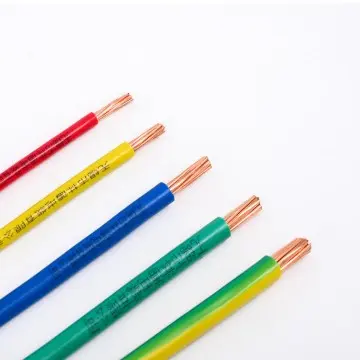
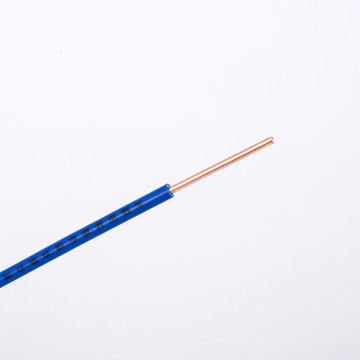
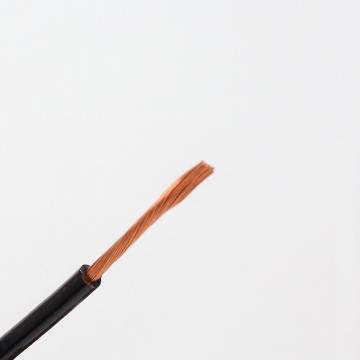
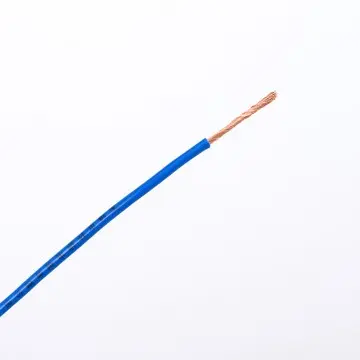
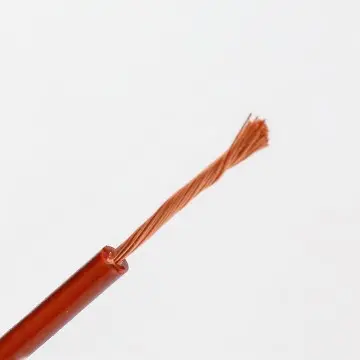
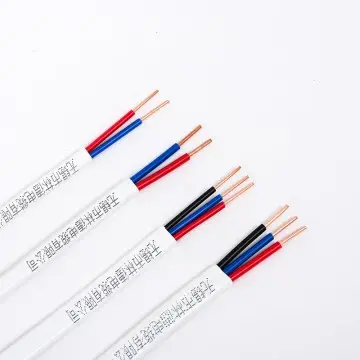
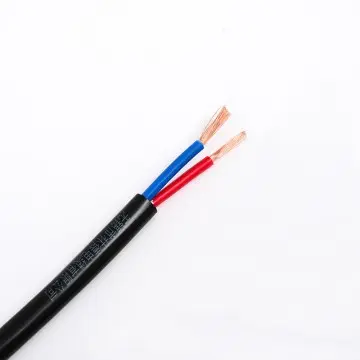
High-performance cables engineered for demanding solar power applications
Understanding the current state and future trajectory of solar power in telecommunications and data centers
The global data center solar power market is projected to reach $8.5 billion by 2028, growing at a CAGR of 15.3%. Telecommunications solar installations are expanding at similar rates as operators seek to reduce OPEX by 30-40%.
Major telecommunications providers and cloud service operators have committed to 100% renewable energy targets by 2030. This drives massive investment in on-site solar generation and specialized power distribution infrastructure.
Advanced solar panel efficiency now exceeds 22%, while bifacial panels and tracking systems increase energy capture by 25-35%. These improvements make solar economically viable even in moderate-sun regions.
Specialized implementations across telecommunications and data center infrastructure
Off-grid and poor-grid telecom sites represent one of the most compelling use cases for solar power systems. These installations typically require:
Cost savings typically reach 60-80% compared to diesel-only solutions, with payback periods of 3-5 years.
The proliferation of edge computing facilities creates unique opportunities for distributed solar power:
Edge facilities benefit from reduced transmission losses and improved power quality through local generation.
Large-scale data center campuses are increasingly incorporating massive solar installations:
Major operators like Google, Microsoft, and Amazon have deployed over 5GW of solar capacity for data center operations.
The 5G rollout creates exponential growth in small cell sites requiring power solutions:
Solar-powered 5G sites eliminate trenching costs and accelerate network deployment timelines.
Technological innovations shaping the next generation of solar-powered telecommunications and data infrastructure
Artificial intelligence and machine learning algorithms are revolutionizing how solar power systems interact with telecommunications and data center loads. Predictive analytics forecast power generation based on weather patterns, while intelligent load balancing optimizes battery charging cycles and extends system lifespan. AI-driven systems can reduce energy waste by 15-25% and improve overall system reliability through predictive maintenance protocols.
The industry is moving toward turnkey systems where solar panels, battery storage, power electronics, and specialized cabling are designed as integrated solutions. This approach reduces installation complexity, improves system efficiency by 8-12%, and provides single-source warranty coverage. Pre-engineered solutions accelerate deployment timelines from months to weeks.
Next-generation cables specifically engineered for solar applications in harsh telecommunications environments feature enhanced UV resistance (30+ year lifespan), improved fire safety ratings (halogen-free, low-smoke), temperature tolerance (-40°C to +120°C), and reduced resistive losses. These specialized cables can improve system efficiency by 3-5% while dramatically reducing maintenance requirements.
Combining solar with wind, fuel cells, or micro-hydro creates resilient power systems for critical telecommunications infrastructure. Hybrid configurations provide 99.99%+ uptime guarantees while reducing fossil fuel dependency by 85-95%. These systems are particularly valuable in regions with seasonal solar variation or extreme weather patterns.
Emerging blockchain-based platforms enable data centers with excess solar generation to trade power with neighboring facilities or feed back to the grid. This creates new revenue streams, improves overall system economics, and supports grid stability. Several pilot projects have demonstrated 10-15% improvement in ROI through peer-to-peer energy trading.
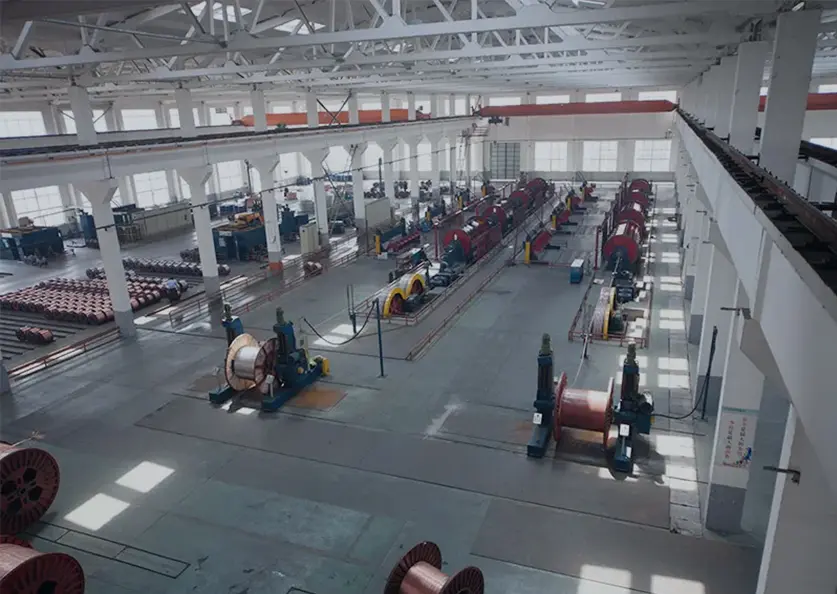
Linde Cable Co., Ltd. (hereinafter referred to as Linde Cable) was founded in year 2006, is a manufacturer specializing in the production of high-quality wires and cables, serving industries such as power transmission, telecommunications, construction, and renewable energy. With a steadfast commitment to quality and integrity, we ensure that every product meets international standards and exceeds customer expectations. Our dedication to innovation, sustainability, and reliable performance has established us as a trusted partner in the global market.
Explore more
Global telecommunications and data center infrastructure projects powered by our solutions

Overview of the Electromechanical Engineering Cable for Hunan Luci Expressway of China Railway. As a response to China Railway's tender for suppliers of electromechanical cables for Hunan Luci Expressway, Linde Cable participated in this cable project. After that, we served as a material supplier and also needed to maintain the line, such as replacing more than 70 kilometers of cables and accessories.

Linde Cable provided 20 million worth of wires and cables for the overall relocation project of Chongzuo Traditional Chinese Medicine Hospital of China Construction Second Engineering Bureau. The service area of this cooperation covers approximately 150,000 square meters, including the outpatient building, inpatient department, administrative office area and other ancillary facilities of the new hospital.

As a partner of listed company Shandong Sacred Sun Power Supply, Linde Cable has provided it with cable products with a total value of more than RMB 10 million, covering high-performance cables, charging and discharging input wires and other types, fully meeting the company's diverse needs in power equipment manufacturing and new energy fields.

As one of the partners of State Grid, Linde Cable has jointly promoted the construction of large-scale cables in northeastern Brazil, covering 10 states in the northeast and integrating them into the Brazilian national grid. The investment is more than US$600 million, with a total length of about 1,930 kilometers for 9 cable lines and 3 secondary power stations.

Linde Cable provides power cables and fire-resistant cables for the construction of CIMC TEMSA factory in Indonesia. The investment amount is about hundreds of millions of US dollars. It aims to provide stable power supply, create jobs, promote local economic development and promote technology transfer.

Linde Cable is participating in a project to upgrade cable facilities along the cross-border highway in northeastern Thailand. The total investment is approximately several billion RMB, with a focus on charging piles, service center power supply networks, etc. The project will significantly improve the power infrastructure in the cross-border self-driving tourism area in the northeast.

Linde Cable participated in the photovoltaic park cable project in Pakistan, providing customized cables to solve the material aging problem caused by the large temperature difference between day and night in the desert area. The covered areas mainly include Punjab Province, Sindh Province and Balochistan Province.

Linde Cable provides certified fire-resistant and flame-retardant cables for the construction of logistics parks in Thailand, such as storage centers and live broadcast bases. The investment amount reaches hundreds of millions of RMB, in order to improve the operational efficiency of e-commerce logistics parks.

Linde Cable participated in the Indonesian new energy factory cable project and provided it with several types of cables, all of which passed Indonesia's harsh environmental tests (such as high temperature resistance and moisture resistance). The total amount of this project is 1.34 billion yuan, supporting Indonesia's power grid upgrade.
A professional manufacturer of high-quality wires and cables, serving industries such as power transmission, telecommunications, construction, and renewable energy.