

The Sultanate of Oman is rapidly emerging as a key player in the Middle East's renewable energy landscape, with solar power at the forefront of its sustainability agenda. With over 300 days of sunshine annually and some of the highest solar irradiation levels globally (averaging 5.5-6.5 kWh/m²/day), Oman possesses exceptional natural advantages for solar energy development. The government's Vision 2040 strategy aims to generate 30% of electricity from renewable sources by 2030, with solar energy playing a pivotal role in this transformation.
Oman's solar market has witnessed remarkable growth in recent years, driven by both residential and commercial demand. The residential solar sector, particularly house solar installations, has experienced a surge in adoption as homeowners seek to reduce electricity costs and carbon footprints. With electricity consumption in Omani households averaging 15,000-20,000 kWh annually, residential solar systems offer substantial savings potential, with payback periods typically ranging from 5-7 years given the country's excellent solar resources.
The commercial and industrial sectors have also embraced solar technology enthusiastically. Major projects such as the Ibri II Solar Plant (500 MW) and the Manah Solar Plant (1,000 MW under development) demonstrate Oman's commitment to large-scale solar infrastructure. These utility-scale projects complement the growing distributed generation market, where businesses, schools, hospitals, and government buildings are increasingly installing rooftop solar systems to offset operational costs and demonstrate environmental leadership.
The regulatory environment in Oman has evolved to support solar adoption. The Authority for Electricity Regulation (AER) has implemented net metering policies allowing residential and commercial customers to export excess solar generation to the grid, receiving credits on their electricity bills. This policy framework has been instrumental in accelerating distributed solar deployment, particularly in the residential sector where homeowners can now become prosumers rather than merely consumers.
Technological advancements have made solar systems more efficient and affordable for Omani consumers. Modern photovoltaic panels now achieve conversion efficiencies exceeding 22%, while advanced inverter technology ensures optimal performance even in Oman's challenging climate conditions, including high temperatures and occasional dust storms. Battery storage systems are increasingly integrated with residential solar installations, providing energy independence and backup power during grid outages, which is particularly valuable in remote areas.
Residential Solar Boom: The residential solar market in Oman is experiencing exponential growth, with installation rates increasing by over 40% annually. Homeowners in urban centers like Muscat, Salalah, and Sohar are leading the adoption curve, motivated by rising electricity tariffs and environmental consciousness. Typical residential installations range from 3-10 kW systems, sufficient to offset 60-90% of household electricity consumption. Villa compounds and new residential developments are increasingly incorporating solar-ready infrastructure, with developers recognizing solar capability as a valuable selling point.
Smart Solar Integration: The integration of smart home technology with solar systems represents a significant trend in Oman's market. Modern solar installations now feature mobile app monitoring, AI-powered energy management systems, and IoT connectivity that allows homeowners to optimize consumption patterns in real-time. These smart systems can automatically adjust energy usage based on solar generation, weather forecasts, and electricity pricing, maximizing economic benefits while ensuring comfort and convenience.
Community Solar Projects: Community-scale solar projects are emerging as an innovative solution for multi-family housing and mixed-use developments common in Oman's urban areas. These shared solar installations allow multiple households or businesses to benefit from economies of scale while overcoming individual space or financial constraints. Several pilot projects in Muscat's residential districts have demonstrated the viability of this model, with participation rates exceeding 75% among eligible residents.
Solar-Powered Water Solutions: Given Oman's water scarcity challenges, solar-powered desalination and water pumping systems are gaining traction. Rural communities and agricultural operations increasingly rely on solar water pumps for irrigation and livestock, reducing dependence on diesel generators and grid electricity. The government's Rural Areas Electricity Company (Tanweer) has installed thousands of solar water pumping systems across remote villages, improving water access while demonstrating renewable energy benefits.
Financing Innovation: The availability of innovative financing mechanisms has democratized access to solar technology in Oman. Several banks and financial institutions now offer green loans with preferential interest rates for solar installations, while lease-to-own and power purchase agreement (PPA) models allow customers to adopt solar with minimal upfront investment. These financial products have been particularly effective in expanding solar access to middle-income households and small businesses.
Local Manufacturing Development: Oman is developing local solar manufacturing capabilities to reduce import dependence and create employment opportunities. Several companies have established assembly facilities for solar panels, inverters, and mounting structures, leveraging the country's strategic location and access to regional markets. The government's localization initiatives require major solar projects to incorporate minimum percentages of locally-produced components, stimulating domestic industry growth.
Residential Villas in Muscat: In Oman's capital, luxury villas and modern residential compounds are increasingly equipped with comprehensive solar solutions. A typical 5-bedroom villa installation includes 6-8 kW solar arrays, battery storage systems (10-15 kWh capacity), and smart energy management platforms. These systems reduce electricity bills by 70-85% while providing backup power during outages. Many homeowners report complete return on investment within 6 years, after which they enjoy essentially free electricity for the system's remaining 20+ year lifespan.
Commercial Buildings in Sohar Industrial Zone: The Sohar Industrial Port area has witnessed extensive adoption of rooftop solar by manufacturing facilities, warehouses, and logistics centers. These commercial installations typically range from 50-500 kW, generating substantial cost savings for energy-intensive operations. One notable installation at a food processing facility generates 1.2 GWh annually, offsetting approximately 40% of the facility's electricity consumption and reducing operational costs by over $120,000 per year.
Educational Institutions: Schools and universities across Oman are embracing solar energy as both a cost-saving measure and educational tool. Sultan Qaboos University in Muscat operates one of the largest educational solar installations in the region (2 MW capacity), which serves as a living laboratory for renewable energy research while significantly reducing the institution's carbon footprint. The system includes interactive displays that educate students and visitors about solar energy generation in real-time.
Healthcare Facilities: Hospitals and clinics, which require reliable 24/7 power, are increasingly pairing solar installations with battery storage and backup generators to ensure uninterrupted operations. The Royal Hospital in Muscat recently completed a 1.5 MW solar installation with 500 kWh battery storage, providing both economic benefits and enhanced energy security for critical medical operations.
Tourism Sector Applications: Oman's growing tourism industry is leveraging solar energy to enhance sustainability credentials. Eco-resorts in Salalah and desert camps in the Wahiba Sands increasingly rely on solar power to provide modern amenities while minimizing environmental impact. These installations often combine solar panels with solar water heating systems, reducing both electricity and fuel consumption. Several luxury desert camps operate entirely off-grid using solar-battery systems, offering guests a unique sustainable tourism experience.
Agricultural Operations: Oman's agricultural sector, particularly date palm farms and livestock operations, has embraced solar technology enthusiastically. Solar water pumps have replaced diesel-powered systems in thousands of farms, reducing operational costs by 60-80% while eliminating noise and air pollution. Solar-powered irrigation systems enable precise water management, crucial in Oman's arid climate, while solar refrigeration units help preserve produce in remote farming areas lacking grid connectivity.
Telecommunications Infrastructure: Mobile network operators are deploying solar-powered base stations across Oman, particularly in remote and mountainous regions where grid connection is impractical or expensive. These off-grid installations combine solar panels with battery storage and backup generators, ensuring reliable connectivity while reducing operational expenses and carbon emissions. The technology has proven particularly effective in expanding mobile coverage to underserved rural areas.
Government Buildings and Public Facilities: As part of national sustainability commitments, government ministries, police stations, and public service buildings are systematically installing solar systems. The Ministry of Environment and Climate Affairs headquarters operates entirely on renewable energy, serving as a demonstration project for other government entities. Municipal buildings, public parks, and street lighting in major cities increasingly utilize solar power, reducing public sector energy costs while demonstrating government commitment to renewable energy.
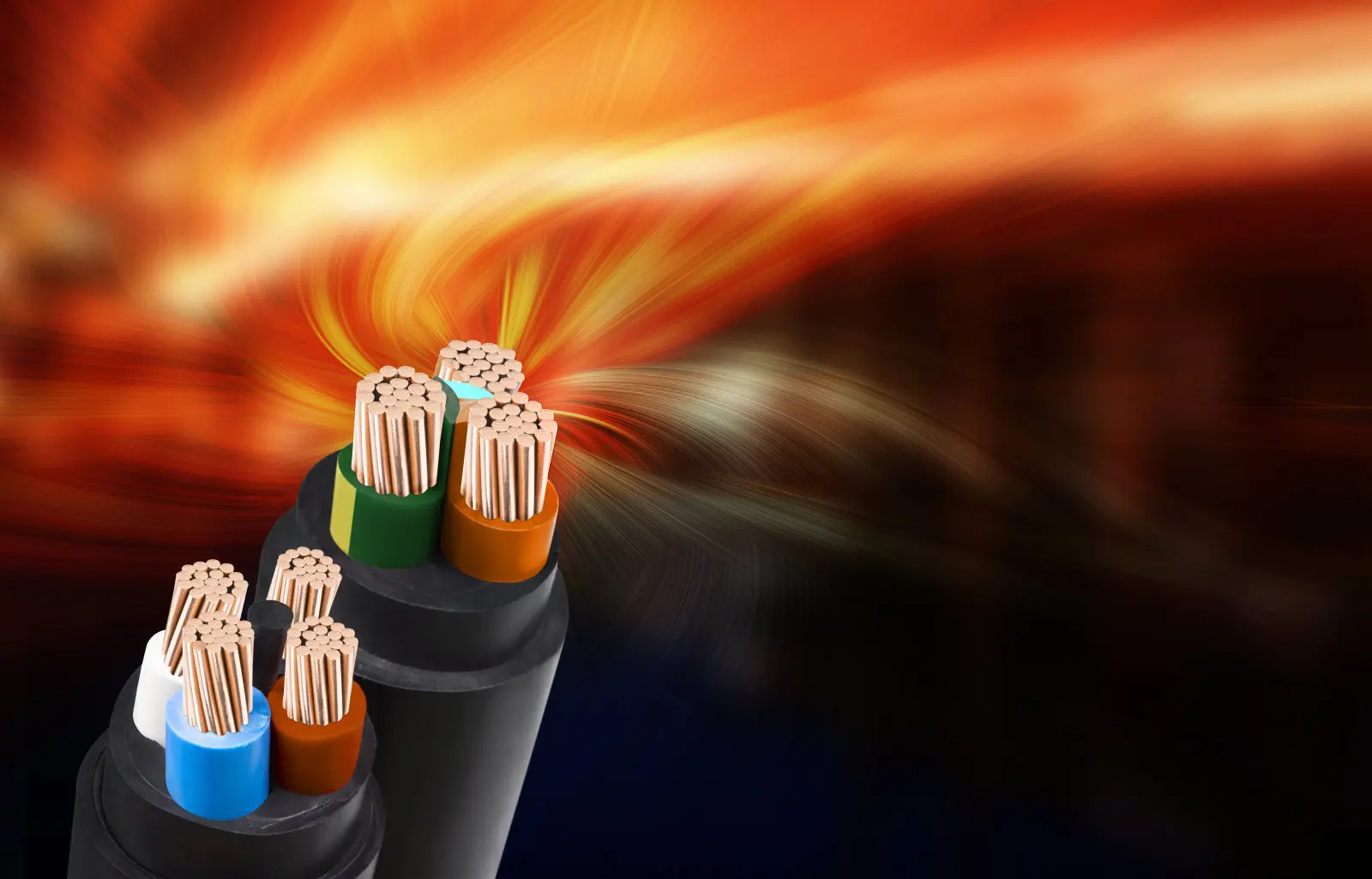
Linde Cable Co., Ltd. (hereinafter referred to as Linde Cable) was founded in year 2006, is a manufacturer specializing in the production of high-quality wires and cables, serving industries such as power transmission, telecommunications, construction, and renewable energy. With a steadfast commitment to quality and integrity, we ensure that every product meets international standards and exceeds customer expectations. Our dedication to innovation, sustainability, and reliable performance has established us as a trusted partner in the global market.
Spanning a state-of-the-art manufacturing facility of over 100,000 square meters, our production capabilities are supported by advanced machinery and cutting-edge technology. We operate more than 30 production lines, equipped with precision tools for extrusion, stranding, and insulation processes. Our in-house testing laboratory features over 20 high-precision inspection devices, including flame retardancy testers, tensile strength analyzers, and high-voltage testers, ensuring that every product undergoes rigorous quality control before reaching our customers. With certification from ISO9001, ISO14001, ISO18001, and China Compulsory Certification (CCC), ensuring that we have an excellent system in place to maintain our high standards of product quality and after-sales service.
Over the years, we have successfully delivered projects for renowned clients, including Fortune 500 companies and leading infrastructure developers. Our products have been widely used in high-profile projects such as urban power grids, offshore wind farms, and international telecommunications networks. Client feedback consistently highlights our reliability, technical expertise, and exceptional after-sales service. We take pride in these achievements and remain committed to building long-term partnerships through excellence and innovation.
For the Oman market specifically, we have developed specialized solar cable solutions designed to withstand the region's unique environmental challenges, including extreme temperatures, high UV exposure, and occasional sandstorms. Our solar cables feature enhanced insulation materials, superior UV resistance, and robust construction that ensures long-term performance in Oman's demanding climate conditions. We work closely with local distributors and installation partners to provide comprehensive technical support and rapid delivery to projects across the Sultanate.
Linde Cable is equipped with a wide range of over 100 advanced production machineries, showcasing our commitment to technological excellence and manufacturing precision. With cutting-edge equipment such as high-speed extrusion lines, automated stranding machines, and precision insulation systems, we ensure the highest quality standards for our products. Our state-of-the-art facilities contribute to an annual production value exceeding $200 million, reflecting our strong capabilities and competitive edge in the industry. This robust infrastructure enables us to meet diverse customer demands efficiently while maintaining superior product performance and reliability.
Our production lines are specifically configured to manufacture solar cables meeting international standards including TÜV, UL, and IEC certifications, ensuring compatibility with all major solar panel and inverter brands used in Oman. We maintain extensive inventory of solar cable products in various specifications, enabling rapid fulfillment of orders for projects across the region. Our quality assurance processes include thermal cycling tests, UV aging tests, and mechanical stress tests that simulate decades of exposure to Oman's environmental conditions.