Leave Your Message

Good Solar Panels For Telecommunications & Data Centers

Powering the Future of Digital Infrastructure with Sustainable Energy Solutions

Featured Solar Cable Solutions

High-performance cables engineered for telecommunications and data center solar installations

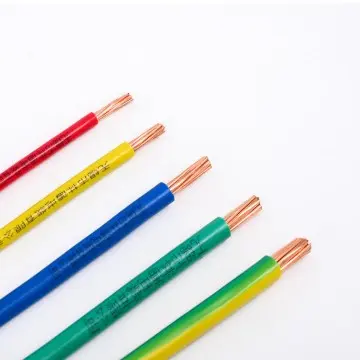
60227 IEC 01 BV Solar Cable for Telecommunications

60227 IEC 01 BV Single-core cable for Telecom Solar Systems

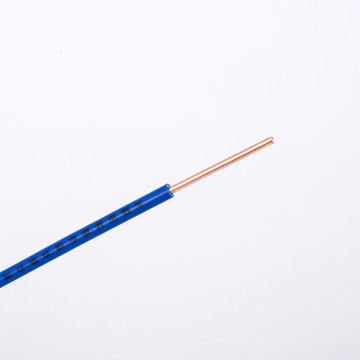
60227 IEC 05 BV Data Center Solar Cable

60227 IEC 05 BV Single-core cable for Data Center Solar Applications

60227 IEC 07 BV-90°C High-Temperature Solar Cable

60227 IEC 07 BV-90°C High-temp cable for Telecom Infrastructure

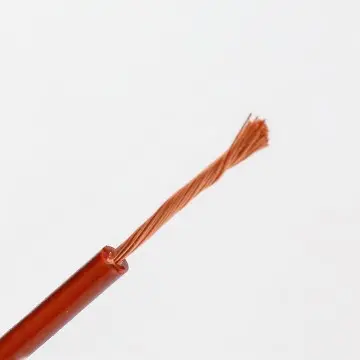
60227 IEC 02 RV Flexible Solar Cable

60227 IEC 02 RV Flexible cable for Data Center Solar Installations

Solar Power Revolution in Telecommunications & Data Centers

Transforming Digital Infrastructure with Renewable Energy

The Growing Demand for Solar Energy in Digital Infrastructure

The telecommunications and data center industries are experiencing an unprecedented surge in energy consumption. As global data traffic continues to exponentially increase, driven by cloud computing, 5G networks, artificial intelligence, and the Internet of Things (IoT), the need for sustainable and reliable power solutions has become critical. Solar panels have emerged as a transformative solution, offering telecommunications companies and data center operators a path toward energy independence, cost reduction, and environmental sustainability.

Data centers alone consume approximately 1-2% of global electricity, and this figure is projected to reach 8% by 2030. Telecommunications infrastructure, including cell towers, base stations, and network operations centers, adds significantly to this energy demand. Traditional grid power not only represents a substantial operational expense but also exposes these critical facilities to power outages and grid instability. Solar energy provides a compelling alternative, delivering clean, renewable power that reduces operational costs while ensuring business continuity.

Key Industry Statistics: The global market for solar-powered telecommunications infrastructure is expected to reach $5.8 billion by 2028, growing at a CAGR of 12.4%. Meanwhile, over 40% of major data center operators have committed to 100% renewable energy targets by 2030.

🌐Current State of Solar Adoption in Telecommunications

Telecommunications companies worldwide are rapidly integrating solar panels into their infrastructure strategies. Mobile network operators are particularly focused on off-grid and remote cell tower installations, where extending traditional power lines is economically unfeasible. Solar-powered cell towers have proven exceptionally effective in rural and developing regions, providing reliable connectivity while dramatically reducing diesel generator dependency.

Leading telecommunications providers have deployed thousands of solar-powered base stations across Africa, Asia, and Latin America. These installations typically combine solar panels with battery storage systems, creating hybrid power solutions that ensure 24/7 network availability. The technology has matured to the point where solar systems can reliably power even high-capacity 4G and 5G equipment, with intelligent power management systems optimizing energy usage based on network demand patterns.

Off-Grid Tower Solutions

Solar panels enable telecommunications companies to establish network coverage in remote locations without grid access, reducing deployment costs by 40-60% compared to traditional diesel-powered solutions.

Grid-Connected Hybrid Systems

Urban telecommunications facilities are implementing grid-tied solar systems that reduce electricity bills by 30-50% while providing backup power during outages, ensuring network reliability.

💾Solar Energy Transformation in Data Centers

Data centers represent one of the most promising applications for large-scale solar energy deployment. Major technology companies including Google, Microsoft, Amazon, and Apple have invested billions in solar infrastructure to power their data center operations. These facilities require massive amounts of consistent power, making them ideal candidates for on-site solar installations combined with grid connectivity and battery storage.

Modern data center solar implementations range from rooftop installations on smaller facilities to dedicated solar farms spanning hundreds of acres for hyperscale operations. Advanced data centers are incorporating solar energy into their core design, with power usage effectiveness (PUE) metrics improving significantly when renewable energy sources are integrated. Some facilities have achieved near carbon-neutral operations through strategic solar deployment combined with energy-efficient cooling systems and server optimization.

The financial case for solar-powered data centers has become increasingly compelling. With solar panel costs declining by over 90% in the past decade and energy storage technology rapidly improving, the levelized cost of solar electricity often undercuts traditional grid power. Additionally, many regions offer tax incentives, renewable energy credits, and accelerated depreciation for commercial solar installations, further improving return on investment.

Advanced Application Scenarios and Technical Requirements

Implementing solar panels in telecommunications and data center environments requires specialized technical considerations beyond standard commercial solar installations. The cables connecting solar arrays to inverters, battery systems, and facility power distribution must withstand harsh environmental conditions while maintaining exceptional electrical performance and safety standards.

High-Temperature Performance

Telecommunications equipment and data center solar installations often operate in extreme temperature environments. Specialized cables rated for 90°C or higher ensure reliable performance even during peak summer conditions when solar generation is highest.

UV and Weather Resistance

Outdoor solar installations require cables with superior UV resistance and weatherproofing. Premium insulation materials protect against degradation from constant sun exposure, moisture, and temperature cycling over 25+ year operational lifespans.

Low Voltage Drop

Efficient power transmission is critical in solar systems. High-quality conductors with optimal cross-sectional areas minimize resistive losses, ensuring maximum energy harvest from solar panels reaches telecommunications equipment and data center loads.

Fire Safety Compliance

Data centers and telecommunications facilities require cables meeting stringent fire safety standards. Flame-retardant and low-smoke halogen-free cables protect critical infrastructure and comply with international building codes and insurance requirements.

Future Trends and Industry Evolution

The convergence of solar energy technology with telecommunications and data center infrastructure is accelerating rapidly. Several emerging trends are shaping the future landscape of this integration. Edge computing facilities, positioned closer to end users to reduce latency, are increasingly being designed as solar-powered micro data centers. These distributed facilities benefit from solar energy's modularity and scalability, enabling rapid deployment without extensive grid infrastructure upgrades.

Artificial intelligence and machine learning are being deployed to optimize solar energy utilization in real-time. Predictive algorithms forecast solar generation based on weather patterns and adjust data center workload distribution accordingly, maximizing renewable energy consumption and minimizing grid dependence. Smart inverters and advanced battery management systems enable seamless integration of solar power with existing facility electrical infrastructure.

The development of bifacial solar panels, which capture sunlight from both sides, is particularly relevant for telecommunications tower installations where reflected light from surrounding surfaces can boost energy generation by 10-30%. Similarly, building-integrated photovoltaics (BIPV) are enabling data center facilities to transform entire building envelopes into power-generating surfaces, dramatically increasing on-site renewable energy capacity.

Emerging Technologies: Perovskite solar cells promise higher efficiency at lower costs, while solar panel recycling infrastructure is developing to ensure sustainability throughout the complete lifecycle of telecommunications and data center solar installations.

Economic and Environmental Impact

The economic benefits of solar energy adoption in telecommunications and data centers extend beyond simple electricity cost reduction. Facilities powered by solar energy often command premium valuations due to reduced operational risk and improved sustainability credentials. Corporate customers increasingly prioritize data center providers with strong renewable energy commitments, creating competitive advantages for solar-powered facilities.

Environmental impact reduction represents another critical driver. A typical data center solar installation can offset 500-5,000 tons of CO2 emissions annually, equivalent to removing 100-1,000 vehicles from roads. Telecommunications companies deploying solar-powered towers across their networks can achieve carbon neutrality goals while simultaneously improving service reliability in underserved areas.

Government policies worldwide are increasingly supportive of commercial solar adoption, with many jurisdictions offering feed-in tariffs, net metering arrangements, and renewable energy mandates that improve project economics. International development organizations are funding solar telecommunications infrastructure in emerging markets, recognizing the dual benefits of connectivity and sustainable development.

ABOUT US

Company Profile

Wuxi Linde Cable Co., Ltd.

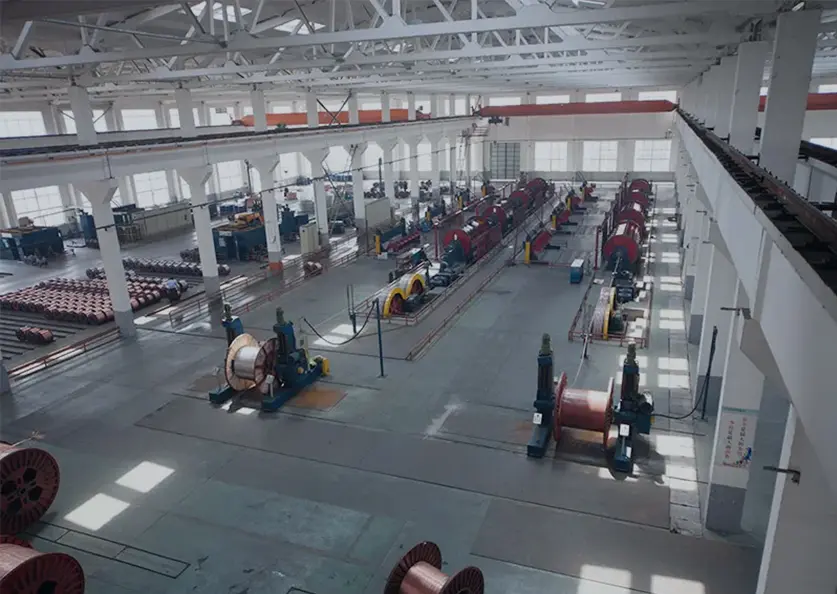
Linde Cable Co., Ltd. (hereinafter referred to as Linde Cable) was founded in year 2006, is a manufacturer specializing in the production of high-quality wires and cables, serving industries such as power transmission, telecommunications, construction, and renewable energy. With a steadfast commitment to quality and integrity, we ensure that every product meets international standards and exceeds customer expectations. Our dedication to innovation, sustainability, and reliable performance has established us as a trusted partner in the global market.

Explore more
15+
15 professional production lines
1000
10 million start-up capital
30+
More than 30 intellectual property
Linde Cable Company Profile

CASES

Telecommunications & Data Center Solar Projects

Telecommunications Solar Cable Project

Overview of the Electromechanical Engineering Cable for Hunan Luci Expressway of China Railway. As a response to China Railway's tender for suppliers of electromechanical cables for Hunan Luci Expressway, Linde Cable participated in this cable project. After that, we served as a material supplier and also needed to maintain the line, such as replacing more than 70 kilometers of cables and accessories.

Data Center Solar Infrastructure

Linde Cable provided 20 million worth of wires and cables for the overall relocation project of Chongzuo Traditional Chinese Medicine Hospital of China Construction Second Engineering Bureau. The service area of this cooperation covers approximately 150,000 square meters, including the outpatient building, inpatient department, administrative office area and other ancillary facilities of the new hospital, ensuring the safe, stable and efficient power supply of the entire medical complex.

Telecommunications Network Solar Power

As a partner of listed company Shandong Sacred Sun Power Supply, Linde Cable has provided it with cable products with a total value of more than RMB 10 million, covering high-performance cables, charging and discharging input wires and other types, fully meeting the company's diverse needs in power equipment manufacturing and new energy fields.

International Telecommunications Solar Project

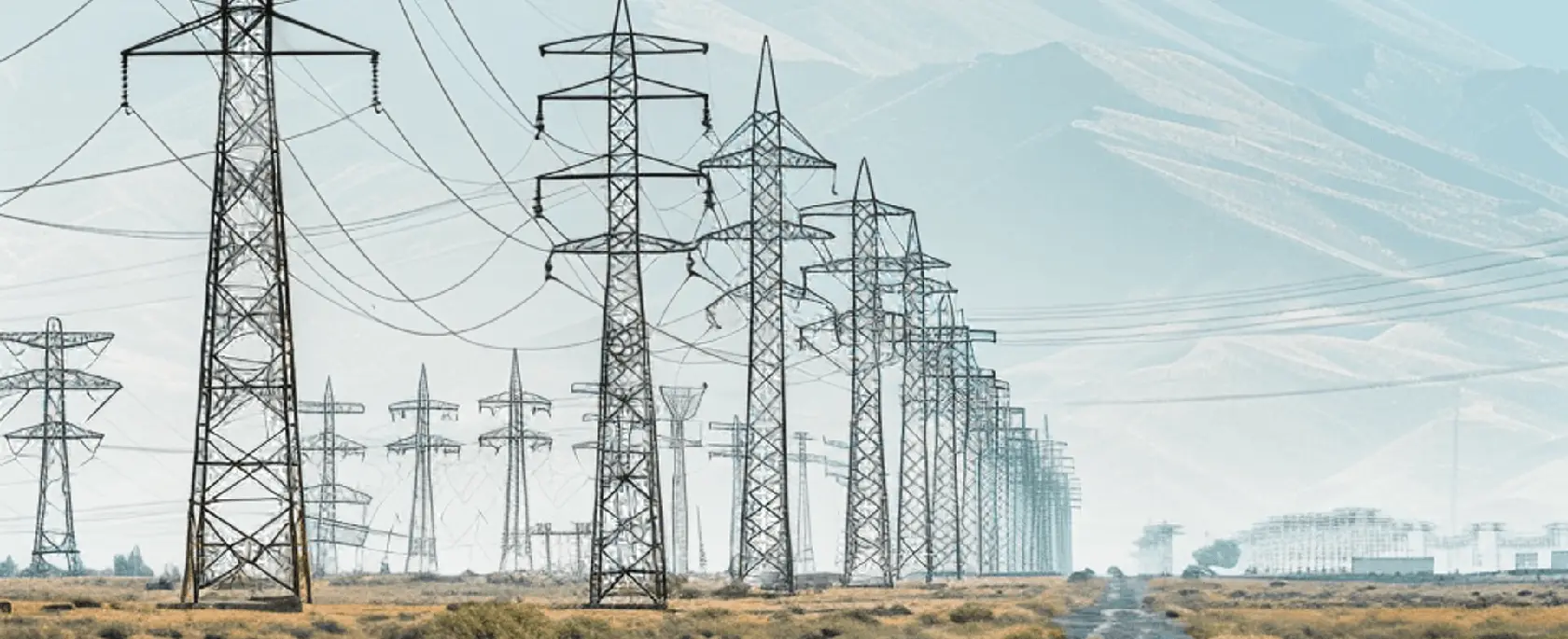
As one of the partners of State Grid, Linde Cable has jointly promoted the construction of large-scale cables in northeastern Brazil, covering 10 states in the northeast and integrating them into the Brazilian national grid. The investment is more than US$600 million, with a total length of about 1,930 kilometers for 9 cable lines and 3 secondary power stations.

Data Center Renewable Energy Cable

Linde Cable provides power cables and fire-resistant cables for the construction of CIMC TEMSA factory in Indonesia. The investment amount is about hundreds of millions of US dollars. It aims to provide stable power supply, create jobs, promote local economic development and promote technology transfer.

Telecommunications Infrastructure Solar Cable

Linde Cable is participating in a project to upgrade cable facilities along the cross-border highway in northeastern Thailand. The total investment is approximately several billion RMB, with a focus on charging piles, service center power supply networks, etc. The project will significantly improve the power infrastructure in the cross-border self-driving tourism area in the northeast.

Solar Photovoltaic Telecommunications Cable

Linde Cable participated in the photovoltaic park cable project in Pakistan, providing customized cables to solve the material aging problem caused by the large temperature difference between day and night in the desert area. The covered areas mainly include Punjab Province, Sindh Province and Balochistan Province, and the total length of the transmission line can reach hundreds or even thousands of kilometers.

Data Center Fire-Resistant Solar Cable

Linde Cable provides certified fire-resistant and flame-retardant cables for the construction of logistics parks in Thailand, such as storage centers and live broadcast bases. The investment amount reaches hundreds of millions of RMB, in order to improve the operational efficiency of e-commerce logistics parks and meet the market demand and social progress of Thailand.

New Energy Telecommunications Infrastructure

Linde Cable participated in the Indonesian new energy factory cable project and provided it with several types of cables, all of which passed Indonesia's harsh environmental tests (such as high temperature resistance and moisture resistance). The total amount of this project is 1.34 billion yuan, supporting Indonesia's power grid upgrade, promoting new energy, smart cities and infrastructure upgrades, and promoting urban development.

Complete Solar Cable Product Series

Comprehensive solutions for telecommunications and data center solar installations

60227 IEC 01 BV Single-core non-sheathed cable with rigid conductor for general purposes

60227 IEC 01 BV Single-core non-sheathed cable ...

60227 IEC 05 BV Single-core non-sheathed cable with solid conductor for internal wiring for a conductor temperature of 70 °C

60227 IEC 05 BV Single-core non-sheathed cable ...

60227 IEC 07 BV-90°C Single-core non-sheathed cable with solid conductor for internal wiring for a conductor temperature of 90 °C

60227 IEC 07 BV-90°C Single-core non-sheathed c...

60227 IEC 02 RV Single-core non-sheathed cable with flexible conductor for general purposes

60227 IEC 02 RV Single-core non-sheathed cable ...

60227 IEC 06 RV Single-core non-sheathed cable with flexible conductor for internal wiring for a conductor temperature of 70 °C

60227 IEC 06 RV Single-core non-sheathed cable ...

60227 IEC 08 RV-90°C Single-core non-sheathed cable with flexible conductor for internal wiring for a conductor temperature of 90 °C.

60227 IEC 08 RV-90°C Single-core non-sheathed c...

60227 IEC 10 BVV Light polyvinyl chloride sheathed cable

60227 IEC 10 BVV Light polyvinyl chloride sheat...

60227 IEC 52 RVV Light polyvinyl chloride sheathed cord

60227 IEC 52 RVV Light polyvinyl chloride sheat...