The global industrial manufacturing sector is undergoing a transformative shift towards sustainable energy solutions, with solar power emerging as a cornerstone of this revolution. As industries worldwide face mounting pressure to reduce carbon footprints while maintaining operational efficiency, good solar panels for industrial manufacturing have become not just an environmental choice, but a strategic business imperative.
Industrial manufacturing facilities consume approximately 54% of global electricity, making them prime candidates for solar energy integration. The adoption of high-quality solar panels in industrial settings has grown exponentially, with the industrial solar market projected to reach $8.2 billion by 2027, representing a compound annual growth rate of 6.8%. This surge is driven by declining solar panel costs, improved efficiency rates, and increasingly favorable regulatory frameworks.
Modern industrial manufacturing operations demand reliable, cost-effective power solutions that can support heavy machinery, automated systems, and continuous production cycles. Good solar panels for industrial manufacturing must meet stringent requirements including high efficiency ratings (typically 20-22%), durability under harsh conditions, and compatibility with existing electrical infrastructure. Leading manufacturers are now integrating solar installations ranging from rooftop arrays to ground-mounted systems spanning multiple acres.
Key Statistic: Industrial facilities with solar installations report average energy cost reductions of 30-50% within the first five years, with payback periods typically ranging from 4-7 years depending on location and incentive programs.
The versatility of good solar panels for industrial manufacturing extends across diverse applications. Automotive manufacturing plants utilize solar arrays to power assembly lines and robotic systems. Textile factories leverage solar energy for heating processes and machinery operation. Food processing facilities employ solar installations for refrigeration systems and packaging operations. Each application requires specialized cable infrastructure to ensure safe, efficient power transmission from solar arrays to manufacturing equipment.
Semiconductor fabrication plants, which require enormous amounts of clean, stable power, are increasingly turning to solar solutions combined with battery storage systems. These facilities benefit from solar energy's predictability and the reduced electromagnetic interference compared to traditional grid power, which can affect sensitive manufacturing processes.
Industrial facilities are increasingly pairing solar panels with advanced battery storage systems, enabling 24/7 operation independence and protection against grid instability. This trend is particularly prominent in regions with unreliable grid infrastructure or high demand charges.
IoT-enabled solar installations allow real-time performance monitoring, predictive maintenance, and optimization of energy distribution across manufacturing processes. AI algorithms now predict production patterns and adjust solar energy allocation accordingly.
Large industrial complexes are developing on-site microgrids that integrate solar power with traditional sources, creating resilient, flexible power systems that can operate independently or in conjunction with the main grid.
Forward-thinking manufacturers are designing solar installations with end-of-life recycling in mind, ensuring that panels, inverters, and cables can be efficiently recovered and repurposed, aligning with broader sustainability goals.
Steel mills, aluminum smelters, and metal fabrication facilities represent some of the most energy-intensive industrial operations. Good solar panels for industrial manufacturing in these sectors must withstand extreme conditions including high temperatures, dust, and potential chemical exposure. Modern installations often feature bifacial solar panels that capture reflected light from metallic surfaces, increasing energy yield by 15-25%. The cable infrastructure must support high amperage loads and resist corrosion from industrial atmospheres.
These industries require ultra-reliable power for critical processes and climate control systems. Solar installations in chemical plants often incorporate redundant systems and specialized grounding to prevent static buildup. Pharmaceutical facilities benefit from solar power's consistency for maintaining strict environmental controls in clean rooms and storage areas. Cable systems must meet stringent safety standards including flame-retardant and low-smoke properties.
The production of semiconductors, circuit boards, and electronic components demands exceptionally clean, stable power. Solar energy systems for these facilities often include sophisticated power conditioning equipment and are integrated with uninterruptible power supplies (UPS). The cable infrastructure utilizes shielded designs to minimize electromagnetic interference that could affect sensitive manufacturing equipment.
Industry Insight: Leading electronics manufacturers report that solar installations have reduced power quality issues by 40% compared to grid-only power, resulting in fewer production defects and improved yield rates.
Industrial-grade solar panels achieve 20-22% efficiency, maximizing energy generation in limited roof space while supporting continuous manufacturing operations.
Engineered to withstand industrial environments with 25-30 year warranties, resisting temperature extremes, vibration, and chemical exposure common in manufacturing facilities.
Reduces operational energy costs by 30-50%, with ROI typically achieved within 5-7 years, improving manufacturing competitiveness and profit margins.
Significantly reduces carbon footprint, helping manufacturers meet ESG goals and regulatory requirements while enhancing corporate reputation.
Provides energy security and protection against grid outages and price volatility, ensuring uninterrupted manufacturing operations.
Modular design allows phased implementation and easy expansion as manufacturing capacity grows, with flexible financing options available.
The adoption of good solar panels for industrial manufacturing varies significantly across global regions. Asia-Pacific leads in installation volume, driven by China's manufacturing dominance and aggressive renewable energy policies. India's "Make in India" initiative has spurred solar adoption in textile, automotive, and electronics manufacturing. Southeast Asian nations, particularly Vietnam and Thailand, are experiencing rapid growth as manufacturers relocate and modernize facilities with integrated solar systems.
In North America, the Inflation Reduction Act has catalyzed industrial solar investments through enhanced tax credits and domestic content incentives. European manufacturers face stringent carbon pricing mechanisms, making solar adoption increasingly economical. The Middle East and North Africa are emerging markets, with industrial facilities leveraging abundant solar resources to reduce dependence on fossil fuels.
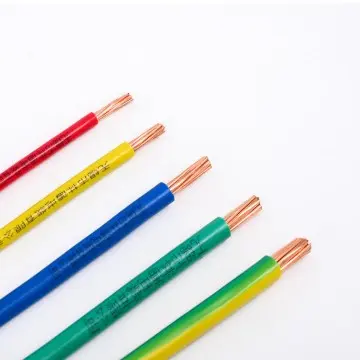
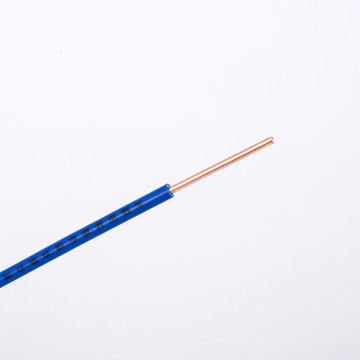
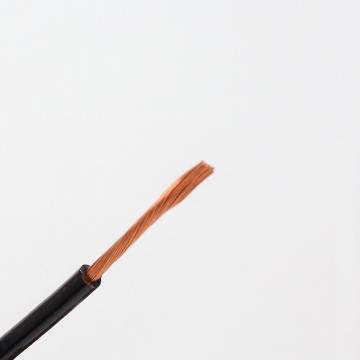
Successful implementation of good solar panels for industrial manufacturing requires comprehensive electrical infrastructure planning. This includes properly rated cables capable of handling DC power from solar arrays and AC power after inversion. Cable selection must account for voltage drop calculations, ambient temperature ratings, and environmental factors specific to industrial settings.
Grounding and lightning protection systems are critical, particularly for large ground-mounted arrays. Industrial solar installations typically require cables with enhanced UV resistance, oil resistance, and mechanical strength to withstand the rigors of manufacturing environments. Proper cable management systems ensure safety, facilitate maintenance, and optimize system performance over the 25-30 year operational lifespan.
The future of good solar panels for industrial manufacturing is characterized by continuous technological advancement and deeper integration with Industry 4.0 concepts. Emerging technologies such as perovskite solar cells promise efficiency gains beyond 30%, while tandem cell designs combine multiple materials to capture broader spectrum ranges. These innovations will enable even greater energy generation in space-constrained industrial facilities.
Artificial intelligence and machine learning are revolutionizing solar system management, with predictive algorithms optimizing energy distribution based on manufacturing schedules, weather forecasts, and grid conditions. Digital twin technology allows manufacturers to simulate and optimize solar installations before physical implementation, reducing costs and improving performance outcomes.
The convergence of solar energy, energy storage, electric vehicle charging infrastructure, and hydrogen production is creating comprehensive energy ecosystems within industrial facilities. These integrated systems not only power manufacturing operations but also support fleet electrification and generate renewable hydrogen for industrial processes or energy storage.
Government policies worldwide increasingly favor industrial solar adoption through various mechanisms including investment tax credits, accelerated depreciation, renewable energy certificates, and carbon pricing. Many jurisdictions now mandate renewable energy usage percentages for large industrial facilities, while others offer preferential grid connection terms for solar-equipped manufacturers.
International standards organizations continue refining guidelines for solar installations in industrial settings, addressing safety, performance, and interoperability requirements. Compliance with these evolving standards requires high-quality components, including properly certified cables and electrical infrastructure, ensuring long-term system reliability and safety.
Overview of the Electromechanical Engineering Cable for Hunan Luci Expressway of China Railway - As a response to China Railway's tender for suppliers of electromechanical cables for Hunan Luci Expressway, Linde Cable participated in this cable project. After that, we served as a material supplier and also needed to maintain the line, such as replacing more than 70 kilometers of cables and accessories.
Linde Cable provided 20 million worth of wires and cables for the overall relocation project of Chongzuo Traditional Chinese Medicine Hospital of China Construction Second Engineering Bureau. The service area of this cooperation covers approximately 150,000 square meters, including the outpatient building, inpatient department, administrative office area and other ancillary facilities of the new hospital, ensuring the safe, stable and efficient power supply of the entire medical complex.
As a partner of listed company Shandong Sacred Sun Power Supply, Linde Cable has provided it with cable products with a total value of more than RMB 10 million, covering high-performance cables, charging and discharging input wires and other types, fully meeting the company's diverse needs in power equipment manufacturing and new energy fields.
As one of the partners of State Grid, Linde Cable has jointly promoted the construction of large-scale cables in northeastern Brazil, covering 10 states in the northeast and integrating them into the Brazilian national grid. The investment is more than US$600 million, with a total length of about 1,930 kilometers for 9 cable lines and 3 secondary power stations.
Linde Cable provides power cables and fire-resistant cables for the construction of CIMC TEMSA factory in Indonesia. The investment amount is about hundreds of millions of US dollars. It aims to provide stable power supply, create jobs, promote local economic development and promote technology transfer.
Linde Cable is participating in a project to upgrade cable facilities along the cross-border highway in northeastern Thailand. The total investment is approximately several billion RMB, with a focus on charging piles, service center power supply networks, etc. The project will significantly improve the power infrastructure in the cross-border self-driving tourism area in the northeast.
Linde Cable participated in the photovoltaic park cable project in Pakistan, providing customized cables to solve the material aging problem caused by the large temperature difference between day and night in the desert area. The covered areas mainly include Punjab Province, Sindh Province and Balochistan Province, and the total length of the transmission line can reach hundreds or even thousands of kilometers.
Linde Cable provides certified fire-resistant and flame-retardant cables for the construction of logistics parks in Thailand, such as storage centers and live broadcast bases. The investment amount reaches hundreds of millions of RMB, in order to improve the operational efficiency of e-commerce logistics parks and meet the market demand and social progress of Thailand.
Linde Cable participated in the Indonesian new energy factory cable project and provided it with several types of cables, all of which passed Indonesia's harsh environmental tests (such as high temperature resistance and moisture resistance). The total amount of this project is 1.34 billion yuan, supporting Indonesia's power grid upgrade, promoting new energy, smart cities and infrastructure upgrades, and promoting urban development.