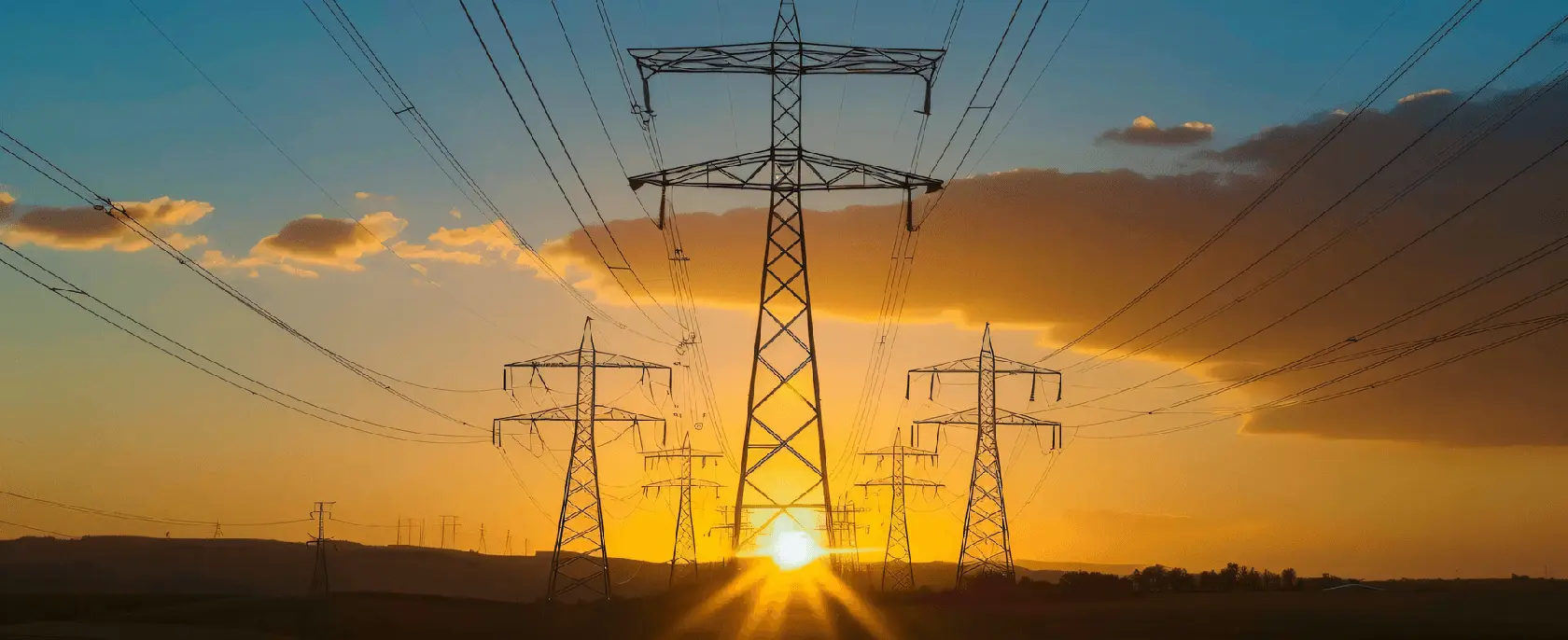
The integration of solar panels in construction and real estate sectors represents a transformative shift towards sustainable development. As global energy demands rise and environmental concerns intensify, solar technology has become an essential component of modern building infrastructure.
The global solar energy market in construction is projected to reach $223.3 billion by 2026, driven by increasing adoption of green building standards, government incentives, and declining installation costs. Commercial and residential real estate developers are increasingly incorporating solar panels as standard features.
Building codes worldwide are evolving to mandate renewable energy integration. Net-zero energy buildings are becoming the norm in many jurisdictions, requiring developers to implement solar solutions. Tax credits, rebates, and accelerated depreciation make solar installations financially attractive for property owners.
Modern solar panels offer higher efficiency rates (20-22%), improved durability, and aesthetic integration options like building-integrated photovoltaics (BIPV). Smart monitoring systems and energy storage solutions enhance the value proposition for construction and real estate applications.
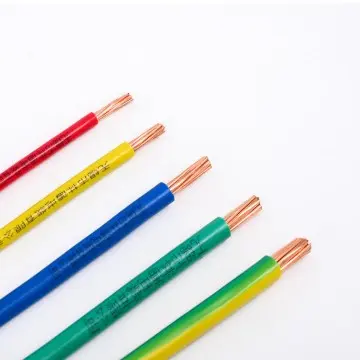
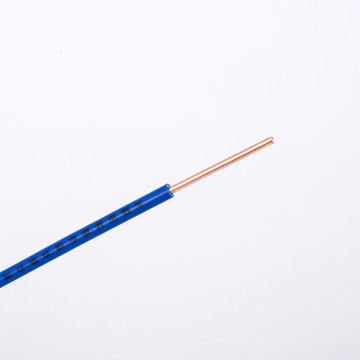
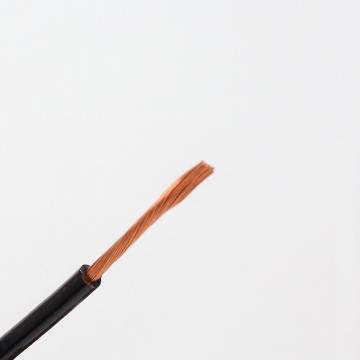
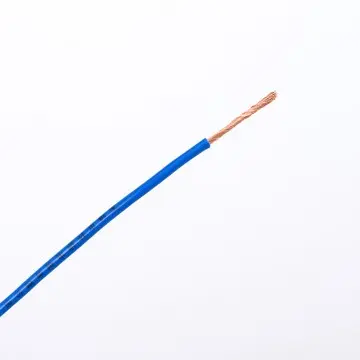
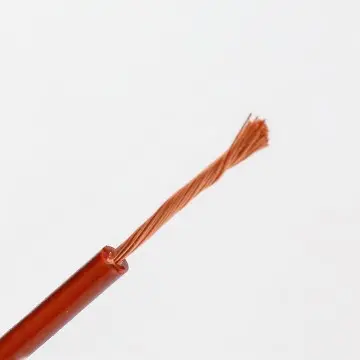
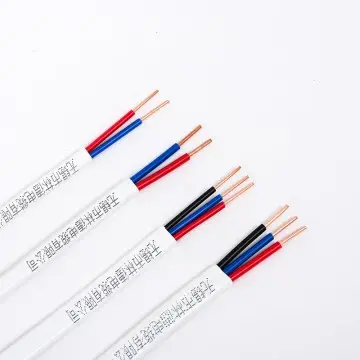
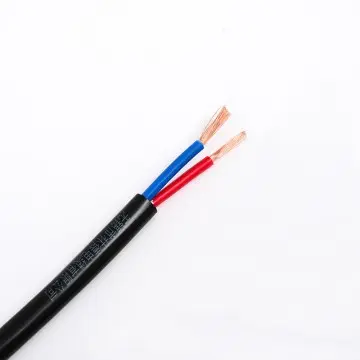
High-performance wiring systems designed specifically for solar panel installations in construction and real estate projects
Understanding the evolving landscape of solar integration in construction and real estate
Large-scale commercial buildings are leading solar adoption with rooftop installations averaging 500kW-2MW capacity. Office complexes, shopping centers, and industrial facilities utilize solar to reduce operational costs by 30-50%. Advanced cable management systems ensure safety and efficiency in these high-demand environments.
Solar-equipped homes command 4-6% premium in property values. New housing developments increasingly include solar as standard, with community solar gardens becoming popular in multi-family properties. Simplified installation processes and 25-year warranties make solar attractive to homebuyers and developers alike.
Smart cities integrate solar infrastructure at the planning stage, incorporating panels into facades, parking structures, and public spaces. BIPV technology allows architects to design aesthetically pleasing solar solutions that blend seamlessly with modern architecture while generating substantial power.
Battery storage systems paired with solar installations provide energy independence and grid resilience. Construction projects now routinely include provisions for future battery integration, requiring robust electrical infrastructure and specialized cabling capable of handling bidirectional power flow.
Power Purchase Agreements (PPAs) and solar leasing remove upfront cost barriers for property owners. Real estate investment trusts (REITs) are increasingly investing in solar portfolios, recognizing long-term value creation. Payback periods have shortened to 5-8 years in many markets.
LEED, BREEAM, and other green building certifications heavily weight renewable energy integration. Properties with solar installations achieve higher certification levels, attracting environmentally conscious tenants and commanding premium rents. Corporate ESG commitments drive demand for certified green buildings.
Quality cabling is the backbone of any solar installation. In construction and real estate applications, cables must withstand extreme temperatures (-40°C to +90°C), UV exposure, moisture, and mechanical stress over 25+ year lifespans. Our specialized solar cables meet international standards including IEC, UL, and TÜV certifications, ensuring safety, reliability, and optimal energy transmission in demanding building environments.
Comprehensive analysis of solar cable requirements across different construction and real estate contexts
Multi-story residential buildings present unique challenges including long cable runs from rooftop arrays to individual units, requiring low-resistance conductors to minimize power loss. Fire-resistant cables are mandatory for vertical shaft installations. Smart metering systems enable individual unit billing while maintaining centralized management. Cable sizing must account for future expansion as residents add EV charging and other electrical loads.
Large roof areas on warehouses and factories provide ideal solar real estate, often hosting 1-5MW installations. Heavy-duty cables must handle high current loads while resisting industrial environmental factors like chemical exposure, vibration, and extreme temperatures. Flexible cable routing accommodates roof-mounted equipment and maintenance access. Rapid shutdown systems require specialized control wiring for safety compliance.
Combining residential, commercial, and retail spaces requires sophisticated electrical design with separate metering and distribution systems. Solar installations serve multiple tenant types with varying consumption patterns. Cable infrastructure must support dynamic load management, energy sharing between zones, and integration with building management systems. Color-coded and labeled cabling simplifies maintenance in complex environments.
Adding solar to existing buildings demands creative cable routing through occupied spaces with minimal disruption. Conduit systems protect cables while maintaining aesthetic standards. Compatibility with aging electrical infrastructure requires careful assessment and potential upgrades. Modular cable systems allow phased installation matching construction schedules and budgets.
Large real estate developments incorporate ground-mounted solar farms on unused land parcels. Underground cable burial requires moisture-resistant jacketing and protection from ground movement. Direct burial cables eliminate conduit costs in suitable soil conditions. Proper grounding and lightning protection systems prevent electrical faults and equipment damage.
Solar carports and parking canopies serve dual purposes: weather protection and power generation. Exposed installations demand UV-resistant cables rated for outdoor use. Cable management systems must accommodate vehicle traffic patterns and clearance requirements. Integration with EV charging infrastructure requires coordinated electrical planning and adequate circuit capacity.
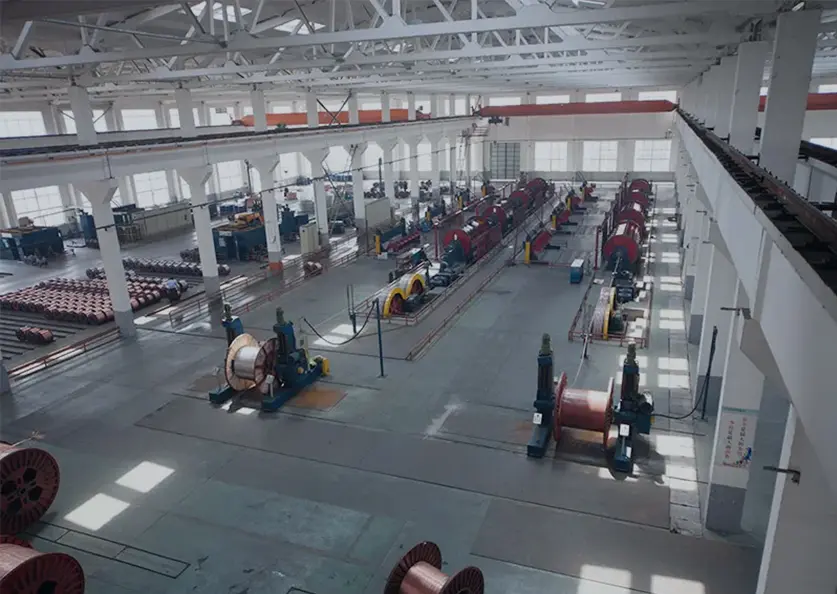
Linde Cable Co., Ltd. (hereinafter referred to as Linde Cable) was founded in year 2006, is a manufacturer specializing in the production of high-quality wires and cables, serving industries such as power transmission, telecommunications, construction, and renewable energy. With a steadfast commitment to quality and integrity, we ensure that every product meets international standards and exceeds customer expectations. Our dedication to innovation, sustainability, and reliable performance has established us as a trusted partner in the global market.
Explore more
Proven excellence in delivering cable solutions for major construction and renewable energy projects worldwide
Overview of the Electromechanical Engineering Cable for Hunan Luci Expressway of China Railway. As a response to China Railway's tender for suppliers of electromechanical cables for Hunan Luci Expressway, Linde Cable participated in this cable project. After that, we served as a material supplier and also needed to maintain the line, such as replacing more than 70 kilometers of cables and accessories.
Linde Cable provided 20 million worth of wires and cables for the overall relocation project of Chongzuo Traditional Chinese Medicine Hospital of China Construction Second Engineering Bureau. The service area of this cooperation covers approximately 150,000 square meters, including the outpatient building, inpatient department, administrative office area and other ancillary facilities of the new hospital, ensuring the safe, stable and efficient power supply of the entire medical complex.
As a partner of listed company Shandong Sacred Sun Power Supply, Linde Cable has provided it with cable products with a total value of more than RMB 10 million, covering high-performance cables, charging and discharging input wires and other types, fully meeting the company's diverse needs in power equipment manufacturing and new energy fields.
As one of the partners of State Grid, Linde Cable has jointly promoted the construction of large-scale cables in northeastern Brazil, covering 10 states in the northeast and integrating them into the Brazilian national grid. The investment is more than US$600 million, with a total length of about 1,930 kilometers for 9 cable lines and 3 secondary power stations.
Linde Cable provides power cables and fire-resistant cables for the construction of CIMC TEMSA factory in Indonesia. The investment amount is about hundreds of millions of US dollars. It aims to provide stable power supply, create jobs, promote local economic development and promote technology transfer.
Linde Cable is participating in a project to upgrade cable facilities along the cross-border highway in northeastern Thailand. The total investment is approximately several billion RMB, with a focus on charging piles, service center power supply networks, etc. The project will significantly improve the power infrastructure in the cross-border self-driving tourism area in the northeast.
Linde Cable participated in the photovoltaic park cable project in Pakistan, providing customized cables to solve the material aging problem caused by the large temperature difference between day and night in the desert area. The covered areas mainly include Punjab Province, Sindh Province and Balochistan Province, and the total length of the transmission line can reach hundreds or even thousands of kilometers.
Linde Cable provides certified fire-resistant and flame-retardant cables for the construction of logistics parks in Thailand, such as storage centers and live broadcast bases. The investment amount reaches hundreds of millions of RMB, in order to improve the operational efficiency of e-commerce logistics parks and meet the market demand and social progress of Thailand.
Linde Cable participated in the Indonesian new energy factory cable project and provided it with several types of cables, all of which passed Indonesia's harsh environmental tests (such as high temperature resistance and moisture resistance). The total amount of this project is 1.34 billion yuan, supporting Indonesia's power grid upgrade, promoting new energy, smart cities and infrastructure upgrades, and promoting urban development.
A professional manufacturer of high-quality wires and cables, serving industries such as power transmission, telecommunications, construction, and renewable energy.