China Top Power Cable Types for Global Buyers?
China has established itself as a key player in the global power cable market. For buyers worldwide, understanding the various "Power Cable Types" produced in China is crucial. This knowledge can shape purchasing decisions and influence project outcomes.
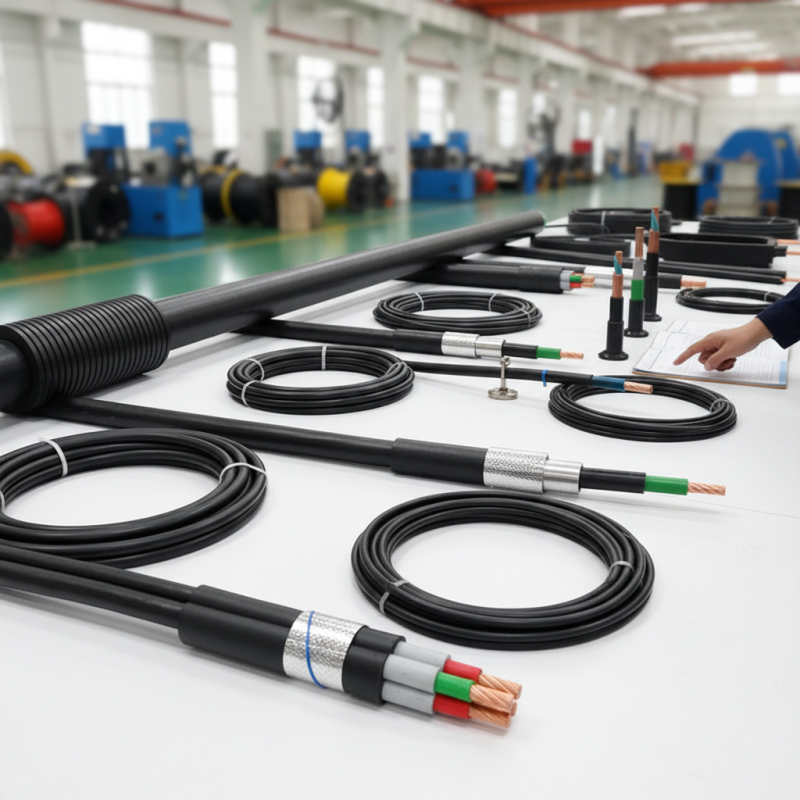
In this landscape, different types of power cables, such as low-voltage, medium-voltage, and high-voltage cables, cater to diverse needs. Buyers must navigate specifications, materials, and applications. Choosing the wrong type can lead to inefficiencies or even project failures. Even among the best, variability in quality can create challenges.
Buyers should assess their needs carefully. Not all manufacturers maintain the same standards. By researching and asking questions, buyers can make informed choices. This diligence can prevent disappointment and drive successful projects in the long run. Understanding the power cable types available in China can create opportunities and foster reliable business relationships.
China's Leading Power Cable Types for International Markets
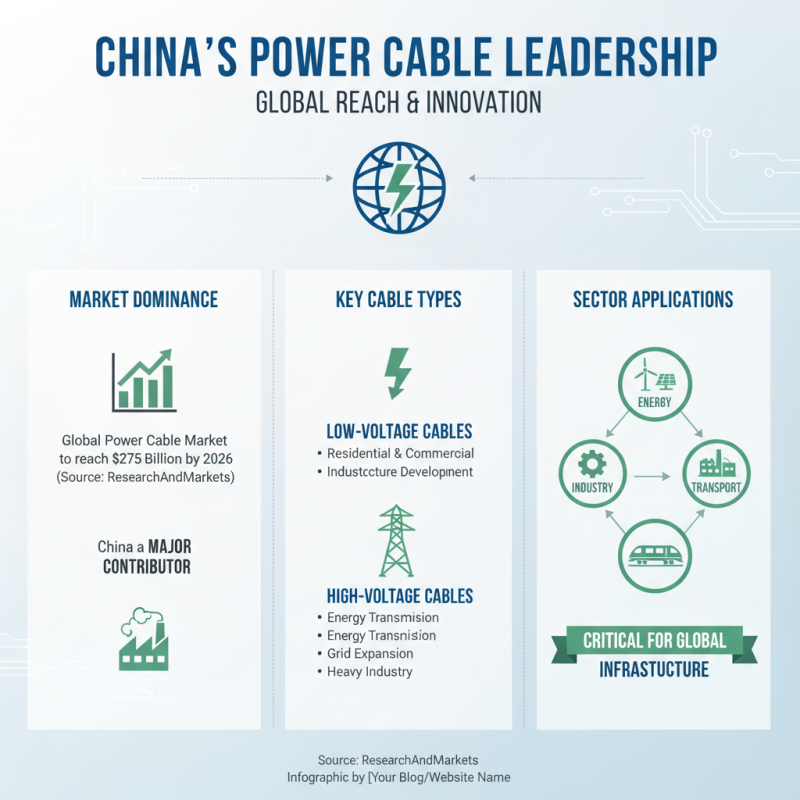
China stands as a powerhouse in the global power cable market. Its diverse offerings cater to various sectors, including energy, industrial, and transport. A report by ResearchAndMarkets indicates that the global power cable market is expected to reach $275 billion by 2026, with a significant contribution from Chinese manufacturers. The country excels in producing low-voltage and high-voltage cables, which are pivotal for infrastructure development.
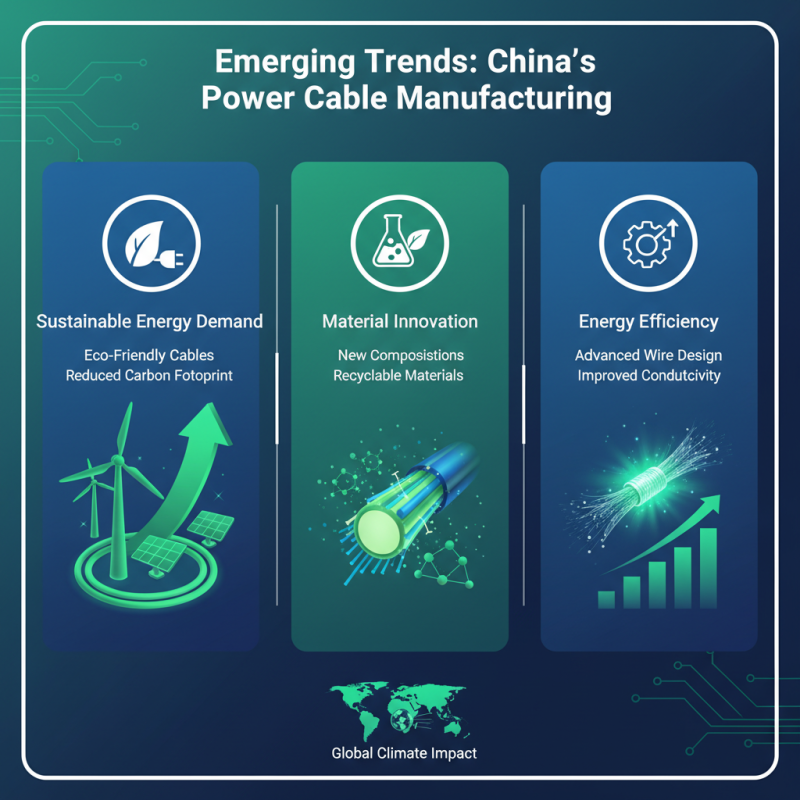
Among the popular types are XLPE cables and PVC insulated cables. XLPE cables, known for their high thermal resistance, are vital in high-performance applications. Reports also highlight that demand for these cables is driven by advancements in renewable energy projects. Moreover, PVC insulated cables are favored for their cost-effectiveness and versatility. They play a crucial role in urban infrastructure, contributing to the smart city concept.
Tips: When sourcing cables, consider thermal performance and insulation type. Verify suppliers' quality certifications to ensure compliance with international standards. Always assess the specific needs of your projects. Understanding the local market trends can also provide insights into potential challenges or opportunities.
Key Features of Chinese Power Cables for Global Buyers
When considering power cables from China, several key features stand out for global buyers. High quality and affordability are often highlighted. Chinese manufacturers are recognized for their ability to produce cables that meet various international standards. Reports indicate that around 70% of cable exports from China are compliant with IEC and UL certifications. This compliance is a crucial factor for buyers seeking reliability.
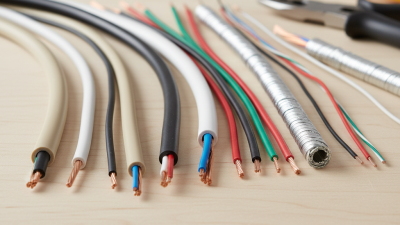
Another important aspect is the variety of materials used in the production of power cables. For instance, many cables are made using copper or aluminum conductors. This choice affects both conductivity and overall durability. According to recent industry research, copper cables have a lower resistance, making them preferable for power transmission. Conversely, aluminum cables offer a lightweight alternative at a lower cost.
However, buyers often face challenges. Not every manufacturer maintains the same quality across their product lines. This inconsistency can lead to confusion for buyers less familiar with the specifics of power cables. It is essential to do thorough research and verify supplier credentials. Understanding local regulations is also critical, as these can impact the suitability of cables for specific applications.
Applications of Chinese Power Cables in Various Industries
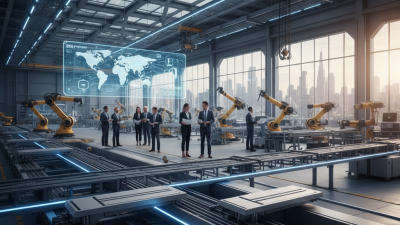
Chinese power cables are becoming essential in various industries. Their applications range from construction to renewable energy. In construction, these cables ensure reliable electricity supply for heavy machinery. This improves productivity on-site and minimizes downtime.
In the renewable energy sector, Chinese power cables are crucial for wind and solar farms. They connect turbines and solar panels to the grid, boosting efficiency. However, challenges exist. The performance of cables can vary in different environments. Some cables may not withstand extreme temperatures. This raises concerns about longevity and safety.
The transportation industry also benefits from these cables. They power electric rail systems and charging stations for electric vehicles. Yet, the installation process can be complex. Proper training and techniques are necessary to avoid failures. Overall, there is still room for improvement in quality control to meet global standards.
Quality Standards and Certifications for Chinese Power Cables
When sourcing power cables from China, understanding quality standards is crucial. Different regions have varied requirements. Regulations often include safety and environmental criteria. It's essential for buyers to recognize these norms before making commitments.
Certifications like IEC, UL, and CE can indicate compliance with international standards. These marks assure quality, but not all manufacturers prioritize them. Some cables may lack proper testing. Buyers should validate these certifications to avoid issues down the line.
Moreover, keeping an eye on local standards can be beneficial. Quality control processes differ between manufacturers. It sometimes reflects a gap in production practices. Engaging with reputable suppliers can help bridge this gap. End users must remain vigilant to mitigate risks in quality and safety.