Top Lv Cable Tips for Optimal Performance and Safety?
In today's electrical systems, the importance of choosing the right Lv cable cannot be overstated. These cables are essential for delivering power safely and efficiently. A well-selected Lv cable can significantly enhance performance while minimizing risks.
Many users overlook critical aspects of Lv cable installation and maintenance. Choosing the wrong specifications can lead to overheating and even fire hazards. Often, people are not aware of the significance of proper insulation and cable ratings. This lack of knowledge can result in costly mistakes and unsafe conditions.
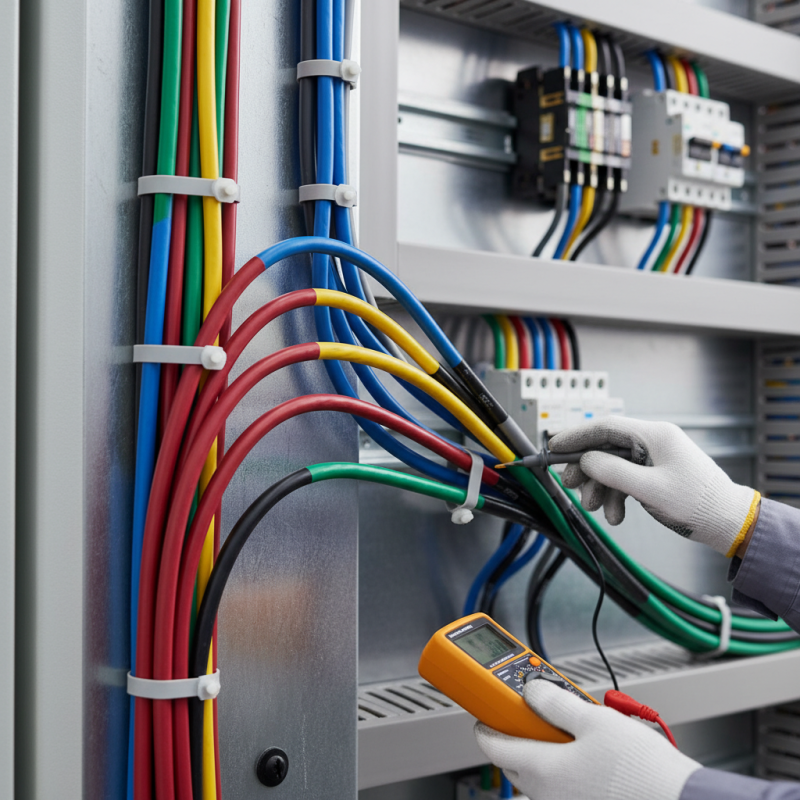
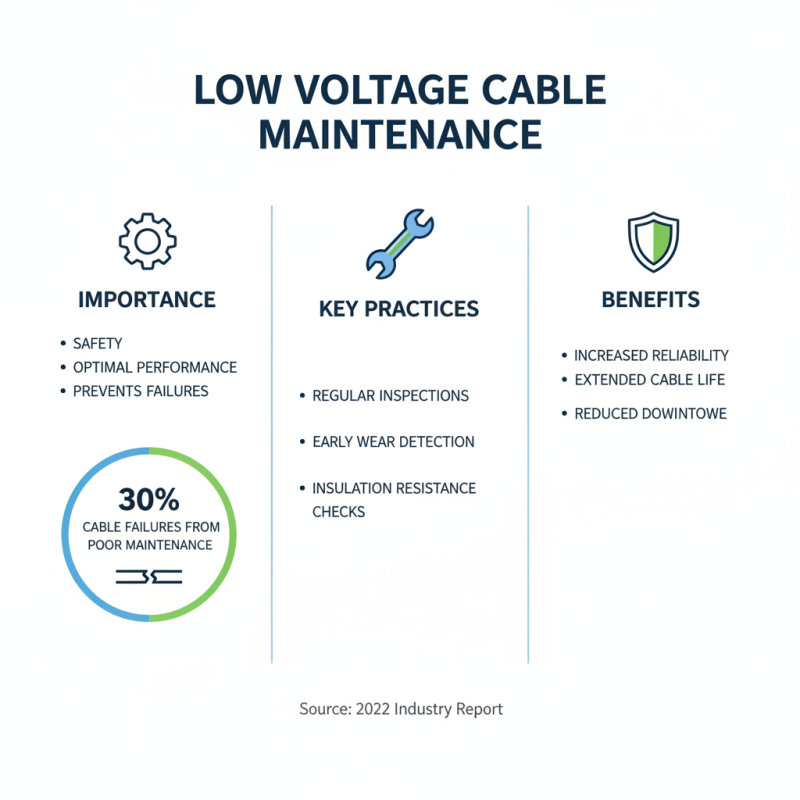
It is essential to continuously evaluate your Lv cable setup. Regular inspections can reveal wear or damage that may otherwise go unnoticed. Engaging with professionals can also provide insights that improve both safety and efficiency. Prioritizing optimal performance requires attention and a willingness to learn from past oversights.
Top Considerations for Selecting LV Cables for Safety Compliance
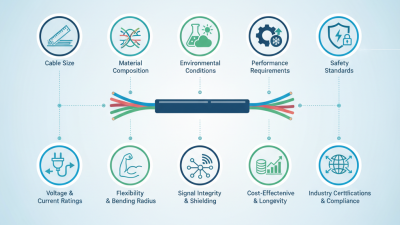
When selecting low voltage (LV) cables, safety compliance is key. One must consider the insulation type carefully. Insulation protects against electrical hazards. Different environments require different materials. For example, wet conditions need moisture-resistant insulation.
Another crucial aspect is the cable's ampacity. Choosing a cable with insufficient ampacity can lead to overheating. This oversight can cause serious safety risks. Always check the cable's ratings against the intended load. Also, remember that installed length affects performance. Longer runs may necessitate a larger gauge.
Don’t overlook the importance of junction boxes. Proper protection is essential where cables connect. Insecure connections can pose risks. Regular inspections are vital. Address issues like frayed wires or loose fittings promptly. Relying on visual checks alone—while necessary—might not be enough for long-term safety.
Understanding LV Cable Ratings: Voltage, Current Capacity, and Applications
Understanding low voltage (LV) cable ratings is crucial for ensuring optimal performance and safety. Voltage ratings typically range from 0.6/1 kV to 36 kV. The high-voltage levels may seem daunting, but many applications rely on cables rated around 1 kV. In fact, the International Electrotechnical Commission reports that over 70% of installations use LV cables rated between 690V and 1kV.
Current capacity is another vital factor. Many LV cables are designed to carry steady currents up to 400A. However, the actual capacity can vary based on installation conditions. Studies indicate that a poorly installed cable can reduce its capacity by 20% or more. It's also essential to consider derating factors like temperature, grouping, and length. For instance, grouping can increase heat, leading to potential cable failure.
Applications for LV cables are diverse, from residential wiring to industrial machinery. Yet, awareness around safety standards often falls short. According to a survey by the Electrical Safety Foundation, nearly 30% of electrical professionals admit to underestimating cable ratings. This oversight can lead to severe risks, including overheating and electrical fires. Ensuring that cables meet the appropriate ratings is not merely a guideline but a necessity to avoid catastrophic results.
Top LV Cable Tips for Optimal Performance and Safety
| Cable Type |
Voltage Rating (kV) |
Current Capacity (A) |
Application |
| PVC Insulated Cable |
0.6/1 |
16-630 |
Power Distribution |
| XLPE Insulated Cable |
0.6/1 |
16-800 |
Industrial Applications |
| Armoured Cable |
0.6/1 |
16-630 |
Direct Burial |
| Low Smoke Zero Halogen (LSZH) Cable |
0.6/1 |
16-300 |
Public Buildings |
| Flexible Cable |
0.6/1 |
16-400 |
Mobile Equipment |
Essential Installation Practices for Enhanced LV Cable Longevity
When it comes to low voltage (LV) cable installations, proper practices significantly enhance the longevity of the cables. According to a report by the International Electrotechnical Commission (IEC), poor installation can reduce cable life by as much as 50%. A typical mistake is neglecting proper cable bending radii. Bending cables too tightly can compromise their integrity and lead to premature failure.
The environment plays a crucial role as well. Factors like temperature, moisture, and chemical exposure can degrade cables over time. The National Electrical Manufacturers Association (NEMA) highlights that maintaining optimal temperatures is essential. Cables should not be exposed to extreme heat or cold, as high temperatures can accelerate insulation breakdown. Installing cables in protective conduits can help mitigate these risks.
Regular inspection is also vital. Many installations overlook this step, which can lead to minor issues escalating into major failures. Research shows that 30% of LV cable faults arise from insulation damage easily preventable through routine checks. These practices should not be seen as optional but essential for safety and performance. Simple measures can significantly extend the lifespan of LV cables, making it crucial for technicians to adopt a proactive mindset in their maintenance approach.
Common LV Cable Failure Modes and How to Prevent Them
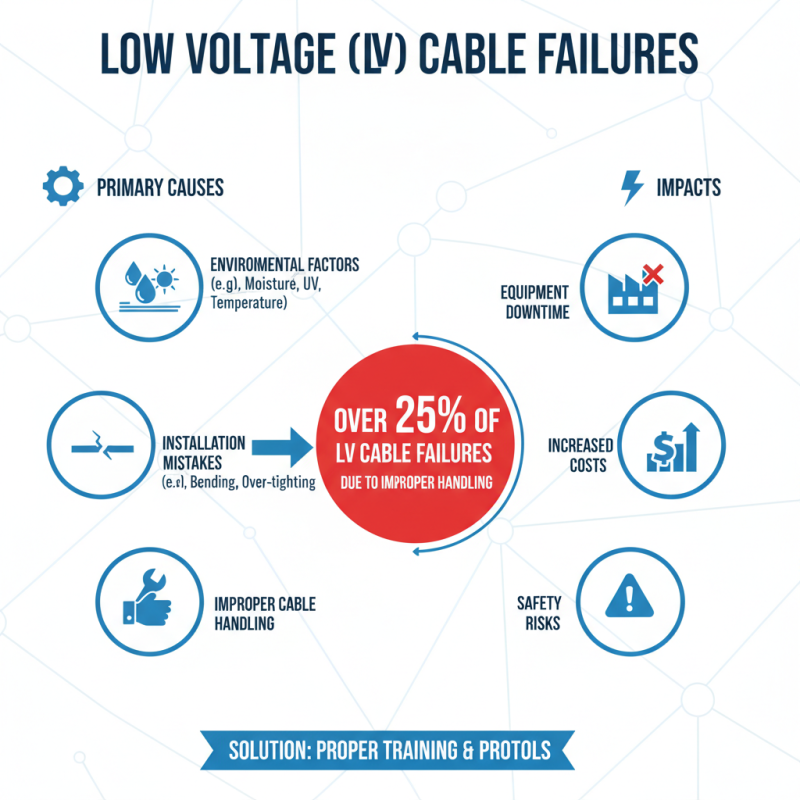
Low voltage (LV) cables are critical in various applications. Yet, they often face failure due to environmental factors and installation mistakes. According to industry reports, improper cable handling leads to over 25% of LV cable failures.
One common failure mode is insulation breakdown. Moisture and heat can cause deterioration. Regular inspections can prevent this issue. Ensure there are no signs of wear or damage. A simple visual check can save time and money.
Another significant failure mode is mechanical stress. If cables are improperly installed, they can bend or twist. This creates weak points that may lead to failure. Avoid sharp bends and use the correct fittings. Training employees about proper handling and installation is crucial. Use protective measures, like conduits, to shield from physical damage.
In summary, understanding and preventing LV cable failures can enhance safety and efficiency. Regular maintenance and proper handling are key to optimal performance.