Top 10 Home Electrical Wire Types You Need to Know?
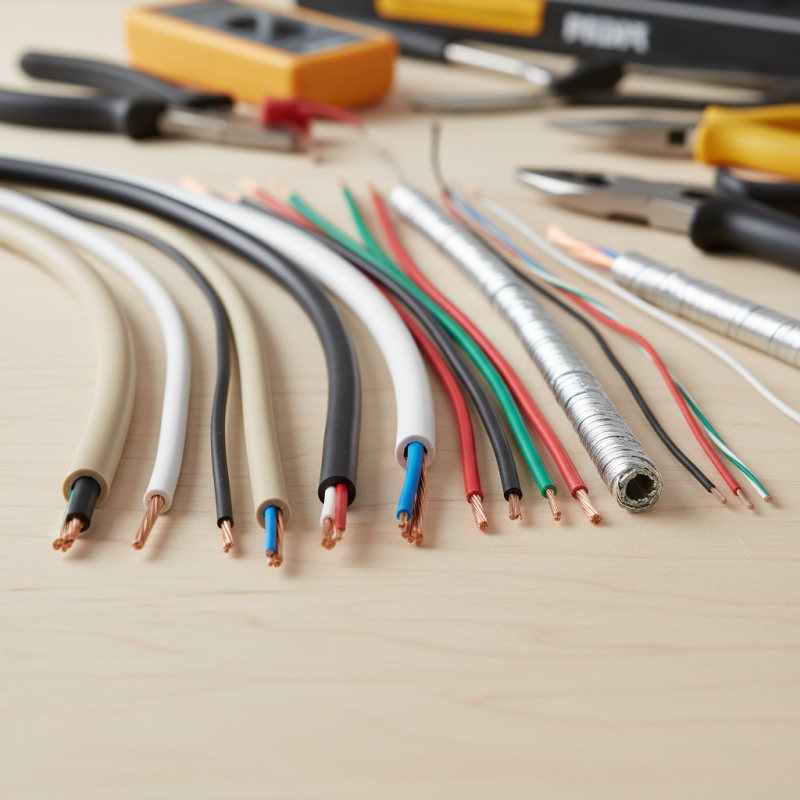
When it comes to home improvement, understanding different types of home electrical wire is crucial. Home electrical wire plays a vital role in ensuring safety and efficiency in your electrical system. Choosing the right type can seem overwhelming, yet it deeply affects how your home operates.
Many homeowners overlook the importance of selecting proper wire types. This choice affects everything, from lighting to appliances. For instance, using the wrong gauge can lead to overheating or even fires. It’s essential to know which wire suits your specific needs. The variety of options may confuse anyone, even seasoned DIYers.
Exploring the top 10 home electrical wire types can simplify your decision-making process. Each wire type has unique properties and uses. Familiarity with these types will lead to better safety and performance. However, new wiring should always consider local codes and personal experience. It's not just about functionality; it’s about ensuring the well-being of your home and loved ones.
Understanding the Basics of Home Electrical Wiring
Understanding home electrical wiring is crucial for safety and efficiency. According to the National Electrical Manufacturers Association, nearly 60% of home fires result from faulty wiring. Knowing different wire types helps prevent these disasters. For instance, NM cable, commonly used in homes, consists of insulated conductors. It’s cost-effective but not ideal for high-moisture areas.
THHN wire, on the other hand, is versatile and can handle higher temperatures. It is perfect for both indoor and outdoor uses. However, it’s more expensive than NM cable. Electricians report that improper wire sizing is a common mistake. Using wire that is too small for the load can lead to overheating and fires.
Another important aspect is grounding. Proper grounding is often overlooked in DIY projects. A report by the Electrical Safety Foundation International states that ungrounded systems increase shock hazards. Failing to adhere to safety standards not only increases risks but may also lead to expensive repairs down the line. Understanding these basics of electrical wiring can significantly reduce hazards in your home.
Top 10 Home Electrical Wire Types You Need to Know
| Wire Type |
Uses |
Gauge |
Insulation Material |
Ampacity |
| Non-Metallic (NM) Cable |
Indoor residential wiring |
14 to 6 AWG |
PVC |
15-70 Amps |
| THHN/THWN |
General-purpose wiring |
14 to 2 AWG |
Nylon |
15-100 Amps |
| UF Cable |
Underground wiring |
14 to 6 AWG |
PVC |
15-70 Amps |
| Service Entrance (SE) Cable |
Power to main service panel |
6-2 AWG |
PVC |
60-200 Amps |
| Armored Cable (AC) |
Rough and finished jobs |
14 to 4 AWG |
PVC with metal sheathing |
15-100 Amps |
| Flexible Cord |
Portable appliances |
16 to 8 AWG |
Rubber or PVC |
10-30 Amps |
| Low Voltage Cable |
Low energy systems |
18 to 10 AWG |
PVC |
Not Applicable |
| Emergency/Backup Systems Cable |
Generators and backup power |
10 to 4 AWG |
Rubber or PVC |
30-100 Amps |
| Communication Cable |
Data transmission |
22 to 24 AWG |
PVC |
Not Applicable |
| Riser Cable |
Vertical multi-story building wiring |
14 to 6 AWG |
PVC |
15-70 Amps |
Common Types of Electrical Wires Used in Residential Settings
When it comes to home electrical wiring, knowledge is crucial. Understanding common wire types can enhance safety and efficiency. The National Electrical Code (NEC) outlines standards for residential wiring. According to a report by the U.S. Department of Energy, nearly 70% of residential fires are linked to electrical issues. Thus, knowing the right wire types is essential.
One common type is Non-Metallic Sheathed Cable (NM). It's widely used and easy to install. NM wires typically contain a hot wire, neutral wire, and ground wire, all insulated together. Another frequently used type is the Armored Cable (AC), known for its durability. Homeowners often choose it for its added protection against physical damage.
Understanding the capacity of each wire type is equally important. For example, a 14-gauge wire can handle up to 15 amps. However, many people overlook this crucial detail, risking overloads. The right choice ensures safety and compliance with electrical standards. When in doubt, consult professionals. It’s better to be cautious than to face a costly mistake.
Top 10 Home Electrical Wire Types You Need to Know
Comparing Wire Gauge and Its Importance in Electrical Installations
In electrical installations, wire gauge plays a crucial role. The gauge measures the wire's diameter and affects its current-carrying capacity. A thinner wire (higher gauge number) can handle less current than a thicker wire (lower gauge number). According to the National Electrical Manufacturers Association (NEMA), using the correct gauge is vital for safety and efficiency. Underestimating the required gauge can lead to overheating and potential fire hazards.
For example, 12-gauge wire is commonly used for general lighting circuits. It can handle up to 20 amps, making it a popular choice for residential wiring. In contrast, 14-gauge wire is only suitable for 15-amp circuits. When overloaded, this could cause the insulation to melt. This is a simple mistake that can have serious consequences. It is essential to consider not only the load but also the distance the wire runs. The longer the distance, the greater the risk of voltage drop, affecting device performance.
Not every installation is clear-cut. Sometimes, the ideal gauge may not be readily available. Additionally, improper installation can compromise wire performance. This is a common oversight for DIY enthusiasts. Always consult relevant local codes and guidelines when in doubt. Making informed choices about wire gauge is not just advisable; it is necessary for ensuring safety in electrical work.
Specialized Wires for Specific Applications in Home Wiring
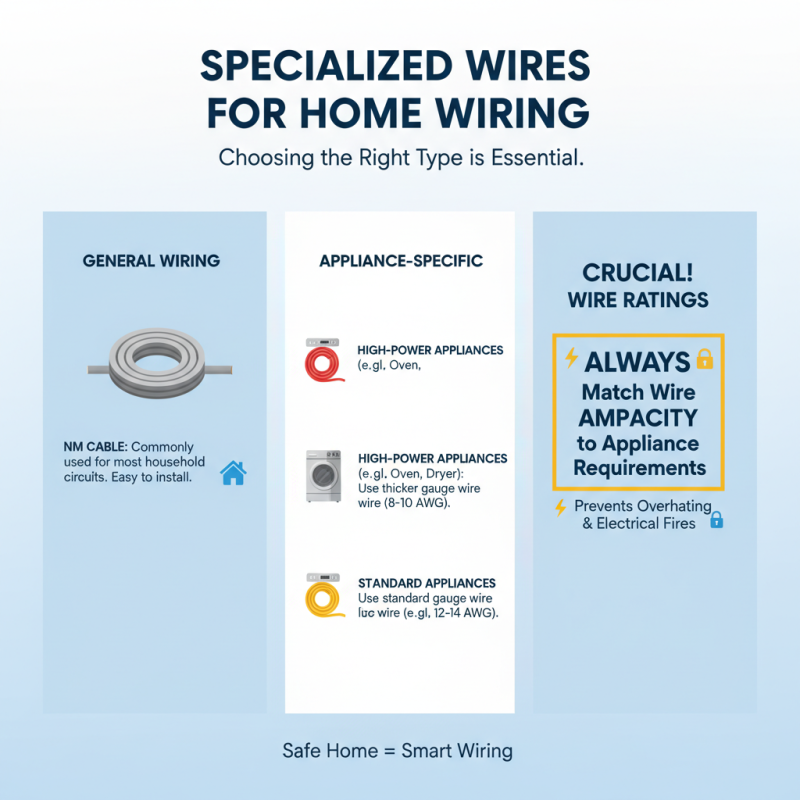
When it comes to home wiring, choosing the right type of electrical wire is essential. Different wires serve specific purposes in your home's electrical system. For example, NM cable is commonly used for general wiring in homes. It's reliable and easy to handle. However, you must pay attention to wire ratings for your appliances. This is crucial.
For specialized needs, consider using THHN wire. This wire is made with heat-resistant insulation, ideal for indoor and outdoor applications. It has good flexibility for tight spaces. But remember, outdoor installation can still pose challenges. Always check for weatherproof requirements before use.
Tips: Always match the wire gauge to the appropriate circuit. A wire that is too small can overheat. When installing, make sure to strip the wire ends properly. This avoids poor connections, which can lead to electrical problems. Test your wires with a voltage meter if unsure. Regular checks can prevent potential issues down the road.
Safety Standards and Regulations for Electrical Wire Usage
When working with electrical wiring, safety standards are paramount. Each wire type has specific regulations. These rules ensure functionality and reduce risks. Knowing them helps prevent accidents at home.
Electrical codes vary by location. Always check local regulations before starting work. Understanding these guidelines is essential for both safety and compliance.
Tips: Always use wires rated for the intended load. This prevents overheating and potential fires. It’s easy to overlook this, but it’s crucial. Additionally, consider insulation ratings. Choose wires that can withstand your environment’s conditions. If you live in a damp area, for example, certain insulation is necessary.
One common mistake is using incorrect wire sizes. Many homeowners underestimate the wire gauge. This can cause serious hazards. It's tempting to save money, but safety comes first. Proper installation and adherence to safety standards can save lives. Remember, safety should never be compromised for convenience.