Top 10 Home Electrical Wire Types in China to Choose From?
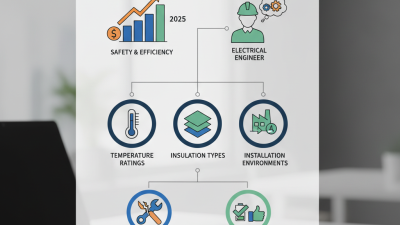
In the world of home improvement, choosing the right "Home Electrical Wire" is crucial. Renowned electrical engineer Li Wei emphasizes, “The right wire keeps your home safe and efficient.” Understanding wire types is essential for every homeowner in China.
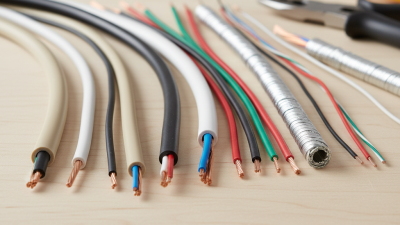
The variety of wires available can be overwhelming. Factors like insulation type, gauge, and purpose matter a lot. Each wire has its own application, influencing performance and safety. For example, PVC-coated wires are common for residential use but may not be suitable for high-heat areas.
Many people overlook these details until it's too late. Ignoring wire specifications can lead to issues like shorts or even fires. Therefore, being informed is necessary. The right knowledge empowers homeowners to make better choices.
Overview of Electrical Wire Types Commonly Used in China
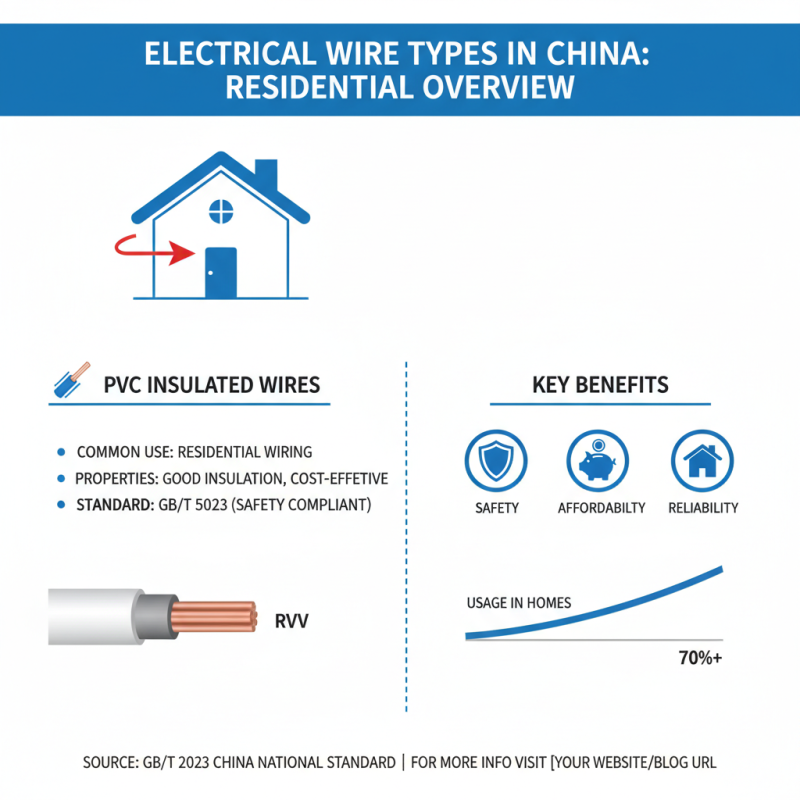
When choosing the right electrical wire types in China, it's essential to understand their common uses and standards. In residential applications, PVC insulated wires are popular. These wires provide good insulation and are cost-effective. The China National Standard for these wires, GB/T 5023, ensures they meet safety requirements.
Another commonly used type is the XLPE wire, known for its heat resistance. This wire is ideal for areas with high temperatures. According to industry reports, the market for XLPE wires is expected to grow due to increased construction activities. In contrast, aluminum wires, while cheaper, pose a risk of overheating. Their usage has declined as safety standards tighten.
**Tip:** Always check the wire's insulation rating before purchasing. This can prevent overheating issues in high-load applications.
Copper-wound wires also remain favored due to their conductivity. These wires are efficient but can be pricier. An awareness of energy loss in wiring can help consumers choose wisely. Many homes still use outdated wiring, raising questions about safety. Upgrading to newer wire types can enhance both safety and efficiency in a household.
**Tip:** Regular inspections of existing wiring can highlight potential hazards early. Consider hiring a professional for thorough evaluations.
Criteria for Selecting the Right Electrical Wire for Your Home
Choosing the right electrical wire for your home is crucial for safety and efficiency. One of the key factors is the wire's amperage rating. According to a report by the International Electrotechnical Commission, residential wiring typically includes 14-gauge wire for lighting circuits and 12-gauge wire for outlets. This rating affects both the load capacity and the heat dissipation of the wire.
Another important consideration is the insulation type. In China, PVC and XLPE are popular due to their durability. PVC is often used in dry environments while XLPE offers higher thermal resistance. The China National Standard GB/T 5023-2008 provides guidelines on insulation materials, ensuring compliance with safety regulations.
Additionally, take into account the wire's length and installation location. Longer runs can lead to voltage drop, affecting performance. Industry experts suggest limiting the length of 14-gauge wire to 50 feet for optimal efficiency. Homeowners often overlook these factors, leading to potential hazards. It’s essential to ensure that every aspect of the electrical setup is thoughtfully considered for both safety and functionality.
Detailed Description of the Top 10 Electrical Wire Types in China
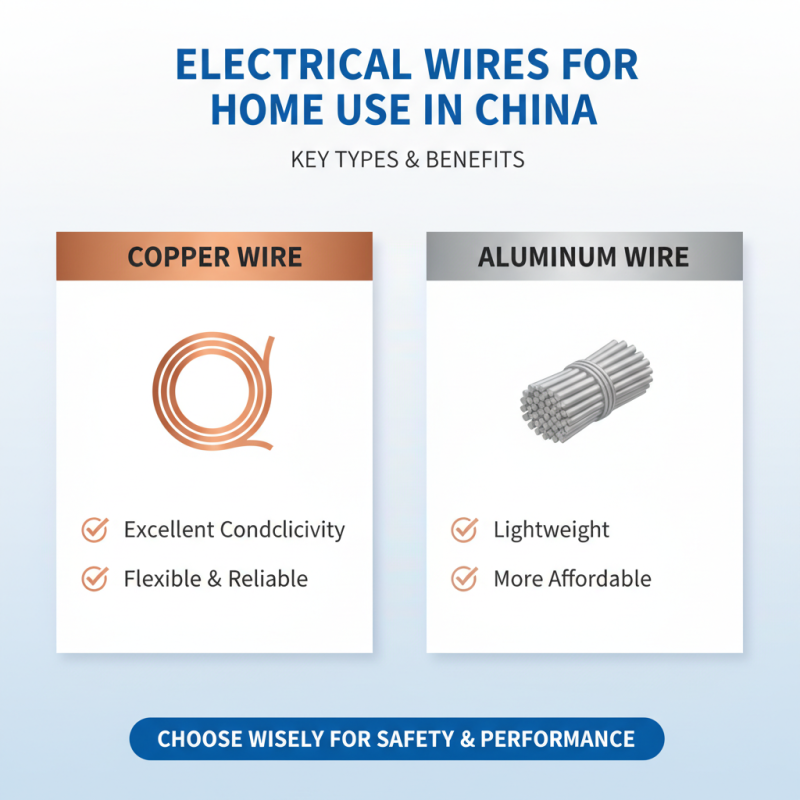
When selecting electrical wire types for home use in China, knowing the options is vital. Copper wire is a top choice due to its excellent conductivity. Many homes benefit from its flexibility and reliability. Another option is aluminum wire. It is lightweight and more affordable, but not as conductive as copper. This wire can work for residential uses if properly sized.
Cross-linked polyethylene (XLPE) is a common insulating material. It withstands temperature changes and offers durability. For underground installations, the Polyvinyl Chloride (PVC) wire is popular. It's cost-effective and resistant to moisture. However, it may not endure high temperatures very well. Additionally, outdoor applications often use the flexible rubber wire, which can handle extreme weather.
Having options is essential, but choosing the right type requires thoughtful consideration. Not every wire is suitable for every environment. Misjudging requirements can lead to poor performance or hazardous situations. Inspecting local regulations is crucial, as standards can vary significantly. Each wire type has its pros and cons, which makes it important to reflect on their specific use cases.
Key Safety Standards and Regulations for Home Electrical Wiring
Electrical wiring in homes is vital for safety and efficiency. In China, adherence to local safety standards is crucial for minimizing risks. The Chinese National Standard (GB) covers various aspects of electrical wiring. Compliance ensures adequate insulation, proper grounding, and temperature resistance. For instance, wires must withstand high thermal environments without degrading, as specified in GB/T 5023.
Research indicates that poor wiring practices lead to a significant number of domestic fires. In 2021, reports showed that electrical faults caused over 40% of residential fires in urban areas. This statistic underscores the importance of using quality materials and adhering to regulations. Practitioners must consider the minimum permissible insulation thickness to prevent electrocution and short-circuits.
Wire types, such as RV, RVP, and BV, are widely used. Each type serves specific applications and has its standards. However, misapplication or substandard components often compromises safety. Homeowners should consult professionals familiar with the latest regulations to avoid potential hazards. Basic mistakes may seem trivial now but can lead to severe consequences later. Conducting periodic inspections can significantly enhance safety in home electrical systems.
Maintenance Tips for Ensuring the Longevity of Electrical Wires
Maintaining electrical wires is crucial for safety and efficiency. Regular inspections can identify signs of wear and tear.
Look for fraying, discoloration, or exposed wires.
These issues signal the need for immediate attention. Over time, even high-quality wires can degrade.
Ensure proper installation to prevent future problems. Wires should be secured and not under stress. Loose wires can lead to dangerous situations.
Keep wires away from heat sources, moisture, and sharp objects. Encasing them in protective conduits can offer added safety.
Don't forget about the environment. Extreme temperatures can affect wire performance. In scorching heat or extreme cold, wires may expand or contract.
This could lead to breakage. Replace damaged wires promptly. Remember, neglecting maintenance can lead to costly repairs later.
Your home's safety depends on it.