Leave Your Message

Top 10 Benefits of Using Lv Cable for Electrical Installations?

Lv Cable has become a popular choice in electrical installations. It offers numerous advantages that make it appealing for both professionals and DIY enthusiasts. This guide explores the top ten benefits, highlighting why Lv Cable stands out.

Compared to traditional cables, Lv Cable provides enhanced safety. Its construction significantly reduces the risk of electrical hazards. Additionally, its durability ensures long-lasting performance. The flexibility of Lv Cable makes it easier to install in various settings. These qualities can impact efficiency and reliability in electrical systems.

However, some may overlook potential downsides. While Lv Cable generally performs well, it may not be suitable for all applications. Users must be mindful of their specific needs. This article aims to shed light on the advantages. By understanding them, you can make informed decisions for your electrical projects.

Top 10 Benefits of Using Lv Cable for Electrical Installations?

Benefits of Lv Cable in Electrical Safety and Reliability

Top 10 Benefits of Using Lv Cable for Electrical Installations?

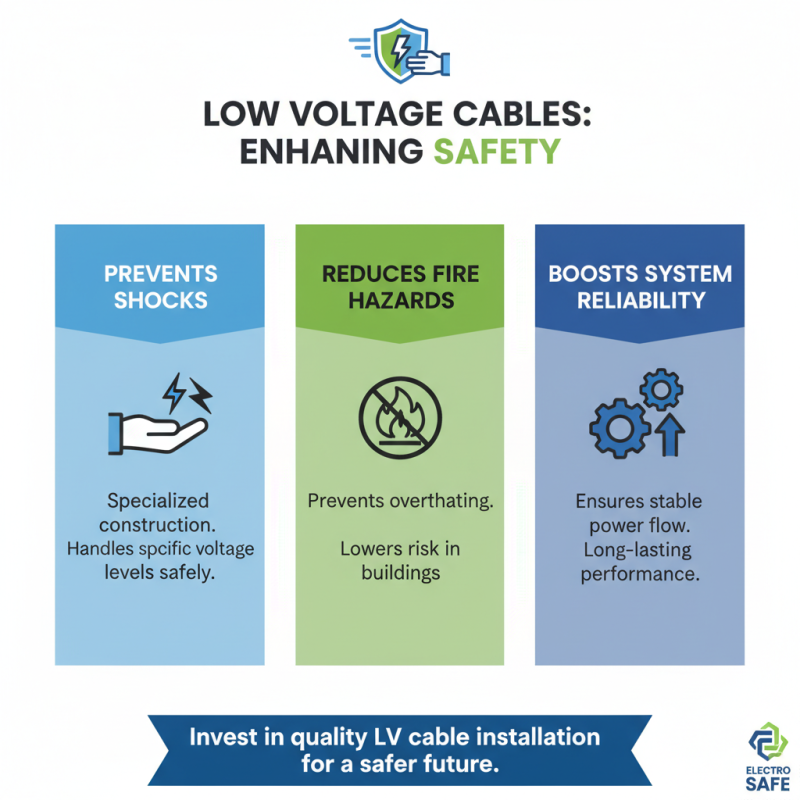
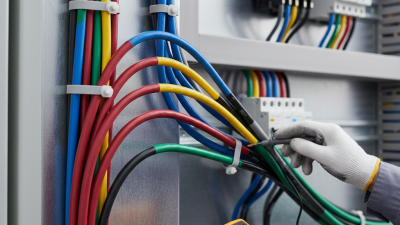
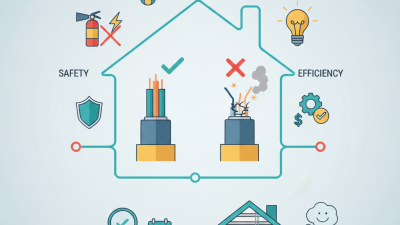
Low voltage (Lv) cables play a vital role in enhancing electrical safety. Their construction helps prevent electrical shocks. These cables are designed to handle specific voltage levels without risk. When installed correctly, they contribute to overall system reliability. A well-installed Lv cable reduces the risk of overheating. This greatly lowers the chances of fire hazards in residential and commercial buildings.

The flexibility of Lv cables also ensures better adaptability to various environments. They can be used indoors and outdoors. This versatility enhances installation security in different settings. It’s worth noting that improper installation can lead to failures. Regular maintenance is necessary to keep them functioning well. If not cared for, the protection offered by Lv cables may diminish over time.

Using Lv cables can significantly reduce energy costs. Efficient power transmission is possible with minimal losses. However, it’s essential to select the appropriate type for specific needs. Choosing the wrong cable may yield poor results. Designers and electricians must consider application requirements carefully. This attention to detail ensures maximum safety and functionality.

Cost-Effectiveness of Lv Cable for Long-Term Electrical Installations

When considering electrical installations, the cost-effectiveness of low voltage (LV) cables plays a crucial role. LV cables are generally more affordable than their high voltage counterparts. This affordability can significantly reduce initial project costs for both residential and commercial setups. Over time, the overall expenses associated with maintenance and repairs tend to be lower, adding to their long-term value.

However, it’s essential to consider potential drawbacks. While LV cables have lower installation costs, they may require more frequent inspections. This is particularly true if the installation takes place in challenging environments. Regular checks are vital for ensuring performance and safety. Conversely, some may overlook these inspections to save money, risking safety and efficiency in the long run.

Another aspect to reflect on is the lifespan. LV cables can last many years if installed correctly. But improper installation or environmental factors can shorten their life. Choosing the right materials and skilled labor is crucial. Investing in quality installation may seem costly initially, but it provides better long-term value. Balancing cost and quality is key in making an informed decision for your electrical needs.

Top 10 Benefits of Using LV Cable for Electrical Installations

Energy Efficiency Promoted by Using Lv Cable Systems

Using low voltage (LV) cables for electrical installations can significantly enhance energy efficiency. These systems are designed to transmit power more effectively, reducing wasted energy. Lower electrical losses mean that facilities can operate at reduced energy costs. A well-implemented LV cable system can contribute to a greener environment by minimizing carbon footprints.

When choosing LV cables, it's vital to consider the installation environment. Factors like temperature and moisture levels can affect performance. High-quality insulation helps maintain energy efficiency. Poor installation may lead to overheating, which negates energy savings. Regular maintenance checks are essential to ensure longevity and optimal performance.

Tip: Always verify voltage ratings before installation. Incorrect ratings can result in costly failures. Additionally, invest in professional installation services to avoid common pitfalls. Inspect connections and terminations to ensure they are secure. A small mistake can lead to significant energy losses and safety hazards. Stay proactive in managing your LV cable systems for the best results.

Environmental Advantages of Lv Cable Compared to Traditional Options

Top 10 Benefits of Using Lv Cable for Electrical Installations?

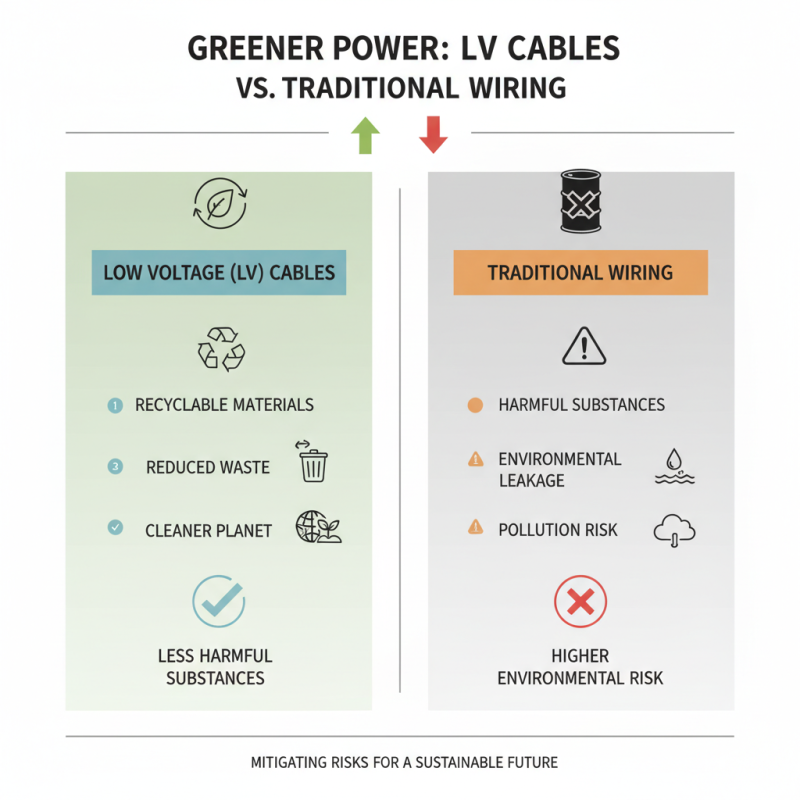
Low voltage (Lv) cables present significant environmental advantages over traditional wiring options. They are often made from recyclable materials, reducing waste. This contributes to a cleaner planet. Traditional cables tend to use more harmful substances, which can leak into the environment. The use of Lv cables helps mitigate these risks.

Moreover, Lv cables are lighter and require less energy during transportation. This means fewer emissions during shipping. A smaller carbon footprint is a noteworthy benefit. Their efficiency in energy transfer can lead to reduced power loss, which is essential. However, the production process of these cables could still improve.

While Lv cables offer many benefits, some challenges remain. Their durability in harsh environments might not always match traditional cables. The need for proper installation and maintenance shouldn’t be overlooked. Awareness of these factors is crucial for ensuring long-term sustainability. Environmental benefits are clear, but we must continually strive for more effective solutions.

Versatility and Flexibility of Lv Cable in Various Applications

The versatility of low-voltage (LV) cables makes them a popular choice for various electrical installations. They can serve different applications, from residential wiring to industrial setups. This flexibility allows homeowners and businesses to utilize LV cables in a range of scenarios, adapting to specific needs. You could use them in lighting, heating, or power distribution systems, demonstrating their capability to handle diverse functions.

Another notable aspect is their easy installation. Many professionals appreciate how LV cables can be routed through tight spaces without complications. Their lightweight nature often leads to reduced labor costs and installation time. However, it's crucial to consider the environment they are used in. For instance, improper setups in harsh conditions may lead to performance issues. Not all LV cables are created equal, and choosing the right type for the right application is vital. Mistakes in selection can result in long-term challenges, emphasizing the need for careful planning and knowledge.

Top 10 Benefits of Using LV Cable for Electrical Installations

Benefit Description Application Areas
Versatility Can be used in various electrical setups and environments. Residential, Commercial, Industrial
Flexibility Easily adaptable to different installation requirements. Tight Spaces, Curved Pathways
Ease of Installation Simplifies the wiring process, saving time and labor costs. New Constructions, Renovations
Lightweight Easier to handle compared to heavier cables. DIY Projects, Temporary Installations
Durability Resilient against physical wear and environmental factors. Outdoor Use, Harsh Conditions
Cost-Effectiveness Offers a low-cost option without compromising quality. Budget Installations, Mass Projects
Environmental Resistance Designed to withstand moisture, heat, and chemicals. Industrial Plants, Coastal Areas
Variety of Insulations Offers different insulation types for diverse needs. Electronics, Automotive Industry
Improved Safety Features Enhanced protection against electrical faults. Commercial Buildings, Schools