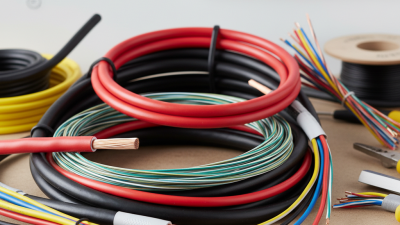
What is Lv Cable and How is it Used in Electrical Systems?
In modern electrical systems, understanding Lv Cable is crucial. Lv Cable stands for low-voltage cable. These cables are the backbone of many electrical setups. They transmit electricity safely and efficiently. Lv Cables are used in various applications, from residential buildings to industrial plants. Often, people overlook their importance.
Low-voltage cables come in different types and sizes. Selecting the right one for a project is essential. Missteps can lead to serious issues, such as power loss or safety hazards. The complexity of electrical systems can overwhelm many. It's easy to make mistakes, especially without adequate knowledge.
Despite their vital role, some users still underestimate Lv Cable. They might not know about proper installation methods. This oversight can result in ineffective performance or damage. Understanding these cables is not just technical knowledge. It's part of ensuring a safe and efficient electrical environment. There is room for reflection and learning in this field.
Definition and Characteristics of Lv Cable
Low voltage (LV) cable is a crucial component in electrical systems. It is designed to handle electrical currents safely, typically under 1,000 volts. The primary characteristics of LV cables include flexibility, durability, and resistance to environmental factors. They can be used in residential, commercial, and industrial applications. According to industry reports, LV cables are essential for energy distribution networks, accounting for a significant portion of the global market.
When selecting LV cables, considering insulation materials is vital. Materials like PVC and XLPE offer varying degrees of heat and moisture resistance. Typically, PVC cables are suitable for indoor use, while XLPE cables excel in outdoor conditions. Industry data suggests that choosing the right insulation can extend a cable's lifespan by up to 30%.
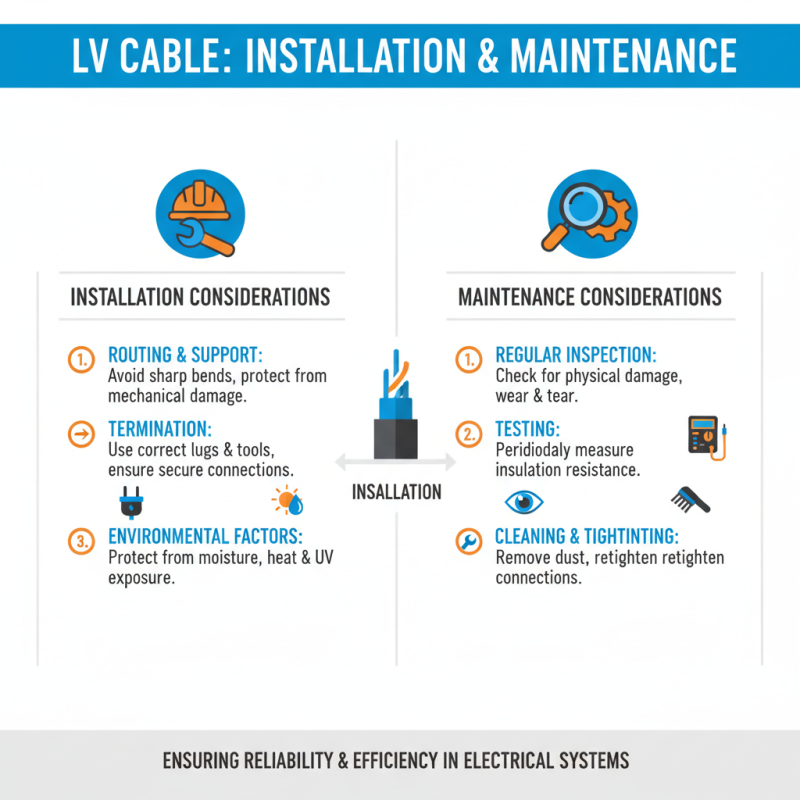
Tips: Always check the regulatory standards for installation. Improperly installed cables can lead to system failures. It's advisable to consult with professionals who understand local electrical codes. Regular inspections are also essential to maintain optimal performance. Make sure that your cable choice fits the intended application perfectly.
What is Lv Cable and How is it Used in Electrical Systems? - Definition and Characteristics of Lv Cable
| Characteristic |
Description |
| Voltage Rating |
Typically up to 1 kV |
| Conductor Material |
Copper or Aluminum |
| Insulation Material |
PVC, XLPE, or Rubber |
| Applications |
Power distribution, industrial use, residential wiring |
| Operating Temperature |
-15°C to +70°C |
| Shielding |
Optional, for reducing electromagnetic interference |
Common Applications of Lv Cable in Electrical Systems
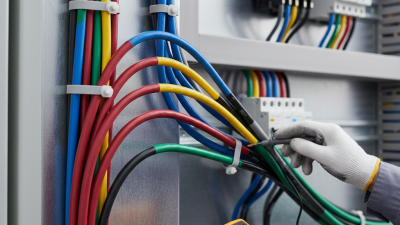
Low voltage (LV) cables play a crucial role in modern electrical systems. They are commonly used for power distribution in residential, commercial, and industrial settings. These cables are ideal for carrying electricity where safety and efficiency are essential. Their insulation helps protect against risks, ensuring reliable performance.
In homes, LV cables connect electrical appliances to the main power supply. They are used for lighting, heating, and other essential functions. In offices, they power computers, printers, and lighting as well. Factories use LV cables to operate machinery and equipment. However, improper installation can lead to malfunctions or hazards. This underscores the need for skilled professionals in electrical work.
One might overlook the importance of quality materials in LV cables. Cheap, substandard cables can fail under stress. This can cause outages or even fires. It's crucial to choose the right specifications for each application. Regular inspections and maintenance are often ignored, leading to unexpected problems. Taking the time to monitor and assess cable conditions can prevent significant issues in the long run.
Common Applications of LV Cable in Electrical Systems
Benefits of Using Lv Cable in Residential and Industrial Settings
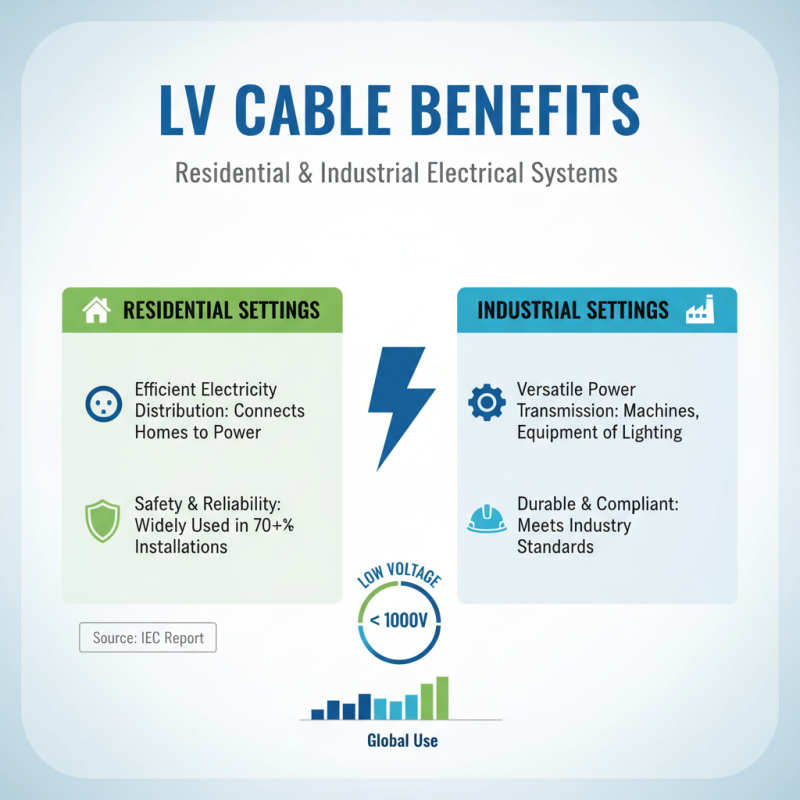
Low Voltage (LV) cables play a crucial role in electrical systems, both residential and industrial. They are commonly used to transmit electricity at voltages below 1,000 volts. In residential settings, LV cables ensure efficient electricity distribution, connecting homes to power sources. According to a report from the International Electrotechnical Commission, over 70% of electrical installations utilize LV cables due to their safety and reliability.
In industrial environments, LV cables support heavy machinery and automated systems. They can handle high current, ensuring stable operation. The demand for LV cables in industrial settings is projected to grow by 5% annually over the next decade. However, improper installation or inadequate protection can lead to failures. This highlights the need for skilled labor and regular maintenance.
Although LV cables are essential, there are challenges. Environmental factors can affect their lifespan. For instance, exposure to moisture can lead to insulation deterioration. Regular inspections are necessary to address potential issues. Investing in high-quality materials may seem costly upfront, but it pays off in long-term reliability and safety.
Safety Regulations and Standards for Lv Cable Usage
Low voltage (LV) cables are essential in electrical systems. They supply power to residential and commercial buildings. Understanding safety regulations is crucial. These standards ensure reliable and safe installation.
When installing LV cables, ensure compliance with local codes. Regular training on electrical safety is vital for all workers. Using outdated standards can lead to unsafe practices. It's essential to stay updated on regulations.
Tips: Always inspect cables for wear and tear before use. Choosing the right materials can prevent hazards. If unsure, consult with a professional. Proper installation reduces the risk of electrical fires.
Working with LV cables requires knowledge. Miscalculations can lead to serious issues. Make sure to follow safety protocols strictly to avoid accidents. Safety should always be the top priority.