Why is Home Electrical Wire Important for Your Safety and Efficiency?
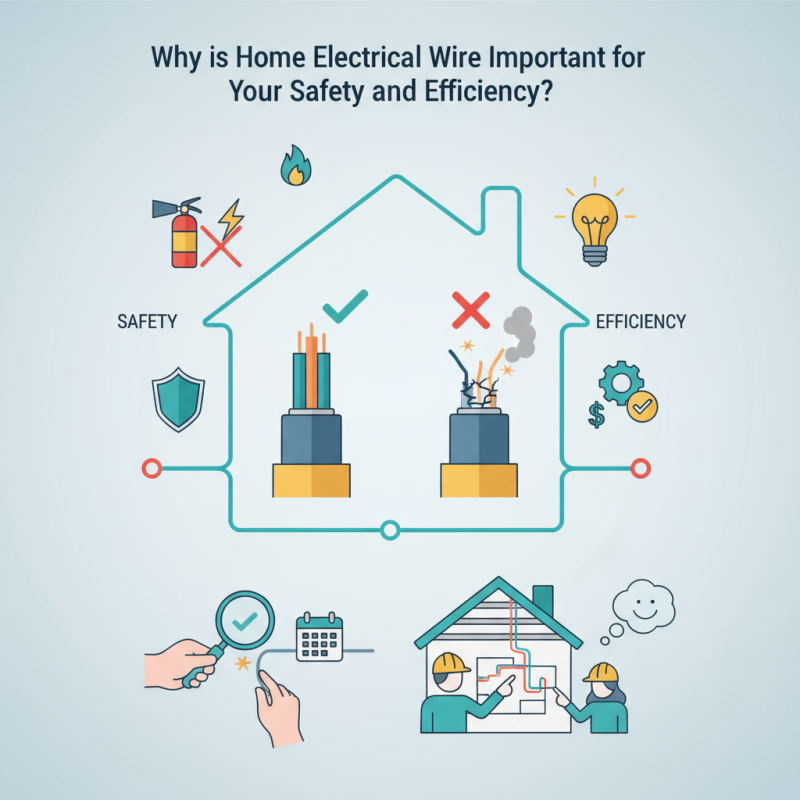
Home electrical wire plays a crucial role in our daily lives. It connects us to power, ensuring our safety and efficiency at home. As electrical engineer John Smith states, "The quality of home electrical wire can make or break your household safety." This statement highlights the importance of using the right wiring.
Household incidents often arise from faulty wiring. Overheated wires can cause fires. Insufficient insulation can lead to electric shocks. We sometimes overlook such risks. Regular checks on home electrical wire can prevent potential disasters. Recognizing the signs of wear is vital.
Investing in high-quality home electrical wire is wise. Proper installation also plays an important role. Many homeowners take shortcuts, leading to future problems. Reflecting on these choices can enhance safety. A well-wired home promotes both efficiency and peace of mind. The significance of home electrical wire cannot be overstated.
Importance of Electrical Wiring in Home Safety
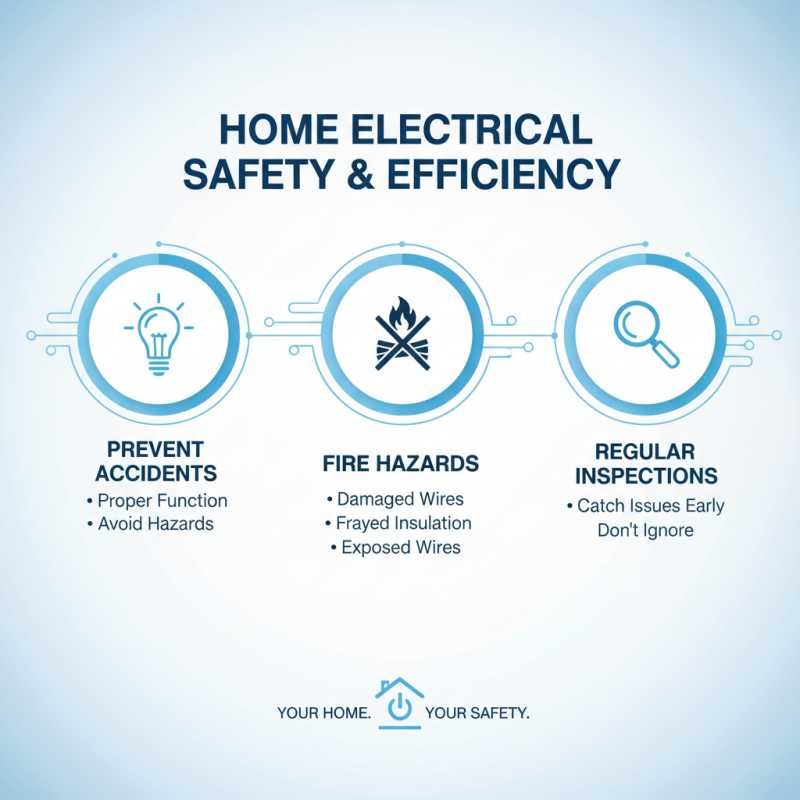
Electrical wiring is crucial for ensuring safety in any home. Poorly done wiring can lead to dangerous situations. Faulty connections may cause sparks or fires. Frayed wires can result in electric shocks. Homeowners should regularly check their wiring. This helps to prevent potential hazards.
Additionally, the efficiency of your electrical system depends on quality wiring. Good wiring reduces energy loss. This can lower electricity bills. Homes with upgraded wiring often run appliances better. Outdated systems may struggle to support modern devices. It’s vital to address wiring issues promptly.
Neglecting electrical wiring can be costly. Ignoring signs like flickering lights or frequent breaker trips often leads to bigger problems. Living in a safe and efficient environment starts with your home's wiring. It's worth the effort to remain vigilant about it.
Types of Electrical Wires and Their Applications
In the realm of electrical systems, selecting the right type of wire is crucial for safety and efficiency. Various wires serve distinct purposes. For example, non-metallic sheathed wire, or NM wire, is common in residential wiring. It's designed for dry locations and can handle 15 to 20 amps, making it suitable for lighting and outlets. Research shows that improper wire selection is a leading cause of electrical hazards in homes.
Another important type is copper wire, known for its excellent conductivity. It is often used in high-demand situations. According to industry studies, copper wiring can carry more current than aluminum wire of the same gauge, which reduces energy loss. However, copper is more expensive, and this can lead some homeowners to cut corners. This could compromise safety and efficiency.
For outdoor applications, UF (Underground Feeder) cable is ideal. It's resistant to moisture and can withstand harsh conditions. Yet, many underestimate the importance of proper installation. If not buried deep enough or protected appropriately, UF cable can fail prematurely. Ensuring proper wire choice and installation can prevent fires and increase the lifespan of electrical systems.
Importance of Different Types of Home Electrical Wires
This bar chart illustrates the percentage of usage among different types of home electrical wires. Non-metallic sheathed cables (NM) are the most commonly used, making up 40% of home wiring, followed by armored cable (AC) and underground feeder (UF) cables. Understanding these types of wires is crucial for both safety and efficiency in electrical installations.
Common Electrical Hazards and Risks in Homes
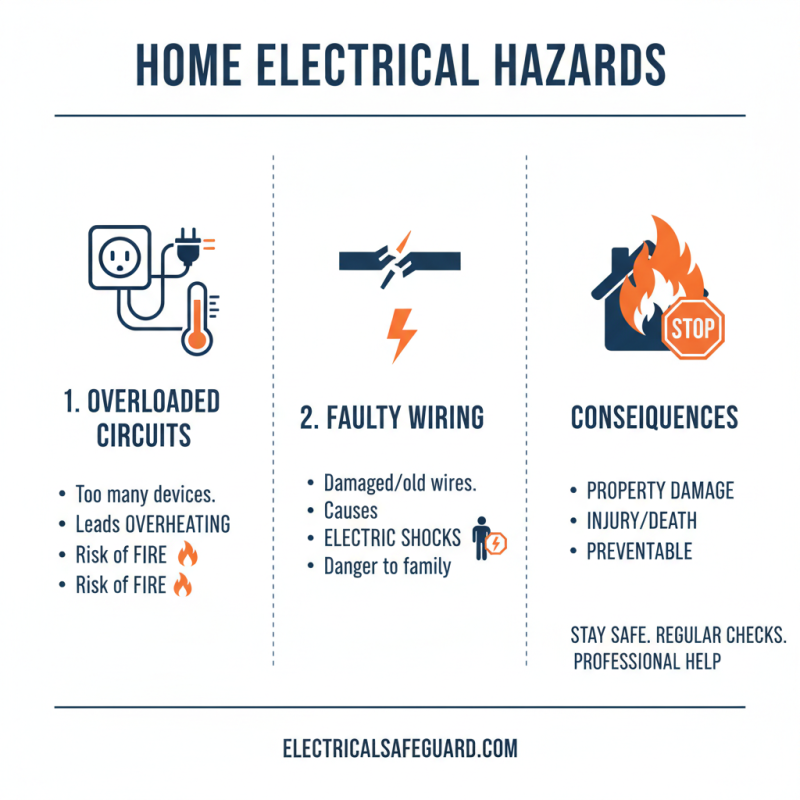
Electrical hazards in homes can lead to dangerous situations. Overloaded circuits often cause overheating. This can lead to fires, which can destroy property and hurt people. Faulty wiring may cause shocks, creating a serious risk for families.
Too many devices on one outlet? That’s a common mistake. Using extension cords improperly is another risk. Many people think they can just keep adding devices, but this creates a ticking time bomb. It’s not always easy to spot these issues until it’s too late.
Regular inspections help identify these risks. Many homeowners overlook old wiring. Corroded connections can lead to electrical fires. Homeowners should also consider the age of their electrical systems. Ignoring these signs might lead to costly damage or, worse, injuries. Taking electrical safety seriously can prevent many avoidable hazards.
Signs You Need to Upgrade Your Home's Electrical Wiring
Your home's electrical wiring plays a crucial role in safety and efficiency. Over time, wires can wear out. This creates a risk of electrical fires or power outages. So, how do you know if it's time for an upgrade?
Look for signs like flickering lights. This can happen when circuits are overloaded. Outdated wiring might not handle modern demands. You may also notice burning smells or warm outlets. These are clear indicators of problems. Don't ignore them; they signal potential hazards.
Another sign is the use of extension cords for permanent fixtures. If you're relying on them, it’s time for a change. Insufficient outlets can lead to improper connections. This can cause increased energy costs and pose safety risks. If your home still has a fuse box, it may be outdated. A circuit breaker system is more efficient and safer. Consider these warnings seriously before they lead to bigger issues.
Why is Home Electrical Wire Important for Your Safety and Efficiency? - Signs You Need to Upgrade Your Home's Electrical Wiring
| Sign |
Description |
Recommended Action |
| Frequent Circuit Breaker Trips |
If your circuit breaker frequently trips, it indicates an overload or a short circuit. |
Consider upgrading wiring or reducing load on that circuit. |
| Dimming Lights |
Lights that dim or flicker can signal outdated wiring. |
Inspect and upgrade wiring to ensure adequate power delivery. |
| Old Knob and Tube Wiring |
Knob and tube wiring is outdated and not up to current safety standards. |
Replace with modern wiring to enhance safety and efficiency. |
| Burning Smell |
A burning smell near outlets indicates wiring issues and presents a fire hazard. |
Immediately consult a licensed electrician for replacement. |
| Hot Outlets or Switches |
Outlets or switches that are warm to the touch may be overloaded. |
Evaluate wiring and consider upgrading to higher-rated circuits. |