10 Essential Tips for Choosing the Right Soow Cable for Your Needs?
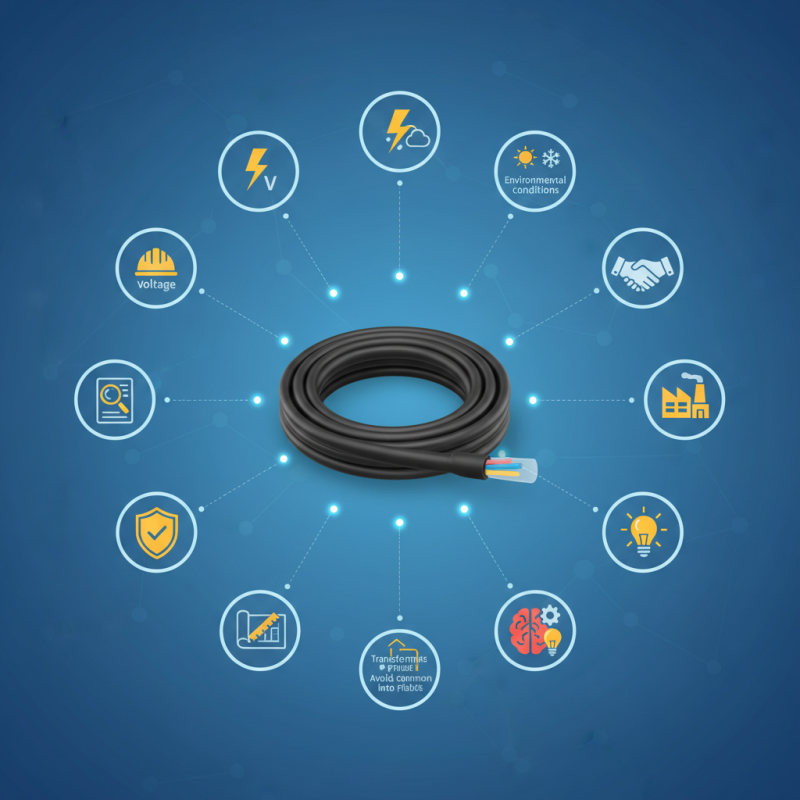
Choosing the right Soow Cable is crucial for many applications. Jim Parker, an electrical engineer with over 20 years of experience, emphasizes, "The right cable can make a significant difference in performance and safety." As various industries utilize Soow Cables for power supply and connection, selecting the appropriate type requires careful consideration.
A Soow Cable is designed to be flexible and reliable, making it suitable for outdoor and indoor use. However, not all Soow Cables are created equal. Users often overlook important factors like voltage rating, temperature range, and insulation type. This can lead to suboptimal performance, risking both equipment and personnel safety.
While many may feel overwhelmed by technical specifications, taking the time to understand these aspects is essential. Reflecting on specific needs can guide users toward the right choice. After all, a well-chosen Soow Cable can prevent issues down the line, saving both time and resources. Choosing poorly can be a costly mistake, but with the right knowledge, the best path becomes clearer.
Understanding Soow Cable: Definition and Applications
Soow cable, a durable power supply cable, is essential in various applications. It features a flexible design, making it ideal for industrial and outdoor environments. Many people may not realize its wide range of uses. It’s commonly found in heavy machinery, motors, and portable tools.
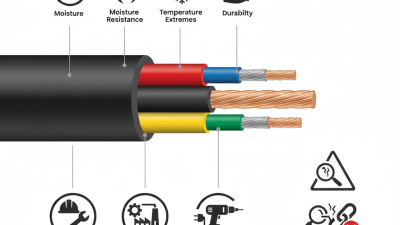
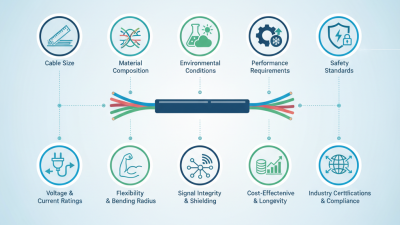
Understanding the right type of Soow cable for your needs can be challenging. The cable's construction typically includes two or more conductors, surrounded by a tough rubber-like material. This design helps withstand harsh weather and mechanical stress. However, improper selection can lead to operational issues or safety hazards. Many users overlook the specific ratings and conditions of the cable.
People often underestimate the importance of choosing the right size and type. Factors such as amperage, voltage, and environmental conditions are crucial. Some cables may not perform well under extreme temperatures or moisture. This oversight can result in costly repairs or replacements. Conducting thorough research is necessary to mitigate these risks. Always consider your unique requirements when selecting a Soow cable.
10 Essential Tips for Choosing the Right Soow Cable for Your Needs
| Tip Number |
Tip Description |
Recommended Applications |
Cable Ratings |
| 1 |
Determine the wire gauge needed for your application. |
Heavy machinery, HVAC systems |
10-6 AWG |
| 2 |
Verify insulation type compatible with your environment. |
Outdoor and wet locations |
Water-resistant, UV-rated |
| 3 |
Assess the voltage requirements for the application. |
Industrial and commercial settings |
600V and 1000V options |
| 4 |
Choose the appropriate cable length for your needs. |
Installation projects |
Varies based on project |
| 5 |
Evaluate flexibility requirements based on installation. |
Mobile equipment, portable tools |
Flexible or standard |
| 6 |
Check for certifications and compliance standards. |
All electrical projects |
UL, CSA, NEC compliance |
| 7 |
Consider temperature ratings for extreme conditions. |
Cold storage, outdoor applications |
-40°C to 90°C |
| 8 |
Evaluate the cable's resistance to chemicals and oils. |
Heavy industries, automotive |
Oil-resistant ratings |
| 9 |
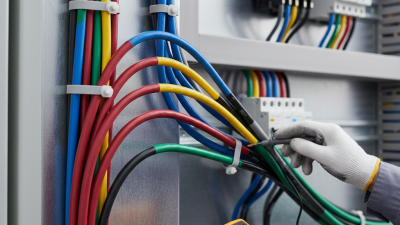
Identify the need for color coding for phase identification. |
Electrical installations |
Standard color codes |
| 10 |
Consider the price versus quality trade-off. |
All applications |
Budget-based choices |
Key Specifications to Consider When Choosing Soow Cable
When selecting SOOW cable, it’s crucial to consider key specifications. Voltage rating is paramount. Most SOOW cables are rated for 600 volts, which is adequate for many applications. However, if your project involves higher voltage, you need a cable that can handle those demands. According to industry reports, using an under-rated voltage cable can lead to insulation failure.
Another essential specification is ampacity. It refers to the maximum amount of current the cable can safely carry. Oversizing or undersizing the cable can cause significant issues. Many sources indicate that a cable's ampacity can vary based on installation conditions, like temperature and conduit type. For outdoor applications, temperature resistance is vital. Continuous exposure to UV rays can degrade insulation. Look for cables specifically rated for outdoor use.
Moreover, pay attention to the number of conductors needed. Cables can come with multiple strands or a single conductor. Choosing the wrong type can complicate your installation, leading to troubleshooting delays. According to a recent report, incorrect conductor choice is a common oversight. Users often overlook labeling as well. Clear labeling helps in identifying and managing the cable effectively during installation. Misreading can lead to improper setup. Be cautious and double-check specifications before making any commitments.
Assessing Environmental Factors Impacting Soow Cable Selection
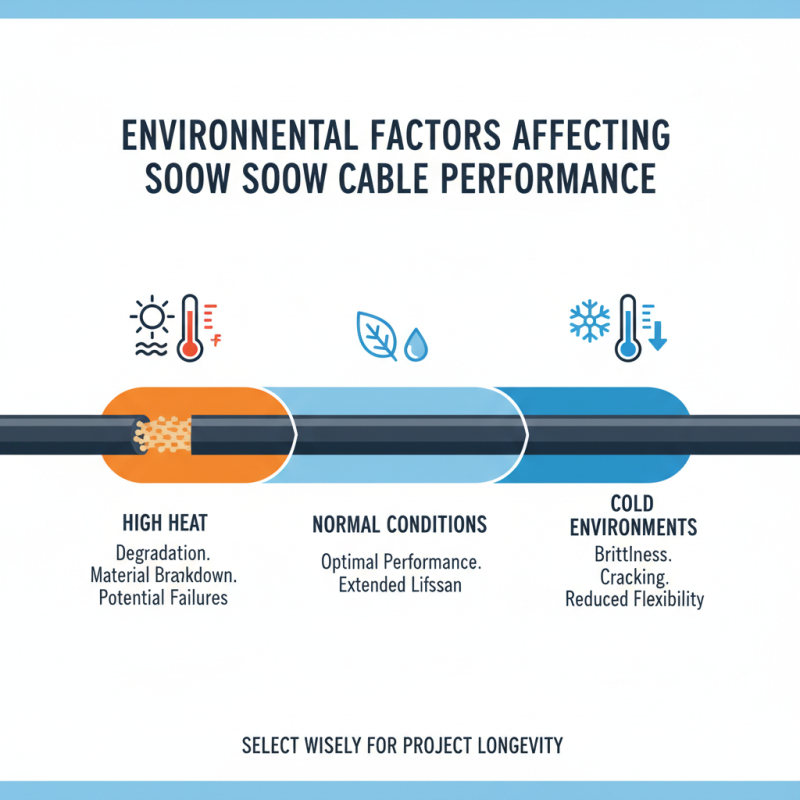
When choosing the right SOOW cable, environmental factors are crucial. Wet or damp conditions demand robust insulation. If the cable will be exposed to sunlight, ensure it has UV-resistant outer layers. For extreme temperatures, check the cable's temperature rating. Harsh environments can lead to premature failure.
Tip: Always consider installation locations. Are there chemicals that could degrade the cable? Look for cables with extra protection in such cases. Some cables may need additional armor for physical damage. Evaluate where the cable will run and potential risks involved.
Tip: Think about flexibility. If the cable must bend frequently, some designs can handle movement better than others. Take note of the bending radius; it can make a difference in performance. Every installation is unique, and the right cable will vary based on specific needs. Rushing this decision can lead to problems down the line. Consider all factors carefully.
Evaluating Cable Length and Voltage Requirements for Your Needs
Choosing the right SOOW cable can be daunting. A critical aspect to consider is cable length. Shorter cables may limit flexibility but reduce resistance. Long cables can lead to voltage drop issues. According to industry studies, a voltage drop of just 3% can affect performance in applications. If you're working with sensitive equipment, this can become a problem.
Evaluating voltage requirements is equally important. Understand the voltage rating of your appliances. Different SOOW cables are rated for various voltages. Using a cable rated lower than your requirement can be hazardous. In the industrial sector, a mismatch can lead to equipment failure. Research indicates that 20% of electrical failures stem from improper wiring choices. Assess your power needs thoroughly.
Remember, not all environments are the same. Consider factors like temperature and exposure to chemicals. Extreme conditions can wear out cables faster than expected. Being informed can prevent costly mistakes down the road. Gather all necessary data before making a choice. Sometimes, reaching out to professionals for advice can clarify your requirements.
Budget Considerations: Finding the Best Value for Soow Cable
When choosing SOOW cable, budget considerations are crucial. Prices can vary significantly based on the cable’s specifications. Some might opt for the lowest price, but this could lead to poor performance. It’s essential to balance cost with quality. A lower price often means reduced insulation and vulnerability to damage.
Investing a bit more in durable SOOW cable can save money in the long run. Think about the environment where the cable will be used. Outdoor settings often require more robust options due to exposure. Calculate the total project costs, including installation. Hidden expenses can arise, especially if a cheaper cable fails early.
Consider also the length and gauge needed. Sometimes, a longer cable may initially appear more expensive. However, it might be necessary for your specific application. Look at the specifications closely. Reflect on past experiences; some cheap cables simply don't hold up. Ultimately, finding the best value requires thorough research, thoughtfulness, and sometimes a willingness to spend more upfront.