Leave Your Message

10 Essential Tips for Choosing Quality Cable Supplies

In today's fast-paced technological landscape, choosing quality Cable Supplies has become crucial for both professionals and DIY enthusiasts. According to a recent industry report by the International Cable and Connectivity Association, the global demand for high-quality cabling solutions is expected to grow by 5.9% annually through 2025. With increased reliance on reliable connections, ensuring top-notch cable supplies is essential for performance and safety.

John Anderson, a renowned expert in the cable industry, emphasizes, “Investing in quality cable supplies can save significant costs in the long run.” This underscores the importance of making informed decisions when selecting cables for various applications. Poor-quality cables can lead to disruptions, inefficiencies, and even safety hazards, revealing the pressing need for rigorous evaluation.

As we explore the essential tips for choosing quality cable supplies, it’s critical to consider factors such as durability, compliance with standards, and real-world performance. Many buyers overlook these elements in favor of low costs, leading to regrettable outcomes. By being mindful of these details, you can enhance your projects' reliability and efficiency, ensuring that your connections are both robust and effective.

10 Essential Tips for Choosing Quality Cable Supplies

Understanding Different Types of Cable Supplies and Their Uses

10 Essential Tips for Choosing Quality Cable Supplies

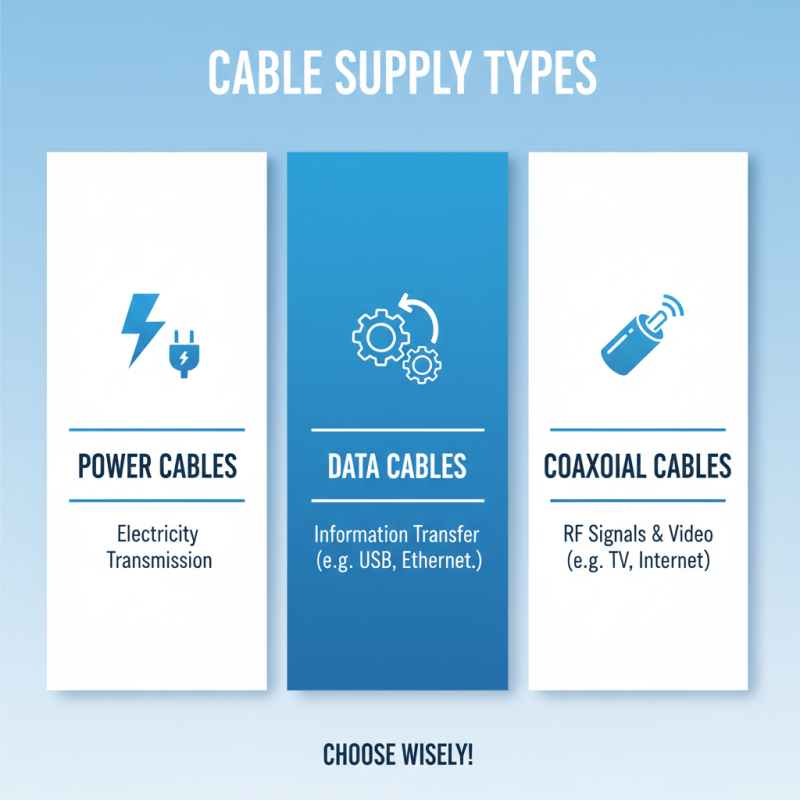
When selecting cable supplies, understanding the various types is crucial. There are multiple categories, including power cables, data cables, and coaxial cables. Each type serves a specific purpose and has unique features. For example, power cables are designed to carry electricity, while data cables transmit information between devices.

One essential tip is to consider the cable's gauge. The gauge affects the current capacity and flexibility of the cable. Thicker cables handle more power but can be less flexible. If you're in a tight space, a thinner cable might be necessary, yet it may limit power transfer.

Another tip involves the cable's insulation material. Different materials offer varying levels of protection against environmental factors. PVC is common for general use, while more robust materials suit outdoor or industrial conditions. Choose carefully based on where the cables will be installed.

It's also important to know the cable's intended use. Cables used for audio and video applications differ from those designed for networking. Match the cable type with your specific needs for optimal performance. Be mindful of future needs, too; what works today may not suit your needs later.

Evaluating Cable Material Quality: What to Look For

10 Essential Tips for Choosing Quality Cable Supplies

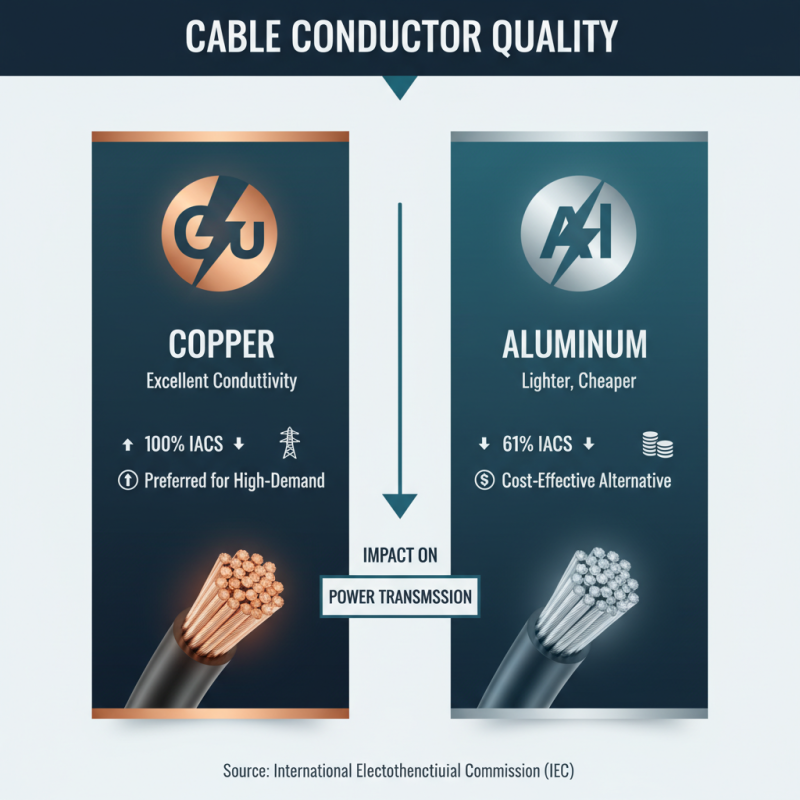
When evaluating cable material quality, several key factors come into play. The choice of conductor material is vital. Copper is often preferred due to its excellent conductivity, but aluminum is lighter and cheaper. According to the International Electrotechnical Commission, copper has a conductivity of 100% IACS, while aluminum offers approximately 61% IACS. This difference can impact performance significantly, especially in high-demand applications like power transmission.

The insulation type is another crucial factor. PVC, rubber, and XLPE each have distinct properties affecting temperature resistance and flexibility. For instance, XLPE insulation can withstand temperatures up to 90°C, providing better performance in harsh environments. Poor-quality insulation can lead to failures. A study conducted by a leading electrical safety organization indicated that nearly 30% of cable failures are due to insulation breakdown.

Lastly, the overall construction quality must not be overlooked. Look for consistent stranding and quality control marks. Inconsistent manufacturing processes often result in weak points that can cause cable failure. Even minor visual defects can signal deeper issues. Industry reports suggest that almost 25% of installation downtime is caused by faulty cables. Evaluating these aspects carefully can save time and money in the long run.

Assessing Cable Length Requirements for Your Project

When working on any project involving cable supplies, assessing cable length requirements is crucial. When you measure, ensure accuracy. A tape measure can be your best friend here. Take the time to measure both straight runs and any bends. This will help in determining the correct length needed.

Consider potential future needs. You may not need extra length now, but projects may evolve. A little extra length can save you from costly mistakes later. Remember, it's better to have too much than too little. However, avoid excessive excess. It can create clutter and complicate installation.

Tip: Always factor in installation routes. Cables often have to navigate around obstacles. Making a detailed plan can save time and resources. If you realize that you're short on cable after installation, it can lead to delays and additional costs. And remember, planning for length isn't just about measurement; it's about clarity in purpose. Think ahead to avoid future pitfalls. All these little details matter, so reflect on your planning process carefully.

10 Essential Tips for Choosing Quality Cable Supplies - Assessing Cable Length Requirements for Your Project

Tip Number Tip Description Length Consideration Recommended Cable Type
1 Identify the total length required for installation. Exact measurement based on installation plans. Single-core Copper Cable
2 Consider possible length losses due to connectors. Add extra length for connectors and joiners. Multi-core Cable
3 Factor in the layout of the installation environment. Adjust based on walls, furniture, and other obstacles. Shielded Cable
4 Account for future modifications or expansions. Add 10-20% more than current needs. Flexible Cable
5 Calculate lengths for different cable types if needed. Separate calculations for power, data, and signaling. Data Cable and Power Cable
6 Ensure cable routing is clear and accessible. Length needed should not interfere with other systems. Outdoor-rated Cable
7 Review installation manuals and guidelines. Follow suggested cable lengths from manufacturers. Manufacturer-specific Cable
8 Consult with professionals for complex projects. Professional insights on length and types. Heavy-duty Cable
9 Measure multiple times before cutting. Minimize waste by accurate measurements. Pre-terminated Cable
10 Purchase a little more than calculated to be safe. Extra length can save last-minute hassles. Standard Cable

Identifying Certification Standards for Safety and Performance

When selecting cable supplies, understanding certification standards is crucial. These certifications ensure the products meet safety and performance requirements. For instance, the National Electrical Manufacturers Association (NEMA) provides guidelines that enhance cable reliability. A report from the Institute of Electrical and Electronics Engineers (IEEE) indicates that non-compliance can lead to failure rates as high as 30% in critical applications.

Checking for certification labels is essential. Look for UL, CE, and RoHS markings to ensure safety. Each certification focuses on different aspects, like environmental impact and voltage safety. A study found that cables without proper certifications have a higher likelihood of overheating. This risk is concerning, especially in industrial settings where failure can halt operations.

Many consumers overlook the importance of testing reports. These documents outline the cable's performance metrics. A significant number of suppliers do not provide detailed reports. As a buyer, it’s your responsibility to ask for them. Take time to verify performance claims. This step could save you from costly mistakes in the future. Remember that even a small oversight in cable quality can have significant repercussions.

Performance Comparison of Cable Types Based on Certification Standards

Comparing Prices and Warranties From Various Suppliers

When comparing prices and warranties from various suppliers, it’s essential to consider the overall value rather than just the sticker price. According to industry reports, the average price difference for cable supplies can range from 10% to 30% between suppliers. Investing time in price comparisons can yield significant savings.

One tip is to request detailed quotes that outline everything included in the price. Hidden costs can inflate your expenses. Consider how long warranties last. A one-year warranty might seem attractive, but more extended warranties often indicate higher quality. Aim for warranties that offer at least two to five years of coverage.

Evaluate the manufacturer’s reputation and warranty policy. A reputable supplier often backs their products with solid warranties. Don’t hesitate to ask for samples before purchasing. This ensures quality and helps avoid unexpected issues. Remember, cheaper is not always better. It can lead to long-term costs due to replacements and repairs.