How to Choose the Right Lv Cable for Your Electrical Needs?
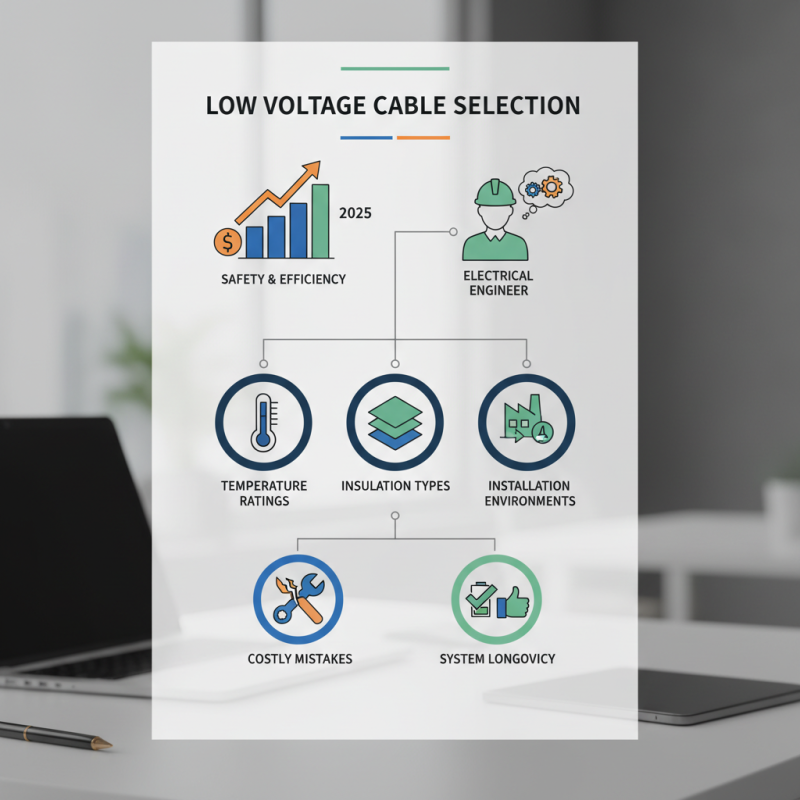
Choosing the right LV cable for electrical needs is crucial. According to a report by MarketsandMarkets, the low voltage cable market is projected to grow by 6.5% annually, reaching $25 billion by 2025. This growth reflects increasing electrical demands in various sectors, such as construction and renewable energy.
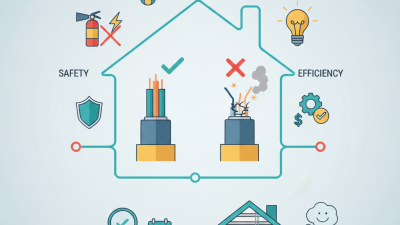
Expert electrical engineer, Dr. James Carter, emphasizes the importance of selecting appropriate LV cables. He states, “The right LV cable ensures safety and efficiency in electrical systems.” This insight highlights the potential risks of improper cable choice, such as energy loss and safety hazards.
Understanding the specifications and applications of different LV cables can be challenging. Many users may overlook key factors like temperature ratings, insulation types, and installation environments. A tailored approach to selecting LV cables can prevent costly mistakes and enhance the longevity of electrical systems. It is essential to reflect on these aspects before making an informed decision.
Understanding Low Voltage (LV) Cable Types and Their Applications
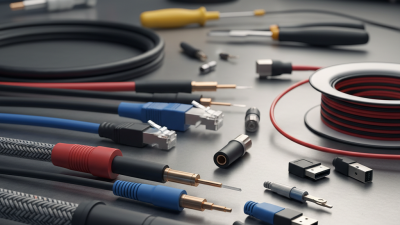
Understanding the various types of low voltage (LV) cables is essential for any electrical project. LV cables are primarily used in electrical installations with a voltage rating below 1000V. Common types include PVC insulated cables, XLPE insulated cables, and rubber insulated cables. Each has its unique properties and applications, requiring careful selection based on the specific requirements of an installation.
For instance, PVC insulated cables are often chosen for indoor installations. They are flexible and resistant to mechanical damage. However, they may not perform well in high-temperature environments. On the other hand, XLPE cables offer better thermal resistance and can handle higher loads. According to the International Electrotechnical Commission, the demand for XLPE cables has increased by over 15% in the last three years, reflecting their growing popularity.
In many projects, the choice of cable type can significantly affect safety and efficiency. Some technicians may overlook these details, resulting in potential hazards. Incorrect installations can lead to overheating or even fires. Reports indicate that about 30% of electrical faults stem from improper cable selection. This statistic highlights the importance of understanding cable types and their applications. Careful consideration is crucial when choosing the right LV cable for individual electrical needs.
Evaluating the Electrical Load Requirements for Your Project
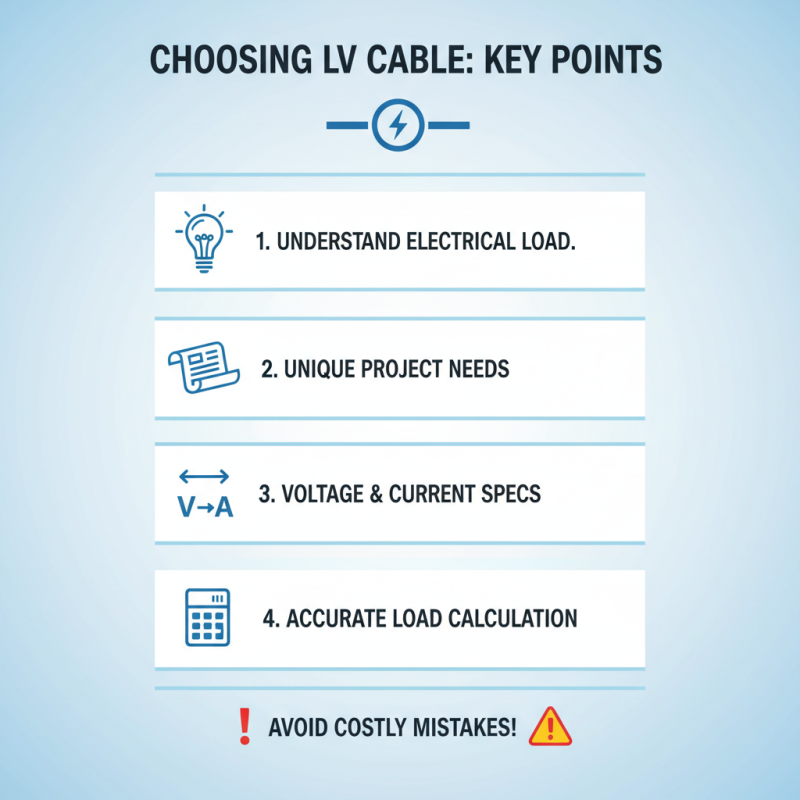
When choosing the right LV cable, understanding your electrical load requirements is crucial. Each project has unique needs. Voltage and current specifications vary. It’s vital to calculate the total load accurately. A simple mistake may lead to significant issues later.
Consider the total wattage of all devices you plan to connect. This includes appliances, lights, and any other equipment. Make a careful list to avoid omissions. Each device may have different voltage ratings, so think critically. Use a multimeter for precise measurements.
**Tips:** Always allow a buffer in your calculations. Adding 20% more capacity can prevent overheating. It's a wise safety measure. Check local regulations on wire sizing. They might differ from general guidelines.
If unsure about calculations, consult with a professional. Sometimes, personal estimations can miss key details. Mistakes can be costly. Double-check your work to ensure it aligns with real requirements. Document everything clearly. This approach is simple yet effective in preventing future complications.
Factors to Consider When Selecting LV Cable Specifications
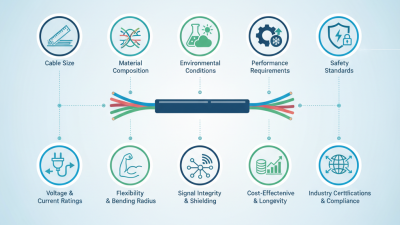
Choosing the right low voltage (LV) cable is crucial for your electrical needs. One critical factor is the cable's current rating. This rating indicates how much current the cable can carry safely. Selecting a cable with a current rating too low can lead to overheating. Over time, this may result in failure or even fire hazards.
Another important factor is the installation environment. Cables used indoors may not need the same level of protection as those exposed to the elements. For outdoor installations, consider cables that are UV resistant and weatherproof. This ensures longevity and reliability. Additionally, it’s wise to check the installation method. Different methods—such as buried, open air, or within conduits—affect the cable’s performance.
Tips: Always consult a professional if you're unsure about specifications. A small mistake can lead to costly repairs. Consider the cable's material; copper generally offers better conductivity than aluminum. However, aluminum may be lighter and easier to install. So, weigh your options carefully. Lastly, think about future expansions. Will you need to add more circuits later? If so, choose a cable that can handle potential increases in load.
How to Choose the Right LV Cable for Your Electrical Needs?
| Specification Factor |
Description |
Considerations |
| Voltage Rating |
The maximum voltage the cable can withstand. |
Ensure it matches the system voltage. |
| Current Rating |
The amount of current the cable can safely carry. |
Calculate based on load requirements. |
| Temperature Rating |
The maximum temperature the cable insulation can endure. |
Match with installation environment temperature. |
| Cable Type |
Different types include PVC, XLPE, and rubber insulated. |
Select based on application and environment. |
| Length of Cable |
Total length required for installation. |
Account for routing and potential losses. |
| Installation Environment |
Conditions such as exposure to moisture, chemicals, or temperature extremes. |
Choose cables that resist environmental conditions. |
Understanding Local Regulations and Standards for LV Cables
When selecting low voltage (LV) cables, understanding local regulations and standards is crucial. Requirements can greatly vary by region. In many areas, the National Electrical Code (NEC) outlines specifications for LV cables, including conductors, insulation types, and installation methods. It's essential to ensure compliance with these codes to prevent safety hazards.
Each locality may have unique standards. For instance, certain locations mandate the use of flame-resistant materials in certain installations. According to a report by the International Electrotechnical Commission (IEC), adhering to local standards can reduce electrical failures by up to 30%. This emphasizes the importance of thorough research on applicable regulations.
Consider environmental factors as well. Some areas may require LV cables to be resistant to temperature fluctuations. There can be challenges in finding cables that meet both local codes and project needs. An emphasis on quality can sometimes be overlooked in pursuit of cost savings. Make informed decisions to balance safety and budget effectively.
Best Practices for Installing and Maintaining LV Cables
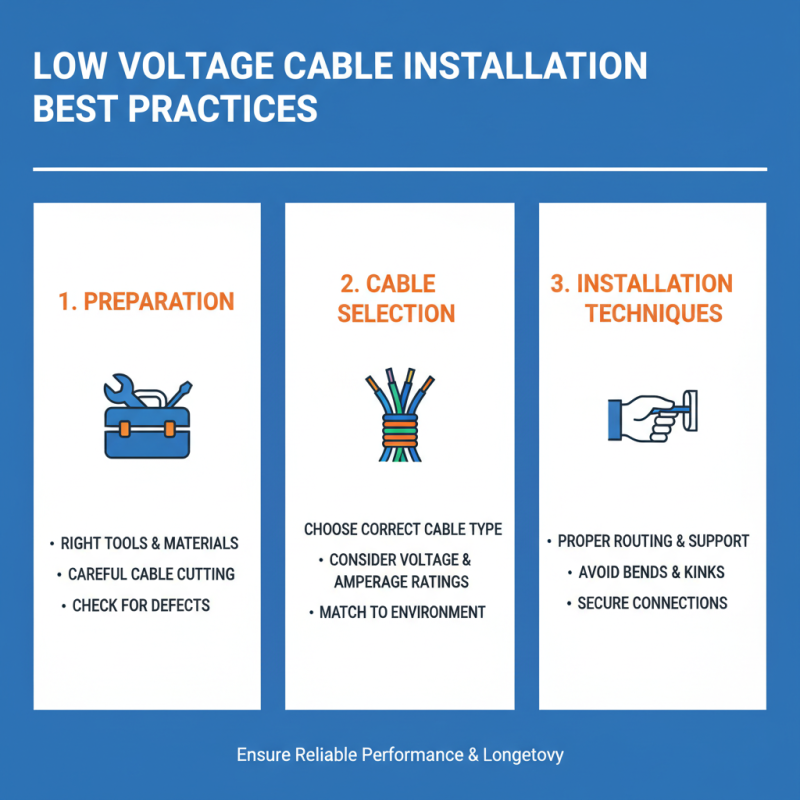
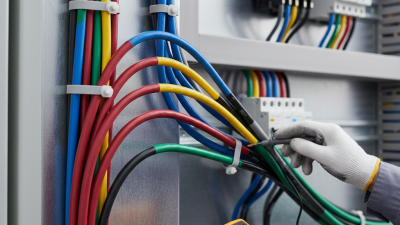
When it comes to installing low voltage (LV) cables, following best practices is crucial. Proper cable selection is vital, but installation techniques matter just as much. Start by ensuring you have the right tools and materials. Cut cables to the desired lengths with care. Neat cuts help prevent damage. Always check for visual defects, as they might compromise performance.
Once you begin installation, make sure to route cables away from heat sources. Overheating can lead to insulation damage. Secure cables using appropriate clips or ties. Avoid excessive tension; this could cause future issues. Label all cables for easy identification. This helps during maintenance. Regular checks for wear and tear are essential.
After installation, inspect connection points. Loose connections can result in faulty performance or accidents. Periodically, test the continuity of your cables. This process may reveal early signs of wear. Reflect on your installation process. Were there any shortcuts? Could a different approach have improved the outcome? Each installation is an opportunity to learn and refine your methods.