Best Electric Cable Wire Types for Global Buyers?
In the ever-evolving world of electrical engineering, understanding the right Electric Cable Wire types is crucial for buyers globally. Renowned expert Dr. James Carter emphasizes, “Choosing the right cable is not just about specifications; it's about safety and efficiency.” The variety of electric cables available can often overwhelm even seasoned professionals.
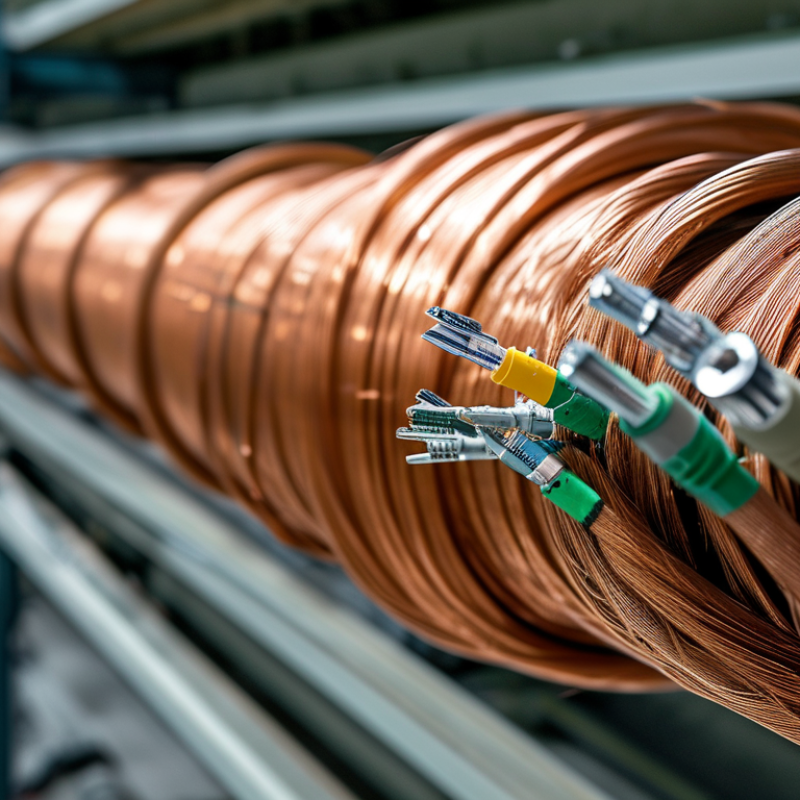
Electric Cable Wire serves as the backbone of modern infrastructure. Each type has unique properties and applications that can greatly impact performance. For example, copper wires are known for their excellent conductivity, while aluminum wires are lighter and more cost-effective.
Yet, there are challenges in this industry. Potential hazards can arise from incorrect wire selection. Manufacturers must ensure compliance with safety standards to avoid disasters. As buyers navigate these options, it's essential to weigh both the technical specifications and the broader implications of their choices.
Types of Electric Cable Wires Available in the Global Market
Electric cables play a crucial role in modern infrastructure. They are essential for power transmission and communication. Different types cater to specific needs and applications. Among these, the most common types include PVC insulated cables, XLPE cables, and rubber cables. According to a report by MarketsandMarkets, the global electric cable market is projected to reach $250 billion by 2025, emphasizing diverse cable wire requirements.
PVC insulated cables offer excellent resistance to moisture and chemicals, making them ideal for both indoor and outdoor installations. XLPE cables are valued for their high thermal resistance and are often used in high voltage applications. Rubber cables are flexible and perfect for portable tools and equipment. The choice largely depends on the environment and application, influencing safety and efficiency.
Interestingly, many buyers overlook the importance of understanding cable specifications. Data indicates that improper cable selection leads to frequent failures. Awareness is vital for maximizing performance. Buyers must consider factors like voltage rating, environmental conditions, and installation practices. This reflects a growing need for education among global consumers to avoid costly mistakes.
Key Considerations for Selecting Electric Cable Wire Types
Selecting the right electric cable wire types is crucial for various applications. Buyers need to consider several important factors before making a decision. One key aspect is the material of the wire.
Copper is highly conductive and durable. Aluminum is lighter and more cost-effective but less conductive. Each material has its pros and cons that affect performance.
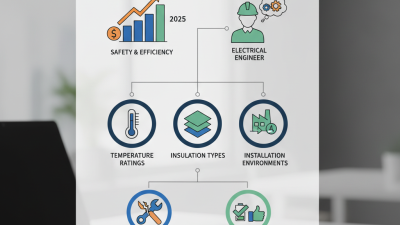
Another important consideration is insulation type. PVC, rubber, or cross-linked polyethylene (XLPE) offer different levels of protection and flexibility. Choosing the right insulation can impact the wire's longevity and safety, especially in harsh environments. Pay attention to temperature ratings and chemical resistance, as these can vary significantly across insulation types.
Tips: Always check local regulations and standards for cable usage to ensure compliance. Understanding the environment where the wire will be used is essential. For instance, harsh weather conditions may require more robust insulation options. Additionally, consider the wire's capacity and gauge to prevent overheating and ensure efficiency. Balancing cost with quality is an ongoing challenge for many buyers. Reflect on these factors carefully to make an informed choice.
Common Applications for Different Electric Cable Wire Types
When selecting electric cable wire types, it's crucial to understand their applications. Different materials and designs serve diverse needs across industries. For residential wiring, copper cables are a popular choice due to their excellent conductivity. They effectively transmit power in homes. Additionally, they handle high temperatures well, reducing the risk of electrical fires.
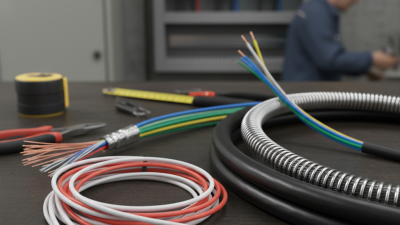
In contrast, aluminum wires are often used for overhead power lines. They are lighter and more affordable but come with their own challenges. Aluminum can oxidize, which may affect performance over time. It's essential to inspect connections regularly to avoid potential failures. For industrial settings, specialized cables like armored or shielded types are common. These provide extra protection against physical damage and electromagnetic interference.
Choosing the right wire type demands careful consideration. Each option has strengths and weaknesses. Making informed decisions can prevent costly mistakes later. Understanding your specific requirements is key to selecting suitable cables for your projects.
Comparative Analysis of Material Types in Electric Cables
When selecting electric cable wire types, materials play a crucial role. Copper and aluminum remain the most common choices. Copper offers excellent conductivity, making it ideal for high-performance applications. Its flexibility is another advantage, allowing for easier installation in tight spaces. However, it tends to be more expensive than other materials.
Aluminum is lighter and generally more affordable. While its conductivity is lower than copper's, advancements in technology have improved its performance significantly. It is especially popular in overhead installations due to its weight advantage. However, one downside is its susceptibility to corrosion, which can affect longevity.
There are also alternatives like fiber optic cables. These are not traditional electrical conductors but offer high-speed data transmission. They are categorized separately due to their unique properties. The choice of material depends on specific project requirements. Cost, weight, and durability are essential factors to consider. Understanding the characteristics of each material can be a complex task, requiring careful evaluation of intended use and environment.
Trends and Innovations in Electric Cable Wire Manufacturing
The electric cable wire industry is experiencing exciting trends. Manufacturers are integrating advanced materials for better durability. Innovations like lightweight composites are quickly gaining traction. These materials reduce energy loss and enhance efficiency in transmission.
Sustainable practices are also shaping production methods. Companies are increasingly adopting eco-friendly practices, such as recycling old cables. This shift reflects a growing awareness of environmental impact. However, challenges remain, including cost management and material sourcing.
Emerging technologies like smart cables are on the rise. These cables monitor performance and detect issues in real-time. However, their implementation can be complex and costly. Many companies are still navigating these challenges as they strive for modernization and efficiency.